
Thean Hou Temple Kuala Lumpur: 2026 Guide to Timings, Entrance Fee, History & More
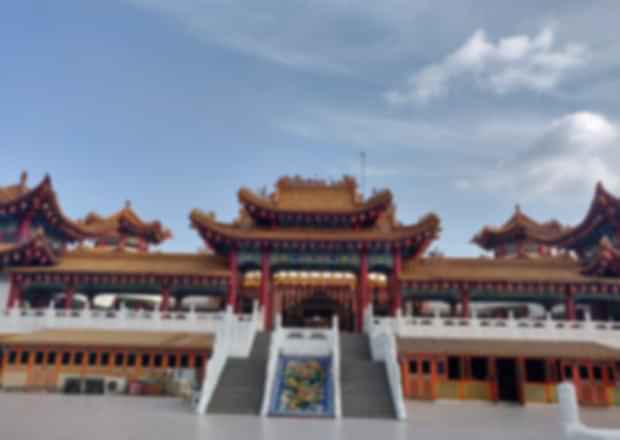
Are you looking for a cultural experience beyond Kuala Lumpur’s skyscrapers and shopping malls? Thean Hou Temple offers a glimpse into the city’s Chinese heritage, with ornate architecture, traditional practices, vibrant lanterns and panoramic views. From its striking red lanterns and six-tiered roofs to its hilltop views over the city, it offers much more than a quick photo stop.
For first-time visitors, the temple is worth more than a quick photo stop. You can explore its prayer halls and courtyards, try traditional kau cim fortune-telling, enjoy panoramic views, and learn about the Hainanese community that built this iconic temple. For travellers planning a Kuala Lumpur trip, this guide explains everything you need to know before visiting, including Thean Hou Temple timings, entrance fee, history, how to get there, temple etiquette, and the best time to visit.
Thean Hou Temple at a Glance: Timings, Entry Fee, Location & Key Highlights
| Detail | Information |
| Location | Robson Heights, Kuala Lumpur, Malaysia |
| Address | 65, Persiaran Endah, Off Jalan Syed Putra, 50460 Kuala Lumpur |
| Opening hours | Daily, 8:00 AM to 8:00 PM |
| Entrance fee | Free |
| Best time to visit | Weekday mornings for a quieter experience |
| Recommended duration | Around 45 minutes to 1.5 hours |
| Main deity | Mazu (Thean Hou), the Chinese sea goddess |
| Key highlights | Six-tiered architecture, red lanterns, prayer halls, gardens, sculptures and city views |
| Popular experience | Kau cim fortune-telling |
| Best for | Culture, architecture, photography, spirituality and city views |
Where Is Thean Hou Temple in Kuala Lumpur?
Thean Hou Temple Malaysia is located on Robson Heights in Kuala Lumpur, along Persiaran Endah off Jalan Syed Putra. The six-tiered Chinese temple occupies about 6,758 square metres (1.67 acres) and is owned and managed by the Selangor & Federal Territory Hainan Association.
Thean Hou Temple official address: 65, Persiaran Endah, Off Jalan Syed Putra, 50460 Kuala Lumpur, Malaysia.
What Is Thean Hou Temple Dedicated To?

The temple is primarily dedicated to Mazu, the Chinese sea goddess also known as Tian Hou or Thean Hou. Mazu is traditionally associated with protecting sailors and people who travel by sea.
The main shrine also worships Guanyin, the Goddess of Mercy, and Shui Wei Sheng Niang, a Hainanese goddess associated with the waterfront. The temple therefore brings together Mazu folk culture, Taoism, Buddhism and Chinese cultural traditions in one complex.
Thean Hou Temple History: When Was It Built?
The history of Thean Hou Temple is closely connected to Kuala Lumpur’s Hainanese community. The Selangor & Federal Territory Hainan Association was established in 1889, and in the same year, its members established an early shrine dedicated to Thean Hou (Mazu).
The construction of this six-tiered temple began in 1981 and was completed in 1987. It was then officially opened on 3 September 1989. Since its opening, Thean Hou Temple is managed by the Selangor & Federal Territory Hainan Association and has become both an important place of worship and a popular cultural attraction in Kuala Lumpur. The temple continues to host religious and Chinese cultural celebrations, while its distinctive architecture, hilltop setting, and city views attract visitors throughout the year.
Thean Hou Temple Timings & Opening Hours
The Thean Hou Temple is open daily from 8:00 AM to 8:00 PM, including public holidays, according to the temple’s official website. So, if you are visiting during a major Chinese festival or religious celebration, it is recommended to check the temple’s official updates before travelling.
Thean Hou Temple Entrance Fee: Is It Free to Visit?
As for the Thean Hou Temple entrance fee, there is no admission charge. Visitors can enter the temple and explore its public areas free of charge. Donations and religious offerings are voluntary for those who wish to contribute.
Best Time to Visit Thean Hou Temple
The best time to visit Thean Hou Temple depends on what you want from the experience. For a quieter visit, go in the morning after the temple opens at 8:00 AM or later in the afternoon. The temple is open daily from 8:00 AM to 8:00 PM, including public holidays.
Here are the best times to consider:
- Morning: Arriving soon after opening is a good choice if you want to explore the temple before the day gets busier. It also gives you plenty of time to see the prayer halls, courtyards, and architectural details.
- Late afternoon: Visiting later in the day can be a good option if you prefer softer light for photography and want to stay until the evening atmosphere develops. Remember that the shrine closes at 8:00 PM.
- Weekdays: If avoiding crowds is your priority, a weekday visit is generally a sensible choice. However, crowd levels can vary depending on religious activities, events and the time of year.
- Chinese New Year: This is one of the most atmospheric times to visit. The temple runs special Chinese New Year activities and offers red lanterns during the festival period, creating a particularly colourful setting. However, expect the temple to be busier during major celebrations.
- Rainy weather: Much of the temple experience includes outdoor courtyards, terraces and architectural details, so check the weather forecast if you want to spend time photographing the complex.
Best overall choice: For the best balance of weather, light and fewer crowds, a weekday morning is a practical choice. If you want to experience Thean Hou Temple at its most festive, plan around Chinese New Year, but allow extra time for crowds.
Thean Hou Temple Fortune Telling: How Does Kau Cim Work?
Thean Hou Temple fortune telling is a traditional divination experience that some visitors can try during their visit. Known as ‘kau cim’ or ‘qiu qian’, the practice involves shaking a container of numbered bamboo sticks until one falls or rises out. The number on the stick is then matched with a corresponding fortune slip.
Kau cim is a traditional Chinese divination practice associated with temples and folk religious traditions. At Thean Hou Temple, it offers visitors an opportunity to learn about a form of spiritual practice rather than simply viewing the temple as a sightseeing attraction.
Tip: If you are interested in experiencing traditional practices rather than simply sightseeing, treat fortune telling as an optional cultural experience. Fees and interpretation services may vary, so check the current arrangements at the temple.
Things to See & Do at Thean Hou Temple

The Thean Hou Temple complex has more to explore beyond the main prayer hall. Allow some extra time to explore the surrounding grounds, where you’ll find cultural displays, gardens, sculptures, and traditional Chinese features.
- Enjoy Kuala Lumpur City Views: The temple’s hilltop location provides wide views across Kuala Lumpur. Its upper levels are also popular spots for photographs.
- Visit the Serenity Garden & Wishing Pond: The open area in front of the main temple is known as Serenity Garden (Yi Xin Yuan). It includes a wishing pond and provides a quieter space where visitors can relax, make wishes and take in the temple surroundings.
- Explore the Chinese Medicinal Herb Garden: The temple’s Shennong Medicinal Garden features Chinese medicinal herbs and reflects the temple’s connection with traditional Chinese culture and Mazu’s values of compassion and helping others.
- See the 24 Filial Piety Sculptures: Near Ci Hui Court, you’ll find 24 large stone sculptures depicting traditional stories about filial piety. Each sculpture has explanations in Chinese, Malay and English, making them useful for visitors who want to understand the cultural meaning behind the artwork.
- Visit the Chinese Chess Board: The grounds feature a giant Chinese chessboard measuring about 12.8 by 10 metres. It has 64 squares and was created as a cultural display introducing visitors to Chinese chess and its strategic traditions.
- Explore the Chinese Zodiac Statues: Look out for the statues representing the 12 Chinese zodiac signs. English descriptions are provided beside the zodiac figures, making this an easy cultural stop for international visitors.
- Discover the Temple’s Decorative Details: Don’t limit your visit to the main shrine. Look up at the colourful roof decorations, dragons, phoenixes, painted beams and other details that combine features of northern and southern Chinese architectural traditions.
Thean Hou Temple remains an active place of worship, not simply a tourist attraction. Visitors may see devotees praying and making offerings, so explore the grounds respectfully and follow any instructions displayed inside the temple.
How to Get to Thean Hou Temple in Kuala Lumpur?
The Thean Hou Temple is in the Robson Heights area of Kuala Lumpur, not far from KL Sentral. The easiest way to reach it is by taxi or e-hailing, but you can also combine public transport with a short ride.
- By Grab or taxi: This is the most convenient option for most visitors. From KL Sentral or Bukit Bintang, the journey usually takes around 10–15 minutes, depending on traffic. Ask to be dropped at the temple entrance.
- By public transport: You can take the train towards the KL Sentral area and continue the final part of the journey by taxi or Grab. Because the temple is located on a hill, the last section can be less convenient on foot, particularly in Kuala Lumpur’s heat.
- By hop-on hop-off bus: The temple is included on some Kuala Lumpur sightseeing bus routes. Check the current route and stop information before travelling, as schedules and stops can change.
Best option for most visitors: If you are staying in central Kuala Lumpur, a taxi or Grab is the simplest way to reach Thean Hou Temple. Public transport can work well if you want to keep costs lower, but combining it with a short e-hailing ride makes the final stretch easier.
Thean Hou Temple Etiquette: What Should Visitors Know?
Thean Hou Temple is an active place of worship as well as a popular Kuala Lumpur attraction. A few simple etiquette rules will help you enjoy the temple while respecting people who come here to pray.
- Dress respectfully: Wear modest clothing when visiting the temple. Covering your shoulders and knees is a safe choice, particularly when entering prayer areas.
- Keep noise low: Speak quietly around prayer halls and worship areas. Avoid treating religious ceremonies as photo opportunities.
- Ask before photographing people: The temple has many photogenic details, but always ask permission before taking close-up photographs of people who are praying, making offerings or taking part in religious rituals.
- Respect religious practices: Avoid touching statues, offerings or other religious objects unless you are invited to do so.
- Fortune telling: If you take part in kau cim, check the current arrangements and any applicable fee or donation at the counter. Participation is optional.
- Follow signs and staff instructions: Some areas may have restrictions during ceremonies or festivals. Follow any notices or instructions from temple staff.
Is Thean Hou Temple Worth Visiting in Kuala Lumpur?
Thean Hou Temple is one of those Kuala Lumpur attractions that is easy to fit into a sightseeing day but rewarding enough to deserve more than a quick stop. Its colourful architecture, hilltop views, cultural displays and active prayer spaces offer a glimpse into the city’s Chinese heritage in a setting that still feels authentic.
With free entry, daily opening hours and plenty to see within the temple grounds, it is a worthwhile addition to any Kuala Lumpur itinerary. Visit on a weekday morning for a quieter experience, or time your trip around a festival if you want to see the temple at its best. Most importantly, explore respectfully and remember that Thean Hou Temple remains a place of worship, not just a photo spot.
FAQs
1. Is Thean Hou Temple free to enter?
Yes, Thean Hou Temple is free to enter. Visitors can explore the temple grounds and public areas without paying an admission fee. Donations and religious offerings are voluntary.
2. What are Thean Hou Temple opening hours?
Thean Hou Temple is open daily from 8:00 AM to 8:00 PM, including public holidays. Opening hours may vary during special religious events or festivals, so it is best to check before visiting.
3. Where is Thean Hou Temple located?
Thean Hou Temple is located at 65, Persiaran Endah, Off Jalan Syed Putra, Kuala Lumpur, Malaysia. It sits on Robson Heights, near KL Sentral, making it relatively easy to reach from central Kuala Lumpur.
4. How long do you need at Thean Hou Temple?
Most visitors can explore Thean Hou Temple in about 45 minutes to 1.5 hours. Allow more time if you want to take photographs, try kau cim fortune-telling, explore the gardens and sculptures, or visit during a busy festival.
5. What is the best time to visit Thean Hou Temple?
The best time to visit Thean Hou Temple is on a weekday morning, soon after it opens at 8:00 AM. This usually offers a quieter experience and comfortable conditions for exploring. Late afternoon is another good option for softer photography light.
6. What is Thean Hou Temple famous for?
Thean Hou Temple is famous for its six-tiered Chinese architecture, red lanterns, hilltop location, city views and cultural significance. The temple is dedicated primarily to Mazu, the Chinese sea goddess, and remains an active place of worship.
7. Can you do fortune telling at Thean Hou Temple?
Yes, visitors can experience kau cim fortune-telling at Thean Hou Temple. The traditional practice involves drawing a numbered bamboo stick, which is then matched with a corresponding fortune. Availability, interpretation and any applicable donation may vary.
8. What should I wear to Thean Hou Temple?
Visitors should wear modest and respectful clothing at Thean Hou Temple. Covering your shoulders and knees is a safe choice, particularly when entering prayer halls or other worship areas.
9. How do you get to Thean Hou Temple from Kuala Lumpur city centre?
The easiest way to reach Thean Hou Temple from central Kuala Lumpur is by Grab or taxi. The temple is also accessible by public transport, although the final uphill section may be less convenient on foot. A short e-hailing ride from KL Sentral is a practical option.
10. Is Thean Hou Temple worth visiting in Kuala Lumpur?
Yes, Thean Hou Temple is worth visiting for its architecture, cultural significance, city views and peaceful temple grounds. Since entry is free and most visitors need less than two hours, it is an easy attraction to add to a Kuala Lumpur itinerary.
11. Can tourists take photos at Thean Hou Temple?
Yes, photography is generally allowed at Thean Hou Temple, and the colourful architecture, lanterns and upper terraces make it a popular photo spot. However, visitors should avoid photographing people who are praying or taking part in religious ceremonies without permission.
12. Is Thean Hou Temple a Buddhist or Taoist temple?
Thean Hou Temple combines Buddhist, Taoist and Chinese folk religious traditions. It is primarily dedicated to Mazu, while the main shrine also honours Guanyin and Shui Wei Sheng Niang. The temple therefore reflects several aspects of Chinese religious and cultural heritage.
13. What can you see at Thean Hou Temple?
Visitors can see prayer halls, colourful Chinese architecture, red lanterns, gardens, sculptures, a wishing pond, Chinese zodiac statues, a medicinal herb garden and panoramic Kuala Lumpur views. The temple grounds offer more than just the main shrine.
14. Is Thean Hou Temple suitable for first-time visitors to Kuala Lumpur?
Yes, Thean Hou Temple is a good choice for first-time visitors to Kuala Lumpur. It is free to enter, easy to explore in under two hours and offers a mix of architecture, culture, photography and city views close to central Kuala Lumpur.

Recommended articles for you









Discover Packages



















Need help in planning?
Talk to our Travel Experts