
Malaysia Culture: Traditions, Food, Festivals, Dress and Heritage
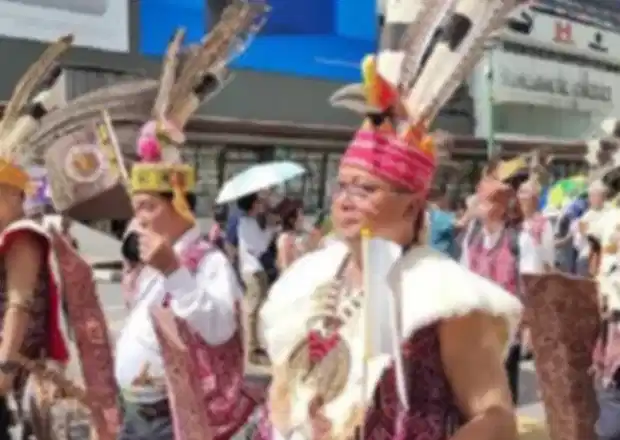
Malaysia culture is a fascinating blend of Malay, Chinese, Indian, Peranakan and indigenous traditions. A mosque, a Chinese temple and a Hindu shrine can all stand within the same Malaysian neighbourhood, reflecting the country’s diverse communities and shared history. This mix can be seen in its food, festivals, religions, languages, clothing and everyday customs.
From Kuala Lumpur and Melaka to Penang, Sabah and Sarawak, each region offers a different way to experience these traditions. If you are planning a Malaysia tour package, learning about the country’s customs beforehand can help you understand the places, food and celebrations you encounter along the way. This Malaysia guide covers the people, traditions, food, clothing, festivals, heritage and cultural experiences that shape life across the country.
Malaysia Culture at a Glance
| Aspect | Details |
| Major ethnic groups | Malay, Chinese, Indian, and over 60 indigenous groups |
| Main religions | Islam, Buddhism, Hinduism, and Christianity |
| Official language | Bahasa Malaysia |
| Other widely spoken languages | English, Mandarin, Tamil, and Cantonese |
| Traditional clothing | Baju Melayu, Baju Kurung, Cheongsam, Saree and Baju Kebaya |
| UNESCO cultural sites | Melaka, George Town, Kinabalu Park and Gunung Mulu National Park |
| Best cities for cultural tourism | Kuala Lumpur, Melaka, and Penang |
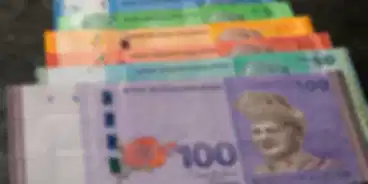
| Currency | Malaysian Ringgit (RM); 1 RM (₹23) as of 2026, exchange rates vary |
Malaysia History and Culture: A Quick Timeline
Understanding Malaysia’s history and culture in broad strokes helps a lot of what you see click into place.
- Ancient trade era: Malay tribes traded with China and India, bringing early Hindu and Buddhist influence to the peninsula.
- 15th century: The Malacca Sultanate rises, and Islam spreads across the region through Arab traders.
- 16th to 18th centuries: Portuguese, then Dutch colonial powers take control of Melaka.
- 19th to early 20th century: British colonial rule brings large-scale Chinese and Indian migration for mining and plantation work.
- 1957: Malaysia, then Malaya, gains independence from Britain.
- 1963: Sabah, Sarawak and Singapore join to form present-day Malaysia, with Singapore separating in 1965.
Each wave of history left its mark, from mosques and temples to old shophouses and family recipes. That mix is what makes Malaysian culture so rich and diverse today.
Malaysia Culture and Traditions: What Makes It Unique?
Malaysian culture feels different because Malay, Chinese, Indian and indigenous traditions coexist while keeping their distinct identities. You can see this mix in the food, festivals, religion, customs and languages in Malaysia.
A Mix of Cultures
Malay Culture and Traditions
Malay traditions influence everyday life, from etiquette and food to architecture and celebrations. Most Malays are Muslim, and values such as respect for elders and gotong royong, or community cooperation, remain important. You can also see this heritage in kampungs, where traditional wooden homes and a slower pace of life still exist.
Chinese Culture and Traditions
Malaysian Chinese communities have strong roots in trade and tin mining. Their heritage lives on through Chinese festivals, dialects, food and places of worship. In George Town, historic shophouses, clan temples and family associations offer a closer look at this side of Malaysia.
Indian Culture and Traditions
The Malaysian Indian community is largely Tamil in origin. Hindu temples, Deepavali celebrations and South Indian food are important parts of its cultural heritage. These influences are also visible in Malaysia’s food scene, particularly in dishes and dining traditions found across cities.
Peranakan and Indigenous Cultures
Peranakan, also known as Baba Nyonya, is a culture that combines Chinese and Malay influences in its food, clothing and traditions. Sabah and Sarawak add another layer through indigenous communities such as the Iban and Kadazan Dusun, each with their own customs and heritage. Together, these communities give Malaysia its distinctive cultural character without making every tradition feel the same.
Cultural Etiquette and Things to Know
- Dress modestly: Cover your shoulders and knees when visiting religious sites.
- Respect prayer times: Be mindful of Friday prayers when visiting mosques and nearby areas.
- Remove shoes: Take them off before entering homes, mosques and some temples.
- Ask before taking photos: Check before photographing people, ceremonies or religious activities.
Traditional Malaysian Clothing and Dress
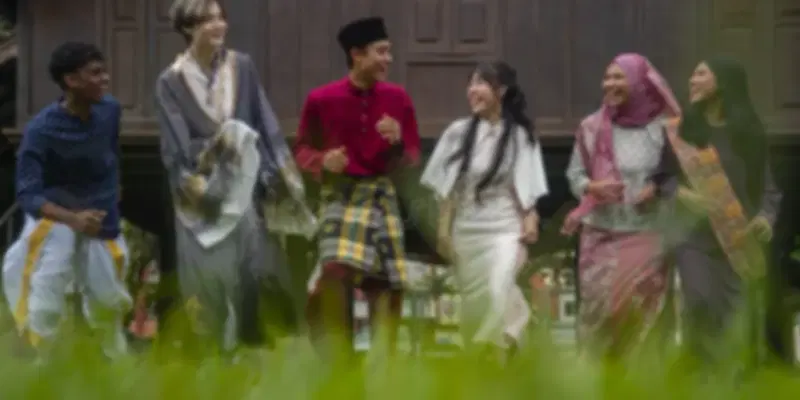
Traditional clothing in Malaysia is still worn daily, not just on special occasions, which is part of what makes the country so visually rich.
- Baju Melayu: A loose shirt and trouser set for Malay men, often paired with a sarong called a samping and a songkok cap.
- Baju Kurung: A modest, flowing two-piece outfit worn by Malay women, common in offices and during festivals alike.
- Cheongsam: A fitted Chinese dress with a mandarin collar, usually reserved for weddings and Chinese New Year.
- Saree and Salwar Kameez: Worn by Malaysian Indian women, especially during Deepavali and temple visits.
- Baju Kebaya: A Peranakan-style blouse with intricate embroidery, closely tied to Nyonya heritage in Melaka and Penang.
You will notice batik prints everywhere, on shirts, sarongs and even office uniforms. Batik-making is a genuine craft tradition here, and picking up a batik piece from a local market is one of the best Malaysian souvenirs you can bring home, alongside the woven wau kites and songket textiles you will find while shopping for souvenirs in Kuala Lumpur.
Malaysian Food Culture: Dishes and Traditions
Malaysia’s food culture brings different communities together at the same table. You can taste Malay, Chinese, Indian, and Peranakan flavours in one day. From busy hawker stalls to family kitchens, food is a big part of everyday life.
| Dish | Origin | What It Is |
| Nasi Lemak | Malay | Coconut rice served with sambal, egg, peanuts, and anchovies |
| Char Kway Teow | Chinese | Stir-fried flat noodles with prawns and egg |
| Roti Canai | Indian Muslim | Flaky flatbread served with dhal or curry |
| Laksa | Peranakan | Spicy noodle soup that varies by region |
| Satay | Malay | Grilled skewered meat served with peanut sauce |
| Banana Leaf Rice | Indian | Rice with curries served on a banana leaf |
Street food is a big part of daily life in Malaysia. A meal at a hawker stall can often cost around RM10 (₹235). Food also reflects the country’s cultural mix. Malay Muslim cooking avoids pork, while beef is less common in some Hindu and Buddhist communities. These different food traditions come together across Malaysia, making its food scene wonderfully varied.
Traditional Dances and Cultural Shows in Malaysia
Traditional performance is still very much alive, and watching a Malaysian cultural show is one of the easiest ways to understand the country’s history in an hour or two.
- Zapin: A Malay dance with roots in Arab and local traditions, performed to the gambus, a lute-like instrument.
- Barongsai: The Chinese lion dance, performed during festivals and store openings for good luck.
- Bharatanatyam: Classical Indian dance still taught and performed at temple festivals across the country.
- Sumazau: A traditional dance from Sabah’s Kadazan Dusun community, performed at harvest festivals.
In Kuala Lumpur, venues host nightly cultural shows that combine dance, music and costume from all major communities in a single performance, giving first-time visitors a fast, visual introduction before they head out to explore the real thing on the streets.
Cultural Heritage Sites in Malaysia
Cultural heritage in Malaysia is not locked away in museums. It is built into entire towns you can still walk through.
| Heritage Site | Location | Why It Matters |
| Melaka Historic City | Melaka | UNESCO-listed heritage city featuring Portuguese, Dutch, and British colonial influences |
| George Town | Penang | UNESCO-listed city known for Chinese shophouses and vibrant street art |
| Batu Caves | Selangor | Major Hindu pilgrimage site featuring a temple complex inside limestone caves |
| Kek Lok Si Temple | Penang | One of the largest Buddhist temples in Southeast Asia |
| Sultan Abdul Samad Building | Kuala Lumpur | Landmark of colonial architecture located in the heart of Malaysia’s capital |
These cultural places in Malaysia give you the layered version of the country’s story, from the Malacca Sultanate that first brought Islam to the region through Portuguese, Dutch and British colonial rule, right up to independence in 1957.
How to Experience Malaysian Culture
Cultural tourism in Malaysia works best when you slow down and mix it with the country’s other strengths, its beaches, food and nature.
- Kuala Lumpur: Start here for museums, mosques, temples and a cultural show, plus easy access to Batu Caves.
- Melaka: A half-day or overnight trip for colonial architecture, Peranakan heritage and the Jonker Street night market.
- Penang: George Town for street art and shophouses, Penang Hill for the view, and some of the best street food in the country.
- Sabah or Sarawak: For a completely different side of Malaysian culture, built around indigenous communities and longhouse visits.
If your trip includes a beach stop as well, Langkawi’s beaches are an easy add-on after a few culture-heavy days in the cities, and it is one of the reasons Malaysia works so well for both family holidays and honeymoons.
Malaysian Festivals and Cultural Celebrations
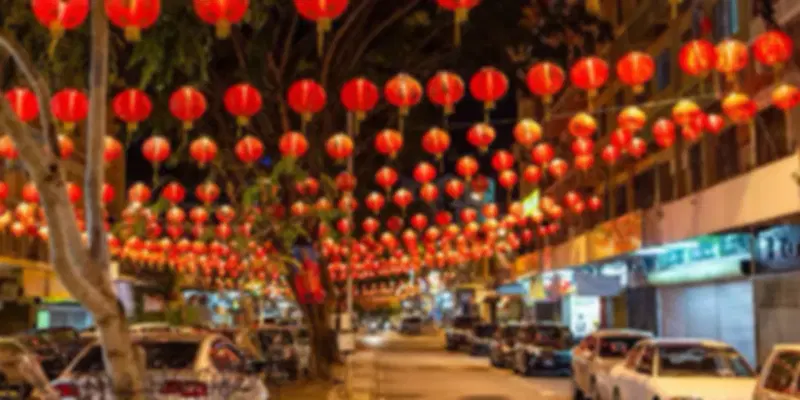
Malaysia’s festivals add colour and energy to everyday life. They are also one of the reasons to visit Malaysia, especially if you enjoy local food, music and traditions. From colourful streets to lively celebrations, each festival offers a different side of the country.
| Festival | Community | When |
| Hari Raya Aidilfitri | Malay Muslim | At the end of Ramadan |
| Chinese New Year | Chinese | January or February |
| Deepavali | Indian Hindu | October or November |
| Thaipusam | Indian Hindu | January or February, especially at Batu Caves |
| Wesak Day | Buddhist | May |
| Christmas | Christian | December |
| Kaamatan | Kadazan-Dusun, Sabah | May; harvest festival |
| Gawai Dayak | Iban and Dayak, Sarawak | June; harvest festival |
Practical Tips for Experiencing Malaysian Culture
- Keep some Malaysian ringgit handy. Small shops and hawker stalls may not accept cards.
- Learn a few simple Bahasa Malaysia phrases. English is widely spoken, but locals appreciate the effort.
- Dress modestly when visiting mosques, temples and other religious sites.
- Check the latest Malaysia visa rules before your trip. Indian passport holders may qualify for visa-free entry for short stays, depending on current rules.
Final Thoughts: Experience Malaysia Culture for Yourself
Malaysia culture is something you experience at every turn. Taste a new dish at a busy hawker stall, explore old streets in Melaka, or watch a festival come alive in Kuala Lumpur. Head to Sabah or Sarawak for a closer look at indigenous traditions. If you are planning a Malaysia trip, choose the traditions that interest you most and make time to experience them beyond the usual tourist spots. That is often where the best travel memories begin.
FAQs
1. What kind of culture is Malaysia known for?
Malaysia is known for its mix of Malay, Chinese, Indian, Peranakan and indigenous traditions. This diversity can be seen in its food, festivals, languages, clothing and daily customs.
2. What is the main religion in Malaysia?
Islam is the official religion of Malaysia, while Buddhism, Hinduism and Christianity are also widely practised. Different religious communities celebrate their own festivals and traditions across the country.
3. What are some traditional foods in Malaysia?
Popular traditional foods in Malaysia include nasi lemak, laksa, satay and roti canai. Many dishes show the influence of Malay, Chinese, Indian and Peranakan cooking.
4. What is traditional Malaysian dress?
Traditional Malaysian dress includes Baju Melayu and Baju Kurung, along with Cheongsam, sarees and Baju Kebaya. Batik and songket are also important parts of Malaysian clothing and craft heritage.
5. What are the major cultural festivals in Malaysia?
Major cultural festivals in Malaysia include Hari Raya Aidilfitri, Chinese New Year, Deepavali, Thaipusam and Wesak Day. Sabah and Sarawak also have important harvest celebrations such as Kaamatan and Gawai Dayak.
6. What are the important cultural customs in Malaysia?
Important Malaysian customs include respecting elders, dressing modestly at religious sites and removing shoes before entering homes or places of worship. Community cooperation, known as gotong royong, is also valued.
7. What should tourists avoid doing in Malaysia?
Tourists should avoid disrespecting religious practices, wearing inappropriate clothing at sacred sites and ignoring local customs. It is also polite to ask before photographing people or religious ceremonies.
8. Where can I experience Malaysian culture?
Kuala Lumpur, Melaka and Penang are great for exploring Malaysia’s urban and historical culture. Sabah and Sarawak offer a closer look at indigenous traditions, local communities and longhouse culture.
9. What languages are commonly spoken in Malaysia?
Bahasa Malaysia is the official language, while English is widely used in cities and tourist areas. Mandarin, Tamil, Cantonese and several indigenous languages are also spoken across different communities.
10. Is Malaysia a good destination for cultural tourism?
Yes, Malaysia is a great destination for cultural tourism because you can experience different traditions in one trip. Historic cities, local food, religious sites and festivals make it easy to explore the country beyond its beaches and modern attractions.
Recommended articles for you







Discover Packages



Malaysia City Packages
Packages By Departure City
Packages By Theme

Need help in planning?
Talk to our Travel Experts