
- Home
- Attractions
- Dubai
- Sheikh Saeed Al Maktoum House, Dubai: Complete Visitor & Museum Guide
Sheikh Saeed Al Maktoum House, Dubai: Complete Visitor & Museum Guide
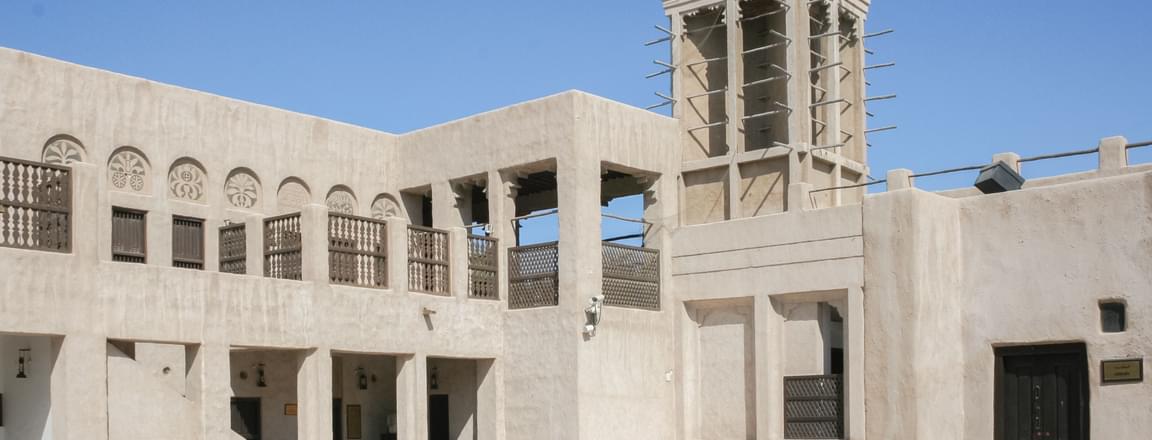
Sheikh Saeed Al Maktoum House is one of the most significant heritage locations in Dubai. It provides the visitor with an insightful experience in the royal heritage, architectural and cultural development of the city. This historical house is found along the Dubai Creek in Al Shindagha, which was previously the property of the former ruler of Dubai, Sheikh Saeed Al Maktoum, who was also the grandfather of the current ruler, His Highness Sheikh Mohammed bin Rashid Al Maktoum.
For tourists with a historical interest in the city of Dubai as well as the Emirati culture, the old architecture, and how the city has changed since it started as a trading port to become a modern world metropolis, this attraction is one of the most genuine, well-preserved, and, through the experience, informative heritage sites in the city.
What Is Sheikh Saeed Al Maktoum House: History & Importance
Sheikh Saeed Al Maktoum House was constructed around 1896 (with some expansions noted from 1894) and served as the royal residence and seat of government for the Al Maktoum family. Overlooking Dubai Creek, it held a strategic position to monitor trading ships, pearl divers, and maritime trade, central to early Dubai's economy. Today, it functions as a museum displaying photographs, artefacts, historic documents, jewellery, stamps, and coins that chronicle Dubai's origins.
Its design showcases traditional Emirati style with wind towers (barjeel), vast courtyards, carved wooden doors, and gypsum ornaments, offering a glimpse into life over a century ago. It stands as one of the best-preserved examples of traditional Gulf architecture and a key landmark in the Al Shindagha Heritage District.
Read more: Dubai Travel guide
What You’ll See Inside Sheikh Saeed Al Maktoum House Museum
1. Historical Photographs Gallery
This is one of the most significant photographic archives in the UAE. A vast collection showcasing images of Dubai from the early 20th century, documenting the following:
- Pearl diving culture
- Old souks
- Creek activities
- Early settlements
- Development of Dubai’s skyline
2. Coins and Stamps Museum Sections
Rare items dating back to early Gulf trading eras are displayed. These exhibits highlight the evolution of the following:
- Currency used in Dubai
- Postal services
- Trade relations with other countries
3. Royal Artefacts and Personal Belongings
Visitors can view objects used by the Al Maktoum family, including:
- Traditional jewellery
- Weapons
- Documents
- Personal item
- Gifts and ceremonial artefacts
4. Architecture and Courtyards
These features reflect Dubai’s historic approach to climate control and housing design. One of the main highlights is the building itself.
You can explore:
- Traditional wind towers (Barjeel)
- Wooden ceilings
- Carved doors
- Coral-stone walls
- Open courtyards
Sheikh Saeed Al Maktoum House Location: Al Shindagha, Dubai Creek
Located in Al Shindagha Heritage Village along Dubai Creek, easily accessible when exploring Old Dubai.
Nearby landmarks:
- Al Shindagha Museum
- Dubai Creek
- Al Fahidi Fort (also called Dubai Museum)
- Heritage Village
- Al Seef District
Sheikh Saeed Al Maktoum House Timings
- Daily: 8:00 AM – 8:00 PM (may extend to 8:30 PM seasonally)
Note – Timings may vary during Ramadan or public holidays.
Sheikh Saeed Al Maktoum House Ticket Price
- Adults: AED 3 (≈ ₹70)
- Children (under 6): Free. This remains one of Dubai's most affordable cultural attractions.
This makes it one of the most affordable cultural attractions in Dubai.
Best Time to Visit Sheikh Saeed Al Maktoum House
- Morning hours: Ideal for comfortable weather
- Weekdays: Less crowded
- Combine with a visit to the nearby Al Shindagha Museum for a complete heritage experience.
Read more: Top things to do in Dubai
How to Reach Sheikh Saeed Al Maktoum House
- By Metro: Nearest station: Al Ghubaiba Metro Station (short walk).
- By taxi: Easily available; approx. AED 25–35 (₹575–₹805) from Downtown.
- By Abra: Cross Dubai Creek via traditional abra for AED 1 (₹23) from the Deira side.
Facilities Available at Sheikh Saeed Al Maktoum House
- Guided tours
- Washrooms
- Shaded courtyards
- Exhibition halls
- Souvenir shops nearby
- Part of the larger Al Shindagha Heritage District
Why Tourists Love Visiting Sheikh Saeed Al Maktoum House
- Authentic representation of old Dubai
- Quiet and peaceful cultural environment
- Rich museum exhibits
- Affordable entry
- Excellent for history lovers, students, and families
- Part of Dubai’s most preserved heritage neighbourhood
Is Sheikh Saeed Al Maktoum House Worth Visiting?
One of the most valuable heritage sites in the city of Dubai is Sheikh Saeed Al Maktoum House, as it provides a complete experience of the royal background of Dubai, its cultural development, and architecture. Visiting Old Dubai or need an interesting cultural experience, this museum offers the right ratio between historical background, visual displays, and real Emirati architecture. It is the cheapest entry point, a centrally placed and well-maintained building that makes it an indispensable attraction to any person wishing to have an insight into Dubai, other than its modern skyline. Choose Dubai tour packages from Pickyourtrail, which will assist you in pre-booking attractions, activities, and accommodation.
FAQs
1. What is The Green Planet Dubai?
It is an indoor rainforest entertainment in City Walk with more than 3,000 species of animals and plants.
2. Where is the Green Planet located?
Al Wasl Road, City Walk, Dubai, UAE.
3. What is the entry fee for The Green Planet Dubai?
Adults: AED 3 (≈ ₹70) Children (under 6): Free
4. What are the opening hours of The Green Planet Dubai?
Daily from 10:00 AM to 6:00 PM.
5. How many hours does it take to reach the Green Planet?
It takes about 10 minutes (5 km) from Downtown Dubai by car.