
- Home
- Attractions
- Vietnam
- Dien Bien Phu Travel Guide: History, Attractions, Things to Do & Travel Tips
Dien Bien Phu Travel Guide: History, Attractions, Things to Do & Travel Tips
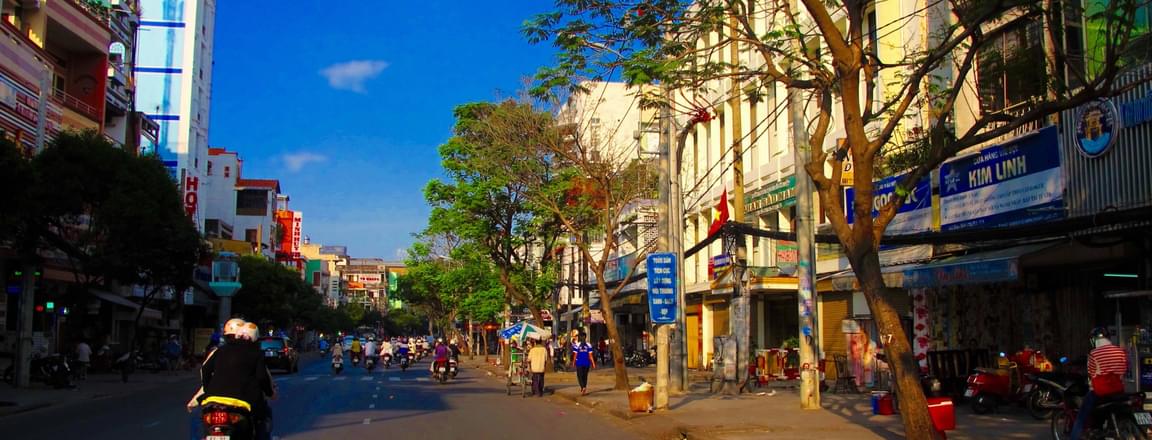
Dien Bien Phu, a monumental landmark in Vietnam, portrays the lengthy history and breathtaking natural beauty of the country. This historical location is now a crucial component of Vietnam tourism, drawing tourists from around the world. Surrounded by lush mountains and scenic valleys, this peaceful town is best known for the historic Battle of Dien Bien Phu in 1954. Visitors can explore important landmarks, war memorials, museums, and nearby ethnic villages while experiencing the authentic charm of Vietnam’s mountainous landscapes.
History Of Dien Bien Phu?
Dien Bien Phu, located in northwestern Vietnam, was once a quiet valley inhabited by ethnic communities such as the Thai people. Due to its strategic location near Laos and China, the area later became an important military base during the French colonial period.
In 1954, Dien Bien Phu became the site of the historic Battle of Dien Bien Phu between the Viet Minh and French forces. After 56 days of intense fighting, the Vietnamese army defeated the French on 7 May 1954, ending French colonial rule in Vietnam and leading to the Geneva Accords. Today, the city stands as an important historical landmark.
Best Time to Visit Dien Bien Phu
Best Seasons to Visit
The best time to visit Dien Bien Phu is from October to April, when the weather is cool, dry, and pleasant. During these months, temperatures usually range between 18°C and 28°C, making it comfortable for sightseeing, exploring historical sites, and visiting nearby villages and valleys.
Best time of the day:
The best time of the day to explore Dien Bien Phu is early morning or late afternoon. During these hours, the weather is cooler and more comfortable for visiting historical sites like the battlefields, museums, and monuments.
Main Attractions in Dien Bien Phu for Travellers
Dien Bien Phu is a place full of attractions that mesmerise tourists from different parts of the world who are seeking a well-rounded experience. Amongst the top places to visit in Vietnam, Dien Bien Phu is a captivating destination that offers a blend of cultural, natural, and historical sites.
1. Dien Bien Phu Victory Monument
The Dien Bien Phu Victory Monument is one of the most iconic landmarks in the city. Located on a hill, this monument commemorates Vietnam’s victory in the 1954 battle. Visitors can climb up to enjoy stunning panoramic views of the Dien Bien valley and learn about the country’s historic triumph.
2. Dien Bien Phu Museum
The Dien Bien Phu Museum provides deep insight into the famous battle and Vietnam’s struggle for independence. The museum displays photographs, weapons, maps, and military equipment used during the war, helping visitors understand the significance of this historic event.
3. A1 Hill (Eliane 2 Hill)
A1 Hill, also known as Eliane 2 Hill, was one of the most intense battle sites during the 1954 conflict. Today, visitors can walk through preserved trenches, see the large bomb crater, and explore the memorials that mark the historic battlefield.
4. Muong Phang Historical Site
The Muong Phang Historical Site was the headquarters of General Vo Nguyen Giap during the Battle of Dien Bien Phu. Located in a peaceful forest area, the site features preserved tunnels, bunkers, and working spaces used by Vietnamese forces during the war.
5. Pa Khoang Lake
Pa Khoang Lake is a beautiful natural attraction located about 20 km from Dien Bien Phu. Surrounded by forests and mountains, the lake offers a peaceful environment perfect for relaxation, photography, and nature walks. It is also a great place to add to your Vietnam tour packages to experience the quiet countryside of northwestern Vietnam.
Choosing the Best Time to Explore Dien Bien Phu
Dien Bien Phu offers a rewarding experience if visited at the ideal time. The cool, dry months of November to February offer comfortable weather for outdoor exploration, making it a popular time for tourists. This period aligns with the Best time to visit Vietnam as well, ensuring the trip is filled with captivating experiences.
Things to do in Dien Bien Phu
1. Explore Historic Battlefields: Visit important war sites like A1 Hill, bunkers, and preserved trenches to understand the famous 1954 Battle of Dien Bien Phu.
2. Visit the Dien Bien Phu Museum: Learn about Vietnam’s history through photographs, maps, weapons, and detailed exhibits related to the battle.
3. Enjoy Scenic Valley Views: Climb the Dien Bien Phu Victory Monument to enjoy breathtaking panoramic views of the valley and surrounding mountains. Amongst the various things to do in Vietnam, Dien Bien Phu offers it all to make the journey adventurous and worth it.
4. Discover Muong Phang Historical Site: Explore the forest headquarters of General Vo Nguyen Giap and see the preserved command bunker used during the war.
5. Relax at Pa Khoang Lake: Take a peaceful break at Pa Khoang Lake, surrounded by forests and mountains, perfect for nature walks and photography.
6. Experience Local Culture: Visit nearby ethnic villages to experience the traditions, food, and lifestyle of local Thai and Hmong communities.
Transportation and Accessibility Within Dien Bien Phu
Dien Bien Phu is situated in such a way that it is accessible by air, road, and rail, providing convenient options for travellers. The Dien Bien Phu Airport connects the region to other cities in Vietnam.
- By Air: The fastest way is to take a flight from Hanoi to Dien Bien Phu Airport. The journey takes about 1 hour, and regular domestic flights connect the city with Vietnam’s capital.
- By Road: Travellers can take a bus or private car from Hanoi, which takes around 10–12 hours through scenic mountain routes. Overnight sleeper buses are also available.
- By Motorbike: Adventure travellers often ride motorbikes from Hanoi or Sapa, enjoying beautiful landscapes and rural villages along the way.
Places to Visit Near Dien Bien Phu
1. Muong Lay Town
Located about 100 km from Dien Bien Phu, Muong Lay Town is a peaceful riverside destination surrounded by mountains. The town is known for its scenic beauty, local markets, and traditional Thai ethnic culture. Visitors can enjoy boat rides along the Da River and experience authentic rural life.
2. Tuan Giao
Tuan Giao is a small mountainous town located between Dien Bien Phu and Son La. It is famous for its beautiful mountain landscapes, winding roads, and peaceful villages. The area is perfect for travellers who enjoy scenic drives and exploring remote countryside areas.
3. Muong Nhe Nature Reserve
Muong Nhe Nature Reserve is one of the largest protected forests in northwestern Vietnam. It is home to diverse wildlife, dense forests, and beautiful mountain scenery. Nature lovers and adventure travellers can explore trekking routes and discover the rich biodiversity of the region.
4. U Va Hot Springs
Located about 15 km from Dien Bien Phu, U Va Hot Springs is a relaxing natural attraction. The warm mineral-rich water is believed to have therapeutic benefits. Surrounded by green mountains, it is a perfect place to unwind after exploring the historic sites of the region.
1 Day in Dien Bien Phu Itinerary
Time | Activity | Description |
| Morning | Dien Bien Phu Museum & A1 Hill | Explore the museum and visit the historic battlefield with preserved trenches and a bomb crater. |
| Afternoon | Victory Monument | Enjoy panoramic views of the Dien Bien valley from this iconic landmark. |
| Late Afternoon | Muong Phang Historical Site | Visit General Vo Nguyen Giap’s former headquarters in a peaceful forest area. |
| Evening | Pa Khoang Lake | Relax by the scenic lake and enjoy beautiful sunset views. |
Tips for Visiting Dien Bien Phu
- Wear comfortable shoes, as many historical sites involve walking and climbing small hills.
- Carry cash, as ATMs and card facilities may be limited in smaller areas.
- Respect historical sites and memorials, as they are important cultural and national landmarks.
- Start sightseeing early in the morning to avoid the heat and enjoy clearer views.
- Hire a local guide to better understand the history of the Battle of Dien Bien Phu.
- Pack light rain gear, especially if visiting during the rainy months.
Conclusion
Dien Bien Phu is a fascinating destination that blends rich history with scenic natural beauty. Known for its role in the historic 1954 battle, the city offers visitors a chance to explore important landmarks, museums, and preserved battlefields. Surrounded by mountains and peaceful valleys, it also provides beautiful landscapes and cultural experiences. Whether you are interested in history, nature, or local traditions, Dien Bien Phu promises a meaningful and memorable travel experience in the heart of northwestern Vietnam.
FAQs
1. Why is Dien Bien Phu famous?
Dien Bien Phu is famous for the historic Battle of Dien Bien Phu in 1954, where Vietnamese forces defeated the French army. This victory ended French colonial rule in Vietnam and changed the country’s history.
2. Is Dien Bien Phu worth visiting?
Yes, Dien Bien Phu is worth visiting for history lovers and culture enthusiasts. The city offers battlefields, museums, monuments, scenic valleys, and nearby ethnic villages that provide a unique travel experience in Vietnam.
3. How do I get to Dien Bien Phu from Hanoi?
You can reach Dien Bien Phu from Hanoi by flight, bus, or private car. Flights take about one hour, while buses and road trips through mountain routes usually take 10–12 hours.
4. How many days are enough for Dien Bien Phu?
Most travellers spend 1–2 days in Dien Bien Phu. This is enough time to visit the main historical sites, explore the museum, see nearby attractions, and enjoy the scenic mountain landscapes.
5. What are the main attractions in Dien Bien Phu?
The main attractions include Dien Bien Phu Victory Monument, A1 Hill, Dien Bien Phu Museum, Muong Phang Historical Site, and Pa Khoang Lake, which highlight the city’s history and natural beauty.
6. Is Dien Bien Phu safe for tourists?
Yes, Dien Bien Phu is generally safe for tourists. The town is peaceful and welcoming, but travellers should follow basic precautions, respect historical sites, and check weather conditions before travelling in mountainous areas.