
10 Best Beaches To Visit In Norway
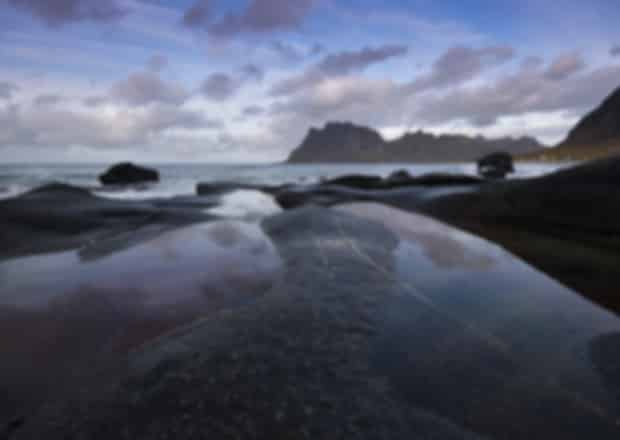
Norway is often defined by its fjords, glaciers, and cinematic mountain roads, but along its 100,000-kilometre coastline lies another world entirely. Beaches in Norway are not about sun loungers and tropical waters. They are about contrast, snow-dusted peaks rising behind pale Arctic sand, midnight sun glowing at 1 a.m., and wind-sculpted dunes meeting impossibly clear seas.
This guide explores the best beaches in Norway, from the iconic Lofoten beaches to surf hubs in the southwest and hidden Arctic coves few travellers ever reach. Whether you’re planning a Norway road trip, looking for family-friendly shores, or chasing cold-water waves, this is your practical and inspirational coastal blueprint.
Read more: Norway travel guide
Why Norwegian Beaches Are Unlike Anywhere Else in Europe
Norwegian beaches redefine what “beach travel” means. Instead of palm trees and predictable heat, you’ll find:
- Turquoise Arctic waters framed by jagged granite peaks
- Midnight sun bathes coastlines in surreal light
- White sand backed by dramatic fjords
- Near-total silence broken only by seabirds and wind
In the north, particularly across the Lofoten archipelago, beaches feel almost tropical in colour, yet the water remains brisk even in peak summer. Further south, along the Jæren coastline near Stavanger, wide sandy expanses attract surfers and swimmers during warmer spells. Norway’s beaches are less about tanning and more about immersion in landscape, light, and scale.
Best Beaches in Norway by Region
1. Lofoten & Vesterålen – Iconic Arctic Beaches
The Lofoten islands host some of the most photographed beaches in the Arctic Circle. Accessible via Leknes Airport or scenic ferry routes, this region combines road-trip convenience with raw wilderness.
Haukland Beach (Hauklandstranda)
Often ranked among the best beaches in Norway, Haukland offers shallow waters, bright sand, and dramatic mountain backdrops. Its accessibility makes it ideal for first-time visitors exploring Lofoten by car.
- Best for: Families, easy access, swimming on warm days
- Access: Drive-in parking (paid in summer)
- Crowd level: Moderate in July
- Water temperature: 10–15°C in summer
Kvalvika Beach
One of Norway’s most mythical beaches, Kvalvika, is accessible only by hiking over a mountain pass. The reward: a sweeping Arctic bay surrounded by steep cliffs. Midnight sun from May to July creates extraordinary photography conditions.
- Best for: Hikers, wild camping, photographers
- Access: 1.5–2 hour round-trip hike
- Crowd level: Low to moderate
- Experience level: Moderate
Rambergstranda
Located in the village of Ramberg, this long white-sand stretch contrasts sharply with towering peaks. Golden hour here is among the most striking in northern Norway.
- Best for: Sunset views, easy roadside stops
- Access: Direct road access
- Crowd level: Moderate
Unstad Beach
Unstad is the epicentre of Arctic surfing. Swells from the North Atlantic make it one of the top Norway surf beaches. Wetsuits are essential year-round.
- Best for: Surfing
- Access: Drive-in
- Facilities: Surf schools, rentals, café
Bunesstranda
Remote and pristine, Bunesstranda offers a true “end-of-the-world” feeling. Logistics require planning, but the untouched beauty makes it worthwhile.
- Best for: Wilderness solitude
- Access: Ferry + hike
- Crowd level: Low
2. Tromsø & Arctic Islands – Remote Coastal Silence
The beaches around Tromsø and its surrounding Arctic islands offer a quieter, more intimate coastal experience compared to Lofoten. Easily accessible via Tromsø Airport and scenic island bridges, this region blends fishing villages, turquoise coves, and wide-open Arctic horizons with a strong sense of remoteness.
Sommarøy Beaches
Sommarøy feels almost Caribbean in colour — yet firmly Arctic in atmosphere. Small sandy coves intersperse rocky outcrops, ideal for quiet coastal walks.
- Best for: Slow travel, photography
- Access: 1-hour drive from Tromsø
- Experience: Fishing villages, turquoise coves
Bleikstranda
Stretching over 2 km, Bleikstranda is vast, wind-swept, and peaceful. It’s near Andøya’s whale safari departure points, making it a rewarding stop on a northern road trip.
- Best for: Long Arctic walks, whale watching region
- Access: Drive-in
- Crowd level: Low
Stretching over 2 km, Bleikstranda is vast, wind-swept, and peaceful. It’s near Andøya’s whale safari departure points, making it a rewarding stop on a northern road trip.
3. Southwest Norway – Surf & Family Beaches Near Stavanger
The Jæren coastline, south of Stavanger, offers Norway’s most traditional sandy beaches.
Solastranden
One of Norway’s most accessible beaches, Solastranden, can see water temperatures reaching 15–20°C during warm summers.
- Best for: Families, swimming in summer
- Access: 15 minutes from Stavanger Airport
- Facilities: Toilets, seasonal lifeguards
Borestranda & Orrestranda
These long sandy expanses are among the top Norway surf beaches outside Lofoten.
- Best for: Surfing, wind sports
- Access: Drive-in
- Conditions: Strong winds are common
4. West & Central Norway – Hidden Gems
While Lofoten often dominates conversations around beaches in Norway, the western and central coastline offers something equally compelling: fewer crowds, dramatic Atlantic exposure, and a raw, elemental beauty that feels untouched by mainstream tourism. Stretching across Vestland county toward the Helgeland and Trøndelag regions, these beaches are best explored as part of a scenic coastal road trip.
Grotlesanden
Located in Bremanger municipality, Grotlesanden feels cinematic from the moment you arrive. Jagged rock formations frame a sweeping sandy bay, while the open Atlantic sends rolling waves toward shore. On stormy days, the landscape becomes powerful and moody; on calm days, it feels expansive and meditative.
- Best for: Landscape photography, sunset walks, solitude
- Access: Road access with parking nearby
- Facilities: Minimal — plan ahead
- Ideal season: Late spring to early autumn
Refviksanden
Refviksanden offers one of the longest sandy stretches in Vestland county, curving gently along the coast. Compared to more exposed beaches, this bay benefits from partial shelter, which can create calmer water conditions during stable weather.
- Best for: Families seeking quiet space, relaxed coastal camping
- Access: Drive-in
- Facilities: Seasonal campground nearby
- Crowd level: Low to moderate in July
Mjellestranda
Just outside Bodø, Mjellestranda is a local favourite that surprises many travellers. Unlike Norway’s typical white-sand beaches, Mjellestranda features subtle reddish tones in the sand, especially visible during golden hour. Combined with Arctic light conditions, this creates unique photographic textures.
- Best for: Evening walks, sunset photography
- Access: Short walk from parking
- Crowd level: Primarily local visitors
Seljesanden
Located on the island of Stokkøya in Trøndelag, Seljesanden blends natural beauty with thoughtful infrastructure. The beach sits near one of Norway’s well-known seaside eco-accommodation concepts, making it ideal for travellers seeking a blend of wilderness and comfort.
- Best for: Coastal road trips, camping, slow travel
- Access: Drive-in via bridge connection
- Facilities: Camping services, seasonal amenities
- Experience level: Easy
Read more: Expensive vs budget Norway destinations
Why Explore West & Central Norway Beaches?
These hidden gems are ideal if you:
- Prefer low visitor density
- Enjoy scenic coastal drives
- Value photography and hiking over swimming
- Want a less-commercial Norway beach experience
They may lack the fame of Lofoten beaches, but they compensate with authenticity and breathing room, qualities increasingly rare in Europe’s coastal destinations.
Also check: Norway beach tour package
Best Time to Visit Beaches in Norway
Seasonality shapes everything:
June–August
- Peak beach season
- Midnight sun north of the Arctic Circle
- Roads and hiking routes are fully open
Mid-May–Late July
- Best for midnight sun photography
- Long daylight hours
September–October
- Fewer crowds
- Stronger surf conditions
Water temperatures:
- Southern Norway: 15–20°C in warm summers
- Northern Norway: 8–14°C even in peak season
Sunlight does not equal warmth. Pack windproof layers and wetsuits if swimming or surfing.
Read: Summer in Norway
Surfing in Norway: What to Expect
Cold-water surfing thrives at:
- Unstad Beach (Lofoten)
- Borestranda & Orrestranda (Jæren)
Wetsuits (5/4mm or thicker) are mandatory. Conditions can change quickly, so checking wind and tide forecasts is essential.
Camping on Norwegian Beaches
Norway’s Right to Roam (Allemannsretten) allows responsible wild camping:
- Stay at least 150 metres from homes
- Observe fire bans (typically April–September)
- Avoid fragile dunes and nesting areas
- Leave no trace
Beaches like Kvalvika and Bunesstranda are popular for overnight hikers — preparation is key.
Safety & Practical Planning
- The weather shifts rapidly
- Cold shock risk exists even in summer
- Some remote beaches have limited mobile signal
- A rental car is highly recommended for flexibility
Driving distances can be significant. For example, Oslo to Lofoten requires flights or multi-day driving. Planning regionally, north vs southwest, improves efficiency.
Read: Smart holiday planning for Norway.
Designing the Perfect Norway Beach Journey
Norway beach travel rewards thoughtful routing. Combining fjords, Arctic beaches, and coastal villages requires coordination of ferries, mountain drives, weather windows, and limited accommodation inventory, especially in peak summer when regions like Lofoten operate at near-full capacity.
For travellers who want seamless logistics without losing the raw essence of the journey, a well-designed Norway tour package can simplify the complexity. These packages help align regional pacing, scenic drives, ferry crossings, and stay options while still allowing flexibility for midnight sun detours or spontaneous coastal stops. Whether you’re pairing Lofoten beaches with a self-drive Arctic road trip, adding excursions around Tromsø, or blending Stavanger’s surf coast with iconic fjord landscapes, structured planning ensures your experience flows effortlessly.
The magic of beaches in Norway lies not in comfort, but in contrast, light against stone, silence against scale, cold water against endless sky, and the right Norway tour package ensures you experience all of it without logistical overwhelm.
FAQs
If you are planning a classic Norway itinerary combining fjords and scenic drives, the most logistically efficient beaches are Haukland Beach, Rambergstranda, and Solastranden. Haukland and Rambergstranda integrate seamlessly into a Lofoten road trip, while Solastranden is only 15 minutes from Stavanger Airport. West Norway beaches like Refviksanden and Grotlesanden work well if you are already exploring the fjords region.
Swimming is possible during the summer, especially from late June to early August. Southern beaches near Stavanger may reach 15–20°C during warm spells. However, northern beaches such as those in Lofoten typically range between 8 and 14 °C. While some travellers swim briefly, prolonged swimming usually requires acclimatization or wetsuits. Always check wind and tide conditions before entering the water.
In most cases, yes. Many of the best beaches in Norway, particularly Kvalvika, Bunesstranda, Grotlesanden, and Refviksanden, are not easily accessible by public transport. A rental car allows flexibility for weather changes, ferry coordination, and remote coastal detours. For Arctic regions like Lofoten, self-drive travel offers the most efficient way to explore multiple beaches in a short time.
Surfing in Norway is strongest at Unstad Beach in Lofoten and along the Jæren coastline at Borestranda and Orrestranda. Conditions vary seasonally, with autumn and winter offering more consistent swells for experienced surfers. Summer surfing is possible but generally milder. Thick wetsuits (5/4mm or greater) are necessary year-round.
Yes, under Norway’s Right to Roam laws (Allemannsretten), you may camp on uncultivated land for up to two nights, provided you stay at least 150 metres from private homes or cabins. Beaches like Kvalvika and Bunesstranda are popular for overnight hiking trips. Always follow fire regulations, respect wildlife zones, and leave no trace.
Compared to Southern Europe, Norwegian beaches remain relatively uncrowded. July sees moderate visitor numbers in accessible areas such as Haukland Beach and Solastranden, but remote beaches retain a strong sense of solitude. Choosing early morning or late evening visits, especially during the midnight sun season, enhances the experience further.
Costs depend on region and season. Expect higher accommodation rates in Lofoten during July and August. Fuel, ferry crossings, parking fees at popular beaches, and dining costs should also be factored in. Planning regionally, rather than attempting to cover north and south in one trip, helps optimise both time and budget.
The defining feature is contrast. Instead of warm-water resort culture, Norway offers dramatic mountain backdrops, Arctic light phenomena, cold-water clarity, and minimal commercialisation. The experience centres around landscape immersion rather than typical beach leisure infrastructure.

Recommended articles for you






Discover Packages















Europe City Packages
Packages By Departure City
Packages By Theme
Packages By Duration
Europe Combo Packages
Europe Nearby Destinations

Need help in planning?
Talk to our Travel Experts