
14 Best Countries in Europe to Visit in 2026
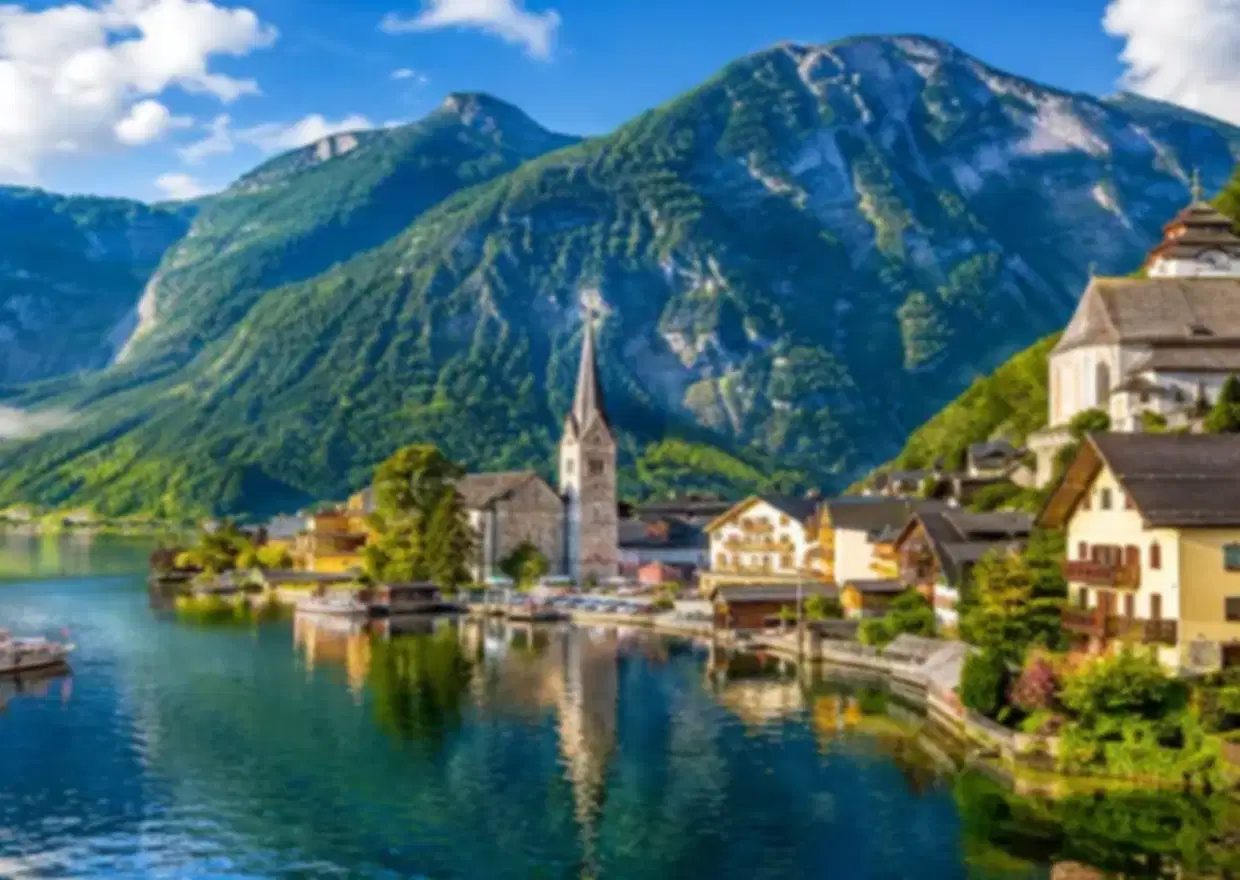
Europe may be the world’s second-smallest continent, but it packs an unmatched punch when it comes to history, culture, and diversity. From the sun-drenched beaches of the Mediterranean to the dramatic fjords of Scandinavia, the countries in Europe offer an endless array of experiences for travellers, historians, and culture enthusiasts alike. Because the continent is so compact, finding the right Europe tour packages is the easiest way to experience new languages, traditions and culinary landscapes in a single trip.
Whether you want to explore ancient Roman ruins, hike through pristine alpine peaks, or wander through fairytale villages, there is an itinerary tailored for every bucket list. In this comprehensive Europe guide, we will break down the distinct regions of the continent, highlight must-visit nations, and help you choose the best travel options to plan your ultimate European adventure.
What are the best countries in Europe to visit in 2026
| Country | Best for | Ideal months | Ideal duration | Indicative budget per person/day |
| France | Romance, art and culture | April–June, September | 3–5 days | €90–€145 (₹9,588–₹15,447) |
| Spain | Beaches, nightlife and culture | April–June | 4–5 days | €100–€165 (₹10,653–₹17,577) |
| Italy | History, food and architecture, Budget travel | April–June | 6–8 days | €80–€135 (₹8,522–₹14,382) |
| Portugal | coastal beauty | March–May | 3–4 days | €85–€140 (₹9,055–₹14,914) |
| Greece | Islands, sunsets and honeymoons, Budget travel | May–September | 4–6 days | €80 to €180 (~₹8,522 – ₹19,175) |
| Croatia | Beaches and historic coastal towns | May–September | 2–4 days | €100–€160 (₹10,653–₹17,045) |
| Germany | Castles, culture and road trips | May–September | 3–4 days | €105–€165 (₹11,186–₹17,577) |
| Austria | Alpine views, music and charming towns | May–September | 2–3 days | €110–€180 (₹11,718–₹19,175) |
| Ireland | Cliffs, countryside and road trips | June–September | 3–5 days | €110–€180 (₹11,718–₹19,175) |
| Czech Republic | Budget travel and medieval architecture | April–June | 2–3 days | 1,800–3,000 Kč (₹7,866–₹13,110) |
| Netherlands | Canals, museums and tulip fields | April–May | 2–3 days | €120–€200 (₹12,784–₹21,306) |
| Sweden | Nordic experiences and nature | June–August | 2–3 days | 1,200–2,000 SEK (₹11,448–₹19,080) |
| Belgium | Medieval towns, food and architecture | May–September | 2–3 days | €100–€160 (₹10,653–₹17,045) |
| Switzerland | Mountains, scenic trains and lakes | June–September | 3–5 days | CHF 180–300 (₹20,549–₹34,248) |
How to Choose the Right Countries in Europe
Before finalising your itinerary, pick countries based on your travel goals:
- First-time travellers: France, Italy, Switzerland
- Honeymoon: France, Switzerland, Greece
- Budget travel: Czech Republic, Italy, Greece
- Party & nightlife: Spain, Netherlands
Tip: Most travellers combine 2–3 countries through well-planned Europe trip packages to maximise time and minimise travel fatigue.
Do Indians Need a Visa for Visiting Countries in Europe
Yes, Indian passport holders generally need a visa to visit European countries for tourism. The visa type, application fee, processing time and permitted duration of stay depend on the destination.
For most popular destinations, such as France, Italy, Switzerland, Spain and Germany, Indian travellers can apply for a Schengen visa. However, countries such as the UK and Ireland have separate visa requirements, and a Schengen visa alone does not grant entry to every European country.
| Visa type | Countries covered | Approximate visa fee | Processing time | Permitted stay |
| Schengen visa | France, Italy, Spain, Switzerland, Germany, Portugal, Greece, Austria, Netherlands, Sweden, Belgium, Croatia, Czech Republic and other Schengen countries | €90 (₹9,588) for adults | Usually 15 days; may extend to 45 days | Up to 90 days within 180 days |
| UK Standard Visitor visa | England, Scotland, Wales and Northern Ireland | ₹17,955 | Usually 3 weeks | Generally up to 6 months per visit |
| Ireland Short Stay ‘C’ visa | Ireland | €60 (approximately ₹6,600) for single entry; €100 (approximately ₹11,000) for multiple entry | Usually around 8 weeks | Generally up to 90 days, subject to permission granted |
Fees are indicative and may change. Visa application centre charges, courier fees, insurance and other expenses may be additional. Processing times are estimates, not guarantees.
Documents Required for a Europe Tourist Visa for Indians
For a Schengen visa:
- Valid passport with at least two blank pages.
- Completed visa application form and recent photographs.
- Flight itinerary and accommodation bookings.
- Travel medical insurance with minimum €30,000 coverage.
- Recent bank statements and proof of sufficient funds.
- Salary slips, employment letter or business documents.
- Cover letter explaining the travel purpose and itinerary.
- Proof of residence in India, if requested.
- Biometrics, including fingerprints, where applicable.
For other European visas: The UK and Ireland generally require separate applications, along with passport details, financial proof, travel plans, accommodation details and evidence of ties to India.
Note: Document requirements vary by country and applicant. Check the relevant embassy’s official checklist before applying.
Top 14 European Countries to Visit
1. France

France is a destination of distinct regional experiences, from Parisian landmarks and world-famous art collections to Mediterranean beaches and medieval coastal villages. In Paris, visitors can admire the Eiffel Tower, explore the Louvre Museum and wander through Montmartre’s artistic streets. Beyond the capital, the Palace of Versailles offers a glimpse into royal history, while the French Riviera draws travellers with its coastal scenery, beaches and charming towns such as Nice.
For a first-time visit, plan 3–4 days in Paris to cover the major attractions without rushing. Add extra days for the French Riviera if you want to explore Nice, Cannes and nearby coastal towns. Mont-Saint-Michel is another memorable stop, but it involves a long day trip from Paris, so an overnight stay nearby may be more comfortable.
Popular attractions: Eiffel Tower, Louvre Museum, Palace of Versailles, Mont-Saint-Michel, Notre-Dame Cathedral and the French Riviera.
- Best for: Romance, art, culture and architecture
- Top cities: Paris, Nice and Lyon
- Ideal duration: 3–5 days
- Best time: April–June and September
- Average budget: €90–€145 (₹9,588–₹15,447) per person/day, excluding international flights
2. Spain
If you’re looking for a beach holiday, Spain has a few of the best beaches in the world. You can explore the country’s vibrant culture and history by visiting its many cities, from the medieval streets of Toledo to the modern art galleries of Barcelona. This should make you add Spain to your Europe itinerary.
And don’t forget to visit some of the country’s stunning festivals – from the Running of the Bulls in Pamplona to the Semana Santa celebrations in Seville.
Popular attractions: The Alhambra in Granada, the Sagrada Familia in Barcelona, the Prado Museum in Madrid, Park Güell in Barcelona, and the Alcazar of Seville are among Spain’s most popular attractions.
- Best for: Beaches, nightlife and culture
- Top cities: Barcelona, Madrid and Seville
- Ideal duration: 4–5 days
- Best time: April–June
- Average budget: €100–€165 (₹10,653–₹17,577) per person/day, excluding international flights
3. Italy
Italy is known for its ancient Roman landmarks, Renaissance art, scenic coastlines and world-famous cuisine. Explore the Colosseum in Rome, admire Renaissance masterpieces in Florence and enjoy gondola rides along Venice’s canals. Beyond these cities, the Amalfi Coast offers colourful seaside villages, while Tuscany is famous for its rolling hills and vineyards.
For a convenient route, travel from Rome → Florence → Venice by high-speed train. Allow 2–3 days in Rome, 2 days in Florence and 2 days in Venice. A relaxed trip requires at least 6–8 days. Visit during April–June or September–October to avoid the intense July–August heat. Venice may charge day visitors an access fee on selected dates, so check official rules before travelling.
Popular attractions: Colosseum, Roman Forum, Florence Cathedral, Grand Canal, St Mark’s Square and the Amalfi Coast.
- Best for: History, food and architecture
- Top cities: Rome, Florence and Venice
- Ideal duration: 6–8 days
- Best time: April–June
- Average budget: €80–€135 (₹8,522–₹14,382) per person/day, excluding international flights
4. Portugal
Portugal combines historic cities, Atlantic beaches, colourful architecture and scenic wine regions. Explore Lisbon’s traditional neighbourhoods, visit the fairytale palaces of Sintra, unwind along the Algarve’s golden coastline and discover the vineyards of the Douro Valley near Porto. The country is an appealing choice for travellers seeking culture, coastal experiences and regional cuisine.
For a 3–4-day trip, focus on Lisbon and a day trip to Sintra. The Algarve and Douro Valley are in different regions and deserve additional time, so allow around 7–10 days to explore all four destinations without rushing. March–May is pleasant for city sightseeing, while June–September is generally better for beach holidays, with warmer weather and busier coastal resorts.
Popular attractions: Belém Tower, Lisbon’s Alfama district, Pena Palace in Sintra, Algarve beaches and the Douro Valley.
- Best for: Budget travel and coastal beauty
- Top cities: Lisbon and Porto
- Ideal duration: 3–4 days
- Best time: March–May
- Average budget: €85–€140 (₹9,055–₹14,914) per person/day, excluding international flights
5. Greece
Greece offers a mix of ancient landmarks, whitewashed island villages, turquoise waters and Mediterranean cuisine. Explore the Acropolis in Athens, watch the sunset over Santorini’s caldera, enjoy Mykonos’s lively beach clubs or discover Crete’s archaeological sites, mountain villages and beautiful beaches. Each island offers a different experience, making it important to choose destinations based on your travel style.
Choose Santorini for romantic sunsets and caldera views, Mykonos for nightlife and beach clubs, or Crete for history, varied landscapes and longer beach holidays. Ferries between islands can take anywhere from around 2–5 hours or longer, depending on the route and vessel. Summer, especially July and August, brings peak crowds, higher prices and limited availability, so book transport and accommodation early. Allow 4–6 days for Athens and one island, with extra days for island hopping.
Popular attractions: Acropolis of Athens, Santorini’s Oia village, Mykonos windmills, Crete’s Knossos Palace and Delphi’s ancient ruins.
- Best for: Islands, sunsets and honeymoons
- Top places: Athens, Santorini, Mykonos and Crete
- Ideal duration: 4–6 days
- Best time: May–September
- Average budget: €80–€135 (₹8,522–₹14,382) per person/day, excluding international flights
6. Croatia
Croatia is a popular European destination known for its Adriatic coastline, historic towns, island escapes and spectacular national parks. Explore Dubrovnik’s medieval city walls, discover Diocletian’s Palace in Split, admire the waterfalls of Plitvice Lakes National Park and relax on Hvar’s beaches. Croatia adopted the euro and joined the Schengen Area on 1 January 2023, making travel within the Schengen zone more convenient for eligible visitors.
A short 2–4-day trip is best spent exploring Dubrovnik or Split rather than rushing between multiple regions. To cover Dubrovnik, Split, Plitvice Lakes and Hvar comfortably, plan at least 6–8 days, allowing time for transfers and island connections. May–June and September are excellent for sightseeing and pleasant coastal weather, while July and August bring warmer sea temperatures and larger crowds.
Popular attractions: Dubrovnik Old Town, Plitvice Lakes National Park, Diocletian’s Palace, Hvar Island and the Dalmatian coast.
- Best for: Beaches and historic coastal towns
- Top cities: Dubrovnik and Split
- Ideal duration: 2–4 days
- Best time: May–September
- Average budget: €100–€160 (₹10,653–₹17,045) per person/day, excluding international flights
7. Germany
From the picturesque Rhine Valley to the scenic Black Forest, Germany offers a mix of natural beauty, historic towns and cultural experiences. Explore Berlin’s museums and galleries, or take a day trip to Rothenburg ob der Tauber and Heidelberg to discover their charming streets and historic architecture.
The best time to visit Germany is May–September for pleasant weather and sightseeing. If you want to experience Oktoberfest, plan your trip for its scheduled dates, which may extend into early October.
Popular attractions: Germany boasts a diverse array of attractions, including the iconic Brandenburg Gate, the fairytale-like Neuschwanstein Castle, the historic Cologne Cathedral, the bustling Oktoberfest in Munich, and the picturesque Rhine Valley.
- Best for: Castles, culture and road trips
- Top cities: Munich and Berlin
- Ideal duration: 3–4 days
- Best time: May–September
- Average budget: €105–€165 (₹11,186–₹17,577) per person/day, excluding international flights
8. Austria
One of the most beautiful countries in Europe is Austria. It is well-known for its breathtaking mountain views, picturesque towns, and incredible cultural attractions.
Travellers in Austria have the option to discover the magnificent Alps, wander around the ancient city of Vienna, or tour one of the numerous castles and palaces in the country. In addition, Austria has a wide variety of culinary treats to enjoy, such as schnitzel, strudel, and wurst.
Popular attractions: Explore the majestic Schönbrunn Palace, the historic city of Salzburg, the picturesque Hallstatt village, and the stunning landscapes.
- Best for: Alpine views, music and charming towns
- Top cities: Vienna and Salzburg
- Ideal duration: 2–3 days
- Best time: May–September
- Average budget: €110–€180 (₹11,718–₹19,175) per person/day, excluding international flights
9. Ireland
Ireland is known as the “Emerald Isle” for its lush green landscapes, dramatic cliffs and charming countryside. Nature lovers can explore the Cliffs of Moher, drive along the scenic Ring of Kerry and discover the lakes and mountains of Connemara. In Dublin, visit historic landmarks such as Dublin Castle, Trinity College and the famous Guinness Storehouse.
Ireland is not part of the Schengen Area, so Indian travellers generally need a separate Irish visa.
Popular attractions: Cliffs of Moher, Dublin Castle, Trinity College, Temple Bar, Ring of Kerry and Kylemore Abbey.
- Best for: Cliffs, countryside and road trips
- Top cities: Dublin and Galway
- Ideal duration: 3–5 days
- Best time: June–September
- Average budget: €110–€180 (₹11,718–₹19,175) per person/day, excluding international flights
10. Czech Republic
The Czech Republic is a wonderful destination for travellers and one of the cheapest countries in Europe.
It offers something for everyone, from grand castles to charming old towns. Prague, with its beautiful architecture, world-famous beer, and delicious traditional Czech cuisine, is a favourite among tourists.
Popular attractions: marvel at the medieval charm of the Prague Castle, wander through the fairytale streets of Český Krumlov, and unwind in the thermal springs of Karlovy Vary.
- Best for: Budget travel and medieval architecture
- Top city: Prague
- Ideal duration: 2–3 days
- Best time: April–June
- Average budget: 1,800–3,000 Kč (₹7,866–₹13,110) per person/day, excluding international flights
11. Netherlands
The countryside of the Netherlands is full of charming villages, tulip fields, and windmills. Among the activities available are biking, kayaking, and visiting the North Sea dunes.
The Dutch cuisine is really delicious, and dishes like herring, bitterballen, and stroopwafels are among the favourites.
Popular attractions: Must-visit places in the Netherlands are the historic Anne Frank House, the iconic windmills of Kinderdijk, the vibrant tulip fields of Keukenhof Gardens, and the world-renowned art collection at the Rijksmuseum.
- Best for: Canals, museums and tulip fields
- Top cities: Amsterdam and Rotterdam
- Ideal duration: 2–3 days
- Best time: April–May
- Average budget: €120–€200 (₹12,784–₹21,306) per person/day, excluding international flights
12. Sweden
Sweden offers two distinct travel experiences, from sunlit summer days and coastal escapes to snowy Arctic landscapes and Northern Lights adventures. During summer (June–August), explore Stockholm’s archipelago, visit Gothenburg’s waterfront and discover the medieval town of Visby. Winter (December–March) is ideal for travelling to Swedish Lapland, spotting the Northern Lights in Abisko and staying at the famous Icehotel in Jukkasjärvi.
In Stockholm, explore Gamla Stan (Old Town), visit the Vasa Museum and discover Sweden’s Viking heritage and Scandinavian culture. Choose summer for city sightseeing, island excursions and outdoor activities, or winter for snow-covered scenery and Arctic experiences.
Popular attractions: Gamla Stan, Vasa Museum, Stockholm’s archipelago, Abisko National Park, the Icehotel in Jukkasjärvi and Visby.
- Best for: Nordic culture, nature, island escapes and Northern Lights experiences
- Top cities: Stockholm and Gothenburg
- Ideal duration: 2–3 days for a city break; 5–7 days for a winter Northern Lights trip
- Best time: June–August for summer sightseeing; December–March for winter experiences
- Average budget: 1,200–2,000 SEK (₹11,448–₹19,080) per person/day, excluding international flights
13. Belgium
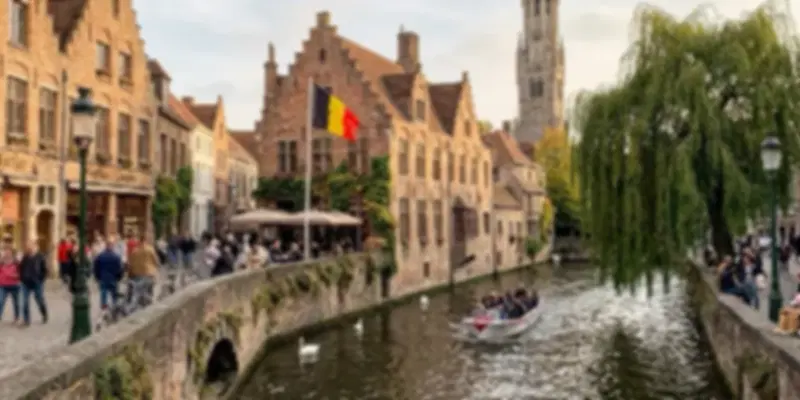
Exploring Belgium is an unparalleled experience due to its variety of activities and attractions to discover. Tourists have the opportunity to explore Brussels, the capital city, and admire its stunning architecture while also trying some of its renowned Belgian waffles and beer.
Additional well-liked points of interest include the historical towns of Bruges, Ghent, and Antwerp, along with the picturesque Ardennes area.
Popular Attractions: The Grand Place, Atomium, Manneken Pis, Ghent’s Gravensteen Castle, and Bruges’ medieval architecture stand among Belgium’s must-see attractions.
- Best for: medieval towns, food and architecture
- Top cities: Brussels and Bruges
- Ideal duration: 2–3 days
- Best time: May–September
- Average budget: €100–€160 (₹10,653–₹17,045) per person/day, excluding international flights
14. Switzerland
Switzerland is known for its snow-capped Alps, turquoise lakes, scenic train journeys and charming mountain villages. From exploring Lake Geneva and spotting the Matterhorn in Zermatt to visiting the famous Jungfraujoch, the country offers a mix of outdoor adventures and picturesque landscapes. Travellers can also explore Château de Chillon, hike through the Swiss National Park or enjoy a boat ride across Lake Lucerne.
For a convenient stay, Lucerne is ideal for lake cruises, historic attractions and mountain excursions, while Interlaken is a great base for exploring the Jungfrau region, including Grindelwald, Lauterbrunnen and Jungfraujoch. The Swiss Travel Pass offers unlimited travel on many trains, buses and boats, along with access to selected museums. Mountain excursions may require separate tickets or discounted add-ons, so check the coverage before purchasing.
Popular attractions: Matterhorn, Lake Geneva, Jungfraujoch, Château de Chillon, Swiss National Park and Lake Lucerne.
- Best for: Mountains, scenic trains and lakes
- Top cities and bases: Lucerne, Interlaken and Zermatt
- Ideal duration: 3–5 days
- Best time: June–September
- Average budget: CHF 180–300 (₹20,549–₹34,248) per person/day, excluding international flights
Best Country Combinations in Europe
Choosing the right combination is key to a smooth trip:
- France + Switzerland + Italy → Most popular first-time route
- Spain + Portugal → Budget + culture combo
- Austria + Germany + Czech Republic → Scenic + historic
These routes are best experienced through expertly curated Europe honeymoon tour packages that optimise travel time.
Cost Comparison by Country in Europe
| Country | Cost Level |
| Switzerland | High |
| France | Medium-High |
| Italy | Medium |
| Spain | Medium |
| Portugal | Budget |
| Czech Republic | Budget |
If you are looking for diversity, culture, and unforgettable experiences, choosing the right destinations is key to planning the perfect trip. Whether you prefer iconic cities, scenic landscapes, or budget-friendly escapes, Europe has something for every traveller. The easiest way to explore multiple destinations is through customised Europe tour packages, which help you cover the best countries efficiently while saving time and effort.
Which European Country Should You Visit?
The best European country to visit depends on your budget, travel style and the experiences you want from your holiday. France, Italy and Switzerland are popular choices for first-time travellers, while Portugal and the Czech Republic are worth considering for budget-conscious trips. Use this comparison to shortlist destinations before planning your itinerary.
| Traveller type | Best countries | Why visit? |
| First-time visitors | France, Italy, Switzerland | Iconic landmarks, scenic train journeys and varied experiences |
| Couples and honeymooners | France, Greece, Switzerland | Romantic cities, island sunsets and mountain scenery |
| Families | Germany, Austria, Netherlands | Castles, museums, family attractions and convenient transport |
| Budget travellers | Portugal, Czech Republic | Historic towns, local cuisine and opportunities to manage costs |
| Nature lovers | Switzerland, Sweden, Croatia | Alpine landscapes, forests, lakes and coastal scenery |
| History enthusiasts | Italy, Greece, Germany | Ancient ruins, historic cities and architectural landmarks |
| Food lovers | Italy, France, Spain | Regional cuisine, traditional markets and distinctive food cultures |
| Beach lovers | Greece, Croatia, Portugal | Mediterranean islands, coastal towns and Atlantic beaches |
| Nightlife seekers | Spain, Greece, Netherlands | Lively cities, beach clubs and late-night entertainment |
Choose two or three countries with convenient transport connections rather than trying to cover too much in one trip.
Best European Countries for Indian Travellers
For Indian travellers, choosing a European destination involves more than sightseeing. Visa requirements, daily expenses, food preferences, currency and flight connections can all influence the experience.
Visa requirements for Indian passport holders
Most of the destinations, including France, Italy, Spain, Portugal, Greece, Croatia, Germany, Austria, the Netherlands, Sweden, Belgium, Switzerland and the Czech Republic, are part of the Schengen Area. Indian passport holders generally need a Schengen visa for short tourist visits. Ireland is outside the Schengen Area and has separate visa requirements.
A Schengen short-stay visa generally permits visits of up to 90 days within any 180-day period across the Schengen Area, subject to the visa conditions. Apply through the relevant country’s official visa process, usually the country where you will spend the longest time.
Currency and approximate daily costs
Most countries in this guide use the euro, while Switzerland, Sweden and the Czech Republic use different currencies. The following figures are indicative daily budgets per person, excluding international flights, based on the estimates in this guide.
| Country | Currency | Approximate daily budget |
| France | Euro (€) | ₹9,588–₹15,447 |
| Italy | Euro (€) | ₹8,522–₹14,382 |
| Portugal | Euro (€) | ₹9,055–₹14,914 |
| Spain | Euro (€) | ₹10,653–₹17,577 |
| Switzerland | Swiss franc (CHF) | ₹20,549–₹34,248 |
| Sweden | Swedish krona (SEK) | ₹11,448–₹19,080 |
| Czech Republic | Czech koruna (Kč) | ₹7,866–₹13,110 |
These are planning estimates, not guaranteed prices.
Food preferences for Indian travellers
Indian travellers can find vegetarian restaurants and Indian dining options in major cities such as Paris, Amsterdam, Rome and Berlin. Availability may be more limited in small towns and rural areas, so research restaurants before travelling.
Vegetarian travellers can look for pasta without meat, vegetable-based dishes, salads, soups and local vegetarian specialities. However, check ingredients carefully, as some dishes contain meat stock, fish sauce, gelatine or animal-derived fats. Vegan and Jain travellers should communicate their dietary requirements clearly.
Planning flights and transport from India
Delhi and Mumbai offer convenient international connections to major European destinations, while travellers departing from other Indian cities may need connecting flights. Compare fares based on your travel dates, baggage allowance, arrival airport and total journey time.
Once in Europe, high-speed trains are useful for routes such as Paris–Amsterdam, Rome–Florence and Vienna–Munich. Book popular routes early, especially during summer. For island destinations such as Greece and Croatia, account for ferry schedules and transfers when planning your itinerary.
Multi-Country Europe Itinerary: 10 Days Across 3 Countries
Explore France, Switzerland and Italy in 10 days with a mix of iconic landmarks, Alpine scenery, scenic train journeys and historic cities.
Day-by-day itinerary
Days 1–3: Paris, France
- Visit the Eiffel Tower and Louvre Museum.
- Explore Notre-Dame Cathedral and Montmartre.
- Enjoy an evening walk along the Seine.
- Take a day trip to the Palace of Versailles if time permits.
Days 4–5: Lucerne, Switzerland
- Travel from Paris to Lucerne by train.
- Explore Chapel Bridge, Lucerne Old Town and Lake Lucerne.
- Take a mountain excursion to Mount Titlis or Mount Pilatus.
- Check mountain transport costs before purchasing a Swiss Travel Pass.
Days 6–7: Rome, Italy
- Explore the Colosseum and Roman Forum.
- Visit the Trevi Fountain and Pantheon.
- Discover Vatican City and St Peter’s Basilica.
- Book timed-entry tickets for popular attractions in advance.
Day 8: Florence, Italy
- Visit Florence Cathedral and Piazza della Signoria.
- Walk across Ponte Vecchio.
- Explore Renaissance architecture and local Tuscan cuisine.
- Travel to Venice by high-speed train.
Days 9–10: Venice, Italy
- Explore St Mark’s Square and Doge’s Palace.
- Visit Rialto Bridge and the Grand Canal.
- Enjoy a gondola ride or visit Murano and Burano.
- Depart from Venice on Day 10 and check any applicable visitor access fees.
Tips for Visiting Countries in Europe
- Travel during shoulder season: April–June and September–October can offer pleasant weather and fewer crowds, depending on the destination.
- Book popular attractions early: Reserve timed-entry tickets for places such as the Eiffel Tower, Louvre Museum and major museums to avoid disappointment.
- Choose the right SIM card or eSIM: Consider an international eSIM or a local SIM card for mobile data, navigation, messaging and bookings. Check whether your phone supports eSIM and compare data allowances, validity and prices before purchasing.
- Check mobile connectivity: EU roaming rules generally allow residents of participating EU countries to use their domestic plans across the EU, subject to fair-use policies. However, Indian SIM cards and plans do not automatically receive free EU roaming. Switzerland is not covered by the standard EU roaming rules, so check your provider’s coverage and charges separately.
- Download offline maps: Save Google Maps areas, train tickets, hotel details and important travel documents for offline access, especially when travelling through mountains or rural regions with weak signals.
- Apply for your visa early: Indian travellers should start preparing 2–3 months before departure, especially during peak travel seasons. Check appointment availability through the relevant embassy or authorised visa application centre as early as possible.
- Prepare for biometric border checks: The EU Entry/Exit System (EES), fully operational from 10 April 2026, digitally records the entry and exit details of eligible non-EU short-stay travellers, including facial images and fingerprints. Allow extra time for immigration checks and follow border officials’ instructions.
- Compare forex cards: Check exchange rates, loading fees, reload charges and ATM withdrawal fees before choosing a forex card for your trip.
- Carry some local currency: Keep a small amount of cash for markets, tips and businesses that may not accept cards. Most countries in this guide use euros, while Switzerland, Sweden and the Czech Republic use Swiss francs, Swedish kronor and Czech koruna, respectively.
Conclusion
Europe is a destination that never stops inspiring. Whether you are drawn to the romantic streets of France, the historic wonders of Italy, the alpine beauty of Switzerland or the budget-friendly charm of Portugal, the best countries in Europe offer something unique. With excellent connectivity, diverse cultures, and iconic attractions, travellers can also combine multiple destinations into one unforgettable journey. Before booking, check on your travel style, budget, and the experiences you want most and start planning a seamless European adventure.
FAQs
1. How many European countries should I visit in one trip?
For a 7–10-day Europe trip, visiting 2–3 countries is ideal. This allows enough time to explore major attractions without rushing. For a 12–15-day holiday, you can comfortably visit 2–3 countries with additional cities and day trips, depending on your travel pace and transport connections.
2. Which are the cheapest countries to visit in Europe?
Portugal and the Czech Republic are good options for budget-conscious travellers. Portugal offers historic cities, coastal scenery and local cuisine, while the Czech Republic is known for Prague’s medieval architecture and cultural attractions. Your overall costs will depend on accommodation, transport, dining and the season of travel.
3. Which European countries are best for first-time travellers?
France, Italy and Switzerland are popular choices for first-time visitors. France offers iconic landmarks and art, Italy is known for its history and cuisine, and Switzerland attracts travellers with its Alpine landscapes, scenic train journeys and lakes. Combining these three countries creates a varied Europe itinerary.
4. Do I need a separate visa for each European country?
No, Indian passport holders generally do not need separate visas for each country within the Schengen Area. A valid Schengen short-stay visa can cover visits to multiple Schengen countries, subject to its conditions and the permitted duration of stay. However, destinations outside the Schengen Area, such as Ireland and the UK, have separate visa requirements.
5. What is the best Europe itinerary for first-time travellers?
A popular route is France–Switzerland–Italy. You can explore Paris in France, enjoy scenic lakes and mountain views in Switzerland, and discover historic landmarks in Italy. Allow around 10–15 days to experience these destinations at a comfortable pace, including travel time between countries.
6. Is Europe expensive for Indian travellers?
Europe can be expensive, but costs vary by destination and travel style. Europe’s daily travel costs range from around ₹7,866–₹14,914 in budget-friendly destinations such as the Czech Republic, Italy, Greece and Portugal to ₹20,549–₹34,248 in Switzerland. France, Spain, Germany, Croatia and Belgium are generally mid-range, while Sweden, Austria, Ireland and the Netherlands can be costlier. These estimates exclude flights and visa fees. To save money, travel during shoulder season, book accommodation early and consider more affordable destinations.
7. Which Indian cities have direct or convenient flights to Europe?
Delhi and Mumbai offer convenient international connections to major European destinations. Travellers departing from other Indian cities may find direct or connecting flights depending on the destination, airline and travel dates. Compare total journey time, airfare, baggage allowance and arrival airport before booking.
8. Is the cost of a Europe tour package different for each departure city?
Yes, Europe tour package prices can vary depending on the departure city, flight availability, travel dates and connections. Travellers departing from Delhi or Mumbai may have more flight options, while those flying from other Indian cities may need connecting flights. Compare complete package inclusions rather than airfare alone.
9. Which departure city offers the cheapest Europe tour packages?
There is no single departure city that is always the cheapest. Delhi and Mumbai offer extensive international connectivity, but fares from Bengaluru, Chennai, Hyderabad, Pune and Ahmedabad can also be competitive. Compare prices for your travel dates and book early to find suitable options.
10. How early should I book a Europe tour package from India?
Booking 3–6 months before departure is a useful planning guideline, especially for summer travel between June and August and the Christmas and New Year holidays. Early planning gives you more time to compare flights, choose accommodation and arrange visa appointments. Apply according to the relevant embassy’s current requirements and appointment availability.
11. Which are the most expensive countries in Europe for tourists?
Switzerland is among the more expensive destinations in this guide, particularly for accommodation, dining and mountain excursions. France and the Netherlands can also be costly in popular cities and during peak season. Portugal and the Czech Republic are worth considering if you want to manage your daily travel budget.
12. Which European countries are best for a honeymoon?
France, Switzerland and Greece are popular honeymoon destinations. France offers romantic cities and cultural experiences, Switzerland is ideal for mountain scenery and scenic train journeys, and Greece is known for island sunsets and coastal stays. Choose based on your preferred experiences, travel dates and budget.
13. Which European countries are good for vegetarian and Jain travellers?
Major cities in France, Italy, the Netherlands and Germany offer vegetarian restaurants and Indian dining options. However, availability can be more limited in smaller towns. Vegetarian and Jain travellers should check ingredients carefully, as soups, sauces and other dishes may contain meat stock, fish sauce or animal-derived ingredients. Inform restaurants about dietary requirements before ordering.
14. Which European countries are safest for tourists?
Safety varies by city, neighbourhood and travel situation. Research your destinations before departure, use reputable transport services, safeguard your belongings in crowded tourist areas and follow local travel advisories. Check official guidance for each country rather than assuming that one destination is universally safer than another.
15. When should I book a Europe trip from India?
Book around 3–6 months in advance when possible, particularly for summer holidays and festive travel. April–June and September–October can be suitable shoulder-season periods in many destinations, although weather and peak dates vary by country. Compare flight and hotel prices before confirming your itinerary.
16. What should I pack for Europe in each season?
For spring, pack layers, a light waterproof jacket and comfortable walking shoes. Summer calls for breathable clothing, sun protection and suitable footwear. In autumn, carry layers and rain protection, while winter travel may require thermal wear, a warm coat, gloves and waterproof shoes. Check the forecast for each destination, especially if your itinerary includes Alpine regions.
17. Will my Indian SIM work in Europe?
Your Indian SIM may work in Europe if international roaming is enabled and your operator supports the destination. Roaming charges and data allowances vary by plan. You can also compare international roaming packs, local SIM cards and eSIMs before departure. Check coverage and charges separately for Switzerland, as standard EU roaming rules do not automatically apply there.

Recommended articles for you


Discover Packages



Europe City Packages
Packages By Departure City
Packages By Theme
Packages By Duration
Europe Combo Packages
Europe Nearby Destinations

Need help in planning?
Talk to our Travel Experts