
Best Time to Visit Bali in 2026: Weather, Seasons & Travel Guide
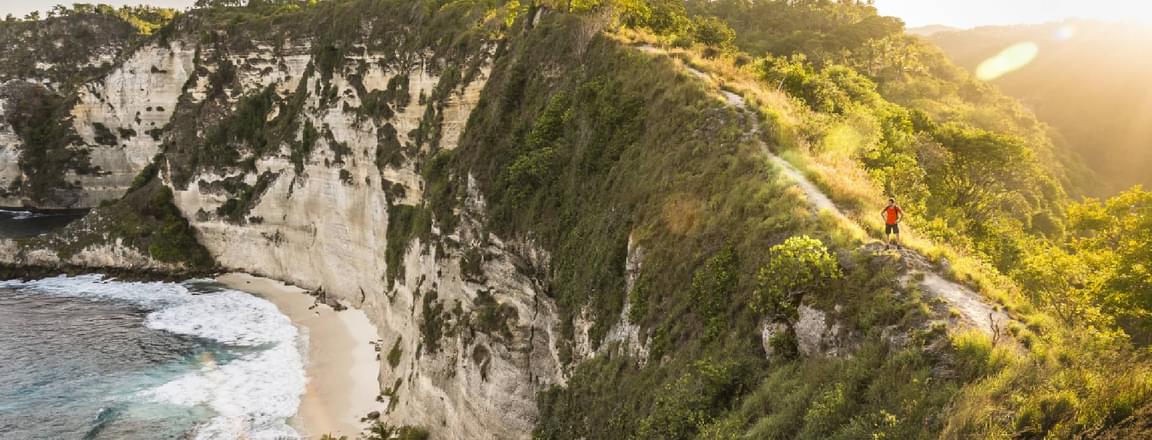
Planning a Bali trip but not sure which month to choose? The best time to visit Bali is generally from April to October, when the island has its drier season and better conditions for beaches, sightseeing and outdoor activities.
Most travellers think Bali is beautiful throughout the year. They are absolutely right, but the island offers a completely different experience in every season you visit. So, your best time to visit Bali ultimately depends on what you want. This guide covers Bali weather by season and month, peak and low seasons, the best time for beaches, surfing, honeymoon trips and family holidays, plus useful information for Indian travellers planning a Bali trip in 2026.
Best Time to Visit Bali at a Glance
Travel goal | Recommended time | What to expect |
| Best overall weather | May to September | Drier days and good conditions for outdoor activities |
| Best balance of weather and crowds | May, June and September | Dry-season conditions without the busiest peak |
| Best for beaches | April to October | Generally drier weather and better outdoor conditions |
| Best for hiking | May to September | Drier trails and clearer views are generally more favourable |
| Best for fewer crowds | April to June and September to October | Shoulder-season travel can be less busy |
| Best for budget-conscious travellers | Wet season | Rain is more likely, but you may find better-value stays |
| Best for honeymoon | May, June, September and October | Good mix of outdoor weather and travel flexibility |
| Busiest period | July, August and Christmas–New Year | Higher travel demand around popular holiday periods |
Bali Weather: Dry Season vs Wet Season

Bali is warm and humid throughout the year, but rainfall changes considerably between the two main seasons. The island generally experiences a dry season and a rainy season, although the exact weather can vary by location and year.
Dry Season in Bali: April to October
The dry season starts from April in Bali. During these months, the island usually sees clearer skies, lower rainfall, and better conditions for outdoor travel. This makes it the best time to visit Bali.
Weather Conditions: Temperatures usually stay between 24°C and 31°C in coastal areas. Even though Bali stays warm throughout the year, the dry season often feels more comfortable because the humidity is lower.
Activities and Highlights
- Explore rice terraces in Ubud
- Visit beaches in Seminyak and Nusa Dua
- Watch sunset views in Uluwatu
- Enjoy island trips to Nusa Penida
- Try surfing in Canggu
- Take scenic café and resort stays
If you are unsure where to start, a well-planned 4-night Bali sightseeing itinerary covers the highlights from Uluwatu and Kuta to Nusa Penida, making it a popular choice for first-time visitors during the dry season.
NOTE: May through June also marks some of the best conditions for a day trip to Nusa Penida, where the ocean is calmer, and visibility for snorkelling is at its clearest.
Wet Season in Bali: November to March

The wet season in Bali usually runs from November to March. During this period, the island experiences tropical rainfall, higher humidity, and greener scenery. Rainfall often comes in short but heavy bursts, especially during afternoons or evenings. However, December to February can sometimes experience longer and heavier downpours compared to other wet-season months.
Weather Conditions: Temperatures usually remain between 26°C and 31°C with humid weather across most parts of the island.
Activities and Highlights
- Spa and wellness experiences
- Relaxing villa stays
- Explore the best cafes in Ubud and Canggu
- Waterfall visits
- Budget-friendly luxury stays
Best Time to Visit Bali for Different Experiences
There is no single month that is perfect for every Bali package. The right time depends on what you plan to do.
1. Best Time to Visit Bali for Beaches
- April to October is generally a good period for a beach-focused Bali holiday because the weather is typically drier.
- July and August are especially popular, but they can also be busy.
- If you want a balance between beach weather and fewer crowds, consider May, June or September.
2. Best Time to Visit Bali for Surfing
- Surf conditions vary by coast and season, so surfers should choose their Bali destination as carefully as their travel month.
- The best conditions can differ between Bali's western and eastern coasts. If surfing is the main reason for your trip, check local surf forecasts for the specific beach before travelling.
3. Best Time to Visit Bali for Diving and Snorkelling
- The dry season is generally more convenient for planning water-based activities, but sea conditions can vary.
- If you are visiting places such as Nusa Penida or other offshore destinations, check local sea conditions before booking boat transfers. Weather can affect visibility, waves and boat operations.
4. Best Time to Visit Bali for Hiking
- May to September is generally a useful period for hiking because the drier weather can make trails easier to manage.
- For sunrise hikes such as Mount Batur, an early start is important regardless of the month. Cloud cover can also affect mountain views, so clear-weather forecasts matter more than simply choosing a particular month.
5. Best Time to Visit Bali for Waterfalls
- Bali's waterfalls are surrounded by lush tropical landscapes throughout much of the year. The wet season can make greenery more vibrant and increase water flow, but heavy rain can also make trails slippery.
6. Best Time for a Bali Honeymoon
- For a honeymoon, May, June, September and early October can be useful choices if you want a mix of relatively dry weather and outdoor experiences.
- These months can work well for beach days, private villa stays, sunset experiences, Ubud sightseeing, spa treatments, romantic dinners and day trips.
7. Best Time to Visit Bali for Families
- Families may find May, June or September convenient because these months can offer a good balance between outdoor weather and manageable travel conditions.
Travel Tip: If travelling with young children, avoid building your entire itinerary around outdoor activities. Include indoor attractions, cafés, cultural experiences and relaxed resort time as backup options.
8. Best Time to Visit Bali on a Budget
The wet season can be worth considering if your priority is keeping your trip flexible and avoiding the busiest travel periods.
Travel Tip: However, don't assume that every hotel or flight will always be cheaper in a particular month. Prices change according to demand, holidays, availability and booking dates.
Cheapest vs Most Expensive Time to Visit Bali
| Category | Months | Why |
| Cheapest | January–March | Rainy season and lower tourist demand |
| Moderate | April–June, September–October | Balanced weather and pricing |
| Expensive | July–August, late December | Peak tourism and holiday travel |
Important Bali Events to Plan Around
Bali’s festivals and cultural events can add something special to your trip, but they can also affect crowds, traffic and opening hours. If you are visiting, these are the key events to know before planning your itinerary.
Nyepi (Bali's Day of Silence)
Nyepi, also known as the Day of Silence, is one of Bali's most important Hindu observances. During this sacred festival, the island observes a strict 24-hour period of absolute silence, and all normal activities (including flights and business operations) stop completely.
TIP: Because Nyepi follows a lunar calendar, its exact date changes every year (usually falling in March). If you are visiting Bali during this time, check the specific dates for your travel year and confirm your hotel's internal arrangements and transport plans well in advance.
Tips for Planning a Bali Trip
- Check the weather forecast before booking activities that depend on outdoor conditions.
- Keep one or two flexible days in your itinerary during the wet season.
- Book hotels and flights early for July, August and Christmas–New Year.
- Check sea conditions before booking Nusa Penida or other boat trips.
- Start popular hikes early, especially during the dry season.
- Carry light rain protection even when travelling during the dry season.
- Avoid packing every day with outdoor activities.
- Check important cultural dates before finalising your travel dates.
- If travelling in March 2026, plan carefully around Nyepi on 19 March.
- Check Bali's official tourist information before travelling because entry, levy and local travel requirements can change.
Conclusion – Best Time to Visit Bali in 2026
Bali is a year-round destination, but your travel experience can change significantly depending on when you visit. May, June and September are practical choices for travellers looking for a balance of drier weather and manageable crowds, while July and August suit travellers who prioritise dry-season conditions. April to October is generally ideal for beaches, sightseeing, and island tours, while the wetter months offer greener landscapes, fewer crowds, and better hotel deals. For Indian travellers, the best Bali itinerary is less about finding one perfect month and more about matching your travel dates with weather, activities, budget and the type of holiday you want.
FAQs
1. What is the best month to visit Bali?
May, June and September are among the best months to visit Bali for a balance of dry weather, outdoor activities and manageable crowds. July and August are also dry but are usually busier.
2. What is the rainy season in Bali?
Bali's rainy season generally runs from November to March. These months bring higher humidity and more frequent rainfall, although showers can be brief and followed by clearer weather.
3. Is Bali worth visiting during the rainy season?
Yes, Bali is worth visiting during the rainy season. You can enjoy Ubud, cafés, spas, cultural attractions and resort stays between showers. Keep your itinerary flexible because heavy rain can affect outdoor activities and boat trips.
4. What is the cheapest time to visit Bali?
January to March can offer better-value travel to Bali because these months fall within the wetter season. However, flight and hotel prices vary by demand, holidays and availability, so compare prices for your travel dates.
5. When is Bali the least crowded?
April to June and September to October are generally good periods to find fewer crowds than the July–August peak. Popular attractions can still be busy, so visiting early in the day can help.
6. What is the best time to visit Bali for a honeymoon?
May, June, September and early October are good choices for a Bali honeymoon if you want relatively dry weather for beaches, sightseeing and outdoor experiences. Hotel prices and crowd levels can vary by travel dates.
7. What is the best time to visit Bali from India?
May, June and September are practical choices for Indian travellers who want generally drier weather and good conditions for sightseeing and outdoor activities. December is popular for winter holidays but can bring more rain and higher demand around Christmas and New Year.
8. What is the best time for a Bali trip with family?
May, June and September can be convenient months for a family trip because they generally offer drier weather for sightseeing and outdoor activities. Keep some indoor activities in your itinerary in case of rain.
9. Which months are best for island hopping in Bali?
May to September is generally a convenient period for island trips to places such as Nusa Penida because the weather is typically drier. However, sea conditions can change, so always check local boat schedules and weather updates.
10. How early should I book a Bali trip?
Book around two to three months ahead for July, August and the Christmas–New Year period. Popular hotels, villas and activities can fill up faster during these busy travel periods. For other months, booking earlier can still help you find better flight and hotel options.
11. What is the best time to visit Bali for beaches?
April to October is generally a good period for Bali beach trips because it falls within the drier part of the year. May, June, September and early October can offer a useful balance between beach-friendly weather and fewer crowds than July and August.
12. What is the best time for hiking in Bali?
May to September is generally a good period for hiking in Bali because the drier weather can make trails more comfortable. Start early in the day and check local weather conditions, especially before mountain hikes.
13. What is the best time to visit Bali for waterfalls?
The wetter months can be a good time to see Bali's waterfalls at their lushest. However, heavy rain can make trails slippery and affect access, so check local conditions before visiting.
14. Is Bali crowded in July and August?
Yes, July and August are among Bali's busiest travel months. The weather is generally dry, but popular areas and attractions can see more visitors, while hotels and activities may have higher demand.
15. What should I know about visiting Bali during Nyepi?
Nyepi, Bali's Day of Silence, is a major date to plan around because normal activities stop for 24 hours. On Nyepi, travellers should remain at their accommodation and plan flights, transport and sightseeing around the date. In 2026, Nyepi falls on 19 March.