
Japan in September: Weather, Festivals & Travel Guide
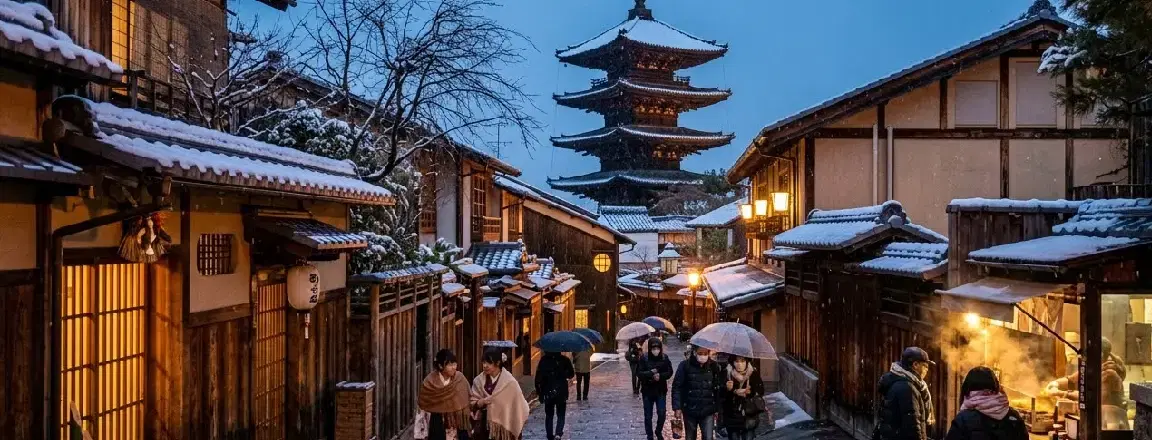
Japan in September is the transitional period from summer to autumn. This shoulder month offers pleasant weather, full cultural feasts, and only a few tourists compared to high season. September is a sweet spot for travellers in Japan tourism. The scorching summer sun dies, and the first signs of the autumn colours start to emerge in the north. Certain cultural festivals in Japan like the Kishiwada Danjiri Matsuri and Tokyo Game Show are memorable. This is your opportunity to have the best mix of comfortable conditions, cultural authenticity and value of money with this detailed guide.
Key Takeaways
- Weather: Temperatures range from 20°C to 30°C (68°F to 86°F) with lower humidity than summer months, though typhoon risk remains in early September
- Festivals: Well-known festivals are the Kishiwada Danjiri Matsuri, Tokyo Game Show and the sumo Autumn Basho.
- Crowds: There will be less traffic and more accommodation space than during the spring and the peak season.
- Value: More affordable flights and hotels than peak seasons, with better deals on JR passes and attraction tickets
- Foliage: Early autumn colours begin appearing in northern regions like Hokkaido by late September
September Weather in Japan: What Travellers Can Expect
September marks the transition from summer to autumn in Japan, bringing warm days, cooler evenings, and changing weather across the country. Travellers can expect pleasant conditions in northern Japan, while Tokyo, Kyoto, and southern regions may still feel warm with occasional rains.
Temperature and Climate by Region
The best months to visit Tokyo, Kyoto, and Osaka are in September. Daytime temperatures hover between 26°C and 28°C (79°F to 82°F), with noticeably lower humidity than in August. Evenings are cool to around 18°C to 20°C (64°F to 68°F), creating perfect conditions for evening walks and outdoor dining. Here are the weather conditions in Japan by city.
City | Average High | Average Low | Best For |
| Tokyo | 27°C (81°F) | 20°C (68°F) | City exploration, festivals |
| Kyoto | 28°C (82°F) | 18°C (64°F) | Temple visits, early foliage |
| Osaka | 28°C (82°F) | 20°C (68°F) | Food tours, castle viewing |
| Hokkaido | 20°C (68°F) | 13°C (55°F) | Hiking, nature photography |
| Okinawa | 30°C (86°F) | 25°C (77°F) | Beach activities, diving |
Tip: Early mornings are best for sightseeing in Kyoto to enjoy temples without crowds.
Early Autumn Foliage
Even though it is not at full foliage, early colouration starts in the northern part of Japan at the end of the month. The Hokkaido and Tohoku regions are the first to witness mountains turning shades of yellow and orange, marking the beginning of the Japan fall foliage season.
Typhoon Season Awareness
Early September belongs to the typhoon season in Japan (August-early October). The majority of typhoons occur at the end of August and in mid-September and cause intense rainfall and strong winds, most particularly on the coasts and southern regions.
Top Festivals and Events in Japan in September
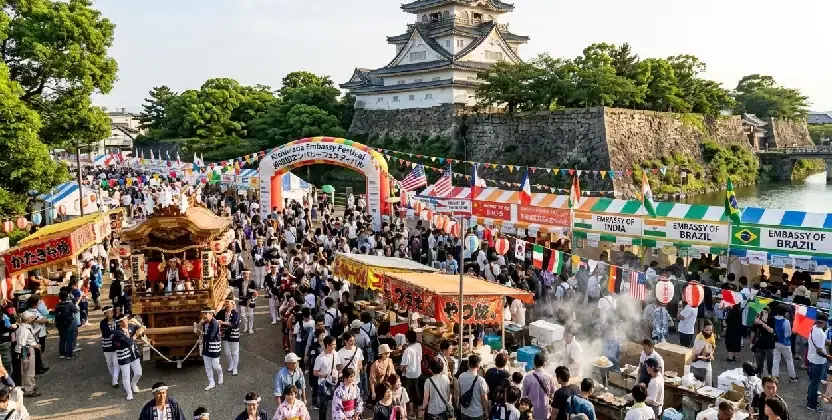
September brings Japan’s summer festivals into their final stretch while autumn events, cultural celebrations, and local traditions begin to take centre stage. From lively dance festivals to historic celebrations, these top festivals and events in Japan in September offer travellers a chance to experience the country beyond its usual tourist attractions.
Festival | Location | Dates | Key Highlights |
| Kishiwada Danjiri Matsuri | Kishiwada, Osaka | Early September | Teams pull massive wooden floats (danjiri) through narrow streets at high speed. |
| Takayama Autumn Festival | Takayama, Gifu | September 9–10 | Ornate floats, traditional music, and local crafts in a picturesque mountain town setting. |
| Hagi Autumn Festival | Hagi, Yamaguchi | Mid–September | Features folk performances, dance, and local cuisine, celebrating the autumn season. |
| Tokyo Game Show | Chiba (Makuhari Messe) | Late September | One of the largest gaming expos worldwide with game demos, esports, and cosplay. |
| Japanese Grand Prix (Formula One) | Suzuka, Mie | Late September | World-class F1 race featuring high-speed action and festival-like fan atmosphere. |
| Aki Matsuri (Autumn Festivals) | Various regions | Throughout September | Local shrines hold harvest and autumn celebrations with parades and performances. |
| Nezumido Kannon Jizo Festival | Tokyo | Early September | Celebrates guardian deity Jizo with processions, food stalls, and family-friendly activities. |
Tip: Book tickets 6–8 weeks in advance for Tokyo Game Show.
Best Places to Visit in Japan in September

September is a great time to explore Japan as summer crowds begin to ease and the weather gradually becomes cooler. From Tokyo’s lively streets and Kyoto’s cultural landmarks to Hokkaido’s early autumn scenery, the best places to visit in Japan in September offer a mix of culture, nature, and seasonal experiences.
1. Tokyo: Urban Energy Meets Cultural Depth
Japan's capital city offers its most pleasant weather conditions in September. September’s mix of warm days and cool evenings is perfect for exploring Tokyo’s attractions, museums, and green spaces. Outdoor food and street food markets are also a special delight due to the pleasant weather.
- Attractions: Ueno Park, Tokyo National Museum, the National Museum of Western Art and Shinjuku Gyoen National Garden
2. Kyoto: Cultural Heritage in Comfortable Conditions
Kyoto's temples and shrines take on a special character during September. The pleasant climate is ideal for long walks and temple visits. It is among the most ideal tourist destinations in Japan in September 2026.
- Attractions: Arashiyama Bamboo Grove, Philosopher's Path, Kinkaku-ji (Golden Pavilion) and Fushimi Inari Taisha
3. Hokkaido: Nature's Autumn Preview
September has a mild climate, creating ideal conditions for outdoor activities in Hokkaido. The natural beauty of the island is brought out beautifully without the large number of tourists. Sapporo is a blend of urban convenience and the surrounding nature, with parks filled with early autumn colours and restaurants which demonstrate the use of seasonal ingredients.
- Attractions: Daisetsuzan National Park, Sapporo, Sapporo Beer Museum
4. Okinawa: Tropical Paradise Extends Summer
The climate in Southern prefectures is friendly in September. While occasional rain showers occur, the subtropical climate keeps water temperatures comfortable for swimming and water sports. Okinawa's distinct Ryukyuan culture offers a different perspective on Japanese history and traditions.
- Attractions: Ishigaki Island, Naha, Kerama Islands
5. Nikko: UNESCO World Heritage and Scenic Beauty
Located approximately two hours north of Tokyo in Tochigi Prefecture, Nikko offers a combination of UNESCO World Heritage temples and stunning mountain scenery. The best time to visit Nikko’s religious and natural sites is in September.
- Attractions: The Toshogu Shrine complex, Lake Chuzenji and Kegon Falls
What to Eat in Japan During September

- Matsutake mushrooms: These are mushrooms which are highly valued because of their smell and rarity in September. They are a part of soups or rice meals and grilled dishes at Kyoto or kaiseki restaurants and are among the most prized seasonal ingredients in Japanese food.
- Sanma (Pacific saury): It is normally grilled using salt, daikon and soy sauce.
- Chestnuts: In savoury foods, like Mont Blanc, chestnut rice, and candied chestnuts and in desserts.
- Grapes and pears: The markets in Japan in September are the best months to buy grapes and pears, making shopping in Japan especially rewarding for seasonal fruits.
Japan Travel Costs in September: Budget Planning
Planning your Japan travel costs in September is easier when you account for flights, accommodation, transport, food, sightseeing, and seasonal activities. September is a shoulder-season month, so you can often balance comfortable travel with better value than Japan’s peak periods.
| Expense Category | Budget Range (INR) | Notes and Recommendations |
| Round-trip Flights | 30,000 – 70,000 | Book 2-3 months ahead; shoulder-season rates |
| Accommodation (per night) | 3,000 – 15,000 | Hostels to upscale hotels; book 1-2 months early |
| Daily Food Budget | 1,500 – 3,500 | Convenience stores to restaurants; seasonal specialities |
| Local Transportation | 700 – 2,000 | Subways, buses within cities; IC cards recommended |
| Activities & Attractions | 1,000 – 5,000 | Temple admissions, tours, special events |
| Shopping & Souvenirs | 1,000 – 10,000+ | Highly variable based on preferences |
Essential Travel Tips for September in Japan

- Pack light sweaters or cardigans, handle a cooler, t-shirts and light long-sleeve shirts for September's temperature fluctuations.
- Wear modest attire for temple and shrine visits means covering shoulders and knees.
- Bring a power adapter for Japan's Type A outlets (same as North America) ensure you can charge devices.
- Early morning visits to key tourist sites will save time on waiting, particularly in most temples and shrines that are well attended.
- Reserve flights 2-3 months in advance to get better prices and a choice of seats.
- Tickets to Tokyo Game Show are sold anywhere between 6 to 8 weeks before the event.
- The most expensive restaurants in Japan can be booked a few weeks in advance. Use services like TableAll or have your hotel concierge assist with bookings.
- The JR Pass is great for long-distance travel, must be bought before arrival, and activated within three months. A 7-day ordinary pass costs approximately ₹24,000 and covers most JR trains, including many shinkansen (bullet train) routes.
- Luggage forwarding (takuhaibin) costs around ₹1,500–2,500 per bag, which lets bags travel between hotels, avoiding heavy suitcases on trains.
Bottom Line: Is September the Best Time to Visit Japan?
Japan in September is the best time for a budget traveller. The month has good weather, fewer numbers of tourists, and cheaper travel, which makes it a perfect month to visit temples, have an outdoor adventure, and experience culture. Typhoons are rare with flexible planning, while festivals and accessible attractions enhance the travel experience. Now that you have the guide on Japan in September, it's you’re time to plan a trip. Customise your next Japan tour packages with Pickyourtrail for a memorable experience.
FAQs
1. Is September a good time to visit Japan?
A: Yes, September is a good time to visit Japan for travellers who want fewer crowds, gradually cooler weather, seasonal festivals, and potentially better-value flights and hotels than peak spring and summer periods.
2. What is the weather like in Japan in September?
A: Japan in September is generally warm, with temperatures around 20°C to 30°C, depending on the region. Northern areas such as Hokkaido are cooler, while Tokyo, Kyoto, Osaka, and Okinawa remain warmer.
3. Does it rain a lot in Japan in September?
A: Rain is possible throughout September, with early and mid-September carrying a higher risk of heavy rain and typhoons. Carry a compact umbrella or rain jacket and keep outdoor plans flexible.
4. Is September typhoon season in Japan?
A: Yes, September falls within Japan's typhoon season. Typhoons can bring heavy rain, strong winds, and transport disruptions, particularly in coastal and southern areas, so check weather and transport updates before travelling.
5. Can I see autumn colours in Japan in September?
A: Yes, but widespread autumn foliage has usually not started yet. Hokkaido and higher-elevation areas of northern Japan can see the first autumn colours from late September, while Tokyo and Kyoto generally reach peak foliage later.
6. What are the best places to visit in Japan in September?
A: Tokyo, Kyoto, Osaka, Hokkaido, Okinawa, and Nikko are good choices in September. They offer a mix of city sightseeing, cultural attractions, outdoor activities, beaches, and early autumn scenery.
7. What festivals can I attend in Japan in September?
A: September features events such as Kishiwada Danjiri Matsuri, Tokyo Game Show, Takayama Autumn Festival, and local autumn festivals. Festival dates vary each year, so check the official schedule before planning your itinerary.
8. Is Japan expensive in September for Indian travellers?
A: Japan can be moderately priced in September, with some opportunities for lower flight and hotel rates than peak travel periods. A typical budget should account for flights, accommodation, food, local transport, attractions, and shopping.
9. What should I pack for Japan in September?
A: Pack lightweight clothes, breathable layers, a light sweater or cardigan, comfortable walking shoes, and rain protection. A light jacket is useful for cooler evenings and northern destinations.
10. Is September a good month for a Japan honeymoon?
A: Yes, September can suit a Japan honeymoon because of its warm-to-mild weather, cultural experiences, seasonal food, and relatively manageable crowds. Couples can combine Tokyo and Kyoto with scenic destinations such as Nikko or Hokkaido.
11. Can I visit Mount Fuji in September?
A: Yes, Mount Fuji and the surrounding Five Lakes region can be visited in September, although cloud cover can affect visibility. September is also outside the official climbing season, so travellers should plan alternative sightseeing experiences around Fuji.
12. Is September a good time to visit Tokyo, Kyoto and Osaka?
A: Yes, all three cities can be visited in September. Tokyo and Osaka are suitable for urban sightseeing and food experiences, while Kyoto is ideal for temples, gardens, and cultural attractions, although hot or rainy days can still occur.
13. Is September a good time to visit Japan for beaches and water activities?
A: Okinawa and Japan's southern islands remain suitable for swimming and water activities in September because of their warm subtropical climate. However, weather conditions can change quickly during typhoon season.
14. How many days are enough for Japan in September?
A: 7 to 10 days is a practical duration for a first Japan trip, allowing travellers to combine Tokyo, Kyoto, and Osaka. With 10 to 14 days, you can add destinations such as Hokkaido, Nikko, Hiroshima, or Mount Fuji.
15. Is September crowded in Japan?
A: September is generally less crowded than Japan's peak spring and summer travel periods, although popular attractions, festivals, and major cities can still be busy. Visiting major sights early in the morning helps avoid the busiest periods.