
- Home
- Tourism
- New Zealand
- New Zealand Travel Tips for First-Time Visitors: 2026 Essential Guide
New Zealand Travel Tips for First-Time Visitors: 2026 Essential Guide
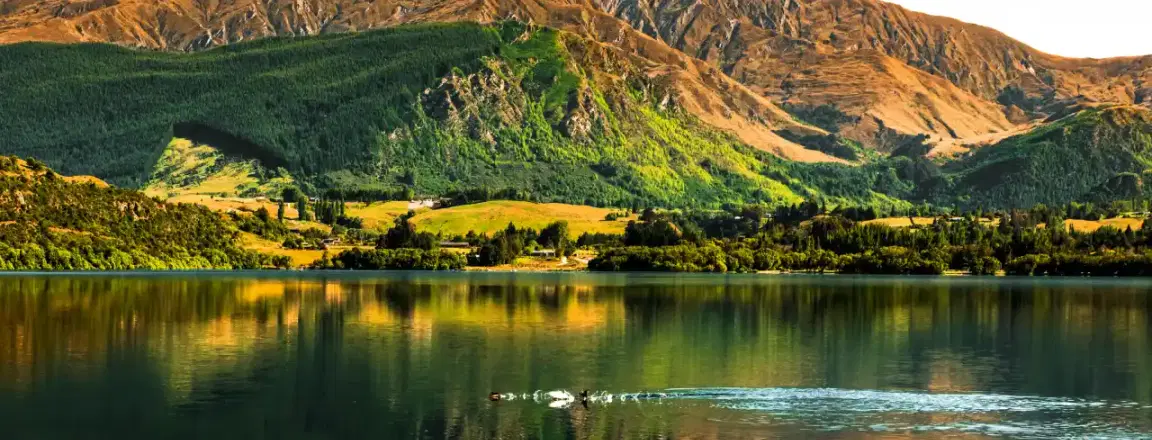
New Zealand travel tips are essential for first-time visitors planning a smooth and realistic trip. New Zealand demands careful planning due to its extensive driving distances, rapidly changing weather, strict biosecurity regulations, and visa requirements. This 2026 New Zealand travel guide covers everything you need to know, including New Zealand entry requirements for Indians, visa rules, transport options, road trip advice, budget planning, etiquette, and common mistakes to avoid. Whether you're travelling solo, with family, or planning a honeymoon, these practical New Zealand travel tips will help you avoid expensive errors and explore the country with confidence.
Essential Travel Basics for Visiting New Zealand
Where Is New Zealand Located?
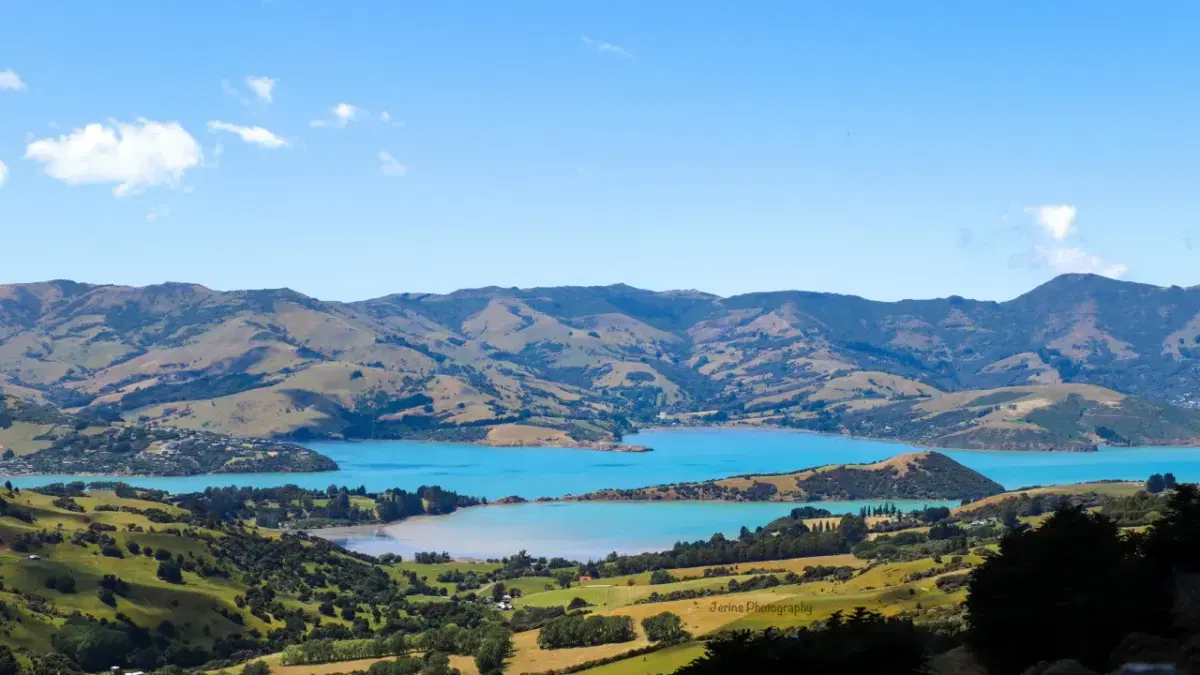
New Zealand is located in the South Pacific Ocean, about 2,000 kilometres southeast of Australia. It consists of two main islands:
- North Island – Cities, culture, beaches, geothermal areas
- South Island – Mountains, glaciers, fjords, alpine scenery
It is one of the best destinations for first-time travellers, road-trippers, and nature lovers.
North Island vs South Island: Which One Should You Choose?
Feature | North Island | South Island |
| Vibe | Cities, culture, beaches | Wild nature, dramatic landscapes |
| Highlights | Māori culture, Rotorua, beaches | Fjords, glaciers, Alps |
| Weather | Warmer year-round | Cooler, snowy winters |
| Best For | Relaxed trips | Adventure & road trips |
Travel tip: First-time visitors should try to include both islands for a complete New Zealand experience.
Best Time to Visit New Zealand (Weather & Seasonal Planning)
Summer (December–February) is the best time to visit New Zealand. During the summer months weather is warm and sunny deal for beaches and road trips, but it’s the busiest and most expensive period.
| Season | Months | Temp (°C) | Weather | Best For |
| Summer | Dec–Feb | 20–30 | Warm, sunny | Beaches, road trips |
| Autumn | Mar–May | 15–25 | Cooler, colourful | Sightseeing, fewer crowds |
| Winter | Jun–Aug | 5–15 | Cold, snowy (Alps) | Skiing, budget travel |
| Spring | Sep–Nov | 10–20 | Unstable, blooming | Nature, shoulder season |
Best Months Overall: February and March – Warm weather, fewer crowds, ideal road trip conditions.
Important: UV levels in New Zealand are among the highest in the world. Even on cloudy days, sunscreen is essential.
Weather conditions can shift rapidly, especially in mountain regions. Check forecasts through MetService, New Zealand’s official weather authority, before long drives or outdoor activities.
New Zealand Tourist Visa Guide for Indian Travellers (2026)
Indian passport holders must obtain a New Zealand visa before travelling. New Zealand does not offer visa-free entry or NZeTA access for Indian citizens, so advance planning is essential. A Visitor's Visa is valid for up to 6 months' stay for tourism purposes. Apply online via the Immigration New Zealand website.
Documents Required
- Valid Indian passport (6 months validity)
- Visa application form & fee
- Proof of funds and return ticket
- Accommodation details
- Travel itinerary
- Travel insurance (strongly recommended)
Visitor visa applications must be submitted through Immigration New Zealand, the country’s official visa authority. Always check processing timelines and document requirements directly on the Immigration New Zealand portal, as rules may change seasonally.
Tip: Apply at least 6–8 weeks before travel, especially for summer (Dec–Feb).
New Zealand Customs & Biosecurity Rules (Very Strict)
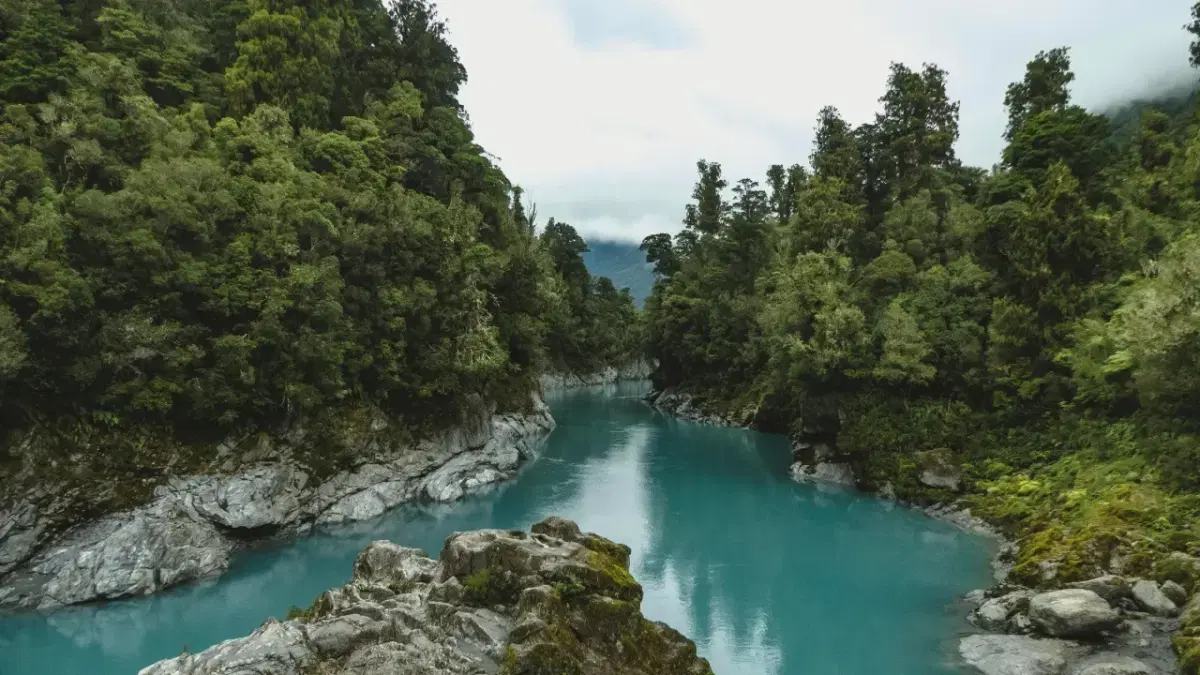
New Zealand has some of the strictest biosecurity laws in the world to protect its environment.
Items You Must Declare
- Food items (including homemade snacks)
- Seeds, plants, herbs, spices
- Animal products
- Used outdoor gear and hiking shoes
Prohibited or Restricted Items
- Fresh fruits and vegetables
- Meat and dairy products
- Plant cuttings and seeds
Fines:
Instant fines start at NZD 400+ (approx ₹20,000+) for non-declaration. You must declare even small items like homemade snacks.
Rule: If unsure, declare it.
Tip: Always declare items; fines are heavy for non-disclosure.
Is New Zealand Expensive for Tourists?
Yes, New Zealand is moderately expensive, especially for accommodation and activities.
Average Daily Costs (Per Person)
Travel Style | Accommodation | Transport | Food | Total Daily Cost |
| Budget | Hostels, holiday parks | Buses, shared rides | Takeaways, self-cooked | NZD 110–150 (INR 6,000–8,000) |
| Mid-range | 3–4 star hotels, motels | Rental car | Cafés & restaurants | NZD 180–260 (INR 10,000–14,000) |
| Luxury | 5-star hotels, lodges | Premium car, flights | Fine dining | NZD 320+ (INR 18,000+) |
*Conversion approximate; subject to exchange rate.
Major Costs: Renting a car costs NZD 60–120 per day (₹3,000–₹6,000 per day), petrol costs NZD 2.80–3.20 per litre (₹140–₹160 per litre), coffee costs NZD 5–6 (₹250–₹300), and a restaurant meal costs NZD 25–40 (₹1,250–₹2,000). The pricing includes GST.
How to Save Money
- Travel in shoulder season
- Book campervans or holiday parks
- Cook some meals yourself
Tip: Accommodation and transport make up the largest part of daily expenses, so booking early and travelling in shoulder season can significantly reduce costs.
Getting Around New Zealand: Transport Tips for Tourists
By Air: The most convenient and easiest method of reaching New Zealand is through a flight to Auckland Airport, Christchurch Airport or Wellington Airport.
Getting Around
- Domestic Flights: These flights are ideal for covering long distances in a short period of time. Frequent flights between major cities like Auckland, Wellington, Christchurch, and Queenstown. Saves time when travelling between the North and South Islands.
- By Bus: This mode of transportation is affordable and widely used by budget travellers. Intercity buses connect major towns and tourist destinations.
- By Train: There are limited routes, but extremely scenic. Trains are popular for sightseeing rather than daily transport.
- By Car: It is one of the most flexible and popular travel options in New Zealand. Cars are perfect for road trips and remote areas.
- By Taxi & Ride-Sharing: These are available mainly in cities and towns. Compared to renting a car, it is expensive for long distances.
Tips: Drive on the left-hand side
New Zealand Road Trip Tips for First-Time Visitors
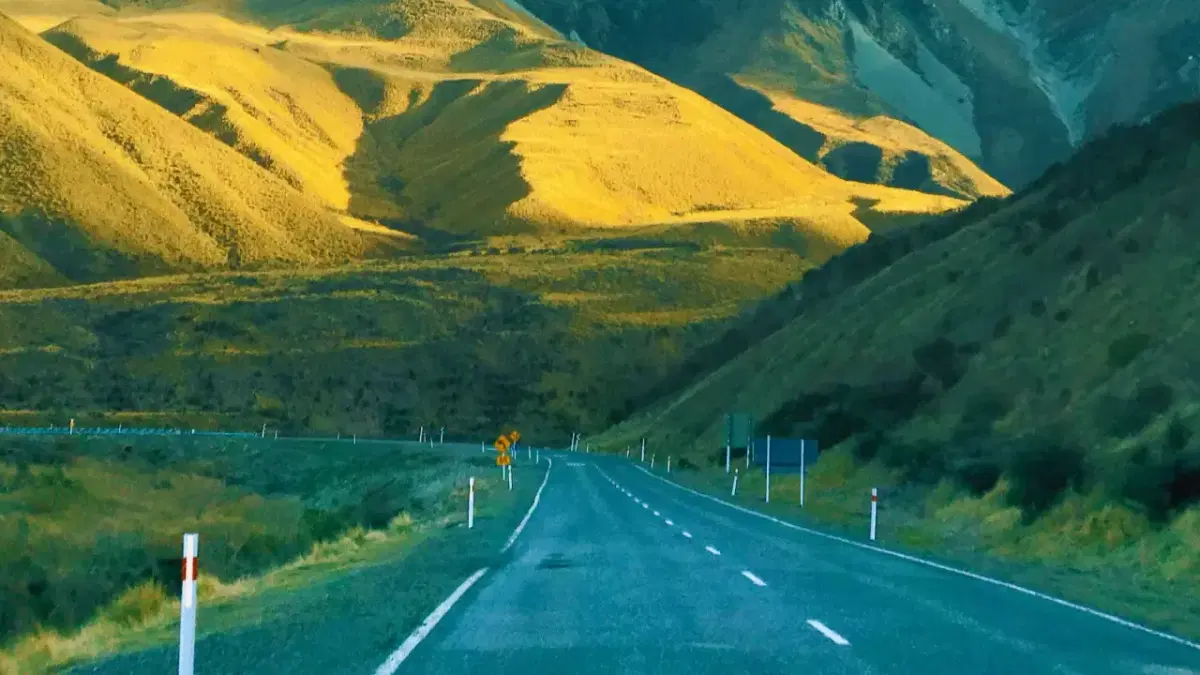
Road trips are the best way to explore New Zealand.
Important Driving Rules:
- Drive on the left
- Narrow, winding roads common
- One-lane bridges are frequent (especially in the South Island)
- Speed cameras are common
- Seatbelts mandatory
Real Drive Times (Map Distance Can Mislead):
- Auckland → Rotorua: 3 hrs
- Queenstown → Milford Sound: 4 hrs
- Christchurch → Lake Tekapo: 3 hrs
- Wellington → Taupo: 5 hrs
Distances look short but take longer due to terrain.
Fatigue Warning:
Driver fatigue is a major cause of tourist accidents. Plan shorter driving days.
Note: Road regulations are enforced strictly. Review driving guidelines from the NZ Transport Agency (Waka Kotahi) before your trip, particularly regarding one-lane bridges, speed limits, and rural highway rules.
Best Way to Explore New Zealand
- Rental Car: Most flexible
- Domestic Flights: Good for long distances
- InterCity Buses: Budget-friendly
- Scenic Trains: For sightseeing, not daily transport
- Ferry: Wellington ↔ Picton (3.5 hours)
Best Places to Stay in New Zealand for First-Time Visitors
Hotels in New Zealand offer a wide variety suited to every travel style, from city hotels to scenic nature stays.
Best accommodation types by location
- Major cities (Auckland, Wellington, Christchurch): Hotels, serviced apartments, and budget hostels with easy transport access
- Nature & scenic regions: Motels, lodges, eco-stays, and holiday parks close to national parks and lakes
- Road trips: Motels and holiday parks offer the best value, parking convenience, and flexible check-ins.
Popular places to stay
- Auckland: It is one of the best places to visit in New Zealand for first-time visitors, dining, and city experiences.
- Queenstown & Wanaka: Perfect for having an adventure, lakes, and alpine landscapes.
- Rotorua: Great for cultural stays, geothermal attractions, and family travel
- Christchurch: Best base for South Island road trips
Coastal & rural areas: Farm stays, cabins, and boutique lodges for quiet, immersive experiences.
Food & Dining Tips for Travellers in New Zealand
The food culture in New Zealand is relaxed, fresh, ingredients-centric, with a significant influence of the Māori, British and Pacific food cultures. One of the best things to add to a 14-day New Zealand itinerary is trying authentic food.
Where to Eat in New Zealand
- Local bakeries: Best for meat pies, sausage rolls, and affordable breakfasts
- Cafés: Strong café culture with excellent coffee and brunch options
- Fish & chip shops: Coastal towns serve fresh, locally caught seafood
- Restaurants: Found in all cities and tourist hubs, offering local and international cuisine
- Supermarkets & food courts: Ideal for budget travellers and self-catering
What to Eat in New Zealand
- Meat pies and fish & chips
- Lamb dishes and grass-fed beef
- Fresh seafood (green-lipped mussels, salmon, snapper)
- Pavlova, hokey pokey ice cream, and dairy-based desserts
Vegetarian, Vegan & Halal Food
- Vegetarian and vegan food is widely available, especially in cities
- Halal food is available in major cities and tourist areas
- Indian, Asian, and Middle Eastern restaurants are easy to find
New Zealand Travel Checklist Before You Fly
Make sure you have the following checklist:
- Visa approved
- Insurance purchased
- Biosecurity awareness
- Driving license ready
- Accommodation booked
- Offline maps downloaded
New Zealand Packing List: What to Carry for Every Season
- Carry prescription medicines with a doctor’s note
- Layered clothing for changing weather conditions
- Comfortable walking shoes or hiking shoes
- Swimwear for beaches, lakes, and hot springs
- Carry High-SPF sunscreen and sunglasses, as UV levels are very high
- Insect repellent for outdoor and coastal areas
- Offline maps or a GPS navigation app
- Universal power adapter (Type I plug)
Common Mistakes First-Time Visitors Make
- Trying to see too much in too little time
- Underestimating drive times
- Ignoring weather warnings
- Not declaring food at customs
- Booking summer accommodation too late
- Driving long distances without rest
- Skipping travel insurance
Local Etiquette & Cultural Tips
- Casual greetings
- Respect Māori culture and sites
- Do not litter
- Follow all trail and safety instructions issued by the Department of Conservation (DOC), which manages New Zealand’s national parks, alpine trails, and conservation areas. Always check DOC alerts before hikes, especially in alpine regions.
- Avoid loud behaviour
- Ask before photographing people
Conclusion: Essential New Zealand Travel Tips for 2026
New Zealand travel tips help first-time visitors plan a smooth, safe, and rewarding journey. Travel at a relaxed pace, respect local culture and nature, and stay flexible with weather and distances. With smart planning, proper packing, and realistic itineraries, you’ll enjoy New Zealand’s landscapes, food, and unforgettable experiences to the fullest. Start planning your next trip with Pickyourtrail by exploring top New Zealand tour packages for a hassle-free travel experience.
FAQs: New Zealand Travel Tips
Is New Zealand good for first-time travellers?
Yes, it is safe, English-speaking, and well-organised.
How Many Days Are Enough for New Zealand?
7 - 10 days are ideal for exploring attractions in New Zealand.
What do I need to know before travelling to New Zealand?
New Zealand has strict biosecurity laws, long driving distances, and fast-changing weather. Plan fewer destinations, book early in peak season, carry travel insurance, and always declare food or outdoor items at customs.
What are the dos and don’ts of New Zealand?
Do: Respect nature, follow safety signs, drive on the left, and obey biosecurity rules.
Don’t: Speed, litter, ignore weather warnings, hike unprepared, or bring undeclared food or plant items.
What is the best month to travel to New Zealand?
February and March are ideal, offering warm weather, fewer crowds than peak summer, and excellent conditions for road trips, sightseeing, and outdoor activities.
What should I prepare for a New Zealand trip?
Prepare layered clothing, a rain jacket, sunscreen, travel insurance, accommodation bookings, and a realistic itinerary. Be ready for outdoor travel, long drives, and mostly cashless payments.