
Scuba Diving in Singapore: Best Sites, Conditions & Tips
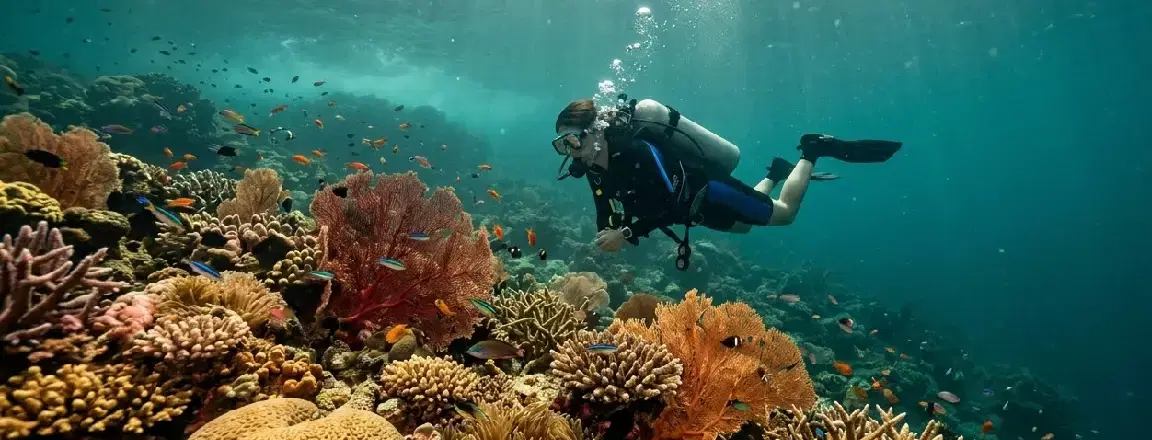
Singapore is famous for its skyscrapers, shopping and busy streets, but its underwater world offers a very different experience. Scuba Diving in Singapore offers a different way to explore the island, with dive sites ranging from Pulau Hantu to Sisters’ Islands Marine Park.
For most divers, March to October can offer more favourable conditions, although visibility and sea conditions can change. If you are planning to book a Singapore package, this guide covers the best dive sites, visibility, water temperature, the best months to dive, permits, certification requirements and practical tips. Whether you are a beginner taking your first dive or an experienced diver planning your next underwater trip, you will know where to dive, when to go and what to expect before you book.
Key Takeaways
- Singapore offers unique urban dive experiences, especially at Pulau Hantu and Sisters’ Islands, ideal for macro life enthusiasts and beginners.
- Visibility ranges from 1–5 meters, depending on tides and weather, with best conditions from March to October.
- Pulau Hantu is the most popular dive site, with accessible reefs, resident marine life, and relatively calm waters.
- Several local dive operators offer training and tours, with PADI Open Water courses available from SGD 500 onwards.
- A permit is required to dive at certain sites, such as the Sisters’ Islands Marine Park.
Top Diving Spots in Singapore
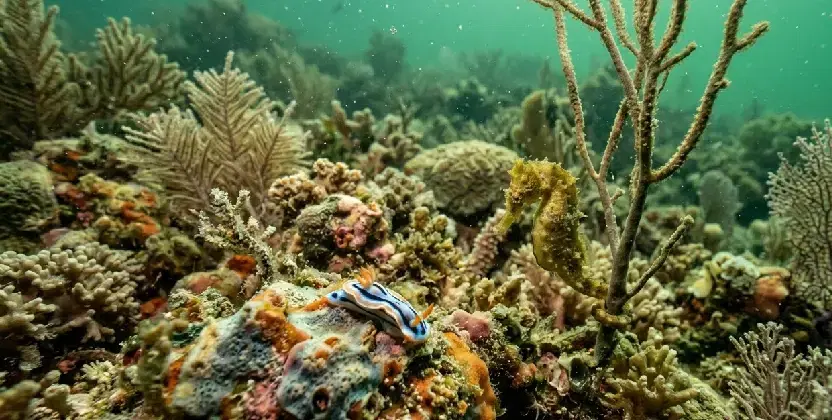
Singapore’s underwater world is small but surprisingly diverse, with coral reefs, macro marine life and even historic wrecks to explore. From beginner-friendly Pulau Hantu to the protected waters around Sisters’ Islands Marine Park, these are the top diving spots to consider based on your experience and interests.
1. Pulau Hantu
Pulau Hantu diving is the best scuba diving destination in Singapore due to its rich marine life and easy day trips from Singapore. It boasts a variety of soft and hard corals combined with a rich macro life of seahorses and turtles, making it rewarding for adventurous divers.
- Location: 30-minute boat ride from West Coast Pier and Marina South Pier.
- Marine Life: Nudibranchs, clownfish, seahorses and many more.
- Best For: Macro photography and beginner divers.
2. Sisters’ Islands Marine Park
Sisters’ Islands Marine Park is one of the best marine parks in Singapore with two well-equipped diving trails. These dives are only conducted by the NPark-licensed operators to ensure environmental sensitivity and the safety of divers.
- Location: 30-minute boat ride from mainland Singapore.
- Marine Life: Neptune's Cup Sponge, fluted giant clams, bamboo sharks and the endangered hawksbill sea turtle.
- Best For: The two trails are available for guided educational dives.
3. Sudong Wreck Dive
The Sudong Wreck is considered a hidden gem of Singapore. The dive includes a 50-metre-long, well-preserved WWII shipwreck that sits between 4-15 metres deep, with a variety of marine life. It is regarded as one of the most attractive wrecks in Singapore and can only be recommended to divers with advanced skills.
- Location: Located just off the coast of Sudong Island, near Singapore
- Marine Life: Marine life including sharks and turtles, with a well-preserved WWII shipwreck.
- Best For: Advanced divers due to strong currents.
4. Labrador Reef
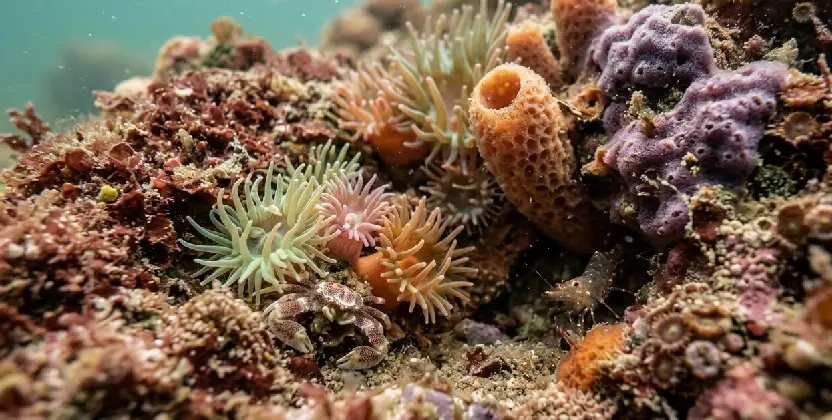
The beautiful Labradour Reef is considered a treasure among the Singapore diving sites due to its rich marine life which consists of butterflyfish, angelfish, manta rays and sand sharks. It is located in a nature reserve, so divers must obtain special permission from NParks to access. The reef is a more peaceful alternative to the busier dive location for nature-loving scuba enthusiasts.
- Location: Labrador Reef is located at the Labrador Nature Reserve on the southern part of mainland Singapore.
- Marine Life: Seahorses, octopus, sea anemones, damselfish, butterflyfish and many more.
- Best For: Nature-loving scuba enthusiasts.
Best Time to Dive in Singapore
The right month can make a noticeable difference to your Singapore diving experience, especially when sea conditions and underwater visibility change throughout the year. March to October generally offers more favourable conditions, with calmer seas and better chances of clear water than the wetter months.
Month-by-Month Overview
MONTH | CONDITIONS |
| January to February | Heavy rainfall and stronger winds that reduce underwater visibility and make diving less ideal. |
| March to May | Milder sea conditions as the monsoon shifts with improved visibility. |
| June to August | Consistent conditions with fewer rain showers and rich marine biodiversity. |
| September to December | The period offers good visibility and favourable diving conditions. |
NOTE: It is recommended to plan your dives between March and October as it provides optimal conditions with great visibility and calm water waves.
Typical Conditions: What to Expect
Singapore’s tropical waters stay warm throughout the year, but visibility, currents and sea conditions can change by season and dive site. For most dives, expect warm water and relatively low visibility compared with clearer destinations such as the Maldives. Here is what to expect from water temperature, visibility and underwater conditions before you dive.
Water Temperature
- Range: Consistently warm with 27–30°C year-round.
Visibility
- Average: 1–3 metres.
- Best: Up to 5–8 metres on rare clear days.
Diving Courses in Singapore: Get certified in the island nation
Several reputable dive centres offer PADI and SSI certification:
- Marlin Divers: Marine Divers is one of the best diving schools in Singapore that any person should consider going to since it has a wide range of quality courses tailored towards new and experienced divers.
- Living Oceans: Living Oceans in Singapore provides quality and internationally certified scuba diving training programmes via the Global Underwater Explorers (GUE) system. Their courses are meant to build exceptional in-water competence with high emphasize on diver safety, in-water skills and environmental responsibility without making the experiences boring.
- Cuddlefish Divers: Cuddlefish Divers offer a wide range of SSI-certified diving courses, from Open Water to Instructor level, making it ideal for everyone from beginners to aspiring professionals.
Diving Logistics & Permits
Before booking your dive, it helps to know what conditions you can expect underwater and how the logistics work. From warm water and variable visibility to boat departures, equipment and site-specific permits, these practical details can make your diving experience smoother and safer.
Getting to Dive Sites
- Departures usually happen from Marina South Pier or West Coast Pier.
- Boat trips are arranged by dive operators from mainland Singapore.
- Gear is either provided or rented separately.
Permits
- Pulau Hantu: No permit needed.
- Sisters’ Islands and Labrador Reef: Permit is required from NPark.
Is Scuba Diving in Singapore Worth It?
Scuba Diving in Singapore is worth considering if you want to explore marine life without travelling far from the city. Pulau Hantu is a popular choice for reef and macro-life encounters, while Sisters’ Islands Marine Park offers guided dives in protected waters. The best diving conditions are generally between March and October, but visibility and currents can change. Beginners should choose a certified introductory or training programme, while experienced divers should confirm site requirements, permits and equipment before heading out.
FAQs
1. Is Scuba Diving in Singapore suitable for beginners?
A: Yes. Beginners can try introductory dives or enrol in an Open Water certification course with a qualified dive operator. Pulau Hantu is commonly used for training and beginner dives.
2. What is the best time for Scuba Diving in Singapore?
A: March to October generally offers more favourable conditions for Scuba Diving in Singapore, although visibility, currents and weather can change from day to day.
3. What is the visibility like when diving in Singapore?
A: Visibility is usually around 1–3 metres at many Singapore dive sites, although it can reach about 4–8 metres on clearer days.
4. What marine life can you see while scuba diving in Singapore?
A: Divers may encounter seahorses, nudibranchs, clownfish, cuttlefish, octopus, reef fish, sponges and corals. Singapore is particularly known for macro marine life.
5. Which is the best scuba diving site in Singapore?
A: Pulau Hantu is a popular local dive site for reef diving, macro photography and training. Sisters’ Islands Marine Park is another option for exploring Singapore’s protected marine biodiversity.
6. How much does scuba diving in Singapore cost?
A: The cost depends on whether you book a guided dive, introductory experience or certification course. Open Water certification courses can cost several hundred Singapore dollars, while individual dive prices vary by operator and inclusions.
7. Do I need a scuba diving certification in Singapore?
A: You do not necessarily need full certification for an introductory Discover Scuba Diving experience, but certified divers need appropriate certification for independent recreational diving. Always check the requirements with your dive operator before booking.
8. What is the water temperature for diving in Singapore?
A: Singapore has warm tropical waters, with temperatures generally around 27–30°C depending on the site and season.
9. Do I need a permit to scuba dive in Singapore?
A: Permit and access requirements depend on the dive site. Protected areas such as Sisters’ Islands Marine Park have specific access and conservation rules, so confirm requirements with the licensed operator before your dive.
10. Where do scuba diving boats depart from in Singapore?
A: Dive operators use different departure points depending on the site, with Marina South Pier and other marinas or ferry terminals serving routes towards Singapore’s southern islands.
11. Is scuba diving in Singapore worth it for Indian travellers?
A: It can be a convenient addition to a Singapore holiday for Indian travellers who want an underwater experience without travelling to a separate diving destination. Local sites offer warm water, coral habitats and diverse macro marine life, although visibility can be limited.
12. What should I carry for scuba diving in Singapore?
A: Carry swimwear, a towel, sunscreen, water and any personal diving equipment you prefer. Most operators provide or rent essential scuba gear, but confirm inclusions, equipment sizes and required documents before booking.