
Best Time to Visit Granada (2026–27): Weather, Festivals & Alhambra Tips

The best time to visit Granada is generally spring (March to May) and autumn (September to October), when temperatures are more comfortable for exploring the Alhambra, walking through the Albaicín and enjoying the city’s outdoor cafés. Summer brings long days and major cultural events, but July and August can be very hot. Winter is quieter, with cold nights and access to skiing in the nearby Sierra Nevada when conditions permit.
The right month depends on whether you prioritise comfortable weather, lower travel costs, local festivals or outdoor activities. This guide covers Granada’s monthly weather, seasonal highlights, confirmed 2027 festival dates and practical tips for planning your Granada trip, including when to visit the Alhambra.
Best Time to Visit Granada by Travel Preference
Travel preference | Best time to go | What to expect |
| Comfortable weather for walking | Late April, May, late September, October | Highs of about 19°C to 29°C |
| The lowest prices | January, February, November | Cold or wet days, quiet streets |
| Festivals and processions | Late March (Holy Week 2027), late May (Corpus Christi fair), mid-June to mid-July (Music and Dance Festival), late October (Jazz Festival) | Bigger crowds and higher hotel prices |
| Snow and skiing | Winter, from about late November to April | Sierra Nevada is about 45 minutes from the city |
| Concerts at the Alhambra | June and July | Hot days, warm late evenings |
| Soft light and fewer crowds | Late September and October | Mild days, cooler evenings |
Granada Weather by Month: Temperature, Rain & Crowds
Month | Average high | Average low | Rain | Crowds and prices | What to expect |
| January | 12°C | 1°C | 41 mm | Low | Cold but cheap to travel |
| February | 14°C | 2°C | 33 mm | Low | Quiet, days start to lengthen |
| March | 17°C | 4°C | 34 mm | Medium, high in Holy Week | Cool and changeable weather |
| April | 19°C | 6°C | 38 mm | High | Flowers and festivals |
| May | 24°C | 10°C | 28 mm | High | Best balance of weather and sights |
| June | 31°C | 14°C | 11 mm | Medium to high | Hot afternoons, festival season begins |
| July | 34°C | 17°C | 3 mm | High | Hottest month, plan around the morning and evenings |
| August | 34°C | 17°C | 5 mm | Medium | Hot, some local shops close |
| September | 29°C | 14°C | 16 mm | Medium | Warm and calmer |
| October | 22°C | 10°C | 40 mm | Medium | Mild, rain returns |
| November | 16°C | 5°C | 55 mm | Low | Wettest month, low prices |
| December | 12°C | 2°C | 50 mm | Low, higher at Christmas | Cold, short days |
Spring in Granada (March to May): Flowers, Holy Week and Corpus Christi

Spring is arguably the best time to visit Granada. As spring begins, days are pleasant, the sky is clear, and everything in the city starts to wake up with budding flowers. Alhambra and Generalife gardens offer a true pleasure during this time, as the blooming spring flowers and bushes add to the Moorish architecture’s beauty.
Semana Santa, which takes place in spring, brings busy processions and cultural celebrations, allowing people to discover the spiritual life of the city. Walking through the white streets of Albaicín or sitting at a terrace to view the snow-capped Sierra Nevada is wonderful in the Springtime.
Three Events That Can Affect Your Granada Trip
These three major events bring large crowds, higher hotel prices and changes to the usual city atmosphere.
- Holy Week (Semana Santa): 21–28 March 2027 — Granada’s Holy Week is known for its large religious processions through areas such as the Albaicín, Alhambra and Sacromonte. It is a major event and has International Tourist Interest status. Hotels can get busy during this period, so book early if you want to visit then.
- Día de la Cruz: around 3 May — Granada celebrates this spring festival by decorating streets and public squares with flower-covered crosses. It is a lively time to visit if you enjoy local culture and colourful city celebrations.
- Corpus Christi: 22–30 May 2027 — This is one of Granada’s biggest annual celebrations, with concerts, shows, exhibitions and a large fairground. The Tarasca parade is another well-known part of the festival. If your trip falls during this period, book your hotel and other travel arrangements early.
Summer in Granada (June to August): Heat, Late Evenings and Concerts
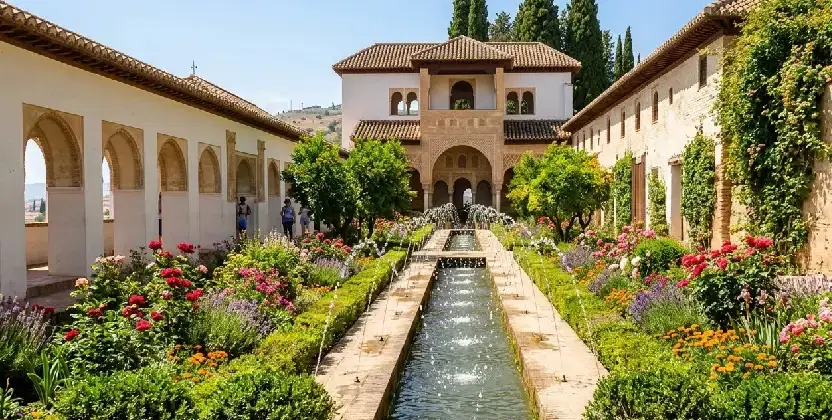
Granada attracts many tourists in the summer, and despite the high temperatures, which may reach 36°C in July and August, the long days are ideal for exploring the city’s culture. Visiting historic spots and museums is best during morning and evening hours, as you’ll need to take a break from the sun from 2 pm to 5 pm.
At this time, Granada celebrates Festival Internacional de Música y Danza, an important music and dance festival that takes place in the magical Alhambra grounds. If you don’t mind the heat, you’ll be able to enjoy the city’s unique take on history, art, and summer life. Always plan ahead and secure your travel arrangements since people from many countries visit the city year-round.
Autumn in Granada (September to November): Mild Days and Calmer Streets
Granada is a great place to visit during the autumn months. Since things are cooler and there are fewer tourists, you will find it more peaceful at popular attractions. During fall, the Alhambra is especially charming due to the golden light illuminating its walls and gardens tinged with autumn hues.
This is the perfect opportunity to go hiking in the nearby Sierra Nevada or visit a tapas bar in the city without feeling crowded by tourists. You can enjoy significant discounts on both places to stay and activities, which is ideal for those on a limited budget.
Two October Dates to Keep in Mind
Two dates can affect your Granada sightseeing plans in October:
- 15 October 2026: The Alhambra and Generalife switch to winter opening hours. The daytime visit runs from 8:30 AM to 6 PM, compared with 8:30 AM to 8 PM during the summer schedule.
- Late October to 7 November 2026: The 46th Granada International Jazz Festival takes place during this period. The main concerts are held at Teatro Municipal Isabel la Católica, with more than 70 additional concerts planned across bars and clubs.
Winter in Granada (December to February): Cold Nights, Low Prices and Snow Nearby
Winter in Granada is quiet and picturesque, with just the right amount of tourists if you enjoy winter. During the night, Granada's city air can get quite cold, but its proximity to the Sierra Nevada turns the city into a popular spot for winter sports.
There are twinkling lights, colourful markets, cosy get-togethers, and delicious local cakes at Christmas and New Year’s in Granada. If you like quiet places and don’t mind the cold weather, this is the best time to plan your trip.
Pro Tips for Planning Your Granada Trip
- Spring (March–May): March through May (spring) offers great times to explore the outdoors, like gardens and festivals. Reserve your spot as soon as you can if you want to celebrate Semana Santa.
- Summer (June–August): Culture-lovers and festival enthusiasts will find summer the best time to visit Granada. Start exploring morning trails and then seek out spots not exposed to sunlight while it’s hot.
- Autumn (September–November): Autumn is the best time for those who want a quiet, photo-friendly journey. Fewer people and the beautiful changing leaves make it perfect for taking pictures.
- Winter (December–February): Winter is the perfect time for those who want to ski and explore places with fewer tourists. Wear plenty of clothing to keep comfortable and feel in a joyful mood.
Conclusion: What Is the Best Time to Visit Granada?
If you want the best balance of weather, sightseeing and manageable crowds, May, late September and October are among the best times to visit Granada. Spring is ideal for gardens, walking and local festivals, while early autumn brings milder days and a calmer atmosphere. For lower prices and fewer tourists, consider January, February or November, although the weather is cooler and wetter.
Your choice ultimately depends on the experience you want. But before booking, check the dates of major events such as Semana Santa, Corpus Christi and the Granada International Jazz Festival, as they can affect hotel availability and prices.
FAQs
1. What is the best time to visit Granada?
A: The best time to visit Granada is May, late September and October. These months generally offer comfortable temperatures for exploring the Alhambra, walking through the Albaicín and enjoying outdoor cafés without the intense summer heat.
2. How many days are enough for Granada?
A: Three days are usually enough to explore Granada's main attractions, including the Alhambra, Albaicín, Sacromonte and the historic city centre. This gives you time to enjoy local tapas, explore traditional neighbourhoods and experience the city's culture at a relaxed pace.
3. Is Granada worth visiting in summer?
A: Yes, Granada is worth visiting in summer if you enjoy cultural events, long days and outdoor dining. However, temperatures can reach around 34°C in July and August. Plan sightseeing for early mornings and evenings, and take a break indoors during the hottest afternoon hours.
4. Is May a good month to visit Granada?
A: Yes, May is one of the best months to visit Granada because of its pleasant weather, blooming gardens and lively cultural events. Día de la Cruz takes place around 3 May, while the Corpus Christi celebrations usually fall in May or June.
5. Is September a good time to visit Granada?
A: Yes, September is a good time to visit Granada, particularly in the second half of the month. Temperatures gradually become more comfortable after summer, making it easier to explore the Alhambra, walk through the Albaicín and enjoy outdoor activities.
6. Is October a good month to visit Granada?
A: Yes, October is an excellent month to visit Granada, with milder temperatures and generally more manageable crowds than during peak periods. It is a good time for walking tours, exploring historic attractions and enjoying the city's autumn atmosphere. Carry a light jacket and prepare for occasional rain.
7. What is the cheapest time to visit Granada?
A: January, February and November are generally among the cheapest months to visit Granada because tourist demand is lower. You may find better hotel rates and travel deals, although winter temperatures are colder and November tends to be wetter. Prices can rise during holidays and major events.
8. What is the hottest month in Granada?
A: July and August are typically the hottest months in Granada, with average daytime highs of around 34°C. June can also be very hot. Visit outdoor attractions early in the morning or later in the evening, and carry water during sightseeing.
9. When is the best time to visit the Alhambra in Granada?
A: May, late September and October are among the best times to visit the Alhambra because temperatures are generally comfortable for exploring its palaces, courtyards and gardens. Book tickets in advance, especially during spring, weekends and public holidays, as entry to certain areas can be limited.
10. When is the best time to visit Granada for fewer crowds?
A: Late September, October, January, February and November are generally good options for avoiding the busiest tourist periods in Granada. October offers a particularly good balance of comfortable weather and manageable crowds, while winter is better for travellers prioritising quieter streets over warm temperatures.
11. When is the best time to visit Granada for festivals?
A: Spring and summer are the best seasons for festivals in Granada. Major events include Semana Santa in March or April, Día de la Cruz around 3 May, Corpus Christi in May or June, and the International Festival of Music and Dance in June and July. Check the dates for your travel year before booking.
12. When is the best time to visit Granada for skiing?
A: Winter is the best time to visit Granada for skiing in the nearby Sierra Nevada mountains. The ski season typically runs from late autumn or winter into spring, depending on snowfall and resort conditions. You can stay in Granada and travel to the ski resort for a day trip, subject to transport and weather conditions.
13. Is Granada cold in winter?
A: Yes, Granada can be cold in winter, especially at night. January average daytime highs are around 12°C, while overnight lows can fall close to 1°C. Pack warm layers for evening walks and sightseeing, particularly if you plan to visit the nearby Sierra Nevada.
14. Does it rain a lot in Granada?
A: Granada has relatively dry summers, while rainfall is more common during autumn and winter. November is typically one of the wetter months, with around 55 mm of rainfall. May and September are generally drier options for travellers planning outdoor sightseeing, although occasional showers are possible.
15. Should I visit Granada during Semana Santa?
A: Visit Granada during Semana Santa if you want to experience its traditional religious processions and local culture. However, the celebrations attract many visitors, which can increase hotel prices and make some streets crowded or temporarily inaccessible. Book accommodation early and check procession schedules before planning your sightseeing route.
16. Is Granada better in spring or autumn?
A: Spring is better for blooming gardens, lively festivals and a vibrant atmosphere, while autumn offers milder weather and generally calmer sightseeing conditions. Choose May for spring flowers and cultural celebrations, or late September and October for comfortable walks around the Alhambra and historic neighbourhoods.