
- Home
- Tourism
- Switzerland
- Switzerland in April: Best Places to Visit, Things to Do & Spring Travel Guide
Switzerland in April: Best Places to Visit, Things to Do & Spring Travel Guide
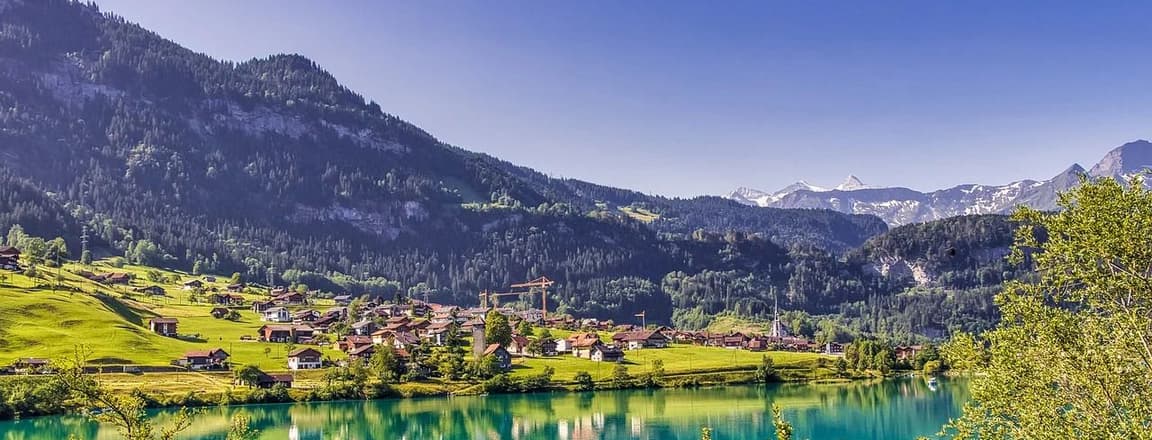
April can show you two sides of Switzerland in a single day: green valleys filled with spring colour below and snow-covered Alps rising above them. But Switzerland in April is also a transition month, so mountain lifts, hiking trails and other attractions may have different opening dates, while weather can change quickly.
Switzerland in April is a good choice for travellers who want fewer crowds, lower hotel prices, tulip festivals and scenic city-and-lake trips without the peak-season rush. For most visitors, the best plan is to combine places such as Zurich, Lucerne, Interlaken and Lake Geneva, while keeping high-altitude activities flexible because many trails and summer mountain routes are still closed. This Switzerland guide covers the weather, best places to visit, April events, mountain attractions that are open, things to do, costs, what to pack and a practical itinerary.
Key Facts: Switzerland in April at a Glance
Facts | April in Switzerland |
| Daytime temperature | About 12–17°C in cities and lake regions; colder in the mountains |
| Snow | Still lying on mountains above roughly 1,500–2,000 m; glacier skiing continues at Zermatt and Saas-Fee |
| Daylight | Just over 13 hours at the start of the month, about 14½ hours by the end |
| Crowds and prices | Low season for most places, so hotels are generally cheaper than in summer |
| Easter 2027 | Falls on 28 March (Good Friday 26 March, Easter Monday 29 March), so April 2027 avoids the Easter-weekend rush. Swiss spring school holidays vary by canton and often fall in April, so book early |
| Best for | Blossom and tulips, city breaks, lake cruises, scenic trains, quiet sightseeing |
| Not ideal for | High-altitude hiking, guaranteed sunshine, summer-only mountain railways |
| Swiss Travel Pass (4 days, 2nd class) | CHF 309 (about ₹36,500). Prices are unchanged for 2027 |
Weather in Switzerland in April
April weather is changeable. A bright morning can turn into a cold shower by afternoon, and snow can still fall in the mountains. The table shows typical ranges for April.
Region | Typical daytime | Typical night | What to expect |
| Zurich, Basel, Bern | 12–16°C | 3–6°C | Mild, with showers on several days a week |
| Lucerne and Interlaken | 12–16°C | 3–6°C | Mountain views on clear days, snow on the peaks |
| Geneva, Lausanne, Montreux | 13–17°C | 4–7°C | Among the warmest of the northern cities, with the first blossom |
| Ticino (Lugano, Locarno) | 15–19°C | 6–10°C | Switzerland's mildest region, with spring colour arriving earliest |
| Zermatt (1,600 m) | 4–9°C | -3–0°C | Cold nights, with snow on the slopes |
| Jungfraujoch (3,454 m) | Well below freezing | Well below freezing | Full winter conditions, often -10°C or colder with wind chill |
NOTE: Rain showers are common, but they often clear quickly, and mornings tend to be brighter.
Best Places to Visit in Switzerland in April
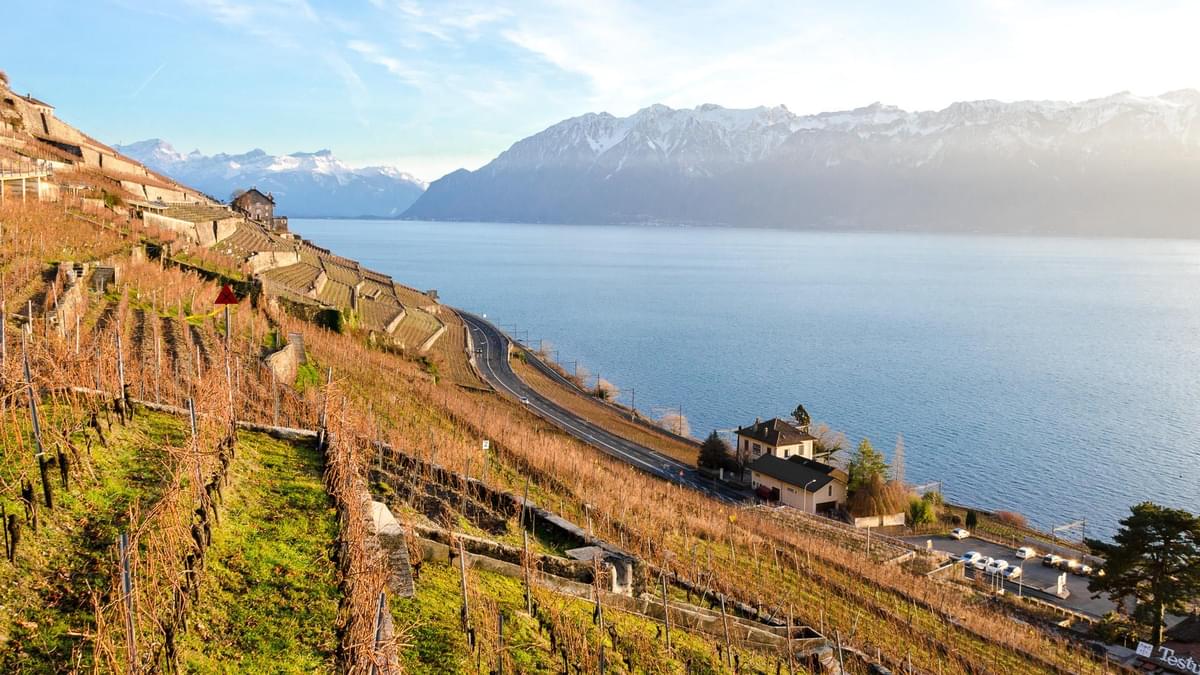
April is a great month to explore Switzerland’s lower-altitude towns, lakes and valleys, where spring flowers appear while the Alps remain snow-covered. These are some of the best places in Switzerland and offer a good mix of scenic views, seasonal events, sightseeing and activities.
- Montreux Promenade: The lakeside walk is made even more beautiful with tulips and daffodils, which contrast wonderfully with the snow-covered peaks of the Alps. A walk here is truly like being transported out of this world and into a spring postcard.
- Morges Tulip Festival: Just by Lake Geneva in the Lausanne area, more than 100,000 tulips are growing in all the colours you can think of. The event is a sparkling festival of spring and is definitely one of the best floral events in Switzerland.
- Zurich Botanical Garden: A morning walk through cherry blossoms and magnolias is one of the best things to do in Switzerland for a refreshing, peaceful, and colourful experience for anyone.
- Lavaux Vineyards: The famous terraces of Lavaux, which are listed as a World Heritage Site by UNESCO, turn lively green by the middle of April, and they offer a 360-degree view of Lake Geneva. The smell of the newly grown vine and the fresh mountain air make it impossible to forget the walk.
- Ticino: The South of Switzerland is a jewel that is worth seeing in spring, and that is why it comes early with palm trees, lemon flowers and a little bit of Mediterranean heat. The place where sun, lakes and culture are perfectly combined.
Top Things to Do in Switzerland in April
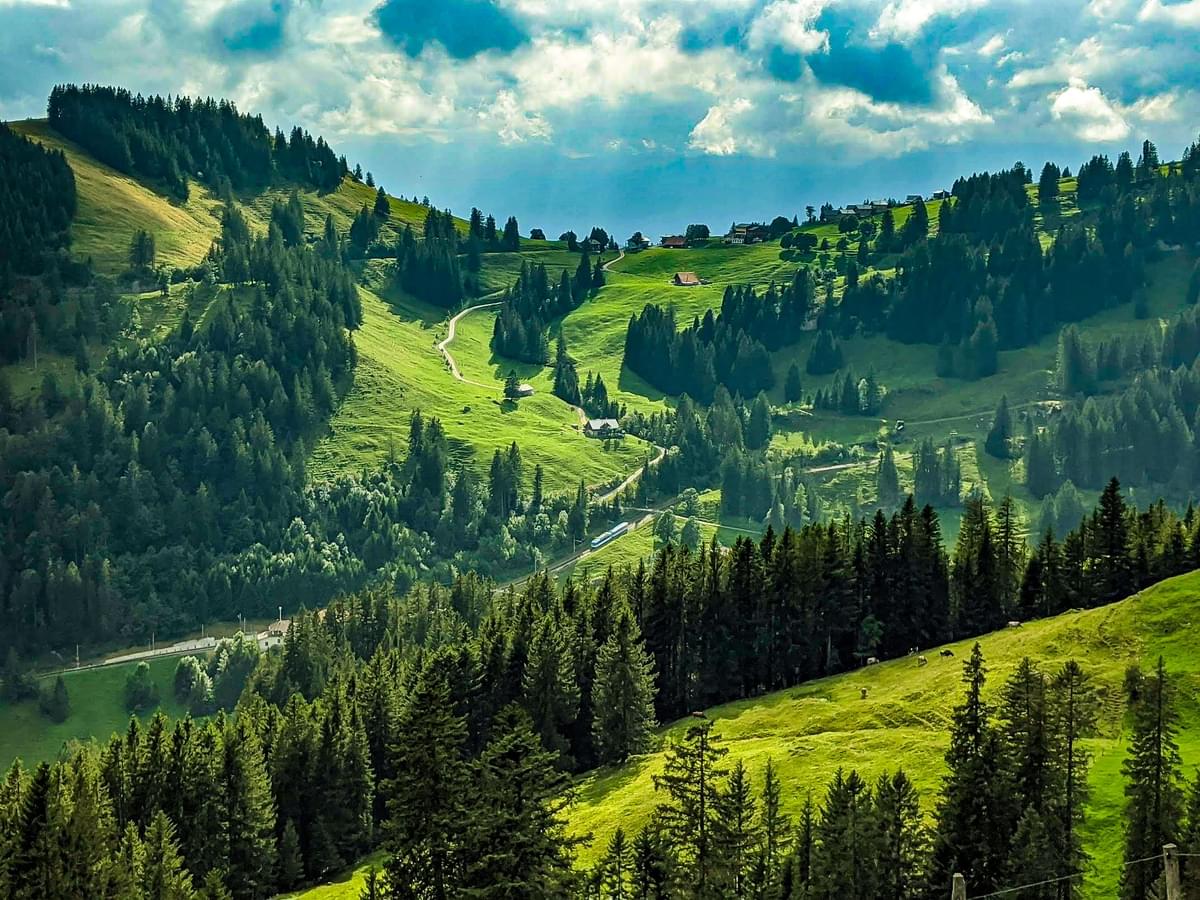
April is a great month to experience Switzerland’s spring landscapes while still enjoying snowy mountain scenery. Here are some of the best things to do in Switzerland that visitors can enjoy:
Uetliberg Ridge, Zurich – City Views & Alpine Trails
In less than the time of a train journey from the city, Uetliberg provides you with panoramic views of Zurich and the Alps far away. The easy ridge walk feels like an ideal mix of the urban and wild.
- Train fare: CHF 9 (INR 850) one way
Mount Rigi, Lucerne – “Queen of the Mountains” in Spring
With the easy trails, welcoming mountain cafes, and spectacular lake views that go beyond the horizon, Rigi is definitely the “Queen of the Mountains”. It is one of the best reasons to visit Switzerland during spring.
Lauterbrunnen Valley – Waterfalls & Flower-Filled Meadows
Under the enormously high cliffs and the waterfalls, which are rapidly tumbling, walk as the valley slowly awakens from its winter sleep. With 72 waterfalls and flower-filled meadows, it is like walking through a dream world.
Bernina Express & Glacier Express – Switzerland’s Most Scenic Train Journeys
Give your camera a break and just see for yourself how white mountain peaks are changing into bright villages and rivers that come from glaciers. It is a beautiful and impressive view of how nature is working in Switzerland.
- Tickets: CHF 150–180 (INR 13,800–INR 16,500)
What is Open and What is Closed in Switzerland in April?
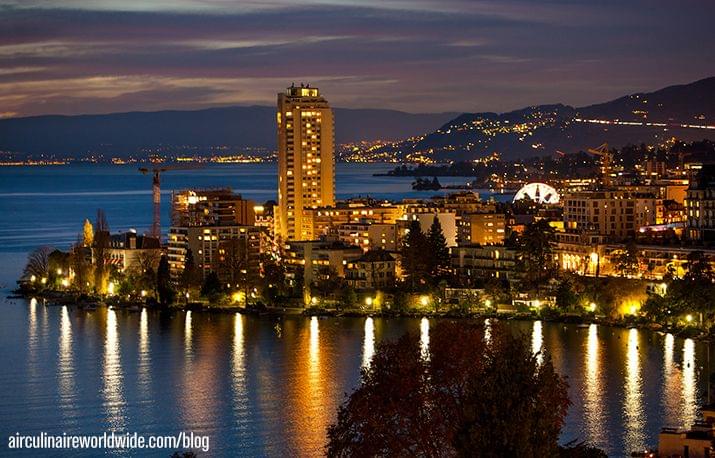
April is a transition month in Switzerland, so not every mountain railway, cable car or hiking trail operates on its summer schedule. While major attractions such as Jungfraujoch, Titlis and Rigi remain open, check seasonal opening dates before planning your day around higher-altitude activities.
Attraction | Status in April |
| Jungfraujoch (Top of Europe) | Open all year |
| Mount Titlis | Open |
| Mount Rigi | Open (free with the Swiss Travel Pass) |
| Mount Pilatus | The cogwheel railway usually reopens in May. The gondola from Kriens runs, but check dates |
| Trümmelbach Falls | Open from early April, weather permitting (adults CHF 18, about ₹2,100) |
| Lake boats (Lucerne, Zurich, Geneva, Thun) | Spring timetables, with more sailings as the month goes on |
| Glacier Express | Runs all year |
| Bernina Express | Runs all year, with fewer daily trains before the summer timetable |
| Gotthard Panorama Express | The 2027 season starts on 17 April |
| Schynige Platte and other summer-only lines | Closed until summer |
| Skiing | Zermatt and Saas-Fee glacier skiing continues. Most low- and mid-altitude resorts close their lifts by mid-April |
| High-altitude hiking | Not yet. Trails above about 2,000 m are under snow |
Events in Switzerland in April 2027
April brings Switzerland’s spring season to life with flower festivals, traditional celebrations and local cultural events. If you are visiting in 2027, these events are worth adding to your itinerary, especially if you want to experience Switzerland beyond its mountains and scenic train rides.
Event | Date | What it is |
| Morges Tulip Festival | 23 March – 9 May 2027 | More than 140,000 flowers and nearly 350 varieties of tulips beside Lake Geneva |
| Sechseläuten, Zürich | Monday 19 April 2027 | Zurich's spring festival, with guild parades and the burning of the Böögg snowman. Locals say the faster his head explodes, the better the summer |
| Landsgemeinde, Appenzell | Usually the last Sunday of April (25 April 2027) | An open-air vote by show of hands |
| White asparagus season | Starts in late April | Local menus feature the first spears |
4-Day Switzerland Itinerary for April
Day 1: Zurich: Old Town, Lake and Uetliberg
- Walk the Old Town (Altstadt), the Lindenhof viewpoint and the Limmat riverside.
- Take a short lake cruise on Lake Zurich.
- Ride the S10 train to Uetliberg for sunset views over the city and the Alps (about 25 minutes from Zurich main station).
Day 2: Lucerne and Mount Rigi
- Train from Zurich to Lucerne (about 45 minutes).
- Cross Chapel Bridge and wander the old town.
- Sail across Lake Lucerne and ride the cogwheel railway up Mount Rigi. Rigi is free with the Swiss Travel Pass.
Day 3: Interlaken and Lauterbrunnen
- Travel from Lucerne to Interlaken on the Luzern–Interlaken Express (about 2 hours).
- Take the train to Lauterbrunnen and see Staubbach Falls.
- Visit Trümmelbach Falls (CHF 18; wear a waterproof jacket).
- If the weather is clear and you want a big day, swap this for the Jungfraujoch.
Day 4: Montreux, Chillon Castle and Lavaux
- Travel from Interlaken to Montreux (about 3 hours with a change, on the GoldenPass line).
- Walk the Montreux promenade and visit Chillon Castle (check if your pass covers entry on the museum list).
- Finish in the Lavaux vineyards with a wine tasting at sunset. If your dates fall before 9 May, add a stop at Morges for the tulips.
What to Pack for Switzerland in April
- Layers: A light base layer, a fleece and a packable waterproof jacket.
- Waterproof shoes: Cobbled streets and wet paths are common.
- Warm extras: A hat and gloves for mountain trips like the Jungfraujoch.
- Sun protection: Sunscreen and sunglasses, especially at altitude.
- Power adaptor: Swiss sockets are Type J (a 3-pin type that differs from standard EU plugs).
April vs March vs May: Which Month Is Best?
Details | March | April | May |
| Crowds | Very low | Low | Low, rising late in the month |
| Valley weather | Cold, wintry | Variable, warming | Milder and more settled |
| Blossom and flowers | Early | Peak blossom and tulips | Alpine meadow flowers at lower levels |
| Mountain access | Winter only | Winter, transitioning | More summer lines open |
| Skiing | Good | Glacier areas only | Glacier areas only |
If you want blossom and good value, April is a strong choice. If you want more reliable weather and more open mountain railways, May is safer.
Smart Tips for Visiting Switzerland in April
- Check opening dates for any mountain railway or cable car before you plan a day around it.
- Book scenic train seats and the Jungfraujoch a few days ahead for fixed dates.
- Keep one flexible day for weather. Clouds can hide the peaks, so use it for the day when the forecast is clearest.
- Use the Swiss Travel Pass for the days you travel most, and walk or use local transport on city days.
- Check local school-holiday dates when booking hotels.
FAQs
1. Is April a good time to visit Switzerland?
A: Yes, April is a good time to visit Switzerland for spring flowers, tulip festivals, fewer crowds and generally lower hotel prices. However, mountain weather is still wintry, and some summer attractions may remain closed.
2. What is the weather like in Switzerland in April?
A: Switzerland in April has mild weather in cities and valleys, with daytime temperatures usually around 12–17°C. Mountain areas are much colder, and rain, snow and sudden weather changes are possible.
3. Does it snow in Switzerland in April?
A: Yes, snow remains common at higher elevations in April. Mountains above about 1,500–2,000 metres can still be snow-covered, while lower cities and valleys usually experience spring conditions.
4. Can you see snow in Switzerland in April?
A: Yes, you can see snow in the Alps throughout April, especially around Jungfraujoch, Zermatt and other high-altitude areas. Lower towns and valleys may already be green with spring flowers.
5. What are the best places to visit in Switzerland in April?
A: The best places to visit in April include Montreux, Morges, Lavaux, Zurich, Lucerne, Interlaken, Lauterbrunnen and Ticino. These areas offer spring scenery, lakes, flowers and mountain views without relying entirely on high-altitude activities.
6. Can you visit the Swiss Alps in April?
A: Yes, you can visit the Swiss Alps in April, but conditions depend on altitude and weather. Major attractions such as Jungfraujoch, Titlis and Rigi remain accessible, while some summer mountain routes and hiking trails are still closed.
7. Are mountain trains and cable cars open in Switzerland in April?
A: Some mountain trains and cable cars are open in April, while others operate on reduced or seasonal schedules. Jungfraujoch, Titlis and Rigi are generally open, but summer-only routes such as Schynige Platte remain closed.
8. Can you ski in Switzerland in April?
A: Yes, skiing is still possible in high-altitude glacier resorts such as Zermatt and Saas-Fee. Most low- and mid-altitude ski resorts start closing their lifts by mid-April.
9. What are the best things to do in Switzerland in April?
A: The best things to do include scenic train journeys, lake cruises, visiting tulip festivals, exploring Zurich and Lucerne, walking through Lauterbrunnen Valley, visiting mountain viewpoints and exploring the Lavaux vineyards.
10. Is Switzerland expensive in April?
A: Switzerland is still expensive compared with many European destinations, but April is generally cheaper than the summer peak season. Hotels can offer better rates, while transport, mountain attractions and food remain relatively costly.
11. How many days are enough for Switzerland in April?
A: Four days are enough for a first Switzerland trip covering Zurich, Lucerne, Interlaken and the Lake Geneva region. Seven days or more allow you to add destinations such as Zermatt or Ticino at a more relaxed pace.
12. What should I pack for Switzerland in April?
A: Pack layers, a warm fleece, a waterproof jacket, comfortable waterproof shoes, sunglasses, sunscreen, gloves and a warm hat. Mountain destinations can feel wintery even when cities are mild.
13. Is Switzerland in April suitable for Indian travellers?
A: Yes, Switzerland in April is suitable for Indian travellers who want spring scenery, scenic train rides and fewer crowds. Indian passport holders need a Schengen visa, and it is advisable to apply well before the trip.
14. Do Indians need a visa to visit Switzerland in April?
A: Yes, Indian citizens need a Schengen short-stay visa to visit Switzerland. Applicants need documents such as travel insurance, proof of funds and accommodation or travel plans.
15. What are the best events in Switzerland in April 2027?
A: Major April 2027 events include the Morges Tulip Festival from 23 March to 9 May, Zurich's Sechseläuten on 19 April and the Landsgemeinde in Appenzell, scheduled for 25 April.
16. Is April better than May for visiting Switzerland?
A: April is better if you want fewer crowds, spring flowers and potentially lower prices. May generally offers milder weather and more mountain attractions, hiking routes and seasonal transport services.
17. Is the Swiss Travel Pass worth it in April?
A: The Swiss Travel Pass can be worthwhile in April if you plan several train journeys, lake cruises, museums and included mountain excursions such as Mount Rigi. Compare the pass price with individual tickets if you plan only a few long-distance journeys.