
Best Time to Visit Phi Phi Island in 2026: Month-by-Month Weather Guide for Indian Travellers
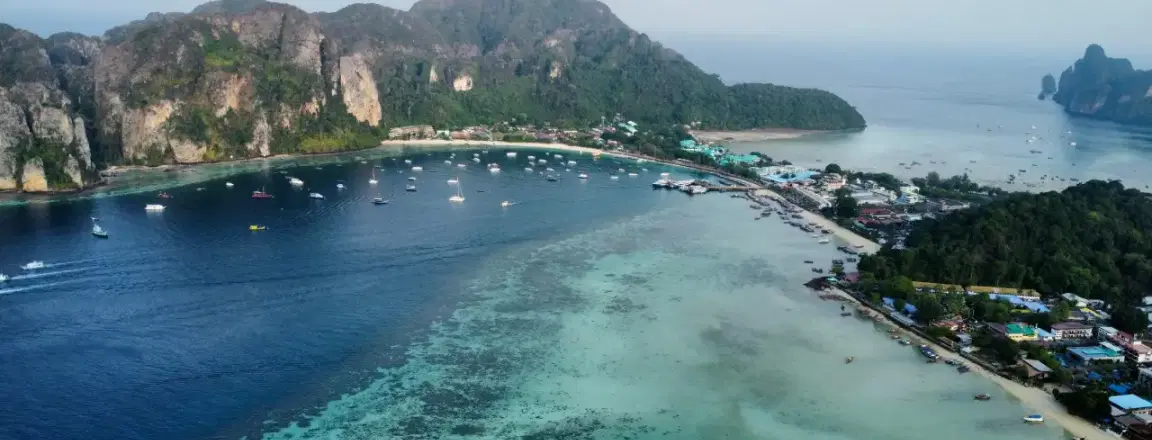
Planning a Phi Phi Island trip in 2026? The best time to visit Phi Phi Island is during the dry season from November to April. The season brings calm seas, clear skies and exceptional underwater visibility, thereby creating ideal conditions for snorkelling, island hopping, and beach stays without weather disruptions. So, whether you are planning your Thailand Package from India for a honeymoon, a budget holiday or a relaxing Thailand island escape, choosing the right season can completely shape your Phi Phi experience.
Best Time to Visit Phi Phi Island by Travel Style
Travel Style | Best Months |
| First-time visitors | November–February |
| Honeymooners | December–January |
| Budget travellers from India | May–June, September |
| Snorkelling & diving | December–March |
| Island hopping & boat tours | November–April |
| Photography & landscapes | November–February |
| Fewer crowds + low prices | May, September–October |
| Festivals & culture | April 13–15 (Songkran) |
| Nature & lush scenery | June–August |
Phi Phi Island Weather and Seasons Explained
Phi Phi Island sits within Krabi Province on Thailand's Andaman coast, which means it follows the same seasonal rhythm as Krabi, Koh Lanta, and Phuket. There are two clearly defined seasons:
Dry Season (November to April): Low rainfall, calm seas, excellent underwater visibility and uninterrupted boat services between Koh Phi Phi Don and Koh Phi Phi Leh. This is when Maya Bay is at its most photogenic, and snorkelling conditions around Bamboo Island and Pileh Lagoon are at their finest. So, if you are planning a wider Thailand trip, our guide on the best time to visit Thailand covers how Phi Phi's season fits into a broader Andaman itinerary.
Monsoon Season (May to October): The southwest monsoon brings heavy afternoon showers, rough seas, and regular boat cancellations to outer island routes. August and September are the wettest months. Maya Bay is seasonally closed during this period for conservation reasons, though the exact dates are announced by Thailand's Department of National Parks (DNP).
Phi Phi Island Weather by Month (2026)
Month | Season | Avg Temp | Rainfall | Best For |
| January | Peak | 23–31°C | Very Low | Beaches, diving, snorkelling tours |
| February | Peak | 23–33°C | Very Low (driest month) | Honeymooners, underwater visibility |
| March | Shoulder | 25–34°C | Low | Budget deals, fewer peak crowds |
| April | Shoulder/Hot | 27–36°C | Low–Moderate | Songkran, sun-seekers, relaxed pace |
| May | Monsoon begins | 26–33°C | Moderate | Budget resorts, lush scenery |
| June | Monsoon | 25–32°C | High | Off-peak savings, nature lovers |
| July | Monsoon | 25–31°C | High | Quieter islands, spa deals |
| August | Monsoon | 25–31°C | High | Budget trips (Maya Bay closed) |
| September | Monsoon (peak) | 24–30°C | Very High | Off-peak savings only |
| October | Transition | 24–30°C | High | Early deals, improving conditions |
| November | Peak begins | 24–30°C | Very Low | Best value month, ideal weather |
| December | Peak | 23–29°C | Minimal | Christmas, New Year, diving season |
Best Season to Visit Phi Phi Island in 2026
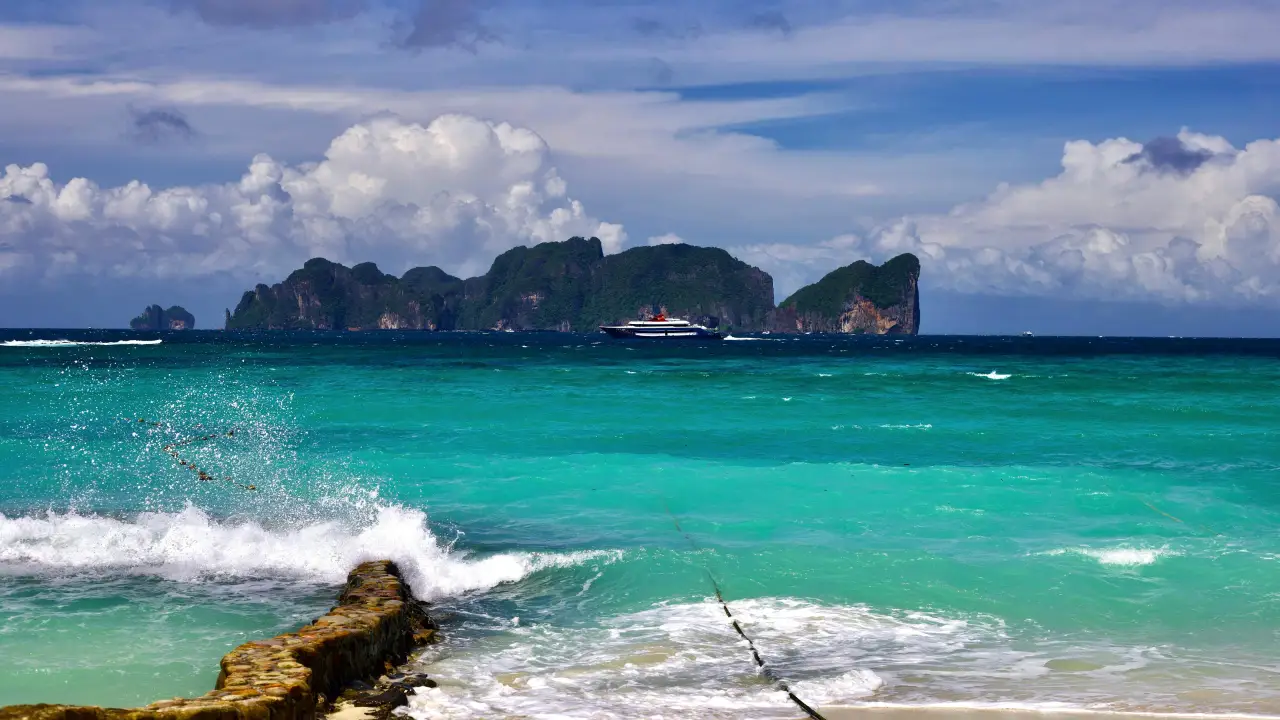
November to March: Best Time for Beaches, Snorkelling, and Island Hopping
The months from November through March are widely considered the best window for a Phi Phi Island trip. Dry weather, calm Andaman seas, and exceptional underwater visibility make this the season for snorkelling at Bamboo Island, catching the sunrise at Maya Bay, and island hopping across Thailand's most scenic waters, from Koh Phi Phi Don to the outer islands and back.
- Weather: 23°C–32°C, minimal rain, low humidity
- Sea conditions: Calm and clear, full boat services operational
- Best for: First-timers, honeymooners, snorkellers, divers, beach lovers
Key highlights:
- February is the driest month in Phi Phi Island's annual calendar, with precipitation probability as low as 20–25%.
- December is the coolest month. Combined with minimal rainfall, it's the most reliable for diving excursions around the reef systems near Koh Phi Phi Don.
- Snorkelling at Bamboo Island during December–March offers visibility of up to 15–20 metres on calm days, with blacktip reef sharks, clownfish, and large schools of sergeant majors commonly sighted.
- The 10 snorkelling and diving sites within Hat Noppharat Thara–Mu Ko Phi Phi National Park — closed for a year-long coral bleaching recovery — officially reopened on April 17, 2025.
- November hits a sweet spot: monsoon has cleared, prices are 20–30% lower than peak January rates, and boat tours run without weather-related disruptions.
What Indian travellers should know: December and January are the busiest months. Book accommodation and day tours at least 4–6 weeks in advance, especially over Christmas and New Year. Phi Phi's limited land area means hotels at popular spots like Tonsai Bay fill fast.
April to May: Best Time for Budget Travel and Songkran Festival
April is the hottest month on the islands. Temperatures regularly touch 35–36°C by midday, and the humidity climbs noticeably from late April onwards. Despite the heat, this is one of the most rewarding months for Indian travellers who want to experience Phi Phi without the peak price.
- Weather: 27°C–36°C, occasional afternoon showers from late April
- Sea conditions: Generally calm through April; May sees the first southwest monsoon swells
- Best for: Budget-conscious travellers, Songkran festival-goers, those who don't mind the heat
Key highlights:
Songkran (April 13–15): Koh Phi Phi Don's Tonsai Village joins the national Thai New Year celebration with street water fights, local festivities, and beach parties. It's one of the more underrated places in southern Thailand to experience Songkran.
June to October: Best Time for Nature, Photography, and Off-Season Travel
June to October is often considered one of the most rewarding times to visit Phi Phi Island if you prefer a quieter, more nature-focused experience. This period falls within the monsoon season and brings occasional tropical showers that transform the islands into a lush, vibrant green paradise. The landscapes feel fresher, the cliffs more dramatic against moody skies, and the sea takes on deeper shades of blue and turquoise that are perfect for photography.
- Weather: 24°C–33°C, frequent afternoon showers, high humidity
- Sea conditions: Increasingly rough from June; boat services to outer islands become unreliable or suspended, especially in August–October
- Best for: Photography, budget travellers, flexible itinerary holders, nature lovers
Important things to know before visiting Phi Phi in the monsoon:
- Maya Bay seasonal closure: The DNP closes Maya Bay annually to protect blacktip reef shark breeding and coral reef regeneration. Always check the national park's official channels before booking non-refundable tours.
- Boat cancellations: Ferries between Phuket, Krabi, and Phi Phi are subject to cancellation during rough-sea warnings. Travel with flexible booking terms during June–October.
- What still works: Tonsai Beach and Loh Dalum Beach on Koh Phi Phi Don remain accessible, and the island's internal viewpoint hike — offering panoramic views of both bays — is dramatically photogenic during and after rain.
- Bioluminescence: July and August occasionally bring visible bioluminescent plankton to the waters around Phi Phi at night. It's one of those rare, low-season rewards that peak-season visitors almost never see.
For a broader look at how the weather affects travel across the Andaman coast during these months, our Phuket in October guide gives you a clear idea of the complementary context for travellers covering multiple destinations.
Best Time to Visit Phi Phi Island for Popular Activities
Activity | Best Time / Months | Key Details |
| Snorkelling & Diving | December – March | Best underwater visibility. Recovered coral reefs in Koh Phi Phi national park waters improve marine life sightings. |
| Island Hopping & Boat Tours | November – April | Reliable sea conditions for tours covering Maya Bay, Pileh Lagoon, Viking Cave, and Bamboo Island. |
| Photography & Landscape Shots | November – February, July – August | Clear skies and calm seas create ideal aerial and water-level shots of limestone cliffs around Koh Phi Phi Leh. Monsoon season offers dramatic clouds and greener landscapes, but rougher sea conditions. |
| Phi Phi Don Viewpoint Hike | December – February | Cooler temperatures make the steep 20–30 min hike to the viewpoint on Koh Phi Phi Don more comfortable. |
| Budget Travel from India | May – June & September | Lowest flight and accommodation prices via Phuket. Good for cost-saving stays in Koh Phi Phi, though sea conditions may limit island-hopping tours and some boat activities. |
Maya Bay Rules and Entry Guidelines for 2026
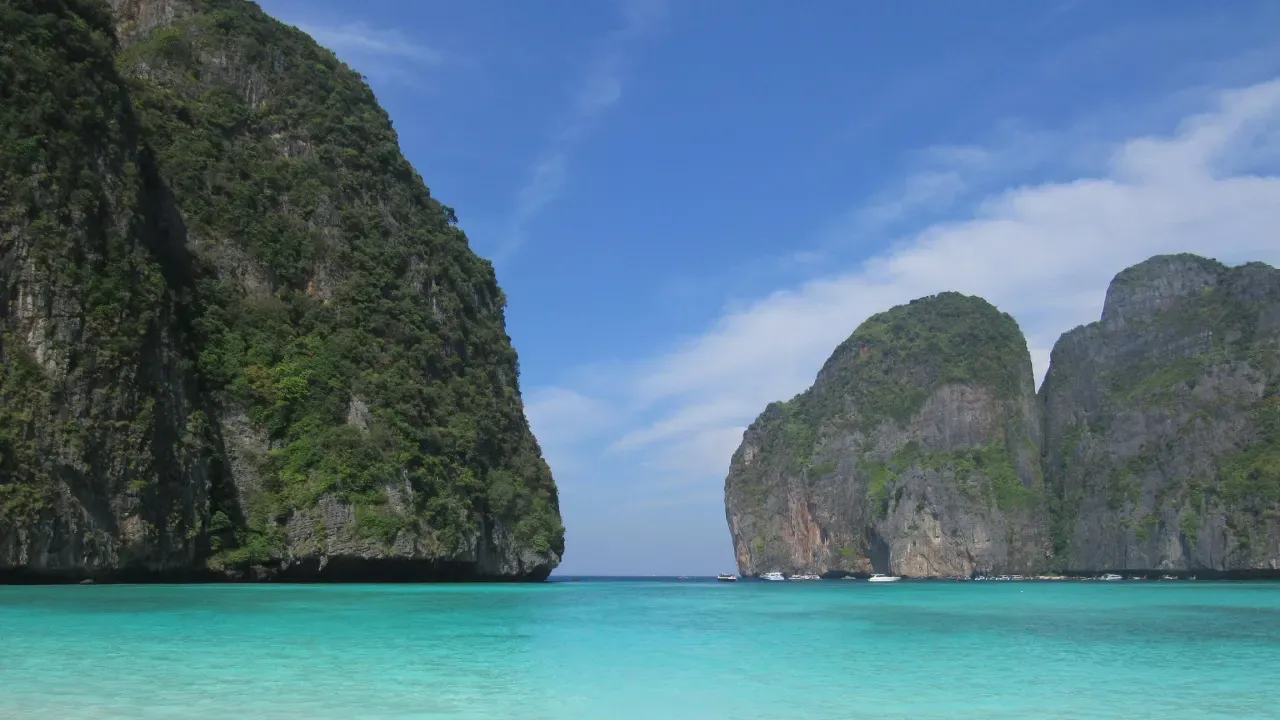
Maya Bay, made globally famous by the 2000 Leonardo DiCaprio film The Beach, operates under strict conservation rules since its 2022 reopening. These rules apply year-round and are enforced by national park rangers.
What to expect at Maya Bay in 2026:
- Swimming is prohibited. Visitors are permitted only knee-deep wading (approximately 30–40 cm water depth) to protect recovering coral reefs.
- Boats cannot anchor directly in the bay. Tours arrive at Loh Samah Bay and visitors walk a 200-metre designated path to Maya Bay.
- Daily visitor quota: A maximum of 380 visitors is permitted in Maya Bay simultaneously. Expect timed entry slots during peak months.
- Entry fee: A national park fee applies on top of tour costs — confirm the current fee with your operator before booking, as rates are reviewed annually.
- Fines: Violating national park rules can result in fines of 5,000–10,000 THB under the National Parks Act. Feeding fish or touching marine life under the Marine and Coastal Resources Act carries penalties of up to 100,000 THB.
- Timing tip: If you are staying overnight on Koh Phi Phi Don, book a private longtail for a 7 AM departure. You arrive at approximately 7:45 AM and have the bay largely to yourself before the day-trip speedboats from Phuket and Krabi arrive.
Phi Phi Island Festival and Event Calendar 2026
Festival/Event | Dates | Location | What to Expect |
| Songkran (Thai New Year) | April 13–15, 2026 | Tonsai Village, Koh Phi Phi Don | Street water fights, beach parties, and local celebrations |
| Loy Krathong | November 24–25, 2026 (approx.) | Tonsai Bay waterfront | Floating offerings, candlelit lanterns on the water |
| Dive Season Opening | November onwards | Mu Ko Phi Phi National Park sites | Snorkelling and diving conditions peak across the reef sites |
| Maya Bay Annual Closure | August–September (approx.) | Koh Phi Phi Leh | Conservation closure — confirm dates with DNP before booking |
NOTE: Festival dates based on the lunar calendar and are subject to annual variation. Always verify with local sources before travelling.
Essential Phi Phi Island Travel Tips for Indian Travellers
Getting to Phi Phi Island from India: There are no direct flights from India to Phi Phi. Most Indian travellers fly into Phuket International Airport and then take a ferry or speedboat to the islands.
Cheapest months to fly from India to Phi Phi (via Phuket): May, June, August, and September offer the lowest airfares, with September being the cheapest month.
What to pack by season:
- November–March: Light cotton clothing, reef-safe sunscreen (SPF 50+), rash guard for snorkelling, waterproof sandals, one light layer for air-conditioned ferry cabins.
- April–May: Breathable and light clothing, electrolyte supplements if hiking, a UV protection hat, and a hand fan.
- June–October: Packable rain jacket, dry bags for electronics, waterproof sandals, and flexible booking confirmation for all boat tours.
Final Verdict: What Is the Best Time to Visit Phi Phi Island?
In conclusion, the best time to visit Phi Phi Island depends on the kind of experience you are looking for. However, for most travellers, the sweet spot falls between November and April, when the weather is sunny, the sea is calm, and island hopping is at its best. April is the underrated choice for budget travellers and those who want to experience Songkran in a beach-town setting. The monsoon months (June–October) suit flexible, nature-oriented travellers who prioritise savings over certainty.
Frequently Asked Questions
1. What is the best month to visit Phi Phi Island?
The best month to visit Phi Phi Island is November, when the monsoon has just ended, the seas are calm, visibility is excellent, and prices are still lower than peak season. December to February offers the most stable weather, but with higher crowds and costs.
2. Is Phi Phi Island worth visiting during the monsoon season?
Yes, but only for flexible travellers. From June to October, Phi Phi offers lower prices and fewer crowds, but boat trips may be cancelled, and access to outer islands like Phi Phi Leh and Maya Bay can be limited.
3. Is Maya Bay open in 2026?
Yes, Maya Bay is open in 2026, but with strict conservation rules. Swimming is not allowed, visitor numbers are limited, and the bay typically closes temporarily in August–September for environmental recovery. Always check official updates before booking.
4. How many days do you need on Phi Phi Island?
You need 2 to 3 nights for a complete experience, including a Phi Phi Leh tour, snorkelling at Bamboo Island, beach time at Loh Dalum, and the viewpoint hike. A 4-night stay is ideal for a slower, more relaxed trip.
5. Can Phi Phi Island be visited as a day trip from Phuket?
Yes. A day trip from Phuket is possible via speedboat (45–60 minutes). It usually includes Maya Bay, Pileh Lagoon, Viking Cave, and snorkelling stops, but staying overnight gives a better experience with fewer crowds.
6. What is the cheapest time to visit Phi Phi Island from India?
The cheapest time is September, followed by May and June, when flights and hotels are significantly cheaper. However, September is also the wettest month with higher chances of boat disruptions.
7. Is snorkelling and diving good in Phi Phi Island in 2026?
Yes. Snorkelling and diving are best from December to March, when underwater visibility is at its peak. Several reef sites inside the Mu Phi Phi National Park reopened in 2025 after coral recovery efforts.