
- Home
- Tourism
- United Kingdom
- Edinburgh Tourism Guide 2026–27: Best Places, Costs, Visa & Travel Tips
Edinburgh Tourism Guide 2026–27: Best Places, Costs, Visa & Travel Tips
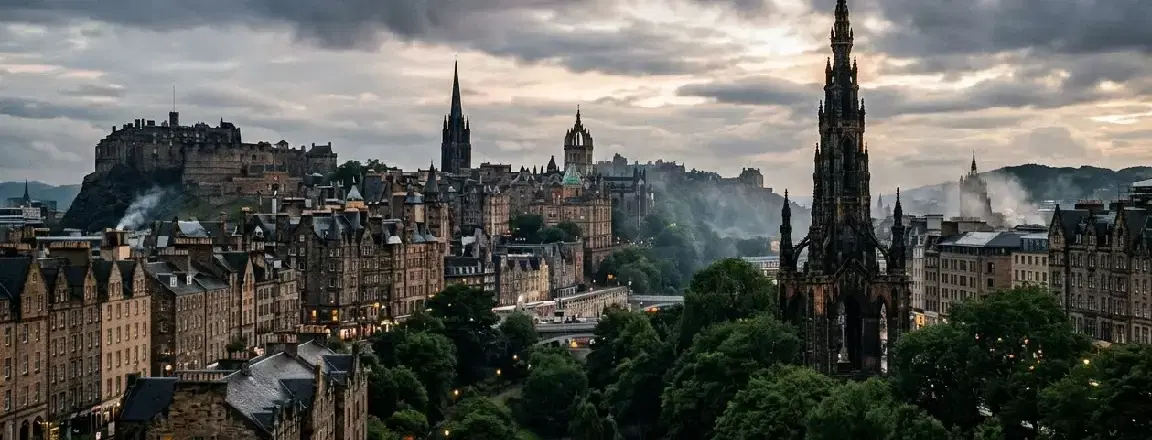
Edinburgh may look expensive and complicated to plan, but three days are enough to see its main sights without rushing. The key is to group nearby attractions instead of trying to tick them off one by one. This Edinburgh Tourism Guide covers the best time to visit, top sights, visa requirements, transport, accommodation areas, and realistic costs, helping you plan your UK Tour Packages without hassle. You’ll also find day-trip ideas, festival dates and useful tips for Indian travellers, so you can plan Edinburgh with fewer surprises and a clearer budget.
Edinburgh’s historic centre is compact and walkable, with Edinburgh Castle, the Royal Mile, Arthur’s Seat and Princes Street all within easy reach of the city centre. For Indian travellers, Edinburgh is easiest to plan between May and June or in September, when daylight is long, the weather is generally manageable, and prices are lower than during the busy August festival season. This guide will help you choose the right month and plan around the city's hills, weather and festival crowds, which will save both time and money.
Edinburgh at a Glance
Factors | Details |
| Country | Scotland, United Kingdom |
| Best months | May–June and September (August for festivals) |
| Ideal trip length | 3 days; 4–5 days with a day trip |
| Currency | Pound sterling (£). About ₹128 per £1 in mid-September 2026 |
| Visa for Indians | UK Standard Visitor visa, £135 (about ₹17,300) |
| Flights from India | No non-stop flights. One stop, from about 12½ hours |
| Airport | Edinburgh Airport (EDI), about 13 km west of the centre |
| Time difference | 4½ hours behind India in British Summer Time (end of March to end of October); 5½ hours behind in winter |
| Language | English |
| Plug and voltage | Type G, 230 V |
| Emergency number | 999 (112 also works) |
What is Edinburgh famous for?
Edinburgh is famous for its historic castle, Old Town, festivals, Scottish food, whisky and strong links to literature. The city is also known for its dramatic volcanic landscape and streets filled with centuries of history.
- Edinburgh Castle: Built on Castle Rock, an ancient volcanic rock, the castle is one of Edinburgh’s most famous landmarks. It is also home to the Honours of Scotland, the Scottish crown jewels.
- The Royal Mile: This historic cobbled street connects Edinburgh Castle with the Palace of Holyroodhouse. It is lined with shops, restaurants, historic buildings and narrow lanes called closes.
- Edinburgh festivals: The city hosts major events throughout the year. The Edinburgh Festival Fringe is one of the world’s largest arts festivals, while Hogmanay brings large New Year celebrations to the city.
- Scotch whisky and Scottish food: Whisky is a major part of Edinburgh's food and drink scene. Visitors can also try Scottish dishes such as haggis, neeps and tatties, with vegetarian options available.
- Books, films and famous stories: Edinburgh is the world's first UNESCO City of Literature and has strong links to writers such as Robert Burns, Walter Scott and Robert Louis Stevenson. Harry Potter fans can also explore places such as Greyfriars Kirkyard and Victoria Street, which is often associated with the look of Diagon Alley.
Best time to visit Edinburgh
The best time to visit Edinburgh is May to June or September if you want a good mix of mild weather, longer days and fewer crowds. August is ideal if you want to experience Edinburgh’s famous festivals, but it is also the busiest and most expensive time to visit. Edinburgh’s weather can change quickly, so pack layers and a waterproof jacket whatever month you choose.
Months | Typical temperature | What's on | Crowds and prices |
| Jan–Feb | 1–7°C | Quiet city, short days | Lowest hotel rates |
| Mar–May | 3–14°C | Spring bloom in Princes Street Gardens, longer evenings | Moderate; Easter is busier |
| June–July | 10–19°C | Daylight until about 10 pm in June | Busy but manageable |
| August | 10–19°C | Fringe, International Festival, Tattoo, Book Festival | Peak. Hotels sell out months ahead |
| Sep–Oct | 6–16°C | Autumn colour, quieter sights | Good value, fewer queues |
| Nov–Dec | 1–9°C | Christmas market, Hogmanay; sunset around 3:30 pm in late December | Busy at Christmas and New Year |
Things to do in Edinburgh
Edinburgh is easy to explore, but the best experiences are not limited to ticking off famous landmarks. You can walk through medieval streets in the morning, hike up an extinct volcano before sunset, and end the day with live music or a Scottish dinner.
Explore Edinburgh Castle
Start your Edinburgh trip at Edinburgh Castle, the city's most famous landmark. Built on Castle Rock, it overlooks the Old Town and offers views across the city. Inside the castle, visitors can see the Honours of Scotland, the Great Hall, St Margaret's Chapel and Mons Meg.
- Time needed: 2–3 hours
Tip: Book online in advance, especially for June to August, as popular time slots can sell out.
Walk along the Royal Mile
The Royal Mile connects Edinburgh Castle with the Palace of Holyroodhouse and is one of the city's best walks. Walk the Royal Mile, and along the way, visitors can explore historic closes, St Giles' Cathedral, independent shops and cafes.
The walk is free, but allow extra time to explore the small lanes and attractions along the route. During August, expect large crowds and street performances because of Edinburgh's festivals.
Climb Arthur's Seat
For one of the best views of Edinburgh, hike up Arthur's Seat in Holyrood Park. The 251-metre-high hill is the remains of an extinct volcano and is free to visit.
- Time needed: 1.5–2 hours
Tip: Wear shoes with good grip. The final section can be steep and rocky, and strong winds are common at the top.
Watch the sunset from Calton Hill
If you want a great Edinburgh viewpoint without a long hike, choose Calton Hill. The short climb from Princes Street gives you views of Edinburgh Castle, Arthur's Seat, the Old Town and the Firth of Forth.
It is especially good around sunset and is completely free, making it an easy addition to a budget-friendly Edinburgh itinerary.
Discover Edinburgh's Old Town
Walk beyond the Royal Mile and explore the streets around Victoria Street, Grassmarket and Greyfriars Kirkyard. Victoria Street is known for its colourful curved shopfronts, while Grassmarket is a lively area for cafés, pubs and restaurants. Greyfriars Kirkyard adds a quieter side to the Old Town, with historic graves and stories connected to Edinburgh's past.
Visit the National Museum of Scotland
The National Museum of Scotland is one of the best free things to do in Edinburgh. Its collections cover Scottish history, science, natural history, technology and world cultures. Its rooftop terrace is another highlight, offering a free view over the Old Town.
See the Royal Yacht Britannia
Take a self-guided tour of Royal Yacht Britannia in Leith, the former royal yacht of Queen Elizabeth II. You can see the State Apartments, crew quarters and other parts of the ship.
- Time needed: About 2 hours
Tip: Keep this activity for a rainy afternoon because most of the experience is indoors.
Take an underground or ghost tour
Edinburgh's Old Town has a darker side, with underground vaults, historic closes and centuries-old ghost stories. Evening walking and underground tours are popular ways to experience it.
9. Explore Leith and try local food
Leith is a good choice when you want to experience Edinburgh beyond the main tourist centre. The waterfront area has restaurants, cafés and bars, while the Royal Yacht Britannia is nearby. For Indian travellers who enjoy food, Leith is worth considering for an evening meal after sightseeing in the city centre.
10. Walk through Dean Village and Stockbridge
Take a relaxed walk from Princes Street towards Dean Village and continue to Stockbridge. The route combines historic buildings, the Water of Leith, independent shops and cafes. This is a good option when you want a quieter afternoon away from the busy Old Town.
11. Try traditional Scottish food
Edinburgh is a good place to try traditional Scottish dishes. Vegetarian travellers can find meat-free versions of dishes such as haggis, while cranachan is a popular Scottish dessert.
For Indian travellers who prefer familiar food, Edinburgh also has plenty of Indian restaurants, particularly around the city centre.
Places to visit in Edinburgh
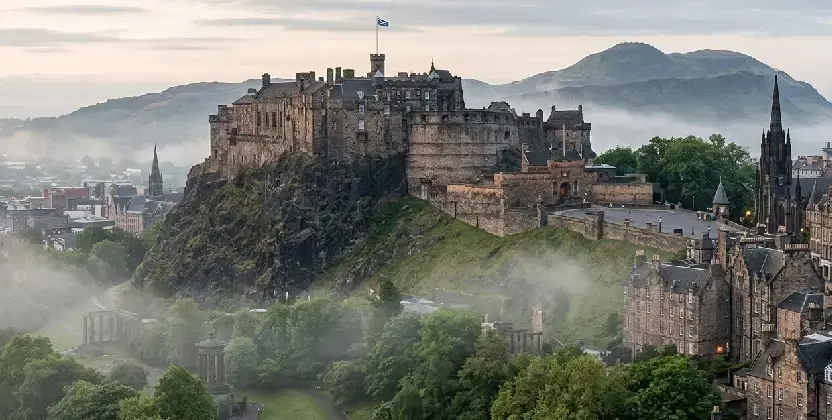
Edinburgh's best places are close enough to explore on foot. The Old Town is best for medieval streets and major landmarks, while the New Town offers elegant Georgian architecture, gardens and shopping. For a first trip, combine the famous sights with a few quieter neighbourhoods to experience more of the city.
1. Edinburgh Castle
Edinburgh Castle is the city's most famous landmark. The castle sits on Castle Rock, dominates the skyline and offers excellent views over Edinburgh. Inside, you can see the Honours of Scotland, the Great Hall, St Margaret's Chapel and Mons Meg.
2. Royal Mile
The Royal Mile is the historic route connecting Edinburgh Castle with the Palace of Holyroodhouse. It is one of the best places to experience the Old Town on foot. Here, you can explore St Giles' Cathedral, historic closes, small shops and cafes along the way.
3. Palace of Holyroodhouse
At the opposite end of the Royal Mile, the Palace of Holyroodhouse offers a glimpse into Scotland's royal history. It is the King's official residence in Scotland and is particularly known for its connection with Mary, Queen of Scots.
4. Arthur's Seat and Holyrood Park
For travellers who enjoy outdoor experiences, Arthur's Seat is one of Edinburgh's must-visit places. The 251-metre-high peak is the remains of an extinct volcano and provides panoramic views across the city. The walk is free but involves steep and uneven sections.
5. Calton Hill
Calton Hill is one of the easiest viewpoints to reach in central Edinburgh. It takes only around 10 minutes to climb from Princes Street and gives you views of Edinburgh Castle, Arthur's Seat, the Old Town and the Firth of Forth.
6. Victoria Street and Grassmarket
Victoria Street and Grassmarket to your Old Town walk. Victoria Street is known for its colourful curved buildings and independent shops, while Grassmarket has cafés, restaurants and pubs surrounded by historic architecture. The two areas are close together, so you can comfortably explore them in the same afternoon.
7. National Museum of Scotland
The National Museum of Scotland is one of the best free places to visit in Edinburgh, especially when the weather turns wet. Its galleries cover Scottish history, natural history, science, technology, fashion and world cultures.
8. Scottish National Gallery
Art lovers should visit the Scottish National Gallery on The Mound. Its permanent collection includes European and Scottish art from the Renaissance to the early 20th century.
Entry to the permanent collection is free, making it an easy addition to a sightseeing day without increasing your attraction budget.
9. Royal Yacht Britannia and Leith
Visit Leith and explore the Royal Yacht Britannia, the former royal yacht of Queen Elizabeth II. Here, you can explore the State Apartments, crew quarters and other areas of the ship with a self-guided audio tour.
10. Dean Village
Dean Village feels very different from the busy Old Town. The former milling village sits beside the Water of Leith and has historic buildings, narrow lanes and riverside views. It is easy to reach from Princes Street and works well as a relaxed morning or afternoon walk.
11. Stockbridge
Stockbridge is a lively neighbourhood known for independent cafes, shops and its relaxed local atmosphere. If your trip includes a Sunday, the Stockbridge Market is worth checking. It is a good area for a slower afternoon away from the main tourist streets.
12. Greyfriars Kirkyard
Greyfriars Kirkyard is one of Edinburgh's most atmospheric historic sites. The old burial ground is close to the National Museum and Grassmarket, so it is easy to add to an Old Town walking route. It is particularly interesting for travellers who enjoy Edinburgh's history, legends and literary connections.
13. Portobello Beach
Take a short trip to Portobello Beach, Edinburgh's main seaside area. The beach has a long promenade and is a refreshing change from the city's historic streets. It is best visited on a dry day when you can combine the beach with a relaxed walk or café stop.
14. Princes Street Gardens
Located between the Old Town and New Town, Princes Street Gardens is a convenient place to take a break during sightseeing. Here, you also get views of Edinburgh Castle from the gardens, making it one of the easiest places to enjoy the city's skyline without paying an entry fee.
Festivals and Events in Edinburgh

Edinburgh hosts major festivals throughout the year, but August is the busiest festival month. The Edinburgh Festival Fringe and Royal Edinburgh Military Tattoo bring large crowds, while Christmas and Hogmanay make winter another popular time to visit.
Event | Dates | What to expect |
| Edinburgh Festival Fringe 2027 | 6–30 August 2027 | The 80th Fringe features comedy, theatre, music, dance and other live performances across venues around the city. Book popular shows and accommodation early. |
| Royal Edinburgh Military Tattoo 2027 | 6–28 August 2027 | A large outdoor show at Edinburgh Castle Esplanade featuring military bands, music and Scottish heritage. The 2027 show is called The Same Heart Beat. Tickets are already on sale. |
| Edinburgh’s Christmas | 14 November 2026–3 January 2027 | Christmas markets, festive events and family activities across the city centre, including Princes Street Gardens and George Street. |
| Edinburgh’s Hogmanay | 29 December 2026–1 January 2027 | A four-day New Year festival with the Torchlight Procession, live music, the Street Party and midnight fireworks. |
How to Reach Edinburgh from India
There are no direct flights from India to Edinburgh. Most Indian travellers need one stop at a major international airport before continuing to Edinburgh Airport. Common connection points include London, Amsterdam, Frankfurt, Doha, Dubai and Helsinki.
The fastest Delhi–Edinburgh journeys can take around 12½ hours, depending on the airline and connection time.
Flights from India to Edinburgh
Departure city | Typical route | Stops | Approx. journey time |
| Delhi | Delhi → Doha/Dubai/Amsterdam/Frankfurt → Edinburgh | 1 | From about 12–13 hours, excluding layover |
| Mumbai | Mumbai → Doha/Dubai/Europe → Edinburgh | 1 | From about 12½ hours, depending on the connection |
| Other Indian cities | Connect through Delhi, Mumbai or an international hub | 1–2 | Depends on the origin and connection |
Tip for Indian travellers: August is Edinburgh's peak festival season, while Christmas and Hogmanay can also increase demand. If your dates are flexible, compare several travel dates before booking your flight.
UK visa for Indian travellers
- Indian passport holders need a UK Standard Visitor visa. It costs £135 (~ ₹17,300) and allows stays of up to 6 months, according to GOV.UK.
- You can apply online up to 3 months before travel, then attend a biometrics appointment in India.
- The UK's Electronic Travel Authorisation (ETA), which costs £20 (~ ₹2,560) from April 2026, is for travellers who do not need a visa. It does not replace the visa for Indian passport holders. Confirm your own case with GOV.UK's "Check if you need a UK visa" tool.
- Apply at least 6–8 weeks before departure, and longer for summer or festival travel.
- If you connect through a UK airport, check the GOV.UK transit rules for your route. Many Indian travellers choose a non-UK connection.
The Edinburgh Visitor Levy
Since 24 July 2026, Edinburgh has charged a 5% visitor levy on paid overnight accommodation. The levy applies to hotels, B&Bs, hostels, self-catering flats and short-term rentals. It is limited to the first five consecutive nights of a stay.
The levy is calculated on the accommodation cost only. Meals, drinks, parking and transport are not included in the amount on which the 5% levy is charged.
Where to Stay in Edinburgh?
The best area depends on whether you want to be close to the main sights, public transport or restaurants. Old Town is convenient for first-time visitors, while Haymarket and Leith can offer useful transport links and different accommodation options.
Area | Best for | What to know |
| Old Town | First-time visitors and sightseeing | Close to Edinburgh Castle and the Royal Mile; expect steep streets and more noise during festivals |
| New Town | Shopping, restaurants and central stays | Elegant streets and easy access to the city centre |
| West End | A quieter central location | Good walking access to Princes Street and Haymarket |
| Haymarket | Train and tram connections | Useful for airport and rail connections; fewer major sights nearby |
| Leith | Restaurants and the waterfront | Further from the Old Town, but well connected by tram |
| Stockbridge | Cafés and a local neighbourhood feel | Quieter than the Old Town, with fewer hotels |
What to eat and drink in Edinburgh?
Edinburgh offers plenty of Scottish food, whisky, afternoon tea and Indian food. Vegetarian travellers can also find many suitable choices.
- Haggis: Try traditional haggis or a vegetarian version. Ask about ingredients if you have dietary restrictions.
- Scottish breakfast: A filling option for starting a sightseeing day.
- Cranachan: A Scottish dessert made with oats, raspberries, cream and whisky.
- Scotch whisky: The Scotch Whisky Experience on the Royal Mile is one option for visitors who want to learn about whisky.
- Afternoon tea: Some Edinburgh attractions and hotels offer afternoon tea experiences.
- Indian food: Edinburgh has many Indian restaurants, with plenty of vegetarian choices. Dishoom also has a branch on St Andrew Square.
- Tipping: A tip of around 10–12.5% is common in sit-down restaurants when service is not already included. Tipping is generally not expected in pubs.
How much does Edinburgh cost?
Edinburgh can be an expensive UK city, especially for accommodation. Hotel prices rise sharply during August festivals and Hogmanay. Flights, food and accommodation will make up most of your trip budget, while sightseeing and local transport are easier to estimate.
Sightseeing and transport | Cost |
| Edinburgh Castle (online) | £23.50 (~ ₹3,006) |
| Palace of Holyroodhouse (online) | £22.00 (~ ₹2,815) |
| Royal Yacht Britannia (online, April–October) | £23.00 (~ ₹2,942) |
| Local transport, 3 days at the contactless cap | £17.10 (~ ₹2,188) |
| Airport tram, open return | £9.50 (~ ₹1,216) |
| Total | £95.10 (~ ₹12,200) |
How to save money in Edinburgh
- Visit free museums and galleries.
- Compare attraction tickets before buying a pass.
- Book major attractions online where possible.
- Have your main meal at lunch, when some restaurants offer cheaper set menus.
- Stay outside the busiest areas if accommodation prices in the city centre are too high.
Tips for first-time visitors from India
A few small preparations can make your first Edinburgh trip easier:
- Carry a contactless or international card: Cards are widely accepted, including on public transport. Keep some pounds in cash for places that may not accept cards.
- Wear comfortable shoes with good grip: Edinburgh has cobbled streets, steps and steep hills. Wet weather can make some surfaces slippery.
- Pack layers: Edinburgh's weather can change quickly. Layers are easier to adjust than one heavy jacket.
- Book popular attractions early: Edinburgh Castle, the Royal Yacht Britannia and the Royal Edinburgh Military Tattoo can sell out, especially during peak season. Use official booking websites.
- Get mobile data: An eSIM or international roaming pack can help you use maps, tickets and transport apps without relying on public Wi-Fi.
- Know the emergency numbers: Call 999 or 112 in an emergency in the UK.
Public Transport in Edinburgh
Edinburgh's public transportation is managed by Transport for Edinburgh through two projects, "Edinburgh Trams" and "Lothian Buses", which operate trams and buses respectively in the city. Tram tickets start at 1.60 GBP per adult and Bus tickets cost 1.70 GBP per adult for a basic ride. Buses have more connectivity around the city, whereas the tram network operates along a 14km stretch from the airport to the ocean terminal (Newhaven).
Taxi & Airport transfer in Edinburgh
Frequent shuttles and taxis are available at the airport. Some of the popular service providers that you can make use of include Uber, Central Taxis, and Suntransfers. Transportation costs from and to the airport are higher than within the city.
Transport & city passes in Edinburgh
The Edinburgh pass has a validity of 1/2/3 days and can be used for visiting over 30 sightseeing locations in the city at a lower bundled cost. The pass also includes free airport transfer through the Express Airlink transportation facility. The card can be bought online as well as at outlets in Scotland.
Driving & Car rental in Edinburgh
Renting a car would be relatively more expensive than utilising public transport. However, you can drive from Edinburgh to Inverness (popular among travellers) at your own leisure and enjoy the Scottish countryside. Make sure to abide by the road rules and other safety measures applicable to the UK. Alternatively, you can hire a driver while renting the car.
Conclusion
Edinburgh is easy to enjoy in around three days, and you can plan your itinerary around its main sights. Here, you can start with Edinburgh Castle and the Royal Mile, add Arthur's Seat or Calton Hill for city views, and leave time for the National Museum, Leith or a relaxed walk through the Old Town.
For Indian travellers, May to June and September offer a good balance of weather, daylight and crowds. August is worth choosing if Edinburgh's famous festivals are your priority, but expect higher accommodation prices and heavier crowds. Before you travel, arrange your UK Standard Visitor visa, book popular attractions and add the 5% Edinburgh visitor levy to your budget. This Edinburgh Tourism Guide will help you plan your dates, budget and itinerary conveniently.
FAQs
1. What is the best time to visit Edinburgh?
A: The best time to visit Edinburgh is May to June or September for milder weather, longer daylight and fewer crowds. August is best for festivals but is also the busiest and most expensive month.
2. How many days are enough for Edinburgh?
A: Three days are enough to visit Edinburgh's main attractions, including Edinburgh Castle, the Royal Mile, Arthur's Seat, Calton Hill and the National Museum of Scotland. Plan 4–5 days if you want to add day trips.
3. What is Edinburgh famous for?
A: Edinburgh is famous for Edinburgh Castle, the Royal Mile, historic Old Town, festivals, Scottish food, whisky and literary heritage. The city is also known for Arthur's Seat and its dramatic volcanic landscape.
4. What are the best places to visit in Edinburgh?
A: The best places to visit in Edinburgh include Edinburgh Castle, Royal Mile, Palace of Holyroodhouse, Arthur's Seat, Calton Hill, Victoria Street, National Museum of Scotland, Royal Yacht Britannia and Dean Village.
5. Is Edinburgh expensive for Indian travellers?
A: Edinburgh can be expensive, especially for accommodation during August festivals and Hogmanay. You can reduce costs by staying outside the busiest areas, using public transport and visiting free museums and galleries.
6. How much does a 3-day trip to Edinburgh cost from India?
A: A 3-day Edinburgh trip from India can cost differently depending on flights, hotel category, travel dates and activities. Budget separately for flights, UK visa, accommodation, food, local transport, attractions and the 5% Edinburgh visitor levy on eligible stays.
7. Do Indians need a visa to visit Edinburgh?
A: Yes. Indian passport holders need a UK Standard Visitor visa to visit Edinburgh. The visa allows eligible visitors to stay in the UK for up to 6 months, subject to the visa conditions.
8. How much is the UK tourist visa fee for Indians?
A: The UK Standard Visitor visa currently costs £135 (~ ₹17,300) at the exchange rate used in this guide. Check GOV.UK for the latest fee before applying.
9. How can I reach Edinburgh from India?
A: There are no regular non-stop flights from India to Edinburgh. Most travellers fly with one stop through hubs such as Doha, Dubai, Amsterdam, Frankfurt or Helsinki before arriving at Edinburgh Airport.
10. What is the best area to stay in Edinburgh?
A: Old Town is best for first-time visitors who want to stay close to major attractions. New Town is good for shopping and restaurants, while Haymarket is convenient for train, tram and airport connections.
11. Is Edinburgh easy to explore without a car?
A: Yes. Edinburgh is easy to explore without a car because many major attractions are within walking distance. Buses and trams are useful for longer journeys, including travel between Edinburgh Airport and the city centre.
12. What are the best free things to do in Edinburgh?
A: Some of the best free things to do in Edinburgh include walking the Royal Mile, visiting the National Museum of Scotland, exploring Greyfriars Kirkyard, walking through Dean Village, visiting Princes Street Gardens and enjoying the views from Calton Hill.
13. What should I eat in Edinburgh as an Indian traveller?
A: Traditional foods to try in Edinburgh include haggis, Scottish breakfast and cranachan. Vegetarian travellers can choose meat-free versions of some Scottish dishes, while Indian restaurants are widely available across the city.
14. What are the best day trips from Edinburgh?
A: Popular day trips from Edinburgh include the Scottish Highlands, Loch Ness, Stirling, St Andrews and the surrounding countryside. A day trip is easier to add if you plan at least four days in Edinburgh.
15. What should I pack for Edinburgh?
A: Pack layers, a waterproof jacket, comfortable walking shoes with good grip and a small umbrella or rain protection. Edinburgh's weather can change quickly, even during the warmer months.
16. What currency is used in Edinburgh?
A: The currency used in Edinburgh is the British pound sterling (£). Cards and contactless payments are widely accepted, but carrying a small amount of cash can be useful for occasional payments.