
- Home
- Attractions
- Bali
- Jatiluwih Rice Terraces, Bali: A Lush Green UNESCO World Heritage Site
Jatiluwih Rice Terraces, Bali: A Lush Green UNESCO World Heritage Site
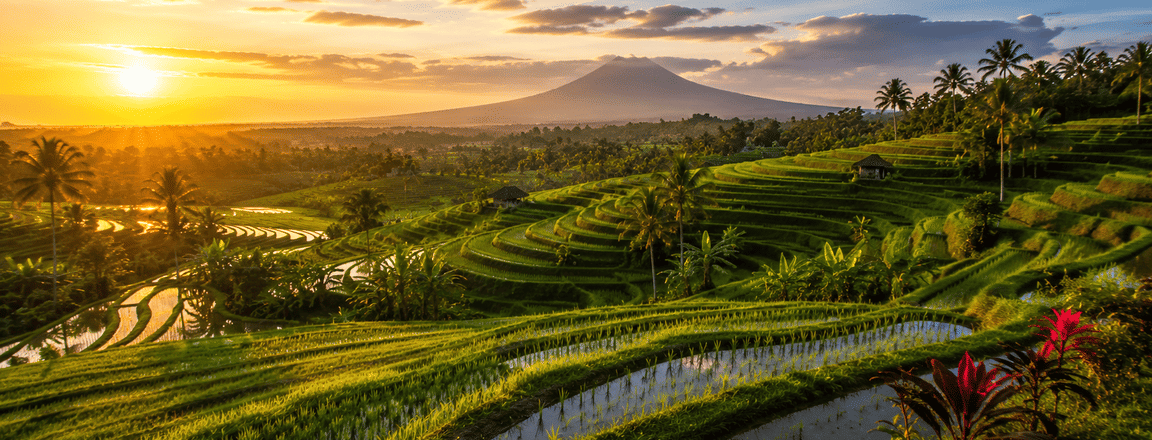
The Jatiluwih Rice Terraces, Bali, are one of the island’s most significant cultural and natural attractions, covering more than 600 hectares of terraced farmland and forming part of a UNESCO World Heritage Site. Unlike many of Bali’s heavily visited landmarks, Jatiluwih remains an active agricultural landscape where the traditional Subak irrigation system continues to support local farming communities. If you are planning a visit, this guide explains everything you need to know, including entrance fees, trekking routes, opening hours, the best time to visit, nearby attractions, and practical travel tips. It is also a popular inclusion in many Bali tour packages focused on culture, nature, and rural experiences.
Jatiluwih Rice Terraces: Quick Overview
| Detail | Information |
| Location | Tabanan Regency, Central Bali (700m elevation, Mount Batukaru slopes) |
| UNESCO Status | Yes (2012, Cultural Landscape of Bali Province) |
| Size | 632 hectares (Bali's largest rice terrace) |
| Entrance Fee | Foreign: 75,000 IDR (₹395) |
| Opening Hours | Daily, 8:00 AM – 5:00 PM |
| Payment | Cash only |
| Visit Duration | 2–4 hours |
| Trekking | Yes (30 min–3 hours, easy to moderate) |
| Best Time | Early morning (6–9 AM), dry season (Apr–Sep) |
| Family-Friendly | Yes |
| 2026 Status | Open & fully restored |
What Are Jatiluwih Rice Terraces?
Jatiluwih is more than a beautiful viewpoint. It is also one of the most important cultural landscapes in Bali and is often considered one of the best places to visit in Bali for travellers interested in nature and culture.
In 2012, the area became part of the UNESCO World Heritage-listed Cultural Landscape of Bali Province. The recognition highlights the importance of the Subak system, a traditional irrigation network that has supported Balinese agriculture for centuries.
The system reflects the Balinese philosophy of Tri Hita Karana, which promotes harmony between people, nature, and spirituality. Jatiluwih remains one of the best places to see this living tradition in action today.
Where Are Jatiluwih Rice Terraces?
Jatiluwih is located in Tabanan Regency in central Bali, approximately 700 metres above sea level on the slopes of Mount Batukaru. The area is surrounded by forests, farmland, and traditional villages, creating a peaceful atmosphere that feels very different from Bali's coastal resorts.
How to Get to Jatiluwih Rice Terraces
The easiest way to reach Jatiluwih is by private car, taxi, or scooter. Public transport is very limited in this part of Bali, so most visitors either drive themselves or book a guided tour.
Approximate travel times:
- Ubud: 1.5 hours
- Canggu: 2 hours
- Seminyak: 2 hours
- Kuta: 2–2.5 hours
- Denpasar: 2 hours
Jatiluwih Entrance Fee and Visitor Information (2026)
Entrance Fees
| Visitor Type | Price (IDR) | Price (INR, approx.) |
| Foreign Adult | 75,000 IDR | ₹395 INR |
| Foreign Child | 50,000 IDR | ₹263 INR |
| Local Adult (Indonesian Citizen) | 15,000 IDR | ₹79 INR |
| Local Child | 5,000 IDR | ₹26 INR |
Additional Fees
- Parking (Scooter): 3,000 IDR (₹16)
- Parking (Car): 5,000 IDR (₹26)
- Drone Fee: 150,000 IDR (₹789)
Opening Hours
- Daily: 8:00 AM – 5:00 PM
Payment Method
- Cash only. Cards are not accepted at the ticket booth.
- Carry small denominations for food, drinks, parking, and souvenirs.
Important 2026 Update
- Status: Open and fully restored following the resolution of the dispute between farmers and local authorities.
- All metal sheets have been removed, and the famous views are once again unobstructed.
- The area is safe, peaceful, and currently less crowded than before the controversy.
Visitor Facilities
- Restrooms in the main visitor area
- Restaurants and cafes overlooking the terraces
- Viewing platforms
- Information boards explaining the Subak system
- Marked walking trails
Recommended Visit Duration: Most visitors spend 2–4 hours exploring the terraces, viewpoints, cafes, and walking routes. One of the biggest surprises for first-time visitors is how peaceful Jatiluwih feels. Even during Bali's peak travel season, it is often possible to walk along the trails without encountering large crowds.
Best Time to Visit Jatiluwih Rice Terraces
The best time to visit Jatiluwih Rice Terraces depends on the views and experience you want. The terraces are beautiful year-round, but each season offers something different. Early mornings are especially recommended for cooler temperatures, clearer views, and fewer visitors.
Early Morning
Early morning is the ideal time to visit. The weather is cooler, the air is fresh, and the views are often clearer. You will also avoid most of the crowds. Photographers will enjoy the soft morning light, while walkers can explore the trails in a peaceful setting.
Green Rice Season
If you want to see the famous bright green landscapes, visit when the rice is growing. The terraces look lush, vibrant, and full of life during this period.
Harvest Season
Before harvest, the fields turn golden yellow. The scenery looks completely different but just as impressive. It is also a great time to see local farming activities.
Rainy Season
The rainy season brings occasional showers, but it also makes the countryside incredibly green. The terraces and surrounding hills often look their most dramatic after rain. Just be prepared for muddy paths in some areas.
Best Things to Do at Jatiluwih Rice Terraces
Beyond the stunning landscapes, Jatiluwih offers several ways to connect with Bali's countryside and cultural heritage. Many of these activities rank among the must-try experiences in Bali for travellers seeking something more authentic than the island's busy tourist hubs. Whether you enjoy nature, photography, or local traditions, there is plenty to experience here.
Walk Through the Rice Terrace Trails
Wander along the terraced pathways and immerse yourself in the rhythm of rural Bali. The walking routes pass through active rice fields, traditional irrigation channels, and quiet corners where you can appreciate the scale of the landscape without distractions.
Enjoy Panoramic Views Across the Countryside
From elevated sections of the terraces, take in sweeping panoramas that stretch across the hills and surrounding countryside. These scenic stops are among the most rewarding viewpoints in Bali, especially during the early morning when the fields glow in soft light.
Learn About the Traditional Subak Irrigation System
Gain a deeper appreciation of Balinese culture by observing how the traditional Subak irrigation system supports local farming communities. Along the trails, you can learn how water management, agriculture, and spiritual beliefs remain closely connected.
Photograph the Ever-Changing Rice Field Landscapes
Capture the changing colours and textures of the rice terraces throughout the day. With layered fields, mountain backdrops, and everyday farming scenes, this activity offers access to some of the best photospots in Bali for landscape and travel photography.
Relax with Local Food and Terrace Views
Slow down with a meal or coffee while overlooking the terraces from a countryside cafe. Sitting back and enjoying the views allows you to experience the peaceful atmosphere that makes Jatiluwih so different from Bali's busier destinations.
Jatiluwih Trekking Guide
For travellers who enjoy walking, Jatiluwih trekking is one of the highlights of the destination. The area offers several marked routes ranging from short walks to longer countryside treks. Most trails are relatively easy and suitable for visitors with average fitness levels.
Short routes can be completed in around 30 to 60 minutes. Longer trails may take two to three hours and lead deeper into the agricultural landscape. Along the way, visitors pass rice fields, irrigation channels, small villages, and scenic viewpoints that are often missed by those who stay near the entrance.
Helpful trekking tips:
- Wear comfortable walking shoes.
- Carry drinking water.
- Use sun protection during dry weather.
- Bring a rain jacket during the wet season.
- Stay on marked paths and respect farming areas.
The trails are generally easy to navigate, making Jatiluwih one of the most accessible trekking destinations in Bali.
Jatiluwih vs Tegallalang: Which Is Better?
Jatiluwih and Tegallalang are Bali's two most famous rice terrace destinations, but they offer very different experiences.
| Feature | Jatiluwih | Tegallalang |
| Size | Very large | Smaller |
| Crowds | Usually quieter | Often crowded |
| UNESCO Status | Yes | No |
| Walking Trails | Extensive | Limited |
| Distance from Ubud | Around 1.5 hours | Around 20 minutes |
| Atmosphere | Natural and peaceful | More commercial |
Tegallalang is convenient for travellers staying in Ubud and works well for a quick visit. Jatiluwih is better suited to visitors who want to spend more time exploring, walking, and experiencing Bali's rural landscapes.
Food and Dining at Jatiluwih Rice Terraces
Exploring the terraces can work up an appetite, and one of the best parts of visiting Jatiluwih is enjoying a meal with panoramic rice field views. Several restaurants and cafés are located around the terraces, offering everything from traditional Balinese dishes to Indonesian favourites and fresh coffee.
- Jatiluwih Resto – A popular restaurant overlooking the terraces, serving Indonesian and Balinese dishes with excellent panoramic views.
- Billy's Terrace Café – Known for its relaxed atmosphere, terrace views, and a menu featuring local food, coffee, and light meals.
- Warung Jatiluwih 259 – A simple local eatery offering authentic Balinese and Indonesian dishes at affordable prices.
- Gong Jatiluwih Restaurant & Lounge – A comfortable dining spot with large viewing areas and a mix of local and international cuisine.
- Green Café Jatiluwih – Located in Penebel (10 minutes from Jatiluwih), a nice spot for fresh sandwiches, coffee, and juices away from tourism crowds.
- Warung Dhea Jatiluwih – A small family-run restaurant serving home-style Indonesian meals with friendly local hospitality.
Popular dishes in the area include nasi goreng, mie goreng, satay, ayam betutu, and traditional rice meals prepared with fresh local ingredients. Many restaurants also offer vegetarian options and international dishes for travellers who prefer familiar flavours.
For the best experience, plan your meal around lunchtime or late afternoon when the views across the terraces are especially beautiful. A relaxing meal with fresh mountain air and endless green landscapes is one of the highlights of any visit to Jatiluwih.
Nearby Attractions
- Batukaru Temple: Located on the slopes of Mount Batukaru, this peaceful temple is surrounded by rainforest and attracts far fewer visitors than Bali's more famous temples.
- Ulun Danu Beratan Temple: Situated beside Lake Beratan, this iconic temple is one of Bali's most photographed landmarks and makes an excellent addition to a day trip.
- Angseri Hot Springs: These natural hot springs provide a relaxing stop after exploring the terraces and are popular with both locals and visitors.
- Bali Botanical Garden: Located near Bedugul, the botanical garden offers walking trails, forest scenery, and a cooler mountain climate.
- Tabanan Countryside: The surrounding region is filled with traditional villages, scenic roads, and beautiful rural landscapes that showcase a quieter side of Bali.
Travel Tips for Visiting Jatiluwih
- Arrive early for the best experience and fewer crowds.
- Wear comfortable shoes suitable for walking.
- Carry water, especially during warmer months.
- Bring a hat and sunscreen.
- Pack a light rain jacket during the wet season.
- Respect local farmers and avoid entering active rice fields.
- Allow at least half a day for your visit.
- Carry cash for tickets, parking, food, and souvenirs.
- Combine Jatiluwih with nearby attractions to make the most of your day.
Final Thoughts
The Jatiluwih Rice Terraces, Bali, are more than a beautiful place to visit. They offer nature, culture, and a chance to see a quieter side of the island. With the landscape fully restored and visitor numbers still lower than usual, now is a great time to explore. Walk the trails, enjoy the views, and experience this UNESCO-listed treasure for yourself. If you are planning your next Bali trip, make Jatiluwih part of your journey and discover why it remains a highlight of Bali tourism.
FAQs
Is Jatiluwih worth visiting if I have already seen Tegallalang?
Yes. Many travellers who visit both places feel they offer very different experiences. Tegallalang is easier to reach from Ubud and is often busier. Jatiluwih is much larger, quieter, and better suited for walking and exploring.
Can I visit Jatiluwih without a guide?
Yes. Most visitors explore on their own. The main trails are marked, and there are signs around the area. A guide is optional if you want to learn more about local farming and the Subak system.
How much walking is involved?
That depends on how you want to experience the terraces. You can enjoy the views with very little walking or spend a few hours exploring the trails. There are routes suitable for both casual visitors and active travellers.
Are the trails difficult?
Most trails are easy to moderate. You do not need special hiking experience. Comfortable shoes are usually enough, although some paths can become slippery after rain.
Can I bring children or older family members?
Yes. Jatiluwih is family-friendly. Visitors who do not want to walk far can enjoy the viewpoints, restaurants, and shorter paths near the entrance.
Is there shade along the walking routes?
Some sections have shade from trees, but many parts of the terraces are open. It is a good idea to bring a hat, sunscreen, and water, especially on sunny days.
What should I wear when visiting?
Light and comfortable clothing works best. Walking shoes or trainers are recommended, especially if you plan to explore the trails.
Can I fly a drone at Jatiluwih?
Yes, but there is usually an additional drone fee. Always check the latest rules when you arrive and avoid flying near people or farming activities.
Is it possible to visit Jatiluwih as a day trip from Ubud?
Yes. Many travellers visit from Ubud and return on the same day. The drive usually takes around 1.5 hours each way, depending on traffic.
What makes Jatiluwih special compared to other rice terraces in Bali?
Its size, peaceful atmosphere, and cultural importance make it stand out. It is also part of a UNESCO World Heritage Site and remains an active farming landscape rather than just a tourist viewpoint.