
Sandakan Travel Guide: Best Places to Visit, Things to Do & Travel Tips
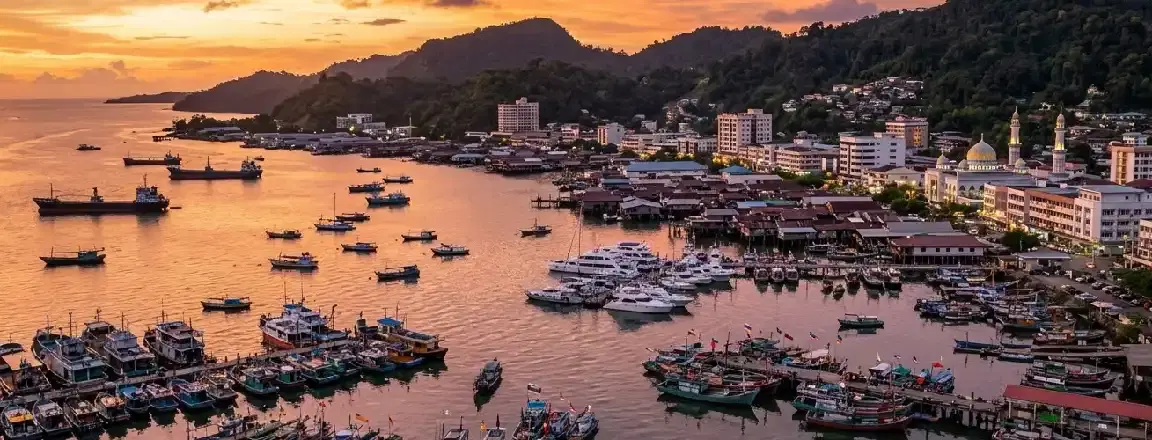
Looking for more than the famous Malaysian beaches? Sandakan tourism opens the door to Borneo’s wild side, where rich wildlife, rainforest adventures and poignant history come together. Once known as a thriving timber capital, Sandakan, Malaysia, is now a gateway to some of Sabah’s most remarkable experiences.
From spotting orangutans at the Orangutan Santuary to cruising along the Kinabatangan River, there’s plenty to experience beyond the city. Whether you’re planning a wildlife-focused holiday, a family adventure or a nature escape, Malaysia tour packages make it easier to discover Sabah’s extraordinary biodiversity, culture and landscapes. This Sandakan travel guide covers everything from its best attractions and activities to the best time to visit and essential travel tips.
Sandakan At A Glance
Travel Factor | Details |
| Location | Sabah, Malaysian Borneo |
| Known For | Wildlife, rainforests, heritage and river safaris |
| Top Attraction | Sepilok Orangutan Rehabilitation Centre |
| Must-Do Experience | Kinabatangan River wildlife cruise |
| Best For | Wildlife lovers, nature enthusiasts, families and adventure seekers |
| Ideal Duration | 2–4 days |
| Best Time to Visit | March to October |
| Average Trip Cost | Around RM340 (₹7,990) per person per day for a mid-range trip, excluding flights to Sandakan |
| Nearest Airport | Sandakan Airport (SDK), around 15 km from the city centre |
| Getting Around | Taxis, ride-hailing services, rental cars and organised tours |
Best Time To Visit Sandakan
The best time to visit Sandakan is generally March to September, when rainfall is comparatively lower, and conditions are more comfortable for wildlife excursions, rainforest walks and river cruises.
Months | What to expect | Best for |
| March–April | Relatively drier, warmer and better outdoor conditions | Best overall for sightseeing and wildlife |
| May–September | Warm with occasional rain; generally good for outdoor activities | Wildlife, rainforest and river cruises |
| October–February | Wetter, with heavier rainfall particularly towards December–January | Fewer-crowded trips and lush rainforest scenery |
Rain is possible at any time because Sandakan has a tropical climate, so carry lightweight rain protection regardless of when you visit.
Places To Visit Sandakan

Sandakan tourism is centred around wildlife, rainforest, conservation and heritage. The city is also an excellent gateway to Sabah's famous wildlife destinations. The city also serves as a gateway to the Lower Kinabatangan, making it easy to combine urban sightseeing with a Borneo wildlife experience. Here are some of the best places to visit in Sandakan:
- Sepilok Orangutan Rehabilitation Centre – See rescued orangutans in their natural rainforest habitat and attend feeding sessions at 10 AM or 3 PM.
- Bornean Sun Bear Conservation Centre – Get close to rescued sun bears and learn about conservation efforts for the world's smallest bear species.
- Rainforest Discovery Centre – Walk through the Kabili-Sepilok Forest Reserve and explore the Malaysia rainforest through scenic trails, birdwatching spots and a 620-metre canopy walkway.
- Kinabatangan Wildlife Sanctuary – Cruise along the Kinabatangan River to spot proboscis monkeys, orangutans, pygmy elephants and colourful hornbills.
- Sandakan Heritage Trail – Walk through Sandakan's historic heart and discover landmarks such as Masjid Jamik, William Pryer Monument and Agnes Keith House.
- Agnes Keith House – Explore the former home of author Agnes Keith and discover stories of life in British North Borneo.
- Labuk Bay Proboscis Monkey Sanctuary – Watch Borneo's distinctive proboscis monkeys from designated viewing and feeding platforms.
- Puu Jih Shih Temple – Visit this hilltop Chinese Buddhist temple for a peaceful cultural experience and panoramic views of Sandakan.
- Sandakan Memorial Park – Pay your respects at this important World War II memorial commemorating the victims of the Sandakan Death Marches.
- Turtle Islands Park – Take a boat trip to this protected island area to learn about sea turtle conservation and nesting.
Things To Do In Sandakan
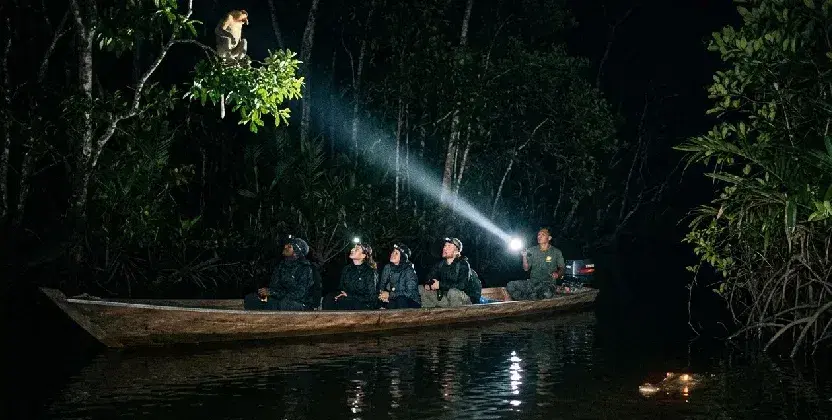
From rainforest adventures to heritage walks, Sandakan tourism offers plenty for travellers who prefer nature and authentic experiences. Here are some of the best things to do in Sandakan, Malaysia:
- Watch orangutans at Sepilok: Visit during feeding sessions for a chance to see rescued orangutans in their rainforest habitat.
- Walk through the rainforest canopy: Explore the Rainforest Discovery Centre's 620-metre canopy walkway and surrounding trails.
- Go on a night safari: Join a guided night cruise or rainforest walk around Kinabatangan to spot nocturnal wildlife.
- Taste local seafood: Enjoy fresh seafood at Sandakan's local restaurants for a taste of the city's coastal flavours.
- See rescued sun bears: Visit the Bornean Sun Bear Conservation Centre and learn about efforts to protect this endangered species.
- Explore Gomantong Cave: Discover a fascinating cave ecosystem inhabited by swiftlets and bats on the way towards Kinabatangan.
How to Reach Sandakan, Malaysia
The easiest way to reach Sandakan is by air. Sandakan has its own airport, making it convenient to include in a Sabah or wider Malaysia itinerary.
- By flight: Fly directly to Sandakan Airport (SDK) from Kuala Lumpur (KUL) or Kota Kinabalu (BKI). This is the quickest and most convenient option for most travellers.
- From Kota Kinabalu: You can take a domestic flight to Sandakan or travel by long-distance bus from Inanam Bus Terminal. The bus is more economical but takes considerably longer.
- From Kuala Lumpur: The most convenient way to reach Sandakan from Kuala Lumpur is to fly from Kuala Lumpur International Airport (KUL) to Sandakan Airport (SDK), with direct flights taking around 3 hours.
- Getting around Sandakan: Taxis and ride-hailing services such as Grab, Maxim and AirAsia Ride are available for getting around the city and reaching nearby attractions.
Tips For Visiting Sandakan, Malaysia
- Arrive early at Sepilok: Feeding sessions take place at 10:00 AM and 3:00 PM, so arrive around 30 minutes early for a better viewing spot.
- Choose your base carefully: Stay near Sepilok for easy access to wildlife attractions, or choose Sandakan Town for seafood, heritage sites and city amenities.
- Use Grab for local transport: Ride-hailing apps can make getting around Sandakan more convenient and help avoid taxi fare negotiations.
- Pack insect protection: Carry insect repellent and consider leech socks if you plan to trek through rainforest areas.
- Carry rain gear and dry bags: Sudden tropical showers are common, so pack a lightweight poncho and waterproof protection for electronics and cameras.
Conclusion: Is Sandakan, Malaysia Worth Visiting?
Yes, Sandakan, Malaysia, is worth visiting, especially if wildlife, rainforest and authentic Borneo experiences are high on your list. It offers far more than a conventional city break. You can see orangutans and sun bears at conservation centres, walk through ancient rainforest, explore Sandakan's history and continue towards the Kinabatangan River for some of Sabah's most rewarding wildlife encounters. As part of Malaysia tourism, Sandakan is particularly suited to travellers looking for nature, wildlife, conservation and offbeat experiences rather than beaches or nightlife.
FAQs
1. Is Sandakan, Malaysia worth visiting?
A: Yes. Sandakan is worth visiting if you enjoy wildlife, rainforests, conservation and cultural experiences. It is a gateway to attractions such as Sepilok, the Kinabatangan River and Turtle Islands Park.
2. What is Sandakan, Malaysia famous for?
A: Sandakan is best known for its wildlife, rainforest, conservation centres and heritage. It is particularly famous for orangutans, sun bears, proboscis monkeys and access to the Kinabatangan River.
3. How many days are enough for Sandakan?
A: Plan 2–4 days for Sandakan and Sepilok. If you want to include a Kinabatangan River safari, adding another 2–3 days gives you enough time for a more immersive wildlife experience.
4. What are the best things to do in Sandakan?
A: Visit Sepilok Orangutan Rehabilitation Centre, see sun bears, explore the Rainforest Discovery Centre, take a Kinabatangan River wildlife cruise, visit heritage sites and try local seafood.
5. What is the best time to visit Sandakan?
A: March to September is generally a good period to visit, with comparatively lower rainfall and favourable conditions for outdoor activities and wildlife excursions. Sandakan has a tropical climate, so rain is possible throughout the year.
6. How do I get to Sandakan from Kuala Lumpur or Kota Kinabalu?
A: From Kuala Lumpur, the easiest option is a direct flight from Kuala Lumpur International Airport (KUL) to Sandakan Airport (SDK), taking around 3 hours. From Kota Kinabalu, you can fly to Sandakan or take a long-distance bus, which is cheaper but takes longer.
7. What is the nearest airport to Sandakan?
A: Sandakan Airport (SDK) is the nearest airport, located around 15 km from Sandakan city centre. It has domestic connections, including flights from Kuala Lumpur and Kota Kinabalu.
8. What wildlife can I see around Sandakan?
A: Depending on where you visit, you may see orangutans, Bornean sun bears, proboscis monkeys, pygmy elephants, hornbills, macaques and other rainforest wildlife. Kinabatangan River cruises are particularly rewarding for wildlife spotting.
9. Is Sandakan a good base for a Kinabatangan River safari?
A: Yes. Sandakan is a convenient starting point for trips to the Lower Kinabatangan area. Many travellers combine a stay around Sepilok with a 2–3-day wildlife experience along the Kinabatangan River.
10. Is Sandakan suitable for families?
A: Yes. Sandakan can be a good choice for families, particularly those interested in wildlife and nature. Sepilok, the Rainforest Discovery Centre and the Bornean Sun Bear Conservation Centre offer engaging experiences for children and adults.
11. Is Sandakan expensive to visit?
A: Sandakan can be relatively affordable compared with some of Malaysia's more popular tourist destinations. Your overall budget depends on accommodation, wildlife tours, transport and conservation-centre fees, with organised Kinabatangan safaris generally adding more to the cost.
12. What is the average cost of a Sandakan trip?
A: A mid-range trip costs around RM340 (₹7,990) per person per day, excluding flights to Sandakan. Your actual spending can vary depending on accommodation, dining, local transport and wildlife excursions.