Brussels Guide for Indian Travellers: Visa, Flights, Costs & Things to Do (2026)
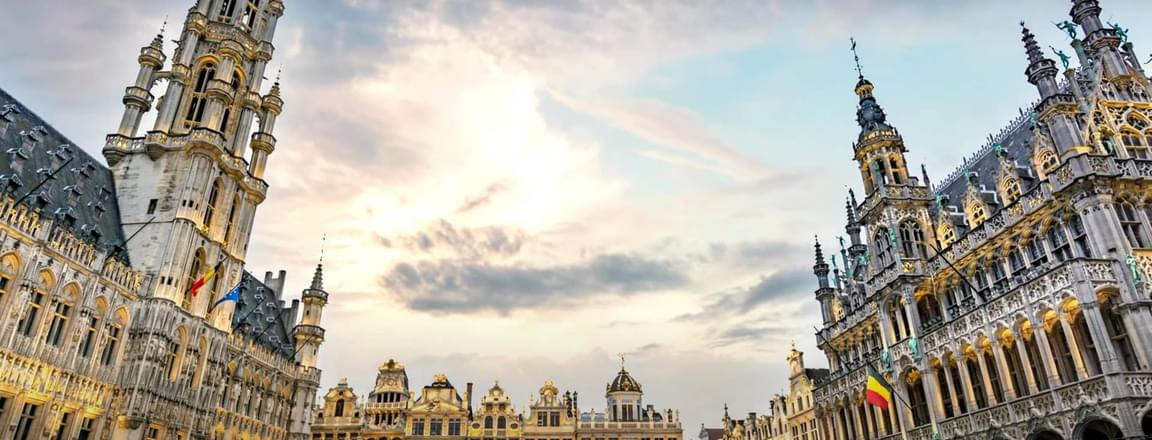
A giant iron atom, a 17th-century square covered in golden architecture and a tiny statue that attracts visitors from around the world, Brussels is full of surprises packed into one city. So, if you are planning to visit from India, this Brussels Guide will help you understand the essentials before booking your trip.
In this guide, you will find everything you need to know before your Europe package to Brussels, including Schengen visa requirements, flights from India, the best time to visit, local transport and travel costs. It also covers popular attractions, Belgian food, Indian restaurants and nearby places to explore to make the most of your stay.
Brussels Travel Guide: Essential Information at a Glance
Travel Information | Details |
| Country | Belgium |
| Currency | Euro (€), 1€ = ~ ₹106.58 |
| Language | French and Dutch; English is widely spoken in tourist areas |
| Visa for Indians | Schengen Visa (Short-Stay Type C) |
| Schengen Visa Fee | €90 (~ ₹9,800) for adults |
| Best Time to Visit | May to June for pleasant weather and outdoor sightseeing |
| Flight Connectivity from India | No direct flights from Delhi; one-stop connections available |
| Flight Duration from Delhi | Approximately 11–14 hours of flying time |
| Nearest Airport | Brussels Airport (BRU), Zaventem |
| Airport to City Centre | Approximately 18 minutes by train |
| Local Transportation | Metro, trams, buses, trains and taxis |
| Public Transport Cost | €2.40 (~ ₹260) per contactless ride |
| Recommended Trip Duration | 2–3 days |
| Popular Attractions | Grand Place, Atomium, Manneken Pis, Royal Galleries and Magritte Museum |
| Day Trips from Brussels | Bruges, Ghent and Antwerp |
| Food Options for Indians | Indian restaurants, vegetarian meals and Belgian specialities |
| Time Difference from India | 4.5 hours behind IST in winter and 3.5 hours in summer |
| Emergency Number | 112 |
Brussels Visa for Indians: Requirements, Fees & Application Process
Indian passport holders need a Schengen short-stay visa to visit Brussels and other destinations in Belgium for tourism. A valid Schengen visa can also allow travel to other Schengen countries, subject to the visa's validity, permitted duration of stay and number of entries.
Here are the important visa requirements for Indian travellers:
- Visa fee: The standard adult Schengen visa fee is €90. Children aged 6 to under 12 pay €45, while children under 6 are generally exempt from the visa fee. Additional application centre charges may apply.
- Processing time: Schengen visa applications are generally processed within 15 calendar days. In certain cases, the processing period can extend to 45 calendar days.
- When to apply: You can generally submit your application up to six months before your intended travel date. Apply early to allow time for appointment availability and processing.
- Travel insurance: You must have travel medical insurance with at least €30,000 coverage, valid throughout the Schengen Area for your entire planned stay.
- Where to apply: If Belgium is your only Schengen destination, apply through the Belgian visa application process. If you are visiting multiple Schengen countries, apply through the country where you will spend the most time. If your stay is equally divided, apply through the country of first entry.
Check the latest document checklist, fees and appointment instructions on the official Belgian Embassy in India website and the authorised VFS Global Belgium website.
Travel tip: Keep your passport, visa, travel insurance, flight reservations and accommodation details accessible during your journey. Allow sufficient time for immigration and border checks when entering the Schengen Area.
Flights from India to Brussels: Routes, Airlines & Travel Time
There are no direct flights from Delhi to Brussels. Indian travellers usually need to take a connecting flight through a European or Middle Eastern city. Popular stopover hubs include Zurich, Frankfurt, Munich, Warsaw, Istanbul, Amsterdam and Doha. This Brussels Tourism Guide covers the main flight routes, airlines, travel times and ticket prices to help you plan your journey.
Popular Connecting Routes
Airline | Common transit hub |
Lufthansa | Frankfurt or Munich |
SWISS | Zurich |
Turkish Airlines | Istanbul |
Emirates | Dubai |
Etihad Airways | Abu Dhabi |
Qatar Airways | Doha |
Finnair | Helsinki |
LOT Polish Airlines | Warsaw |
The total journey time depends on your departure city, airline, transit airport and layover duration. Compare the complete journey time rather than looking only at the flying time.
Travel tip: Check whether your baggage is transferred automatically to your connecting flight. If you have separate tickets, you may need additional time and could have to collect and recheck your luggage.
Brussels Airport to City Centre: Train, Bus & Taxi Options
Brussels Airport (Zaventem) is the main international airport in Belgium. It is about 12 km from Brussels city centre. After landing, you can reach the city by train, bus or taxi. For most travellers, the train is the fastest and easiest option.
1. By Train: The Fastest Way to Reach Brussels
The train is the most convenient way to travel from Brussels Airport to the city centre. The railway station is on Level -1, directly below the airport terminal. You do not need to take a bus or taxi to reach it.
- Frequency: Six direct trains run every hour between the airport and Brussels.
- Ticket price: A standard one-way ticket costs around €9.30 (~ ₹1,010), depending on the fare.
2. By Bus: A Budget-Friendly Option
You can also take a bus from Brussels Airport to the city. The Airport Line (Bus 12) connects the airport with important areas in Brussels, including the European Quarter.
- Ticket price: €7.90 (~ ₹855) with contactless payment.
- Travel time: Depends on traffic and your destination.
3. By Taxi: Best for Comfort and Heavy Luggage
Taxis are available outside the airport arrivals area. They are useful if you have heavy bags, are travelling with children or want to reach your hotel directly.
- Estimated fare: Around €45–€55 (~ ₹4,900–₹6,000), depending on your destination and taxi service.
- Travel time: Around 20–40 minutes, depending on traffic.
Getting Around Brussels: Public Transport, Ticket Prices & Travel Passes
Brussels is a compact city, so you can explore many central attractions on foot. For longer journeys, use the STIB/MIVB network of metro trains, trams and buses. It is easy to use and offers a simple way to travel between different parts of the city.
Brussels Public Transport: Tickets, Fares & Daily Pass
You can pay for STIB public transport using a contactless debit card, credit card or a smartphone. You do not need to buy a paper ticket before boarding.
Here are the main fares for 2026:
- Single journey: €2.40 (~ ₹260).
- Free transfers: You can change between metro, tram and bus within 60 minutes of your first tap without paying again.
- Daily fare cap: You pay a maximum of €8.50 (~ ₹930) per day. Once you reach this limit, additional journeys on the same day are free.
Travel Tip: Use the same contactless card or device every time you travel. Tapping a different card may result in a separate charge.
Is the Brussels Card Worth Buying?
The Brussels Card is an official tourist pass that gives you free entry to 48 museums in Brussels, along with discounts at selected attractions, shops and restaurants. It is available for 24, 48 and 72 hours. You can choose a pass based on how long you plan to explore the city.
NOTE: The public transport option is an extra charge. It gives you unlimited travel on STIB metro, tram and bus services during its validity period. However, it does not cover Belgian train journeys, including the train between Brussels Airport and the city centre.
Public Transport and City Pass Options in Brussels
Option | Best for | What it offers |
| Contactless Payment | Travellers making a few journeys | Pay directly for eligible metro, tram and bus journeys using a contactless card or device. |
| Daily Fare Cap | Travellers using public transport frequently | Automatically limits eligible daily public transport charges once the fare cap is reached. |
| Brussels Card | Museum and culture enthusiasts | Provides access to participating museums and selected discounts across Brussels. |
| Brussels Card with Transport Add-on | Travellers visiting museums and using public transport regularly | Combines access to participating museums with eligible STIB/MIVB metro, tram and bus journeys. |
Best Time to Visit Brussels: Weather, Seasons & Travel Tips
Brussels has a temperate maritime climate, and rain is common year-round. The best time to visit Brussels is during the shoulder seasons of May to June and September to October. These months offer the perfect balance of mild weather, manageable crowds and fair hotel prices. Here is what to expect in each season.
Season | Average daytime high | What to expect | Best for |
| Winter (December to February) | 6–7°C | Cold days, grey skies and frequent rain | Christmas markets and museums |
| Spring (March to May) | 11–19°C | Mild weather, blooming parks and longer days | Walking tours and sightseeing |
| Summer (June to August) | 21–24°C | Warm days, outdoor events and long daylight hours | Outdoor attractions and city walks |
| Autumn (September to November) | 10–20°C | Cooler days, falling leaves and more rainy weather | Museum visits and quieter city breaks |
Best Places to Visit in Brussels for First-Time Travellers
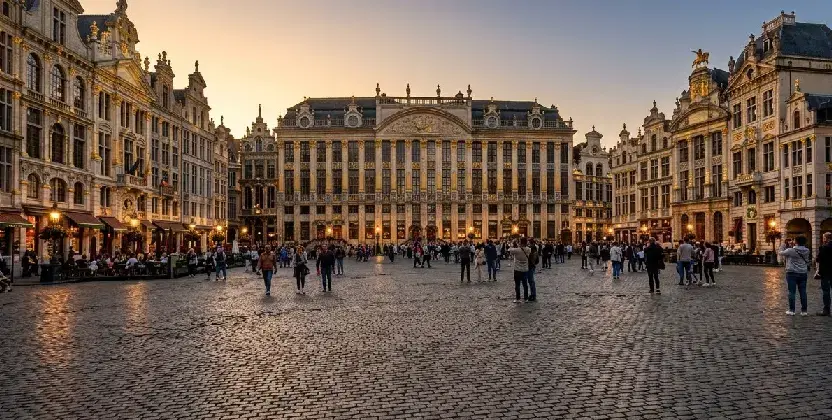
Brussels has more to offer than beautiful buildings and famous squares. You can see a giant model of an iron crystal, meet famous comic characters on city walls and explore museums filled with Belgian art. If you have limited time, start with these popular places to visit in Brussels. Most of the attractions in the historic centre are close to each other, making them easy to explore on foot.
1. Grand Place: Explore Brussels' Famous Historic Square
The Grand Place Brussels is the city's main square and one of its most famous landmarks in Belgium. It is surrounded by beautiful historic buildings, including the Town Hall and the old guild houses. Entry to the square is free, and you can visit it at any time.
TRAVEL TIP: Every two years in August, Grand Place hosts the famous Brussels Flower Carpet, where thousands of flowers create a giant design across the square for four days. The 2026 edition took place from 13 to 16 August, and the next edition is expected in August 2028. Check the official Flower Carpet website for confirmed dates before planning your visit.
2. Manneken Pis and the Royal Galleries
Manneken-Pis is just a short walk from Grand Place and is one of Brussels' most unusual landmarks. It is a small bronze statue of a boy standing and urinating into a fountain. The statue is only about 60 cm tall, but it is one of the city's most photographed attractions. One interesting tradition is that the statue wears different costumes throughout the year.
A short walk away, you can also explore the Royal Saint-Hubert Galleries. This is a historic shopping arcade built in the 19th century. It has a beautiful glass roof, elegant shops and famous Belgian chocolate stores.
3. Atomium: Explore Brussels' Iconic Landmark
The Atomium is one of the most recognisable landmarks in Belgium. Built for the 1958 Brussels World's Fair, it looks like a giant iron crystal with nine connected spheres.
Visitors can enter the Atomium and explore its connected spheres, exhibitions and unusual indoor spaces. It also offers views of Brussels from its upper sphere when the viewing area is open. The standard adult ticket costs €17 (~ ₹1,850) and includes entry to the nearby Design Museum Brussels.
- Opening hours: Daily, 10:00 am to 6:00 pm.
- Last entry: 5:30 pm.
- Nearest metro station: Heysel.
- Visit duration: Allow around 1.5–2 hours.
4. Brussels Comic Strip Route and Belgian Comic Strip Centre
Brussels is famous for its comic book characters, especially Tintin and the Smurfs. The Brussels Comic Strip Route takes you past large wall paintings featuring comic book characters. It is a fun way to explore the city, and you can enjoy many of the murals without paying an entry fee.
If you want to learn more about Belgian comic art, visit the Belgian Comic Strip Centre. It is housed in a beautiful Art Nouveau building. Inside, you can explore exhibitions about famous comic characters, artists and the history of comic books.
- Opening hours: Tuesday to Sunday, 10:00 am to 6:00 pm.
- Last entry: 5:00 pm.
- Adult ticket: €12 (~ ₹1,310).
- Closed: Mondays.
5. Magritte Museum and European Quarter: Art and Architecture
Art lovers should add the Magritte Museum in Brussels to their Belgium package. It displays more than 230 works by René Magritte, one of Belgium's most famous artists. His paintings are known for showing everyday objects in unusual and surprising ways.
- Location: Place Royale.
- Opening hours: Tuesday to Friday, 10:00 am to 5:00 pm; Saturday and Sunday, 11:00 am to 6:00 pm.
- Free entry: On the first Wednesday of every month from 1:00 pm, subject to ticket availability.
Where to Stay in Brussels: Best Areas for Indian Travellers
Choosing the right neighbourhood can make your Brussels trip more convenient. If you are visiting for the first time, look for accommodation with easy access to metro stations, railway stations and the historic centre.
Area | Best for | Why stay here? |
| Grand Place and City Centre | First-time visitors | Close to historic landmarks, shopping streets and restaurants |
| Brussels-Central | Sightseeing and transport | Convenient for exploring central attractions and taking trains |
| Ixelles | Food and neighbourhood experiences | Restaurants, cafés and a lively local atmosphere |
| European Quarter | Business travellers and quieter stays | Modern hotels and access to EU institutions |
| Brussels-Midi | Rail connections | Convenient for travellers arriving by international train or planning onward journeys |
Travel tip: Compare hotel prices, distance to public transport and the total journey time to your planned attractions. A hotel slightly outside the historic centre may offer better value without compromising convenience.
3-Day Brussels Itinerary: A Simple Itinerary for First-Time Visitors
Three days in Brussels give you enough time to see the city's main attractions, explore its museums and enjoy its local food. This three-day Brussels itinerary groups nearby attractions together, so you spend less time travelling and more time exploring.
Day | Morning | Afternoon | Evening |
| Day 1: Old Town | Visit Grand Place and see the historic buildings. | Walk to Manneken Pis, explore the Royal Saint-Hubert Galleries and follow the Comic Strip Route. | Enjoy Belgian food and explore the streets around the city centre. |
| Day 2: Art and European Quarter | Visit the Magritte Museum and explore its art collection. | Walk around Cinquantenaire Park and visit the Parlamentarium. | Enjoy dinner in the European Quarter or return to the city centre. |
| Day 3: Atomium and Mini-Europe | Visit the Atomium and explore its exhibitions. | Visit the Design Museum Brussels or Mini-Europe, depending on your interests. | Return to central Brussels for a relaxed evening and dinner. |
What to Eat in Brussels: Belgian Food

Food is another reason to enjoy Brussels. The city is famous for its crispy fries, fresh waffles and rich Belgian chocolate. You will also find Indian restaurants serving familiar meals if you want a break from European food. Here are some local treats to try and Indian restaurants to keep in mind during your trip.
Famous Belgian Foods to Try in Brussels
Do not leave Brussels without trying these popular Belgian specialities:
- Belgian fries (frites): These are thick-cut potato fries, fried twice to make them crispy outside and soft inside. They are usually served in a paper cone with mayonnaise or another sauce.
- Brussels waffles: These waffles are rectangular, light and crispy. You can enjoy them with powdered sugar, chocolate, strawberries or whipped cream.
- Liège waffles: Unlike Brussels waffles, these are smaller, sweeter and denser. They contain pearl sugar that melts and caramelises while cooking.
- Belgian chocolate: Brussels has many chocolate shops where you can try pralines, chocolate bars and handmade sweets. Pick up a few as souvenirs for family and friends.
- Speculoos: These are crunchy biscuits made with spices such as cinnamon and ginger. They are especially popular during the winter and Christmas season.
Best Indian Restaurants in Brussels for Indian Travellers
If you miss Indian food during your holiday, you will find several Indian restaurants in Brussels. Here are three options worth considering:
1. Pure Veg India
Located inside the Royal Saint-Hubert Galleries area at Galerie Ravenstein, near Brussels-Central station, Pure Veg India is a useful option for vegetarian travellers. It serves Indian vegetarian buffet meals, including thalis and several vegan-friendly dishes.
2. Shezan Restaurant
Located on Chaussée de Wavre in Ixelles, Shezan serves Indian and Pakistani food. The restaurant was founded in 1984 and offers familiar dishes such as biryani, chicken tikka masala and tandoori food. It also has vegetarian dishes, so ask about the available options if you do not eat meat.
3. Mumtaz
Mumtaz is another established Indian restaurant in Ixelles. It has served Indian food in Brussels since 1982. Its menu includes vegetarian and vegan meals, curries, biryanis, tandoori dishes and Indian breads. It is a good option if you want a familiar Indian meal during your stay.
Vegetarian Food in Brussels: Tips for Indian Travellers
Finding vegetarian food in Brussels is possible, but you should check how a dish is prepared before ordering. Some foods that look vegetarian may contain animal-based ingredients.
Brussels Trip Cost from India: How Much Should You Budget?
The cost of a Brussels holiday depends on your hotel category, travel season, food preferences and the number of paid attractions you visit. For Indian travellers, flights and accommodation are usually the biggest expenses.
Here is an indicative planning budget for a 3-day, 2-night Brussels stay per person, assuming two adults sharing a hotel room.
Expense | Indicative cost per person |
| Accommodation (2 nights) | ₹12,000–₹22,000 |
| Food and meals | ₹5,000–₹8,000 |
| Local transport | ₹1,000–₹2,000 |
| Paid attractions | ₹2,000–₹5,000 |
| Miscellaneous expenses | ₹2,000–₹4,000 |
Estimated total: Approximately ₹22,000–₹41,000 per person, excluding international flights and Schengen visa expenses.
How to save money in Brussels
- Stay near a public transport station rather than choosing a hotel only for its central address.
- Explore free landmarks such as Grand Place and the Comic Strip murals.
- Compare individual museum tickets with the Brussels Card.
- Use contactless payment for eligible public transport journeys.
- Plan nearby attractions together to reduce unnecessary travel.
Note: These are indicative planning estimates, not live hotel or restaurant quotations. Actual costs depend on travel dates, availability and exchange rates.
Essential Brussels Travel Tips for Indian Tourists
A little preparation can make your Brussels holiday easier and more comfortable. Keep these practical travel tips in mind before and during your trip.
- Watch your belongings: Keep your bag zipped and close to your body, especially on crowded trams, metro trains and at busy railway stations. Avoid keeping your phone or wallet in your back pocket.
- Save the emergency number: Dial 112 for police, ambulance or fire emergencies anywhere in Belgium and the European Union.
- Understand tipping: Restaurant service is generally included in the bill. You do not need to leave a large tip, but rounding up the amount is a nice gesture.
- Know the local languages: French and Dutch are the main languages used in Brussels. English is widely understood in hotels, tourist attractions and many restaurants, but learning a few basic French or Dutch phrases can help.
- Carry rain protection: Brussels can have rain throughout the year. Keep a small umbrella or light rain jacket in your bag. On rainy days, visit a museum or explore the covered Royal Saint-Hubert Galleries.
- Check attraction timings: Many Brussels museums close on Mondays, while others follow different weekly schedules. Check official websites before planning your sightseeing.
- Check for transport strikes: Strikes can affect trains, buses, metro services and flights. Check your airline's app, Brussels Airport updates and public transport announcements before travelling.
- Keep digital copies of documents: Save copies of your passport, Schengen visa, travel insurance and hotel bookings on your phone. Keep the original documents safe during your trip.
- Carry a contactless payment option: Many shops, restaurants and public transport services accept contactless cards. Keep some cash as a backup for places that do not accept cards.
Plan Your Brussels Trip: Everything You Need to Know Before You Go
Brussels is a city where you can explore historic squares, admire unusual landmarks, enjoy Belgian chocolates and discover a different side of European culture in just two or three days. For Indian travellers, planning the trip starts with arranging a Schengen visa, booking a connecting flight and choosing the right time to visit. This Brussels Guide will help you plan your Brussels holiday and Europe packages with confidence.
FAQs
1. Is Brussels expensive for Indian tourists?
A: Brussels is moderately expensive for Indian tourists. Public transport costs €2.40 (~ ₹260) per ride, while major attractions such as the Atomium charge around €17 (~ ₹1,850) for adult entry. Budgeting for accommodation, food, sightseeing and transport in advance can help manage expenses.
2. What is the best month to visit Brussels from India?
A: May, June, September and October are among the best months to visit Brussels. These months offer mild temperatures, pleasant sightseeing conditions and fewer summer crowds. December is a good choice for travellers interested in Christmas markets and winter festivities.
3. Is Brussels safe for Indian tourists?
A: Yes, Brussels is generally safe for Indian tourists. However, pickpocketing can occur in crowded tourist areas, metro stations and railway stations. Keep your valuables secure, avoid poorly lit streets late at night and stay aware of your surroundings.
4. What is the best way to travel around Brussels as a tourist?
A: The best way to explore Brussels is by combining walking with public transport. The STIB/MIVB network operates metro trains, trams and buses across the city. You can pay using a contactless debit or credit card, with a daily fare cap of €8.50.
5. Can I explore Brussels in two days?
A: Yes, two days are enough to explore the main attractions in Brussels. Spend the first day visiting Grand Place, Manneken Pis, the Royal Saint-Hubert Galleries and the Comic Strip Route. Use the second day to explore the Atomium, Magritte Museum and European Quarter.
6. Is Brussels worth visiting on a Europe trip?
A: Yes, Brussels is worth visiting for its historic architecture, famous Belgian chocolates, comic art, museums and food culture. Its location also makes it convenient to plan day trips to Bruges, Ghent and Antwerp or continue travelling to other European cities.
7. Can Indian tourists use Indian debit and credit cards in Brussels?
A: Yes, most hotels, restaurants, shops and public transport services in Brussels accept international Visa and Mastercard debit and credit cards. Inform your bank about international transactions, check foreign currency charges and carry some euros for emergencies.
8. Is vegetarian Indian food available in Brussels?
A: Yes, Brussels has several Indian restaurants serving vegetarian meals. Pure Veg India, Shezan Restaurant and Mumtaz are some options to consider. Vegetarian travellers should confirm ingredients before ordering, as some European dishes may contain meat stock or animal-based ingredients.
9. What are the best day trips from Brussels?
A: Bruges, Ghent and Antwerp are among the best day trips from Brussels. Bruges is known for its canals and medieval streets, Ghent for its historic architecture, and Antwerp for its fashion, shopping and cultural attractions. All three cities are accessible by train.
10. Is the Brussels Card worth buying for tourists?
A: The Brussels Card is worth considering if you plan to visit several museums during your trip. It offers free entry to 48 museums and discounts at selected attractions, shops and restaurants. You can choose a 24-hour, 48-hour or 72-hour pass depending on your itinerary.
11. What should Indian travellers pack for Brussels?
A: Indian travellers should pack comfortable walking shoes, layered clothing, a waterproof jacket, an umbrella and a universal travel adapter for Brussels. Carry warmer clothes during winter, as temperatures can drop significantly, and keep lightweight layers handy during spring and summer.
12. Can I visit Bruges and Ghent from Brussels in one day?
A: Yes, you can visit both Bruges and Ghent on a day trip from Brussels. However, you will need an early start and careful planning to explore both cities comfortably. If you prefer a relaxed experience, dedicate one full day to each destination.
13. How many days are enough to explore Brussels?
A: Two days are enough to see major attractions such as Grand Place, Manneken Pis, the Royal Saint-Hubert Galleries and the Atomium. Three days allow you to explore museums, enjoy Belgian food and discover more neighbourhoods at a relaxed pace.
14. Is Brussels a good base for exploring Belgium?
A: Yes. Brussels has convenient train connections to Bruges, Ghent and Antwerp, making it a practical base for exploring other Belgian cities. You can plan day trips without changing hotels.
15. Can I visit Brussels and Paris on the same trip?
A: Yes. Brussels and Paris are connected by Eurostar high-speed trains. Indian passport holders need to meet the separate entry requirements for Belgium and France, although both countries are part of the Schengen Area.
16. Is Brussels walkable for tourists?
A: Yes. Many central attractions, including Grand Place, Manneken Pis and the Royal Saint-Hubert Galleries, are within walking distance of each other. Use public transport for longer journeys to places such as the Atomium and the European Quarter.