
Places to Visit in Florence, Italy: Top Sights & Attractions 2026
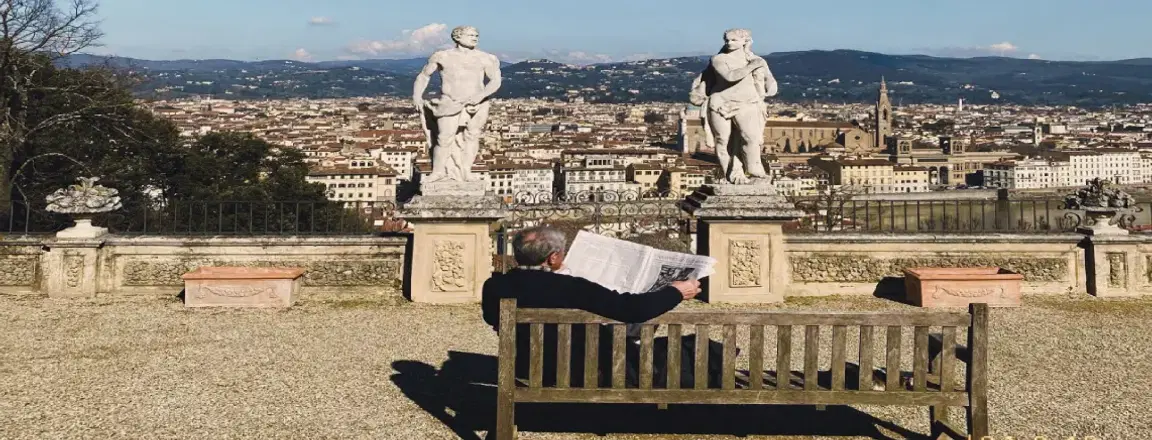
Florence is compact and easy to explore on foot, but deciding what to see and do can still be confusing. The best places to visit in Florence bring together world-famous art, Renaissance architecture, historic churches, lively piazzas and panoramic viewpoints within a compact area.
If you are planning a Florence package and looking for the best places, you can start with the Duomo, Uffizi Gallery, and Accademia Gallery. Then, depending on your time, you can add Palazzo Vecchio, Santa Croce, and Ponte Vecchio to your itinerary. This guide brings together the top places to visit in Florence for first-time visitors, underrated attractions, free places to visit and practical tips. So, whether you are planning for longer stays or a short trip, this Florence guide will help you plan your holiday efficiently.
Quick Reference: Best Places to Visit in Florence
Site | 2026 Price | Opening Hours |
| Duomo (cathedral nave) | Free | Daily, varies by season |
| Brunelleschi's Dome climb | Included in Brunelleschi Pass (€30/₹3,304) | Timed entry, book ahead |
| Uffizi Gallery | €25/₹2,753 (€16/₹1,762 after 4 pm) | Tue–Sun, closed Mon |
| Accademia Gallery | ~€16–€38 (₹1,762-₹4,185) | Tue–Sun, closed Mon |
| Bargello Museum | €18.50 (₹2,037) solo / €26 (₹2,863) combined with Accademia | Tue–Sun, 8:15 am–6:50 pm |
| Palazzo Vecchio | From €17 (₹1,872) | Daily 9 am–7 pm (closes 2 pm Thu) |
| Santa Maria Novella | Ticketed | Check seasonal hours |
| Boboli Gardens | ~€10–13/₹1,101-₹1,431 (or Passepartout ~€40/₹4,405 for 5 days) | Daily, seasonal hours |
Top Places to Visit in Florence, Italy for First-Time Visitors
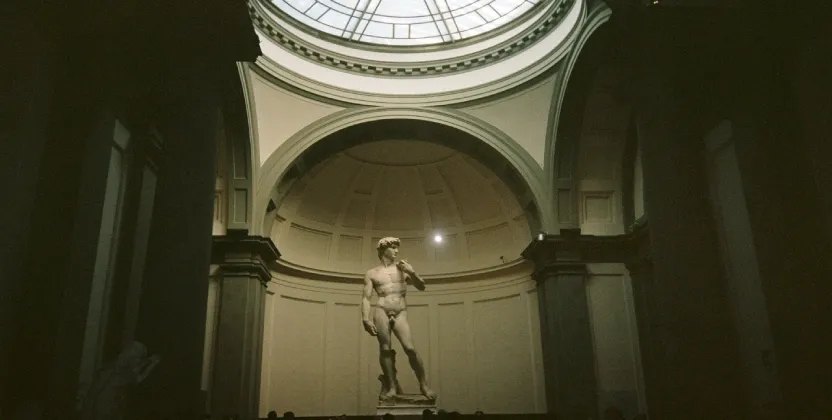
If you are looking for the best places to visit in Florence, start with the Duomo, Uffizi Gallery, and Accademia Gallery. These three attractions are among the top tourist places in Italy and should be at the top of your sightseeing list.
1. Florence Cathedral and the Duomo Complex
The Duomo complex is one of the most famous places to visit in Florence. The complex includes Florence Cathedral, Brunelleschi's Dome, Giotto's Bell Tower, the Baptistery, the Crypt, and the Opera del Duomo Museum.
The cathedral's main nave is free to enter, but you'll need a ticket for the dome climb and other paid areas. The main highlight for many visitors is climbing Brunelleschi's Dome. The climb involves 463 steps and offers panoramic views across Florence.
The main ticket options include:
- Ghiberti Pass (€15/₹1,652): Baptistery, Crypt, and Opera del Duomo Museum
- Giotto Pass (€20/₹2,202): Includes the Ghiberti Pass attractions plus Giotto's Bell Tower
- Brunelleschi Pass (€30/₹3,304): Includes the Dome climb and access to the other main complex attractions
Best for: Renaissance architecture, panoramic views, and Florence's historic centre.
Opening hours: Opening hours vary by attraction and season. The cathedral is generally open Monday to Saturday from 10:15 am to 3:45 pm, while the Dome operates with timed entry.
Best time to visit: Go early in the morning to experience the complex with fewer crowds. Book the Dome climb for a specific time slot in advance.
How to reach: The Duomo is in Florence's historic centre and is within walking distance of major attractions such as Piazza della Signoria and the Uffizi Gallery.
Pro tip: Book the Dome climb in advance, especially if you're visiting between April and October.
2. Uffizi Gallery
The Uffizi Gallery is one of the world's most important museums for Italian Renaissance art. Its collection includes famous works such as Botticelli's The Birth of Venus and Primavera, along with paintings by Michelangelo, Leonardo da Vinci, and Caravaggio.
- Ticket Options: Standard admission is €25 (₹2,753), while a €16 (₹1,762) reduced-rate ticket is available for entry after 4 pm.
- Best for: Renaissance paintings, famous Italian artists, and art lovers
- Opening hours: Tuesday to Sunday, 8:15 am to 6:30 pm. The museum is closed on Mondays, January 1 and December 25.
- Best time to visit: Visit early in the morning or later in the afternoon to avoid the busiest periods.
- How to reach: The gallery is in the historic centre, close to Piazza della Signoria and within easy walking distance of the Duomo and Ponte Vecchio.
Pro tip: Reserve your ticket in advance during the busy April–October travel season.
3. Accademia Gallery
The Accademia Gallery is best known for Michelangelo's David, one of Florence's most recognisable works of Renaissance sculpture. The marble statue stands 5.17 metres tall and is the main reason most travellers visit the museum.
Beyond David, the museum also displays other works by Michelangelo and a collection of Florentine paintings and sculptures.
- Ticket prices: Tickets generally range from €16 (₹1,762) to €38 (₹4,185), depending on the season and any additional services or booking options.
- Best for: Michelangelo, Renaissance sculpture, and first-time visitors to Florence.
- Opening hours: Check the official museum website before visiting, as opening days and hours can change.
- Best time to visit: Early morning or later afternoon is generally better for avoiding the busiest periods.
- How to reach: The Accademia is located near Piazza San Marco and is around a 10–15-minute walk from the Duomo.
Best Hidden and Underrated Places to Visit in Florence
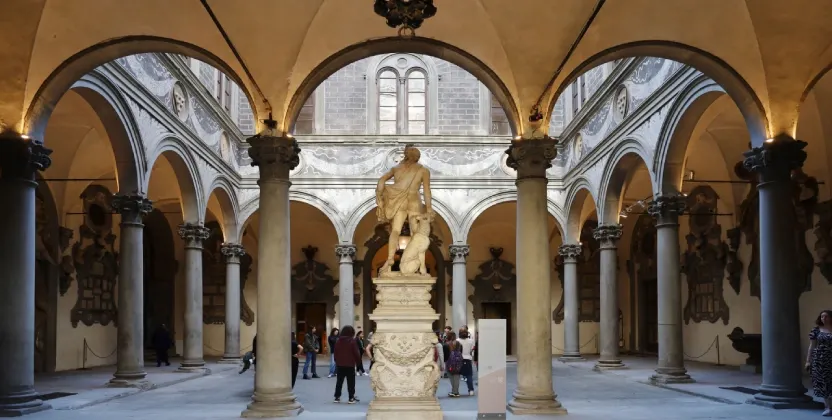
Beyond the Duomo, Uffizi Gallery, and Accademia Gallery, Florence has several lesser-known attractions worth adding to your itinerary. Here are some of the best hidden places to visit in Florence that are worth adding to your itinerary.
1. Bargello Museum
The Bargello Museum is one of the best places in Florence to see Renaissance sculpture. The museum is housed in a former 13th-century fortress-like building and has an important collection of works by artists including Donatello, Michelangelo and Giambologna. One of its highlights is Donatello's bronze David, an important work in the history of Renaissance sculpture.
- Ticket prices: A combined ticket covering the Bargello and Accademia costs €26 (₹2,863), while individual Bargello admission costs around €18.50 (₹2,037). If you plan to visit both museums, the combined ticket can offer better value.
- Best for: Renaissance sculpture and art history.
- Opening hours: Opening days and hours can vary, so check the official museum website before visiting.
- Entry fee: Individual admission is around €18.50 (₹2,037), while a combined ticket with the Accademia costs around €26 (₹2,863), subject to current ticket conditions.
- Best time to visit: Visit in the morning or later afternoon for a more relaxed museum experience.
- How to reach: The Bargello is in the historic centre, close to Piazza della Signoria and within walking distance of the Duomo.
2. Palazzo Vecchio
Palazzo Vecchio is Florence's historic town hall and one of the city's most recognisable landmarks. Inside, you can explore grand frescoed halls, historic rooms, and parts of the building's former defensive structures.
- Ticket Prices: A standard visit costs around €17 (₹1,872), while additional experiences may cost more.
- Best for: Florentine history, Renaissance interiors, and city views.
- Opening hours: Opening hours vary by day and area of the museum. Check the official museum website before visiting, particularly for tower access.
- Best time to visit: Go in the morning or later afternoon. If you want city views, check the availability of the tower experience when planning your visit.
- How to reach: Palazzo Vecchio stands directly on Piazza della Signoria and is a short walk from the Uffizi Gallery and Ponte Vecchio.
Pro tip: Add Palazzo Vecchio to a walk through Piazza della Signoria and the nearby Uffizi Gallery to explore several major sights in the same area.
3. Medici Chapels
The Medici Chapels, located beside the Basilica of San Lorenzo, are known for their ornate marble interiors and Michelangelo's sculptures on the Medici tombs. They offer a quieter way to explore Florence's Medici history and Renaissance art.
- Entry fee: The chapels require an admission of €15 (₹1,652).
- Best for: Michelangelo, Medici history, and Renaissance sculpture.
- Opening hours: Opening days and hours can change, so check the official website before visiting.
- Best time to visit: Morning or later afternoon is generally preferable for a quieter visit.
- How to reach: The chapels are beside the Basilica of San Lorenzo, around a 10-minute walk from the Duomo.
Pro tip: Check the official opening hours before visiting because the chapels are not open every day.
4. Santa Maria Novella
Santa Maria Novella is one of Florence's most beautiful historic churches, particularly known for its distinctive green-and-white marble facade. Inside, you'll find important Renaissance artworks, including Masaccio's Trinity.
- Entry fee: €7.50 (₹826) for adults.
- Best for: Renaissance art, historic architecture, and a quieter cultural experience.
- Opening hours: Opening hours vary by season and may differ between the church and other parts of the complex. Check the official website before visiting.
- Best time to visit: Visit in the morning or later afternoon when sightseeing crowds may be lighter.
- How to reach: Santa Maria Novella is next to Florence's main railway station and is within walking distance of the Duomo.
5. Santa Croce Basilica
Santa Croce is one of Florence's most important historic churches and is known for its connection to several major Italian figures. The basilica contains the monumental tombs of Michelangelo, Galileo Galilei, and Niccolò Machiavelli, among others.
- Entry fee: €10 (₹1,101)
- Best for: Italian history, famous figures, Renaissance art, and historic architecture.
- Opening hours: Monday to Saturday, 9:30 am to 5:30 pm; Sunday and religious holidays, 2 pm to 5:30 pm. Last admission is earlier than closing. Check for changes before visiting.
- Best time to visit: Visit in the morning on a weekday for a quieter experience.
- How to reach: Santa Croce is in the historic centre and is around a 15–20-minute walk from the Duomo.
Best Free Places to Visit in Florence
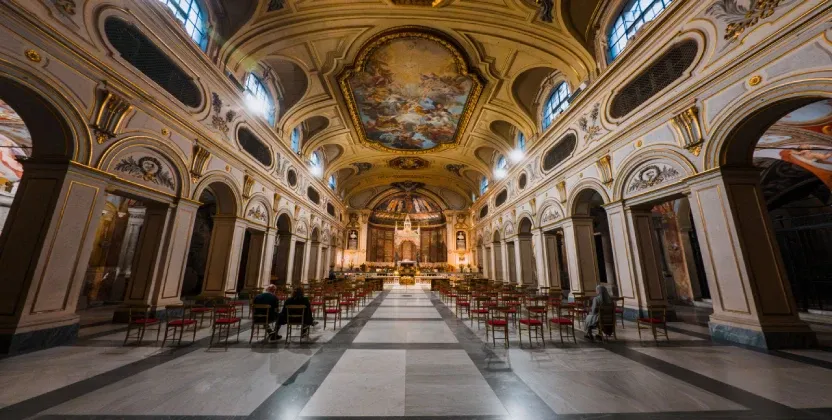
You don't need to spend money at every attraction to enjoy Florence. There are many places to visit in Florence that can be experienced for free, making them an easy addition if you are planning a budget-friendly Italy package.
1. Florence Cathedral's Main Nave
The main nave of Florence Cathedral (Duomo) can be visited without an admission fee. The interior features grand Gothic architecture, artwork, and the famous dome above.
2. Piazza della Signoria
Piazza della Signoria is one of Florence's most important public squares and has played a central role in the city's political history. You can explore the square for free and admire its statues and surrounding Renaissance architecture.
3. Loggia dei Lanzi
Located on the edge of Piazza della Signoria, the Loggia dei Lanzi is an open-air sculpture gallery that you can visit for free. It displays several important works, including Cellini's bronze Perseus with the Head of Medusa.
4. Ponte Vecchio
Walking across the Ponte Vecchio is one of the easiest free things to do in Florence. The historic bridge crosses the Arno River and is lined with jewellery shops and other historic storefronts.
5. Piazzale Michelangelo
For one of the best free panoramic views of Florence, head to Piazzale Michelangelo. From this hilltop viewpoint, you can see landmarks including the Duomo, Palazzo Vecchio, Basilica of Santa Croce, and Ponte Vecchio.
6. Explore Florence's Public Streets and Squares
One of the best ways to experience Florence for free is simply to walk through its historic centre. Streets, piazzas, bridges, and riverside paths provide plenty of opportunities to see Renaissance architecture without paying an entrance fee.
7. Bardini Gardens and Boboli Gardens
The main gardens require an admission ticket, but you can explore the surrounding streets and viewpoints without paying. For a completely free experience, treat these areas as optional stops rather than garden visits.
Practical Tips for Visiting the Best Places in Florence
A little planning can make it easier to see Florence's major attractions without spending too much time in queues.
- Book popular attractions in advance. Reserve timed-entry tickets for high-demand sights such as the Uffizi Gallery, Accademia Gallery, and Brunelleschi's Dome, especially during peak season.
- Stay alert in crowded areas. Florence is generally easy to explore on foot, but crowded areas can attract pickpockets. Take extra care around Santa Maria Novella station, crowded buses, busy markets, major squares, and popular attractions.
- Consider visiting during the shoulder season. April to May and late September to October can offer a good balance of comfortable weather, smaller crowds, and potentially better accommodation rates than the peak summer months.
- Check museum opening days before planning your itinerary. Many major museums and attractions in Florence are closed on Mondays, although opening days vary. Some attractions also have special opening hours or closures on public holidays such as January 1 and December 25.
- Group nearby attractions together. Florence's historic centre is compact and many major sights are within walking distance of each other. So, planning your day by neighbourhood can save time and reduce unnecessary backtracking.
Best Places to Visit in Florence: Final Thoughts
Florence is the kind of city where the famous sights deserve your time, but the moments between them can be just as memorable. From the Duomo, Uffizi Gallery, and Accademia Gallery to the quieter Bargello Museum and historic churches, the places to visit in Florence that you can explore at your own pace. For a first trip, prioritise the major landmarks and book timed-entry attractions in advance.
If you have more time, slow down, explore the historic streets, discover lesser-known museums, and leave an evening for a panoramic city view. So, instead of trying to tick every attraction off your list, choose the sights that interest you most and build your Florence itinerary around them.
FAQs
What are the top places to visit in Florence for a first-time visitor?
The best places to visit in Florence include the Duomo, Uffizi Gallery, Accademia Gallery, Palazzo Vecchio, Ponte Vecchio, Piazza della Signoria, Santa Croce, and Piazzale Michelangelo. For first-time visitors, the Duomo, Uffizi, and Accademia are the top priorities.
What are the best free places to visit in Florence?
The cathedral nave, Piazza della Signoria, the Loggia dei Lanzi's open-air sculptures, the Ponte Vecchio, and Piazzale Michelangelo are all free to visit year-round.
How many days do you need to see the main places to visit in Florence Italy?
Three days are ideal for visiting Florence's main attractions without rushing. Two days are enough for the major sights, while four to five days give you more time for museums, historic churches, quieter neighbourhoods, and lesser-known attractions.
What should I not miss in Florence?
Do not miss the Duomo complex, Uffizi Gallery, Accademia Gallery and Michelangelo's David, Ponte Vecchio, Piazza della Signoria, and the panoramic view from Piazzale Michelangelo. These attractions cover Florence's most important art, architecture, history, and city views.
What are the best hidden or underrated places to visit in Florence?
The Bargello Museum, Medici Chapels, Santa Maria Novella, and Santa Croce are among the best underrated places to visit in Florence.
Do I need to book tickets in advance for places to visit in Florence?
Yes, it is best to book popular attractions such as the Uffizi Gallery, Accademia Gallery, and Brunelleschi's Dome in advance, particularly during the busy travel season. Advance reservations can help you secure your preferred time and avoid long waits.
What is the best area to explore in Florence?
The historic centre is the best area to explore in Florence for first-time visitors. It puts major sights such as the Duomo, Uffizi Gallery, Piazza della Signoria, Ponte Vecchio, and Santa Croce within easy walking distance. For a more local atmosphere, explore Santo Spirito and San Frediano across the Arno.
Is Florence easy to explore on foot?
Yes, Florence is one of the easiest Italian cities to explore on foot. Most major attractions in the historic centre are close together, so you can walk between the Duomo, Uffizi Gallery, Piazza della Signoria, and Ponte Vecchio instead of relying on public transport.
Which places in Florence are best for views and photography?
Piazzale Michelangelo is the best-known viewpoint for panoramic views of Florence, especially around sunset. Ponte Vecchio, the Arno riverbanks, and the streets around the Duomo also offer excellent photography opportunities.
What are the best places to visit in Florence with family?
The Duomo complex, Piazza della Signoria, Ponte Vecchio, Boboli Gardens, and Piazzale Michelangelo are good places to visit in Florence with family. A walking itinerary that combines outdoor sights with one or two museums can make sightseeing easier for children.