
Places to Visit in Italy 2026: From Iconic Cities to Hidden Gems
Wondering which places to visit in Italy are actually worth fitting into your itinerary? The answer depends on how much time you have and what you want from the trip. Whether you want ancient history in Rome, Renaissance art in Florence, or canals in Venice, Italy has plenty to explore. You can also enjoy the Amalfi Coast, Tuscany, and Italy’s scenic lakes. This guide covers 16 places to visit in Italy, with the best time to visit, ideal duration, experiences, best for, how to combine them and travel tips to make the most of the trip.
Top Places To Visit in Italy at A Glance
Destination | Recommended stay | Best for |
| Rome | 3–4 nights | History, ancient sites, Vatican, food |
| Florence | 2–3 nights | Renaissance art, architecture, museums |
| Venice | 2–3 nights | Canals, architecture, romantic breaks |
| Milan | 2 nights | Fashion, design, shopping, city break |
| Naples | 2–3 nights | Food, city life, Pompeii access |
| Amalfi Coast | 3–4 nights | Coast, villages, couples |
| Cinque Terre | 2–3 nights | Hiking, coastal scenery, village-hopping |
| Capri | 1–2 nights | Island escape; can also work as a day trip |
| Sicily | 5–7+ nights | Food, history, beaches, varied landscapes |
| Sardinia | 4–7+ nights | Beaches, slower island holiday |
| Lake Como | 2–3 nights | Lakeside scenery, relaxed stays |
| Lake Garda | 2–3 nights | Lakes, outdoor activities, families |
| Dolomites | 3–5 nights | Mountains, hiking, scenery |
| Tuscany | 3–5 nights | Countryside, food, wine, small towns |
| Tropea | 2–3 nights | Southern Italy, beaches, quieter coast |
| Pisa | Half day–1 night | Leaning Tower, easy stop from Florence |
Places to Visit in Italy by Category: Cities, Coasts, Lakes, Islands and Mountains
Trying to decide where to start? Here's how the top places to visit in Italy break down by travel style, so you can build an itinerary instead of just a wish list.
Category | Places to Visit in Italy |
| Best Cities | Rome, Florence, Venice, Milan, Naples |
| Best Coastal Destinations | Amalfi Coast, Cinque Terre, Tropea |
| Best Lakes | Lake Como, Lake Garda |
| Best Islands | Capri, Sicily, Sardinia |
| Best Mountains | The Dolomites |
| Best Countryside / Wine Region | Tuscany |
| Best Day Trip | Pisa |
Top 15 Places to Visit in Italy
From timeless cities steeped in history to postcard-perfect coastal villages, Italy offers an incredible mix of culture, cuisine, and charm. Here are the top places that deserve a spot on your Italy tour packages.
1. Rome
Rome is one of the popular places to visit in Italy for first-time visitors because it combines ancient landmarks, major museums and Vatican City in one base. Start with the Colosseum and Roman Forum, Pantheon, Trevi Fountain and Vatican City. Once you've covered the major sights, leave time to explore Rome's neighbourhoods, cafés and local food scene at a slower pace.
- How long to stay: 3–4 nights
- Choose Rome if: You want a mix of ancient history, iconic landmarks, museums and city life.
- Best for: First-time visitors, history lovers, families, couples and food-focused trips.
- Best Time to Visit: April–June and September–October
- How to Get There: Direct flights to Rome Fiumicino (FCO)
- How it fits your itinerary: Rome works well as the starting point for a first Italy trip. From here, you can continue north to Florence or head south towards Naples and the Amalfi Coast.
Tips: Visit the Colosseum underground tour, the Trastevere neighbourhood for authentic Roman food, and the Vatican Museums at opening time to beat the crowds.
2. Florence
Florence is one of the most popular cities in Italy. It is a compact, walkable city known for Renaissance art, architecture and historic landmarks. It is also a convenient base for exploring Tuscany. Spend time at the Duomo, Uffizi Gallery and Ponte Vecchio, then explore the historic centre on foot. If you have an extra day, you can use Florence as a starting point for a Tuscan day trip.
- How long to stay: 2–3 nights
- Choose Florence if: You enjoy art, architecture, museums and smaller, walkable cities.
- Best for: Couples, art lovers, first-time visitors and travellers combining city sightseeing with Tuscany.
- Best Time to Visit: March–May and September–November
- How to Get There: The nearest airport is Florence Peretola (FLR)
- How it fits your itinerary: Florence sits naturally between Rome and Venice, making it one of the easiest stops to add to a classic first Italy route.
Hidden tip: Visit the San Miniato al Monte church at dusk when Benedictine monks perform Gregorian chants.
3. Venice
Venice offers a completely different city experience, with canals, bridges, historic squares and neighbourhoods spread across a unique island setting. Start around St Mark's Square and the Grand Canal, but make time to explore quieter areas such as Cannaregio. A vaporetto ride is also a practical way to experience Venice from the water while getting around the city.
- How long to stay: 2–3 nights
- Choose Venice if: You want canals, historic architecture, romantic evenings and a city that feels very different from the rest of Italy.
- Best for: Couples, first-time visitors, photographers and short city breaks.
- Best Time to Visit: April–June and September–November (avoid carnival crowds in Feb if budget-conscious)
- How to Get There: Fly into Venice Marco Polo Airport (VCE)
- How it fits your itinerary: Venice works particularly well as the final stop on a Rome–Florence–Venice itinerary.
4. Milan
Unlike Rome or Venice, Milan blends modern style with historic charm as Italy’s fashion and design capital. Visit the Duomo rooftop for city views, and book tickets to see The Last Supper well in advance, as it sells out fast. Milan suits travellers who want a more contemporary, working-city side of Italy alongside shopping and design.
- How long to stay: 2 nights
- Choose Milan if: You want fashion, design, architecture, shopping and a modern city experience.
- Best for: Couples, shoppers, art lovers, first-time visitors and short city breaks.
- Best Time to Visit: March–May and September–October
- How to Get There: Fly into Milan Malpensa (MXP) or Linate (LIN)
- How it fits your itinerary: Milan works well at the start or end of a northern Italy itinerary and can be combined with Lake Como, Venice or Florence.
5. Naples
If you're looking for a city known for bold flavours and authentic Neapolitan food, add Naples to your list. It's the birthplace of pizza and the gateway to Pompeii, Herculaneum, Mount Vesuvius, Capri, and the Amalfi Coast.
- How long to stay: 2–3 nights
- Choose Naples if: You want authentic Neapolitan food, a lively city atmosphere and easy access to nearby historical and coastal attractions.
- Best for: Food lovers, history enthusiasts, repeat visitors and travellers exploring southern Italy.
- Best Time to Visit: April–June and September–October
- How to Get There: Naples Capodichino Airport (NAP)
- How it fits your itinerary: Naples works naturally after Rome and before the Amalfi Coast or Capri, making it useful for a southern Italy route.
6. Amalfi Coast
The Amalfi Coast is about dramatic coastal scenery, hillside towns and slower days by the sea. Unlike a city break, getting around the coast requires more planning, so your choice of base matters. You can explore popular stops such as Positano, Amalfi and Ravello, but you don't need to visit every town. It’s the headline destination for luxury Italy vacation packages and works well for a resort-driven coastal trip with easy access from Naples.
- How long to stay: 3–4 nights
- Choose the Amalfi Coast if: Coastal scenery, charming towns and a relaxed holiday are higher priorities than covering lots of attractions.
- Best for: Couples, honeymooners, coastal holidays and travellers with enough time to slow down.
- Best Time to Visit: May–June and September–October
- How to Get There: Fly into Naples
- How it fits your itinerary: The Amalfi Coast works well after Naples. Allow enough time for the journey and local travel rather than treating it like a quick city stop.
7. Cinque Terre
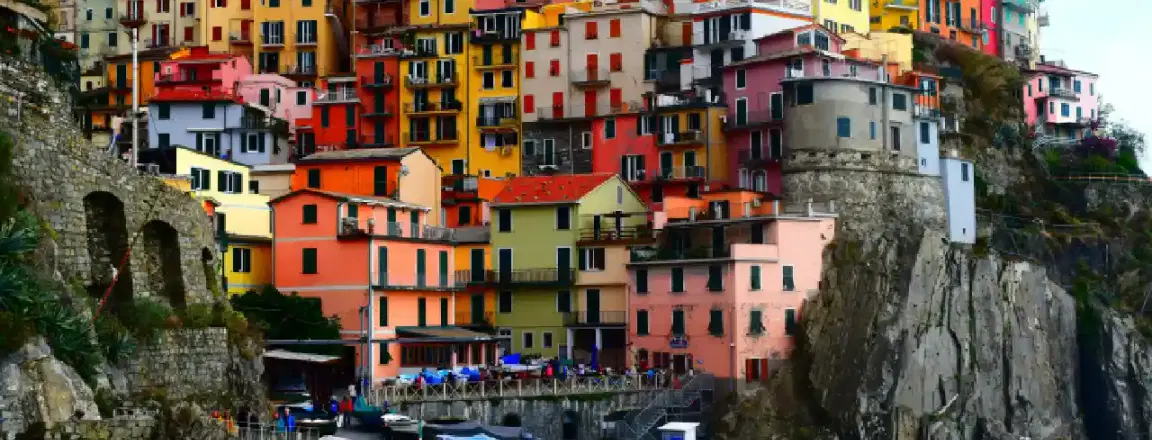
Cinque Terre is one of the best places to visit in Italy when you want dramatic coastal scenery, small villages and walking rather than a traditional beach-resort holiday. Use the local trains and walking routes to move between the villages instead of trying to cover the area by car. The experience is more about scenery and exploring at a slower pace than ticking off major attractions.
- How long to stay: 2–3 nights
- Choose Cinque Terre if: You enjoy walking, coastal views, photography and exploring smaller villages.
- Best for: Couples, hikers, photographers and travellers who prefer smaller coastal destinations.
- Best Time to Visit: April–June and September–October
- How to Get There: Fly to Genoa or Pisa; take a regional train to any of the five villages
- How it fits your itinerary: Cinque Terre can work well between Florence and northern Italy, particularly if you want a coastal break without travelling all the way south to the Amalfi Coast.
8. Capri
Long a playground for celebrities and royalty, Capri Island offers some of Italy's most stunning scenery. The Blue Grotto is its crown attraction, a sea cave lit by an ethereal blue light that has to be seen to be believed. Unlike other Italian islands, this small island offers an exclusive, jet-set atmosphere combined with surprisingly accessible beauty.
- How long to stay: 1–2 nights
- Choose Capri if: You want dramatic coastal scenery, boat trips, beaches and a relaxed island escape.
- Best for: Couples, honeymooners, photographers and travellers looking for an island experience.
- Best Time to Visit: May–June and September–October
- How to Get There: Fly into Naples and take a ferry or hydrofoil to Capri.
- How it fits your itinerary: Capri works well as a day trip or overnight stay from Naples or the Amalfi Coast.
9. Sicily
Sicily offers a broader southern Italy experience, combining food, history, coastal scenery and varied landscapes. Because the island is large, it deserves more time than a quick stop between mainland destinations. Plan your route around the parts of Sicily that interest you most instead of trying to cover the entire island in a few days.
- How long to stay: 5–7+ nights
- Choose Sicily if: You want a mix of history, food, beaches, culture and varied landscapes.
- Best for: Food lovers, history enthusiasts, families, couples and repeat visitors.
- Best Time to Visit: April–June and September–October
- How to Get There: Fly into Palermo or Catania, depending on your itinerary.
- How it fits your itinerary: Sicily is best planned as a dedicated part of your Italy trip rather than squeezed between several mainland destinations.
10. Sardinia
Sardinia is better suited to travellers looking for beaches and a slower island holiday than a sightseeing-heavy city itinerary. Give yourself enough time to enjoy the island rather than treating it as a quick addition to a mainland Italy itinerary. Plan Sardinia as a dedicated island stay.
- How long to stay: 4–7+ nights
- Choose Sardinia if: You want beautiful beaches, clear waters and a slower-paced island holiday.
- Best for: Beach lovers, families, couples and travellers looking for a relaxed getaway.
- Best Time to Visit: May–October
- How to Get There: Fly into Cagliari, Olbia or Alghero, depending on the part of the island you plan to explore.
- How it fits your itinerary: Sardinia works best as a dedicated island stay when you have enough time to enjoy its beaches and coastal towns.
11. Lake Como
Framed by the Alps, dotted with Belle Époque villas and lush gardens, Lake Como is one of the most serene and beautiful places of European tourism. Take a ferry ride or relax by the lake for a peaceful experience. Choose your base according to the towns you want to visit and how much time you want to spend travelling around the lake. You can also combine a stay here with time in Milan.
- How long to stay: 2–3 nights
- Choose Lake Como if: You want lakeside scenery, elegant towns and a quieter break from city sightseeing.
- Best for: Couples, honeymooners and travellers looking for a slower northern Italy experience.
- Best Time to Visit: April–October
- How to Get There: Fly to Milan
- How it fits your itinerary: It is particularly useful when you want to add a relaxing section without travelling far from the main northern route.
12. Lake Garda
Looking for one of the best places to visit in Italy with family? Lake Garda offers a different kind of lake holiday, combining lakeside scenery with outdoor activities and towns that can work well for families. The lake can work particularly well when you want to slow down after several sightseeing-heavy days. Its wider range of activities also makes it worth considering for family holidays.
- How long to stay: 2–3 nights
- Choose Lake Garda if: You want a mix of lakes, outdoor activities and a less city-focused break.
- Best for: Families, active travellers and longer northern Italy trips.
- Best Time to Visit: May–September
- How to Get There: Fly to Verona or Milan
- How it fits your itinerary: It is easier to justify as part of a wider northern route than as a destination for a very short trip on its own.
13. The Dolomites
The Dolomites are for travellers who want mountains and outdoor experiences rather than another historic city. The region is better experienced at a slower pace, with enough time for scenic drives, walks or other outdoor activities rather than trying to fit it into a single day. In winter, it's one of Europe's finest ski destinations, which makes it a must-add spot to your Italy adventure packages.
- How long to stay: 3–5 nights
- Choose the Dolomites if: Hiking, mountain scenery and outdoor activities are a major part of your ideal holiday.
- Best for: Hikers, photographers, active travellers and repeat visitors to Italy.
- Best Time to Visit: June–September (summer hiking) and December–March (skiing)
- How to Get There: Fly to Venice or Innsbruck
- How it fits your itinerary: For a short first-time city itinerary, they may be better saved for another trip.
14. Tuscany
Rolling hills dotted with cypress trees, medieval hilltop towns, and endless vineyards make Tuscany, Italy’s classic postcard region. Meander through San Gimignano, Siena, Montepulciano, and the Val d’Orcia, and don’t miss a hot air balloon ride over the vineyards at sunset. Tuscany is best experienced by car, since many of its finest towns are only loosely connected by public transport.
- How long to stay: 3–5 nights
- Choose Tuscany if: You want countryside, food, wine and smaller towns after spending time in Italy's major cities.
- Best for: Couples, food lovers, families and travellers looking for a slower holiday.
- Best Time to Visit: April–June and September–October
- How to Get There: Fly to Florence or Pisa
- How it fits your itinerary: Florence is a convenient starting point for exploring Tuscany, so you can combine the two rather than treating them as completely separate parts of your trip.
15. Tropea
If you are looking for one of the hidden places to visit in Italy, consider Tropea. This cliff-top town has some of the most pristine turquoise waters. The famous Tropea red onion (sweet enough to eat raw) is a local delicacy that foodies rave about.
- How long to stay: 2–3 nights
- Choose Tropea if: You want coastal scenery and a slower southern Italy break away from the busiest classic routes.
- Best Time to Visit: June–September
- How to Get There: Fly to Lamezia Terme
- Best for: Beach lovers, couples, and repeat visitors to Italy.
- How it fits your itinerary: Tropea makes more sense as part of a longer southern Italy trip than as an extra stop on a short Rome–Florence–Venice itinerary.
16. Pisa
Pisa is best treated as a short stop rather than a destination that needs several days. Visit the Piazza dei Miracoli and the Leaning Tower, then continue to another Tuscan destination rather than spending several days here.
- How long to stay: Half a day–1 night
- Choose Pisa if: You want to see the Leaning Tower and are already travelling through Tuscany.
- Best for: First-time visitors, families and travellers interested in iconic landmarks.
- Best Time to Visit: April–June and September–October
- How to Get There: Pisa Galileo Galilei Airport (PSA) is right in the city
- How it fits your itinerary: Pisa works well as a half-day stop from Florence or as part of a wider Tuscany route, meaning you may not need to add another hotel change.
Which places should I choose?
If you want… | Consider |
| First Italy trip | Rome + Florence + Venice |
| Romance | Venice + Amalfi Coast + Lake Como |
| Art & history | Rome + Florence |
| Food | Naples + Bologna + Sicily |
| Beaches | Sardinia + Sicily + Amalfi Coast |
| Mountains | Dolomites |
| Countryside & wine | Tuscany |
| Family-friendly travel | Rome + Lake Garda |
| Fewer crowds | Tuscany + Puglia/Tropea + Dolomites |
How Many Days Do You Need for Italy?
The ideal Italy trip duration depends on how many regions you want to explore. For a first trip, 7–10 days works well for the main cities. With 10–14 days, you can add the Amalfi Coast, Tuscany, or Lake Como. If you have 14+ days, plan a slower itinerary across multiple regions.
How to Travel Between Places in Italy
Getting around Italy is relatively straightforward when you combine high-speed trains with regional transport, ferries and occasional domestic flights. The best option depends on the distance, destination and type of trip you are planning.
Mode of Transport | Best For | When to Choose It |
| High-speed trains (Trenitalia, Italo) | Rome, Florence, Venice, Milan and other major cities | The easiest option for most city-to-city journeys. Trains connect central stations, so you can avoid airport transfers and travel directly between city centres. |
| Regional trains | Pisa, Cinque Terre and smaller towns | Useful for shorter journeys and day trips where high-speed trains aren't available or necessary. |
| Domestic flights | Sicily, Sardinia and longer mainland-to-island journeys | Consider flights when travelling between the mainland and larger islands, especially when you have limited time. |
| Ferries | Capri, Amalfi Coast and other coastal/island routes | A practical option for coastal journeys where ferry services operate, while also giving you views along the way. |
| Rental cars | Tuscany, the Dolomites and rural areas | Best when you want flexibility in regions where public transport is less convenient. Check parking, tolls and local driving restrictions before booking. |
How Much Does a Trip to Italy Cost from India?
A 7–10 day Italy holiday from India can cost anywhere from around €1,350 (₹1.5 lakh) to €3,200 (₹3.5 lakh) per person, depending on your flights, accommodation, travel season, destinations and travel style. These are planning ranges rather than fixed prices, as airfares and hotel rates can change considerably.
Typical Italy Trip Costs for Indian Travellers
Expense | Budget | Mid-range | Luxury |
| Return flights from India | €410–€550 (₹45,000–₹60,000) | €550–€820 (₹60,000–₹90,000) | €820+ (₹90,000+) |
| Accommodation | €30–€55/night | €55–€110/night | €110–€200+/night |
| Food | €25–€40/day | €40–€70/day | €70–€120+/day |
| Intercity & local transport | €10–€25/day | €20–€45/day | €40–€70+/day |
| Sightseeing & experiences | €10–€25/day | €25–€50/day | €50–€100+/day |
| Visa, insurance & other essentials | €100–€150 | €100–€150 | €100–€150 |
| Approx. 7–10 day total | €1,350–€1,700 (₹1.5–₹1.9 lakh) | €2,000–€2,550 (₹2.2–₹2.8 lakh) | €3,000+ (₹3.3 lakh+) |
Actual costs vary by departure city in India, travel dates, hotel location, exchange rates and itinerary.
Essential Tips for Exploring Places in Italy
- Book trains and attractions early, especially during peak season.
- Start sightseeing early to avoid crowds at popular attractions.
- Wear comfortable shoes as most cities involve plenty of walking.
- Stay near city centres or transport hubs to save travel time.
- Use trains and public transport for convenient intercity and local travel.
- Carry some cash for small shops, cafés and local markets.
- Respect dress codes when visiting churches and religious sites.
- Keep valuables secure in crowded tourist areas and on public transport.
- Leave some free time instead of packing too many attractions into one day.
- Check opening hours and ticket rules before visiting major attractions.
Conclusion: Planning Your Trip to the Best Places in Italy
Choosing the best places to visit in Italy depends on what you want from your trip. Pick Rome and Florence for history, art and culture; Venice for romance and iconic canals; the Amalfi Coast and Tropea for beaches and coastal views; or the Dolomites for mountain adventures. If food is your priority, destinations across Tuscany, Bologna and Sicily offer memorable culinary experiences.
For a first trip, combining 2–3 destinations is usually more comfortable than trying to cover the entire country. Choose your destinations based on your interests, travel time and budget, then plan around the season for a smoother Italian holiday.
FAQs
1. What are the best places to visit in Italy for first-time visitors?
A: The best places to visit in Italy for first-time visitors are Rome, Florence and Venice. This combination covers ancient history, Renaissance art, iconic architecture, museums, canals and Italian city life.
2. What are the top places to visit in Rome, Italy?
A: The top places to visit in Rome include the Colosseum, Roman Forum, Pantheon, Trevi Fountain and Vatican City.
3. What are some unique places to visit in Italy?
A: Some unique places to visit in Italy include Venice, Cinque Terre, the Dolomites, Tropea and Lake Como. These destinations offer experiences ranging from canals and coastal villages to mountain scenery, lakeside towns and quieter southern beaches.
4. What are the best budget-friendly places to visit in Italy?
A: Pisa, Florence and Naples can work well for travellers looking to manage costs while exploring Italy. Pisa can be covered as a half-day or one-night stop, while Florence and Naples can be explored in around 2–3 nights each.
5. What is Italy most famous for as a travel destination?
A: Italy is famous for its ancient history, Renaissance art, historic architecture, canals, coastal scenery, food, wine and scenic countryside. Destinations such as Rome, Florence, Venice, Tuscany and the Amalfi Coast showcase these experiences.
6. What are the top places to visit in Italy for couples?
A: The top places to visit in Italy for couples include Venice, the Amalfi Coast, Lake Como, Capri and Tuscany. These destinations offer romantic canals, coastal scenery, lakeside settings, island escapes and countryside experiences.
7. What are the best places to visit in Milan, Italy?
A: The main places to visit in Milan include the Duomo and its rooftop, along with The Last Supper. Milan is also a good choice for fashion, design, shopping and architecture.
8. What are the most beautiful places to visit in Italy?
A: Some of the most scenic places to visit in Italy include the Amalfi Coast, Cinque Terre, Lake Como, the Dolomites, Sardinia and Tuscany. They offer coastal views, lakes, mountains, beaches and rolling countryside.
9. Which cities should I visit in Italy for history and culture
A: For history and culture, visit Rome and Florence. Rome is known for ancient landmarks, museums and Vatican City, while Florence is centred around Renaissance art, architecture and museums.
10. Where should I go in Italy for beaches and coastal holidays?
A: For beaches and coastal holidays, consider the Amalfi Coast, Sardinia, Sicily, Capri and Tropea. Sardinia is suited to a slower beach holiday, while the Amalfi Coast and Tropea combine coastal scenery with charming towns.
11. What are the best places to visit in Italy for families?
A: Rome and Lake Garda are good options for family trips. Rome offers history, landmarks and museums, while Lake Garda combines lakeside scenery with outdoor activities and a less city-focused holiday.
12. Which places in Italy are best for food lovers?
A: Naples, Sicily, Tuscany and Bologna are strong choices for food-focused trips. Naples is known for Neapolitan food and pizza, while Tuscany and Sicily offer regional cuisine and local food experiences.
13. Is Rome or Florence better for a first trip to Italy?
A: Rome and Florence suit different travel interests. Rome is better suited to travellers prioritising ancient history, iconic landmarks and Vatican City, while Florence is better for Renaissance art, architecture, museums and a compact walkable city.
14. How many days are enough to explore Italy?
A: 7–10 days works well for a first trip covering Italy's main cities. With 10–14 days, you can add destinations such as the Amalfi Coast, Tuscany or Lake Como. For 14+ days, you can plan a slower itinerary across multiple regions.
15. What are the best places to visit in Italy in summer?
A: In summer, consider Sardinia, Sicily, the Amalfi Coast, Tropea and the Dolomites. Sardinia is suited to beach holidays, while the Dolomites are particularly suitable for summer hiking.
16. What are the best places to visit in Italy in winter?
A: For a winter trip, the Dolomites are a strong option for skiing, with the guide recommending December–March for the ski season. Major cities such as Rome, Florence and Milan can also work for city sightseeing outside the peak summer period.
17. What are the best hidden places to visit in Italy?
A: Tropea is one of the hidden places to visit in Italy highlighted in this guide. It offers cliff-top coastal scenery, turquoise waters and a quieter southern Italy experience compared with the busiest classic routes.