
Japan in May: Weather, Costs, Best Places to Visit and Things to Do

Planning a trip to Japan in May? This is one of the most comfortable months to explore Japan, with spring greenery, pleasant sightseeing weather and seasonal festivals. Tokyo, Kyoto, and Osaka are generally great for walking tours and cultural experiences, while Hokkaido offers a cooler spring landscape and the chance of late cherry blossoms in early May.
The main factor to consider is Golden Week, a major holiday period in late April and early May when trains, hotels and popular attractions can become exceptionally busy. Travelling in the second half of May is often a better choice if you want a more relaxed itinerary.
This guide covers Japan's May weather, estimated trip costs from India, the best places to visit, seasonal experiences, festivals and practical planning tips to help you decide when and where to travel.
Japan in May at a Glance
Factor | Japan in May |
| Daytime temperature | 20°C–25°C |
| Night-time temperature | 9°C to 16°C |
| Weather | Mild, pleasant and mostly comfortable; occasional rain |
| Humidity level | Moderate, around 60–65% in much of central Japan |
| Experiences | Fresh green landscapes, wisteria blooms, hiking, temple visits, cultural festivals, city sightseeing and scenic train journeys |
| Best for | Nature lovers, first-time visitors, outdoor activities, sightseeing and couples |
| Budget | ¥10,000–¥20,000 (₹6,100–₹12,200) per person/day for budget to mid-range travel, excluding international flights |
| Crowds | Very high during Golden Week; low to moderate after the first week |
| Best time in May | Mid-to-late May, when crowds and prices ease |
Weather in Japan in May
The weather in Japan in May is generally mild, warm and comfortable for sightseeing. Across the main tourist cities, daytime temperatures usually range from 18°C to 25°C, while nights can feel cooler at around 9°C to 16°C. Northern Japan remains cooler, whereas Okinawa is warmer and more humid.
Region/City | Average Temperature | Humidity | Rainfall | Weather |
| Tokyo | 18.8°C | 68% | 139.7 mm | Mild, pleasant and occasionally rainy |
| Kyoto | 19–20°C | 65–70% | ~150 mm | Warm, comfortable and partly cloudy |
| Osaka | 20.1°C | 61% | 136.5 mm | Warm and mostly pleasant |
| Sapporo, Hokkaido | 13.0°C | 65% | 55.5 mm | Cool, fresh and relatively dry |
| Fukuoka | 19.9°C | 67% | 133.7 mm | Warm with occasional showers |
| Naha, Okinawa | 24.2°C | 78% | 245.3 mm | Warm, humid and rainy |
Tips: For a balance of pleasant weather and fewer crowds, mid-May to late May is generally preferable to Golden Week.
What to Pack for Japan in May
- Light layers, including t-shirts, long-sleeve shirts, and a light sweater
- Comfortable walking shoes
- Compact umbrella or light rain jacket for occasional showers
- Sunscreen and a hat for sunny days
- For Hokkaido: warmer jacket and additional layers
Japan in May vs Other Months
Japan offers different experiences throughout the year, from cherry blossoms in spring to autumn foliage and winter snow. May is particularly suitable for travellers who want mild weather, comfortable sightseeing and fewer crowds after Golden Week.
Month | Weather | Typical Crowd Levels | Best For |
| January | Cold; snowy in northern Japan | Generally low to moderate, with peaks at ski resorts | Skiing, winter scenery and hot springs |
| February | Cold and snowy | Generally low to moderate, with festival and ski-area peaks | Snow festivals, skiing and winter experiences |
| March | Cool to mild | Rising, especially during cherry blossom season | Early cherry blossoms and spring sightseeing |
| April | Mild and pleasant | Often high during peak cherry blossom season | Cherry blossoms and spring landscapes |
| May | Mild and comfortable | High during Golden Week; often moderate afterwards | Hiking, gardens, festivals and sightseeing |
| June | Warm and humid; rainy season begins in many regions | Often moderate, with regional variation | Green landscapes, quieter attractions and potential savings |
| July | Hot and humid | Variable; higher during festivals and school holidays | Summer festivals and outdoor activities |
| August | Hot and humid in much of Japan | Often high during Obon and summer holidays | Summer festivals, beaches and Hokkaido trips |
| September | Warm and humid, gradually cooling | Often moderate, though holiday periods can be busy | Quieter sightseeing and early autumn experiences |
| October | Mild and pleasant | Moderate to high in popular destinations | Outdoor sightseeing and early autumn foliage |
| November | Cool and crisp | Moderate to high during peak autumn foliage | Autumn colours, temples and cultural sightseeing |
| December | Cold; snow in northern areas | Variable, with holiday and ski-resort peaks | Winter illuminations, skiing and seasonal festivities |
Crowd levels are indicative, not fixed. They vary by destination, school holidays, festivals, weather and peak foliage or blossom dates.
Why choose May over April or June?
- May vs April: April is popular for cherry blossoms, so major cities and famous viewing spots can be crowded and accommodation may cost more. After Golden Week, May often offers a better balance of pleasant weather and manageable crowds.
- May vs June: June may bring fewer visitors and better hotel deals, but rain and humidity can affect outdoor plans in many regions. May is generally a stronger choice for hiking, gardens and sightseeing outdoors.
Travel tip: Avoid the Golden Week holiday period, usually from late April to early May, if you prefer fewer crowds and more accommodation choices.
Crowds in Japan in May
Golden Week, which usually falls from late April to early May, is one of Japan’s busiest travel periods. Trains between major cities can fill up quickly, hotel prices may rise, and popular attractions often see long queues. Book train seats and accommodation well in advance if your trip overlaps with these holidays.
After Golden Week, crowds generally ease, making mid-to-late May a more convenient time to explore Tokyo, Kyoto and Osaka. Weekdays can offer a more relaxed experience at popular attractions, while advance bookings are still recommended for high-demand routes and hotels. Travelling after the first week of May can make your Japan tour packages easier to plan without the peak holiday rush.
Japan Trip Cost in May
A 7-day Japan trip in May can cost approximately ¥164,000–¥247,000 (₹92,000–₹1.38 lakh) per person on a budget, or ¥250,000–¥361,000 (₹1.4–₹2.02 lakh) for a mid-range trip, including return flights from India. These estimates cover seven days and six nights, with accommodation costs calculated per person sharing a twin room.
Expense | Budget | Mid-range |
| Return flight from India | ¥80,000–¥110,000 (₹45,000–₹62,000) | ¥110,000–¥145,000 (₹62,000–₹81,000) |
| Accommodation – 6 nights (per person, twin-sharing) | ¥32,000–¥53,000 (₹18,000–₹30,000) | ¥53,000–¥90,000 (₹30,000–₹50,000) |
| Food – 7 days | ¥18,000–¥27,000 (₹10,000–₹15,000) | ¥32,000–¥45,000 (₹18,000–₹25,000) |
| Local and intercity transport | ¥21,000–¥32,000 (₹12,000–₹18,000) | ¥32,000–¥45,000 (₹18,000–₹25,000) |
| Sightseeing and activities | ¥9,000–¥18,000 (₹5,000–₹10,000) | ¥18,000–¥27,000 (₹10,000–₹15,000) |
| Visa and other expenses | ¥3,500–¥7,000 (₹2,000–₹4,000) | ¥5,000–¥9,000 (₹3,000–₹5,000) |
| Total per person | ¥163,500–¥247,000 (₹92,000–₹1.38 lakh) | ¥250,000–¥361,000 (₹1.4–₹2.02 lakh) |
These are indicative planning estimates. The total excludes major shopping expenses and any premium experiences not covered by the listed categories. Accommodation costs assume two travellers sharing a room.
Best Places to Visit in Japan in May 2027
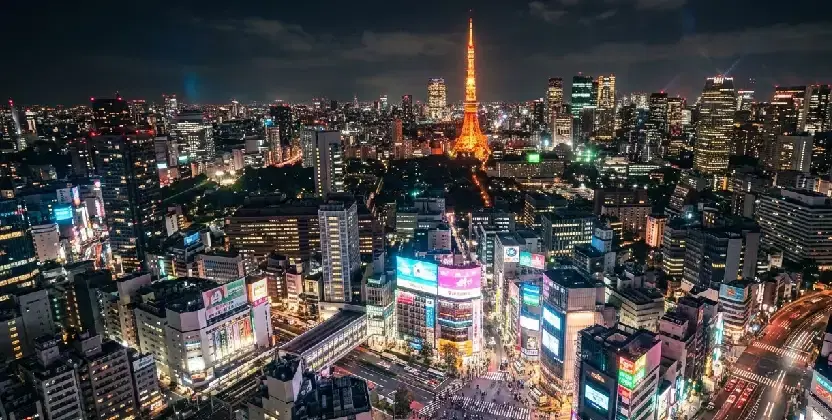
Looking for the best places to visit in Japan in May? May 2027 brings mild spring weather, lush greenery and seasonal festivals, making it a great time to explore Japan. From Tokyo and Kyoto to Mt Fuji, Hokkaido and Okinawa, each destination offers a different experience.
Tokyo: Best for Festivals and Urban Adventures
Tokyo in May offers comfortable weather for exploring the city's neighbourhoods, parks and outdoor attractions. Early May coincides with Golden Week, so popular areas can be crowded rather than quiet. From around May 7 onwards, crowds generally ease, making it a better time to explore Tokyo attractions. May also brings the Sanja Matsuri in Asakusa, one of Tokyo's major traditional festivals.
Must-See Attractions:
- Senso-ji Temple and Asakusa for the Sanja Matsuri atmosphere
- Meiji Shrine and Yoyogi Park for a peaceful green escape
- Shibuya Crossing and Harajuku for shopping and street culture
- Tokyo Skytree for panoramic city views
- Sumida River for pleasant springtime walks
Kyoto: Best for Temples and Cultural Beauty
Kyoto in May combines mild temperatures, fresh greenery and seasonal cultural events. Look for fresh green foliage around Kyoto's temples and gardens, particularly after the spring cherry blossom season has ended. The pleasant weather also makes temple visits and garden walks more comfortable than during the hotter summer months.
Must-See Attractions:
- Fushimi Inari Taisha for its thousands of vermilion torii gates
- Kinkaku-ji (Golden Pavilion) surrounded by lush spring greenery
- Arashiyama Bamboo Grove for an early-morning walk
- Philosopher's Path for a peaceful spring stroll
- Heian Shrine and its gardens for seasonal scenery
Tip: Visit Fushimi Inari before 7 AM or after 5 PM for fewer crowds and softer lighting.
Hokkaido: Best for Late Cherry Blossoms and Outdoor Adventures
Hokkaido in May offers a later spring season than Tokyo and Kyoto, making it one of the best places to see late-blooming cherry blossoms in Japan. Depending on the location and weather, sakura can continue into early May, giving travellers another opportunity to enjoy spring scenery. Cooler temperatures also make May comfortable for hiking, sightseeing and exploring national parks.
Must-See Attractions:
- Sapporo for parks, food and late-season spring scenery
- Matsumae Park for some of Hokkaido's best cherry blossom views
- Hakodate for its morning market and panoramic city views
- Daisetsuzan National Park for hiking and mountain scenery
Hakone: Best for Hot Springs and Mt. Fuji Views
Located around 100 km southwest of Tokyo, Hakone in May is ideal for combining mountain scenery, hot springs and views of Mount Fuji. Temperatures are generally comfortable for exploring the area, while the fresh spring landscape adds colour to the surrounding mountains. Take an early-morning Lake Ashi cruise or visit a Mount Fuji-viewing spot before the afternoon cloud cover increases.
Must-See Attractions:
- Lake Ashi for scenic cruises and Mt. Fuji views
- Hakone Ropeway for views over the Owakudani volcanic valley
- Hakone Open-Air Museum for art and outdoor exhibitions
- Traditional ryokan for a relaxing onsen experience
Takayama: Best for Historic Streets and Spring Markets
Takayama in May is a great choice for travellers looking for traditional Japan away from the major cities. The mountain town's preserved Edo-period streets, wooden merchant houses and local markets are especially enjoyable in May's mild spring weather. You can also explore local food and sake culture while walking through the historic centre.
Must-See Attractions:
- Sanmachi Suji for beautifully preserved historic streets
- Miyagawa Morning Market for local produce, snacks and crafts
- Takayama Jinya for a glimpse into the town's history
- Local sake breweries for tastings and traditional brewing experiences
Tip: Visit the morning markets between 7 AM and 9 AM for a quieter experience and cooler temperatures.
Best Things to Do in Japan in May 2027
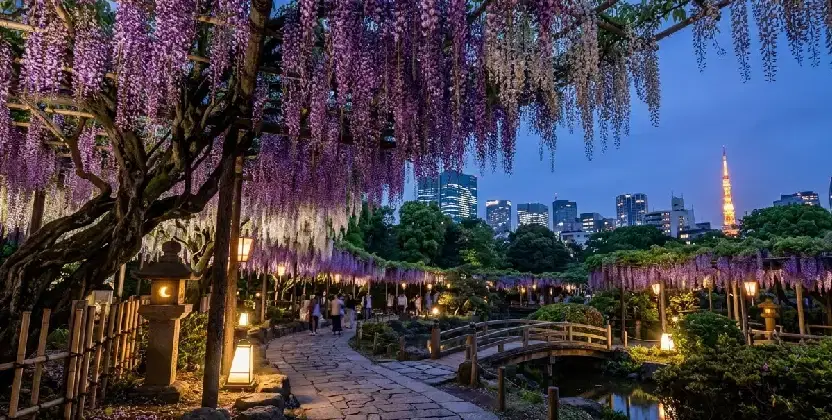
The best things to do in Japan in May 2027 include exploring spring gardens, hiking scenic trails, sampling seasonal Japanese dishes and attending traditional festivals. Mild weather makes outdoor sightseeing comfortable in many regions. Flowering periods vary by location and year, so check local bloom forecasts before planning visits to wisteria gardens and other seasonal attractions.
- Visit Wisteria Gardens: Explore Ashikaga Flower Park in Tochigi and Kawachi Fuji Garden in Fukuoka, known for their wisteria displays. Check bloom forecasts before visiting, as flowering periods vary each year.
- Go Mountain Hiking: Enjoy spring hikes along the Kamikochi trails, the Nakasendo Trail and Mount Takao near Tokyo. Check trail opening dates and weather conditions before setting out, particularly in mountainous areas.
- Explore Seasonal Gardens: Visit Japanese gardens to see azaleas, roses and other spring flowers. Early mornings can offer a quieter experience and more comfortable conditions for exploring.
- Try Seasonal Foods: Sample seasonal dishes featuring skipjack tuna (katsuo), bamboo shoots and fresh spring vegetables. Pair them with wagashi, traditional Japanese sweets often designed around seasonal themes, and a cup of matcha tea.
- Experience May Festivals: Attend Kyoto’s Aoi Matsuri, traditionally held on 15 May, or Tokyo’s Sanja Matsuri, usually held in May. These festivals feature traditional processions, rituals and celebrations that offer a glimpse into Japanese culture. Check the official event schedules before planning your visit.
Top Festivals in Japan in May 2027
Festival | Date in 2027 | Location | What to Expect |
| Aoi Matsuri | 15 May | Kyoto | Traditional procession with Heian-period costumes and cultural rituals |
| Sanja Matsuri | 14–16 May (expected) | Asakusa, Tokyo | Lively shrine celebrations and portable shrine processions |
| Kanda Matsuri | May; exact dates to be confirmed | Tokyo | Traditional processions and portable shrines; the full festival is held in odd-numbered years |
| Hakata Dontaku Port Festival | 3–4 May (expected) | Fukuoka | Street parades, costumed performers and outdoor celebrations |
| Koinobori Displays | Around Golden Week and throughout May | Across Japan | Colourful carp-shaped streamers celebrating Children's Day on 5 May |
Essential Travel Tips for Visiting Japan in May
- Plan around Golden Week: If your trip falls in early May, book flights, hotels and trains early. Expect higher prices and busy stations during the holiday period.
- Carry an umbrella: May can bring occasional showers, so a compact umbrella or lightweight rain jacket is useful.
- Book popular experiences in advance: Reserve popular attractions, Shinkansen seats, Fuji tours and accommodation before your trip, especially during Golden Week.
- Start days early: Visit popular temples, gardens and viewpoints in the morning for fewer crowds and more comfortable sightseeing.
- Check bloom forecasts: If seeing wisteria, azaleas or other seasonal flowers is a priority, check local bloom updates before planning day trips.
- Keep a flexible itinerary: Spring weather can change quickly, so have indoor alternatives such as museums, markets and cultural experiences.
- Wear comfortable walking shoes: Expect plenty of walking when exploring cities, temples, gardens and scenic areas.
- Carry some Japanese yen: Cards are widely accepted, but cash can still be useful at small restaurants, markets and rural destinations.
- Use an IC travel card: Cards such as Suica, PASMO or ICOCA make local train, subway and bus journeys easier.
- Plan festival visits carefully: Events such as Aoi Matsuri in Kyoto and Sanja Matsuri in Tokyo can draw large crowds. Arrive early and allow extra time for transport.
Bottom Line: Is May the Best Time to Visit Japan?
Japan in May is a strong choice for first-time visitors, outdoor enthusiasts and travellers interested in spring festivals. The best time to visit depends on your priorities. Choose mid-to-late May for comfortable sightseeing in Tokyo, Kyoto and Hakone, with fewer holiday crowds than during Golden Week. Visit Hokkaido in early May for a chance to see late-season cherry blossoms. If lower prices are your priority, compare dates outside Golden Week and check accommodation and transport costs before booking.
Japan in May is a strong choice for first-time visitors, outdoor enthusiasts and travellers interested in spring festivals. The best time to visit depends on your priorities. Choose mid-to-late May for comfortable sightseeing in Tokyo, Kyoto and Hakone, with fewer holiday crowds than during Golden Week. Visit Hokkaido in early May for a chance to see late-season cherry blossoms. If lower prices are your priority, compare dates outside Golden Week and check accommodation and transport costs before booking.
FAQs: Japan in May
1. Is May a good time to visit Japan?
A: Yes. May offers generally mild weather, spring scenery and opportunities for outdoor activities and cultural festivals. Mid-to-late May is particularly suitable for first-time visitors who prefer to avoid the Golden Week rush.
2. What is the weather like in Japan in May?
A: Japan generally experiences mild to warm weather in May. Daytime temperatures in many popular destinations range from around 18°C to 25°C, although conditions vary by region. Hokkaido is cooler, while Okinawa is warmer and more humid. Carry light layers and a compact umbrella.
3. Is Japan crowded in May, and when should you visit to avoid crowds?
A: Golden Week, which falls from late April to early May, is one of Japan's busiest holiday periods. Trains, hotels and popular attractions can be crowded, with higher prices in some destinations. Mid-to-late May is generally a better choice for a more relaxed trip, especially on weekdays.
4. Can you see cherry blossoms in Japan in May?
A: Cherry blossoms have usually finished blooming in Tokyo, Kyoto and Osaka by May. However, early May can offer late-season sakura in parts of Hokkaido, including Sapporo and Matsumae. Blooming dates depend on local weather and the year.
5. What are the best places to visit in Japan in May?
A: Tokyo and Kyoto are ideal for city sightseeing and cultural attractions. Hakone offers hot springs and potential Mount Fuji views, while Takayama is known for its historic streets and mountain scenery. Hokkaido is worth considering for cooler weather and late-season cherry blossoms.
6. What are the best things to do in Japan in May?
A: Explore spring gardens, hike scenic trails, sample seasonal Japanese food and attend traditional festivals. Events such as Kyoto's Aoi Matsuri and Tokyo's Sanja Matsuri are highlights of the month. Check official schedules and local conditions before planning your activities.
7. What festivals take place in Japan in May 2027?
A: Major festivals include Aoi Matsuri in Kyoto, Sanja Matsuri in Tokyo and Hakata Dontaku in Fukuoka. Kanda Matsuri is also held in its full form in odd-numbered years. Confirm the official 2027 dates and programmes before travelling.
8. How much does a 7-day Japan trip cost in May from India?
A: An indicative seven-day trip, including return flights from India, costs around ¥164,000–¥247,000 (₹92,000–₹1.38 lakh) per person on a budget, or ¥250,000–¥361,000 (₹1.4–₹2.02 lakh) for a mid-range trip. These estimates assume six nights of accommodation, with room costs calculated per person sharing a twin room. Golden Week travel may cost more.
9. Is Japan expensive to visit in May?
A: Costs depend on your travel dates, accommodation and itinerary. Golden Week can increase hotel and transport expenses, while mid-to-late May may offer better value. As a rough guide, daily spending excluding international flights can range from ¥10,000–¥20,000 (approximately ₹5,600–₹11,200), depending on your travel style and whether accommodation is included.
10. Is May a good time to visit Mount Fuji?
A: Yes. May is suitable for exploring the Mount Fuji region, including Hakone and Lake Ashi. However, clear views of Mount Fuji are not guaranteed, as cloud cover can affect visibility. Early mornings often provide better viewing opportunities. The official climbing season generally begins later in summer, so check trail access before planning a hike.
11. What should you pack for Japan in May?
A: Pack T-shirts, long-sleeved tops, a light jacket and comfortable walking shoes. A compact umbrella or rain jacket is useful for showers. If you are travelling to Hokkaido or mountainous areas, bring warmer layers because temperatures can be lower.
12. What is the average temperature in Japan in May?
A: The average temperature in Japan in May varies by region. Tokyo averages around 18.8°C, Kyoto around 19°C–20°C, Osaka around 20.1°C, Sapporo in Hokkaido around 13°C and Naha in Okinawa around 24.2°C. The weather is generally comfortable for sightseeing and outdoor activities.
13. How does Golden Week affect travel costs and crowds in Japan?
A: Golden Week, which falls from late April to early May, is one of Japan’s busiest holiday periods. Trains, hotels and popular attractions can become crowded, while accommodation and transport prices may rise. Book flights, hotels and train seats well in advance if travelling during this period. For a more relaxed and potentially better-value trip, consider mid-to-late May.