
Best Time to Visit Japan in 2027: Weather, Seasons & Best Months
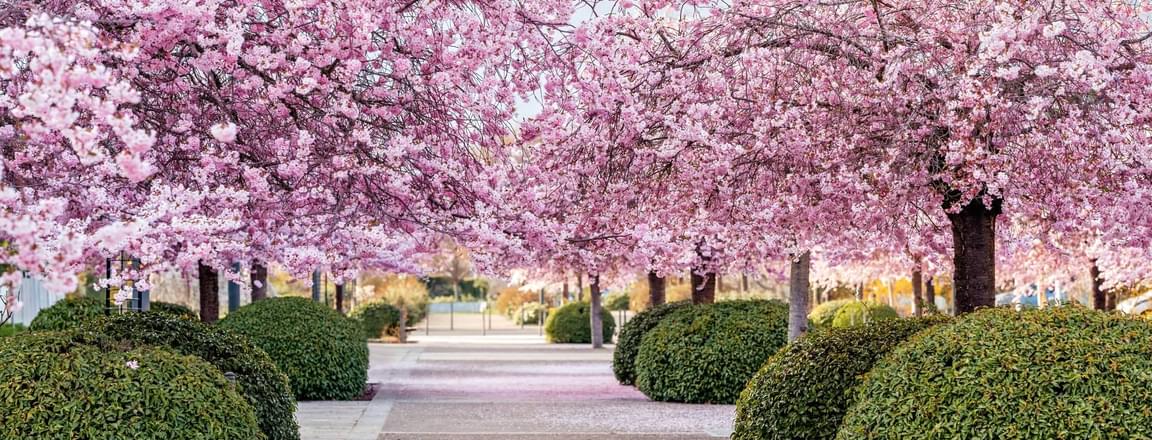
Would you love to walk beneath Japan's pink cherry blossoms, watch fiery red autumn leaves fall, or wake up to snow-covered mountains? Japan offers all three, but choosing the wrong month could mean missing the experience you travelled for. This guide takes you through the best time to visit Japan by month, weather, crowds and your travel goal.
The best time to visit Japan for most travellers is late March to early April for cherry blossoms and mid-November to early December for the best autumn colours. Both seasons offer pleasant weather and excellent conditions for exploring Japan. However, if you are travelling on a budget, chasing snowfall or fewer crowds, January, February, and early June are worth considering. So, this guide will help you to plan your Japan package from India, helping you choose dates that match your budget and travel plans.
Best Time to Visit Japan at a Glance
Travel Information | Details |
| Best time to visit Japan | Late March to early April (spring) and mid-November to early December (autumn) |
| Best months for first-time visitors | April, May, October and November |
| Best time for cherry blossoms | Late March to early April |
| Best time for autumn foliage | Mid-November to early December in Tokyo and Kyoto |
| Best time for snow and skiing | January and February |
| Best time to climb Mount Fuji | July to early September |
| Best time to visit Japan on a budget | January, February, early June and early December |
| Rainy season in Tokyo | Early June to around the third week of July |
Japan Seasons Explained: Weather, Temperature and Travel Tips
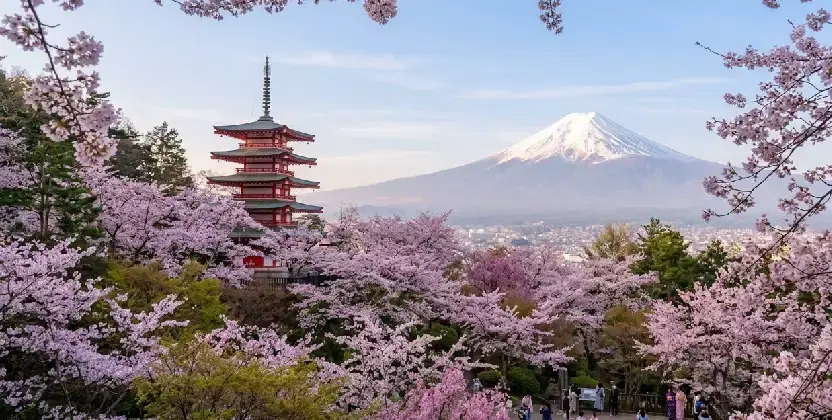
Japan experiences four distinct seasons, each offering a different way to explore the country. From cherry blossoms in spring and lively summer festivals to colourful autumn leaves and snowy winter landscapes, here are the four Japan seasons throughout the year.
Season | Months | Daytime Temperature in Tokyo | What It Feels Like |
| Spring | March to May | About 14°C to 24°C | Mild, flowery, popular |
| Summer | June to August | About 26°C to 31°C | Hot, humid, rainy at first |
| Autumn | September to November | About 27°C down to 17°C | Warm, then cool, colourful |
| Winter | December to February | About 10°C to 12°C | Cold, dry, sunny in Tokyo |
Japan Weather by Month: Best and Worst Months to Visit
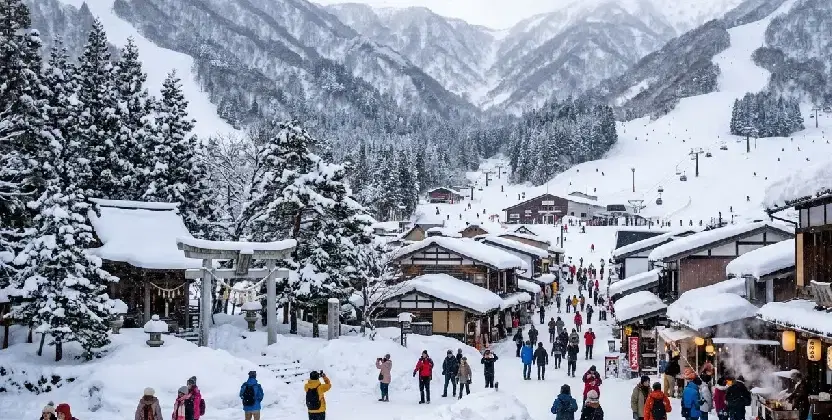
Japan experiences four distinct seasons, with cold winters, warm springs, hot summers and cool autumns. The weather also changes by region. The following month-by-month guide uses average temperatures in Tokyo to help you plan your trip.
1. January in Japan: Snowfall, Skiing and Winter Sightseeing
January is one of the coldest months in Japan. Tokyo has clear skies and plenty of sunshine, with daytime temperatures around 10°C and night temperatures near 1°C. Rainfall is usually low, making it a good time for city walks with warm clothes.
Hokkaido and the Japanese Alps receive heavy snowfall, making January a great month for skiing and snow activities. You can also enjoy winter festivals and beautiful snow-covered views.
2. February in Japan: Snow Festivals and Winter Activities
February remains cold and mostly dry in many parts of Japan. Tokyo temperatures range from around 2°C at night to 11°C during the day. Hokkaido stays covered in snow and is a popular choice for skiing and snowboarding.
The Sapporo Snow Festival takes place in early February in Japan and features huge snow and ice sculptures. Towards the end of the month, plum blossoms begin to bloom in some parts of the country, giving an early sign of spring.
3. March in Japan: Early Spring and Cherry Blossoms
March marks the beginning of spring in Japan. The weather slowly gets warmer, with Tokyo temperatures ranging from around 5°C to 14°C. Early cherry blossoms begin to appear in warmer southern regions.
Tokyo usually sees its first cherry blossoms towards the end of March, although the dates change each year. Pack light winter clothes and a jacket, as mornings and evenings can still feel cold.
4. April in Japan: Peak Cherry Blossom Season
April is one of the most popular months to visit Japan. Tokyo enjoys pleasant weather, with temperatures ranging from around 10°C to 19°C. The days are comfortable for sightseeing, outdoor activities and walking through parks.
Cherry blossoms reach their peak in many popular destinations, including Tokyo, Kyoto and Osaka. However, the first week can be crowded because of the blossom season. Golden Week also begins in late April and continues into early May, bringing more domestic travellers and higher demand for hotels and transport.
5. May in Japan: Pleasant Weather and Fewer Crowds
May brings warm weather and clear days to much of Japan. Tokyo temperatures range from around 15°C at night to 24°C during the day. The pleasant weather makes it a good month for sightseeing and outdoor activities.
Golden Week continues until early May, so popular attractions and trains can be busy during this period. Crowds usually ease after the holiday season. You can also see colourful wisteria flowers and enjoy the later cherry blossom season in northern Japan.
6. June in Japan: Rainy Season and Hydrangea Blooms
June marks the start of the rainy season, known as tsuyu, in much of mainland Japan. Tokyo temperatures range from around 19°C at night to 26°C during the day. Expect cloudy skies, regular rainfall and humid weather.
The rainy season usually lasts from early June to mid-July in the Tokyo region, although the dates change each year. You can still enjoy sightseeing between showers. June is also a beautiful time to see blue, purple and pink hydrangea flowers across Japan.
7. July in Japan: Summer Festivals and Mount Fuji Climbing
July brings hot and humid weather to Tokyo, with temperatures ranging from around 22°C at night to 30°C during the day. The rainy season usually ends around mid-July in the Tokyo region, making the second half of the month sunnier.
This is also the start of the main Mount Fuji climbing season, which usually runs from early July to early September, depending on the trail. Summer festivals, fireworks and outdoor events make July an exciting time to visit. Carry water, wear light clothes and avoid long outdoor walks during the hottest hours.
8. August in Japan: Hot Weather, Obon and Summer Events
August is usually the hottest month in Japan. Tokyo temperatures range from around 24°C at night to 31°C during the day. High humidity can make the weather feel even hotter, especially in busy cities.
The Obon holiday takes place in mid-August, when many Japanese people travel to visit their families. Trains, hotels and popular tourist spots can become crowded during this period. August is also part of the typhoon season, so check weather updates before planning outdoor activities.
9. September in Japan: Typhoon Season and Changing Weather
Japan weather in September starts warm and gradually becomes cooler towards the end of the month. Tokyo temperatures usually range from 20°C at night to 28°C during the day.
September is part of Japan's typhoon season and is one of the wettest months in Tokyo. Heavy rain and strong winds can affect flights, trains and outdoor activities. However, the weather can become more comfortable towards the end of the month. Keep your travel plans flexible, check weather alerts and consider travel insurance that covers weather-related disruptions.
10. October in Japan: Cool Weather and Early Autumn Colours
October brings cooler weather, making sightseeing more comfortable after the hot summer months. Tokyo temperatures usually range from 15°C at night to 22°C during the day.
Hokkaido starts seeing autumn colours earlier than Tokyo and Kyoto. You can enjoy beautiful red, orange and yellow leaves in parks and mountain areas. However, October can still bring heavy rain, so carry a light raincoat or umbrella.
11. November in Japan: Peak Autumn Foliage Season
November is one of the best months to enjoy autumn in Japan. Tokyo temperatures range from around 9°C at night to 17°C during the day. The weather is usually cool and comfortable, with less humidity than in summer.
Kyoto, Tokyo and Osaka become popular for their red, orange and golden autumn leaves. It is a great month for visiting temples, gardens and scenic spots.
12. December in Japan: Winter Illuminations and Snow Activities
December marks the start of winter in Japan. Tokyo temperatures range from around 4°C at night to 12°C during the day. The weather is generally cold and dry, with plenty of sunny days.
Hokkaido and the mountain regions experience heavy snowfall, making them popular for winter sports. Major cities also light up with beautiful Christmas displays and winter illuminations. If you plan to travel around New Year, book transport and hotels early, as many people travel during this holiday period. Some shops and attractions may also close for a few days.
Japan Temperature by Month: Average Highs, Lows and Rainfall
The Japan temperature by month varies across the country. Tokyo has cold winters, warm springs, hot summers and cool autumns. The table below shows Tokyo's average daytime highs, night-time lows and monthly rainfall.
Month | Daytime / Night (°C) | Rain (mm) | Note |
| January | 10 / 1 | 60 | Cold, dry, sunny |
| February | 11 / 2 | 57 | Cold, dry |
| March | 14 / 5 | 116 | Blossoms begin |
| April | 19 / 10 | 134 | Mild, pretty |
| May | 24 / 15 | 140 | Warm, green |
| June | 26 / 19 | 168 | Rainy season |
| July | 30 / 22 | 156 | Hot, humid |
| August | 31 / 24 | 155 | Hottest |
| September | 27 / 21 | 225 | Typhoon risk |
| October | 22 / 15 | 235 | Crisp, rainy at times |
| November | 17 / 9 | 96 | Autumn leaves |
| December | 12 / 4 | 58 | Cold, bright lights |
NOTE: Figures are rounded and can differ a little between weather sources.
What to Pack for Japan: Seasonal Clothing and Travel Essentials
- Spring and autumn: Light jackets, layers, comfy shoes
- Summer: Cotton clothes, a hat, sunscreen, a small towel, a water bottle
- Winter: Thermal wear, a warm coat, gloves, a scarf
- Rainy season: A compact umbrella and quick-dry clothes
Japan Travel Mistakes to Avoid When Planning Your Trip
- Booking cherry blossom hotels too late
- Planning a trip during Golden Week without a back-up plan
- Packing summer clothes for August only, and forgetting air-conditioned indoor chills
- Skipping travel insurance in typhoon months
- Fixing exact blossom dates before the forecast arrives
Conclusion: When Should You Plan Your Japan Trip?
The best time to visit Japan depends on what you want from your holiday. Choose spring for cherry blossoms, autumn for colourful leaves, winter for snow and skiing, or early summer for fewer crowds and better travel deals.
For Indian travellers planning a holiday to Japan, late March to April is a great choice for cherry blossoms, while late October to November works well for a Diwali break and autumn colours. Families travelling during school holidays can also consider May, when the weather is pleasant in many parts of Japan. Compare flight and hotel prices before booking, especially if you plan to travel during cherry blossom season or major Japanese holidays.
FAQs
1. Which month has the best weather in Japan?
A: April, May, October and November generally have the most comfortable weather in Japan. These months offer mild temperatures, making them ideal for sightseeing, walking tours and outdoor activities.
2. Is March a good time to visit Japan?
A: Yes. March is a good time to visit Japan, especially towards the end of the month when spring begins and cherry blossoms start blooming in warmer regions. However, mornings and evenings can still be cold.
3. Is May a good time to visit Japan after cherry blossom season?
A: Yes. May offers pleasant weather, green landscapes and fewer cherry blossom crowds. Avoid Golden Week in early May, as hotels, trains and popular attractions can be busy.
4. Is June a bad time to visit Japan because of the rainy season?
A: No. June is still a good time to visit Japan if you do not mind occasional rain. It is less crowded in many destinations, and you can enjoy hydrangea flowers, indoor attractions and better hotel deals.
5. When is the best time to see autumn leaves in Japan?
A: Mid-November to early December is generally the best time to see autumn leaves in Tokyo and Kyoto. However, Hokkaido and northern Japan usually experience autumn colours earlier, from September to October.
6. When is the best time to visit Mount Fuji in Japan?
A: July to early September is the official climbing season for Mount Fuji. If you want to see the mountain without climbing, winter often offers clearer views, especially on sunny days.
7. Is October a good month to visit Japan?
A: Yes. October is one of the best months to visit Japan because the summer heat and humidity begin to ease. It is also a good time to explore Tokyo, Kyoto and Osaka, while autumn colours start appearing in northern regions.
8. Is September a good time to visit Japan?
A: September can be a less crowded time to visit Japan, but it is also part of the typhoon season. Expect warm weather, humidity and possible heavy rainfall. Keep your itinerary flexible and check weather updates.
9. What is the worst time to visit Japan?
A: There is no single worst time to visit Japan, but late July and August can be uncomfortable because of heat and humidity. September may bring typhoons, while Golden Week and Obon can make travel crowded and expensive.
10. When is Golden Week in Japan, and should tourists avoid it?
A: Golden Week usually takes place from late April to early May and includes several Japanese public holidays. Tourists do not need to avoid it completely, but should book hotels and transport early because popular destinations get crowded.
11. When is the best time to visit Hokkaido for snow?
A: January and February are the best months to visit Hokkaido for heavy snowfall, skiing and snowboarding. February is particularly popular because of the Sapporo Snow Festival.
12. How many days are enough for a Japan trip?
A: Around 7–10 days is a good duration for a first Japan trip. It gives you enough time to explore popular destinations such as Tokyo, Kyoto and Osaka without rushing through every attraction.
13. What clothes should Indian travellers pack for Japan in spring?
A: Pack light layers, comfortable walking shoes and a medium-weight jacket for a spring trip to Japan. March can be chilly, while April and May are generally milder. Carry an umbrella in case of rain.
14. Is winter a good time to visit Tokyo and Kyoto?
A: Yes. December to February is a good time to explore Tokyo and Kyoto if you prefer fewer crowds and clear winter days. However, temperatures can drop considerably at night, so pack warm clothes.
15. When should I book flights and hotels for Japan during cherry blossom season?
A: Book flights and hotels around 6-9 months in advance if you plan to visit Japan during cherry blossom season. Accommodation in Tokyo, Kyoto and Osaka can become expensive and sell out quickly as the bloom approaches.