
Japan in November: Weather, Festivals, Costs & Travel Tips
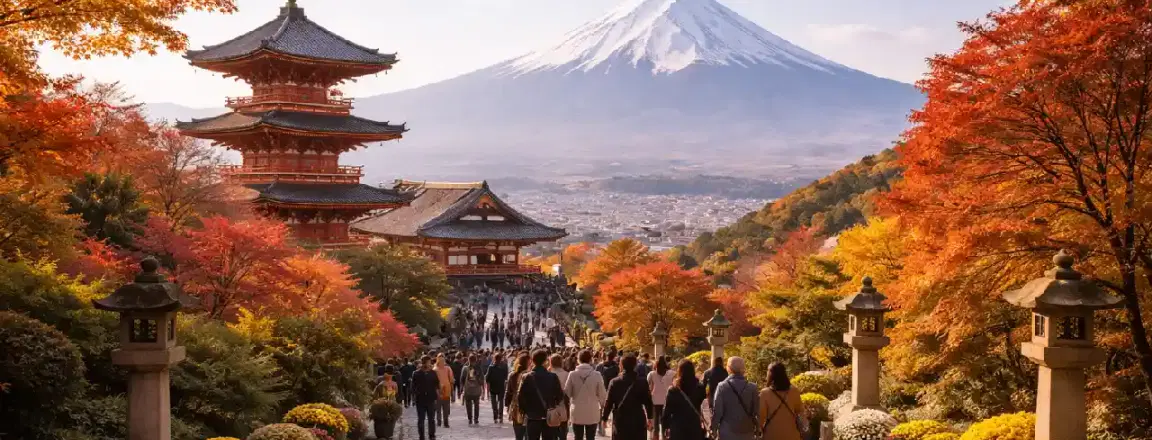
Japan in November is a wonderful time to explore autumn colours, historic temples, peaceful gardens and scenic mountain towns. Cooler temperatures make sightseeing comfortable in many parts of the country, while red maple leaves and golden ginkgo trees transform parks and cultural landmarks. From Kyoto's temple gardens to Tokyo's autumn-lined avenues and the hot spring resorts around Hakone, the season offers plenty to experience.
However, autumn foliage does not peak everywhere at the same time. Northern regions usually see colours earlier, while parts of central Japan may reach their best viewing period in late November or early December. This guide to Japan in November covers regional weather, autumn foliage, places to visit, festivals, travel costs, accommodation and practical tips to help you plan your trip.
Japan in November at a Glance
Travel Factor | Japan in November |
| Season | Autumn |
| Average Temperature | Around 8°C–17°C |
| Daytime Temperature | Around 14°C–18°C |
| Night Temperature | Around 7°C–12°C |
| Weather | Cool, crisp and generally comfortable |
| Rainfall | Relatively low in many regions |
| Autumn Foliage | Mid to late November |
| Best Places for Foliage | Tokyo, Kyoto, Osaka, Nikko and Kanazawa |
| Crowds | Moderate to high, especially during peak foliage |
| Best For | Autumn leaves, sightseeing, temples, gardens and outdoor activities |
| What to Wear | Sweaters, layers, a warm jacket and comfortable walking shoes |
| Daylight | Shorter days with early sunsets |
| Best Tip | Book hotels and popular attractions early for late November travel |
Is November a good time to visit Japan?
Yes, November is one of the best months to visit Japan, offering cool weather in many regions, seasonal landscapes and autumn cultural experiences. It is a great time for sightseeing, temple visits and exploring Japanese cities, although temperatures and foliage timings vary by destination and elevation.
- Autumn foliage across different regions: See red maple and golden ginkgo leaves in destinations such as Kyoto, Tokyo, Nikko and the Japanese Alps. Peak colours vary by region, elevation and year.
- Comfortable sightseeing weather: Many parts of central Japan experience cool autumn days, making November suitable for walking tours, temple visits and city exploration. Northern Japan is colder, while Okinawa remains milder.
- Seasonal festivals and cultural experiences: Experience traditions such as Shichi-Go-San, autumn temple illuminations and seasonal events, depending on the destination and dates.
- Autumn cuisine and onsen stays: Sample seasonal specialities featuring chestnuts, sweet potatoes and hot pot dishes, then unwind at hot spring resorts in Hakone, Kawaguchiko or Japan's mountain regions.
- Scenic photography opportunities: Capture colourful foliage, traditional temples and mountain landscapes. Check local foliage forecasts to plan visits around the best viewing periods.
Weather in Japan in November: Temperature, Rainfall & Regional Differences
Japan weather in November varies significantly by region, with cool autumn days in central Japan, colder conditions in Hokkaido and milder temperatures in Okinawa. Tokyo, Kyoto and Osaka are generally suitable for sightseeing, but mornings and evenings can feel chilly. The temperature ranges below are approximate planning estimates, not official averages, and actual conditions vary by location and year.
Region | Typical daytime range | Typical night-time range | What to expect |
| Tokyo | 15°C–18°C | 8°C–11°C | Cool days, chilly evenings and autumn colours |
| Kyoto | 14°C–18°C | 7°C–10°C | Crisp weather and seasonal foliage, with cooler conditions in the surrounding hills |
| Osaka | 15°C–19°C | 8°C–11°C | Generally mild afternoons and cooler nights |
| Hokkaido | 5°C–10°C | 0°C–4°C | Cold conditions, with possible snow, particularly later in the month and in inland areas |
| Okinawa | 24°C–27°C | 20°C–23°C | Warm days, mild evenings and occasional showers |
What to Expect from Japan's Weather in November
- Early November: Central Japan often experiences mild autumn conditions, while Hokkaido is already much colder. Autumn foliage may still be developing in some areas.
- Mid-November: Many parts of central Japan offer cool sightseeing weather. Foliage timing varies by destination, elevation and the year's weather.
- Late November: Temperatures tend to drop further, particularly in northern Japan and mountainous areas. Tokyo, Kyoto and Osaka can remain comfortable during sunny afternoons, with colder evenings.
- Rainfall and sunshine: November can bring dry, sunny days, but rainfall and cloudy conditions are still possible. Weather patterns differ across Japan, so check the local forecast before travelling.
- What to wear: Pack layers, sweaters, a warm jacket and comfortable walking shoes. Add a heavier coat for Hokkaido or mountain destinations, while lighter clothing is generally suitable for Okinawa.
What to Pack for Japan in November
- Layered clothing: Pack sweaters, light jackets and a warmer coat for colder regions.
- Comfortable walking shoes: Ideal for exploring cities, temples and autumn foliage spots.
- Scarf and compact umbrella: Useful for chilly evenings and occasional rain.
- Camera: Capture autumn colours and seasonal landscapes.
November Crowds in Japan
November is a popular time to visit Japan, particularly when autumn foliage attracts visitors to Kyoto, Tokyo, Osaka and Nikko. Crowds often increase in mid- to late November, although peak periods vary by destination and foliage conditions.
For a more relaxed experience, visit popular temples and gardens on weekdays and arrive early in the morning to avoid the busiest hours. Book accommodation well in advance in foliage hotspots, especially Kyoto and areas near major autumn-viewing attractions. Reserve popular activities and restaurants ahead of time if travelling during peak foliage weekends.
Japan Trip Cost in November
A trip to Japan in November can cost around ¥100,000–¥180,000 (₹60,000–₹1.08 lakh) on a budget or ¥180,000–¥350,000 (₹1.08 lakh–₹2.1 lakh) for a mid-range 7-day trip per person, including return flights from India. Costs vary by departure city, accommodation type and autumn foliage demand.
Expense | Budget | Mid-range |
| Return flights from India (per person) | ¥60,000–¥90,000 (₹36,000–₹54,000) | ¥90,000–¥120,000 (₹54,000–₹72,000) |
| Accommodation per night (per room) | ¥5,000–¥10,000 (₹3,000–₹6,000) | ¥10,000–¥25,000 (₹6,000–₹15,000) |
| Food per day (per person) | ¥2,000–¥3,000 (₹1,200–₹1,800) | ¥3,000–¥5,000 (₹1,800–₹3,000) |
| Local transport per day (per person) | ¥1,000–¥1,500 (₹600–₹900) | ¥1,500–¥2,500 (₹900–₹1,500) |
| Attractions per day (per person) | ¥1,000–¥2,000 (₹600–₹1,200) | ¥2,000–¥4,000 (₹1,200–₹2,400) |
| Estimated 7-day total per person | ¥100,000–¥180,000 (₹60,000–₹1.08 lakh) | ¥180,000–¥350,000 (₹1.08 lakh–₹2.1 lakh) |
Estimates are indicative, not live quotes. Accommodation costs are per room per night; all other costs and trip totals are per person. Trip totals assume two travellers sharing a room. November hotel rates can rise in Kyoto and other popular autumn foliage destinations, so booking early is recommended.
Best Places to Visit in Japan in November

November is a rewarding time to explore Japan’s autumn foliage, historic temples and seasonal landscapes. Japan tour packages in November can include Tokyo, Kyoto, Osaka, Nikko and Kanazawa, with each destination offering a different autumn experience. The best time to visit depends on your interests, as foliage peaks vary by region, elevation and year.
1. Kyoto in November: Autumn Leaves and Historic Temples
Kyoto is a highlight of autumn, with red maple leaves framing historic temples, traditional gardens and old streets. Visit Kiyomizu-dera, Eikan-do and Tofuku-ji for seasonal scenery and temple architecture. Early to mid-November may suit higher-elevation spots, while many central Kyoto locations often see vibrant foliage in mid- to late-November. Arrive early to avoid crowds, and check temple illumination schedules if you want to explore after sunset.
2. Tokyo in November: Autumn Parks and City Experiences
Tokyo combines autumn colours with shopping, museums and urban sightseeing. Explore attractions in Tokyo like Shinjuku Gyoen and Meiji Jingu Gaien for seasonal foliage, then visit Asakusa or Ueno for cultural spots. Cooler daytime weather makes walking around the city more comfortable than during summer. Mid- to late November is often a good period for autumn colours in city parks, although timing changes each year.
3. Nikko in November: Mountain Scenery and Sacred Shrines
Nikko is known for its ornate shrines, forested landscapes and waterfalls. Visit the UNESCO-listed Toshogu Shrine and explore the Lake Chuzenji and Kegon Falls area for scenic views. Lower elevations around the town may retain autumn colours after foliage at higher elevations has faded. Early November is often a better choice for mountain foliage, while conditions can become colder later in the month.
4. Japanese Alps in November: Alpine Towns and Mountain Views
The Japanese Alps offer mountain scenery, traditional streets and seasonal food. Explore Takayama's old town and Matsumoto Castle, or visit nearby valleys for autumn landscapes. November brings crisp weather, but higher mountain areas can experience snow, and some roads or seasonal transport services may close. Early November is generally more suitable for autumn scenery, while late November is better approached as a transition towards winter. Check local access conditions before planning mountain excursions.
5. Osaka in November: City Attractions and Autumn Gardens
Osaka in November is a good choice for travellers who want urban sightseeing alongside seasonal scenery. Visit Osaka Castle Park and Minoh Park for autumn colours, then explore Dotonbori for street food and evening entertainment. Mild afternoons often make walking around the city comfortable. Mid- to late November can be a good period for foliage in city parks, while weekends may be busy at popular viewing spots.
6. Kanazawa in November: Traditional Gardens and Cultural Heritage
Kanazawa offers historic districts, samurai residences and Kenrokuen, one of Japan's most celebrated gardens. November brings seasonal colour to the garden, with pine trees and traditional landscaping adding interest beyond the autumn leaves. Mid- to late November can be a good time to visit, depending on local foliage conditions. Pack warm layers, as temperatures can be cooler and rain is possible.
7. Hokkaido in November: Early Winter Landscapes
Hokkaido suits travellers looking for colder weather and the transition from autumn to winter. Explore Sapporo's parks, visit Otaru's canal district or enjoy mountain scenery around the island. Autumn foliage generally arrives earlier here than in central Japan, so early November may be too late for peak colours in many locations. Late November is more suitable for a winter atmosphere, although snow conditions vary by area and year.
Planning tip: For a trip focused on autumn foliage, consider early November for northern and higher-elevation destinations, and mid- to late November for many central Japanese cities.
Best Things to Do in Japan in November
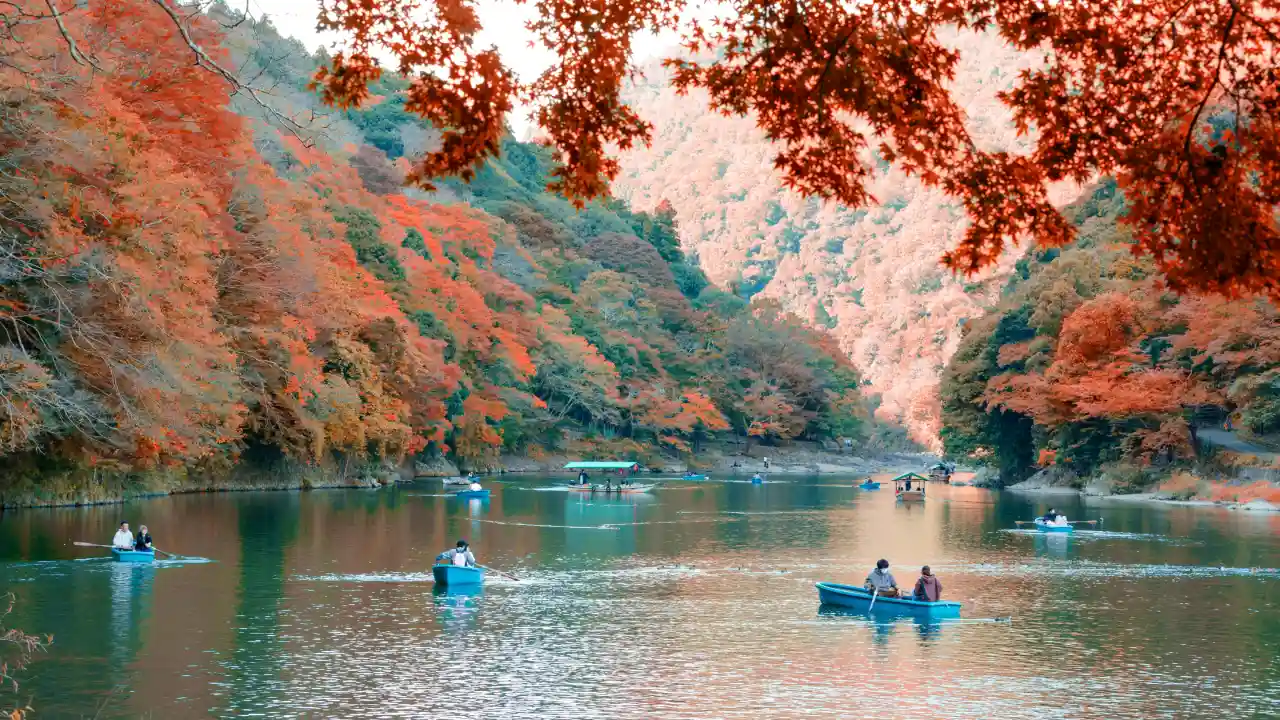
November is a great time to experience Japan beyond its famous autumn landscapes. From walking through historic neighbourhoods and riding scenic trains to attending cultural events and sampling seasonal dishes, the month offers plenty of ways to explore Japanese traditions and everyday life.
1. Chase Autumn Foliage (Koyo)
Autumn leaves, known as koyo, are one of Japan's most celebrated seasonal attractions, alongside cherry blossoms in Japan. Explore the autumn foliage of Japan at parks, temple gardens and riverside paths. November is a popular viewing period in many parts of central Japan, although peak colours depend on the destination, elevation and weather.
2. Explore Japanese Cities on Foot
Cooler autumn weather makes walking a comfortable way to discover Japan's cities. Follow Kyoto's Philosopher's Path, explore the traditional streets of Asakusa in Tokyo or browse Osaka's lively shopping districts. Allow time for small cafés, local shops and neighbourhood markets to experience everyday Japanese culture beyond the main attractions.
3. Relax in Traditional Onsen Towns
Include a traditional hot spring experience in your itinerary to unwind after a day of sightseeing. Destinations such as Hakone, Kawaguchiko and Kinosaki Onsen offer ryokan stays, public baths and traditional Japanese hospitality. Some properties also provide multi-course seasonal meals, making an overnight stay a cultural experience in itself. Explore these hot springs in Japan when planning your trip.
4. Attend Traditional Cultural Events
November offers opportunities to experience Japanese customs and seasonal celebrations. Shichi-Go-San, observed around 15 November, is a traditional celebration for children aged three, five and seven. Families often visit shrines dressed in formal clothing. Some temples also host seasonal ceremonies and special evening openings, so check local event calendars for dates and access details.
5. Visit Mount Fuji
November can offer rewarding views of Mount Fuji, particularly on clear days. Explore the Hakone area for lake cruises and mountain viewpoints, or head to the Fuji Five Lakes region for views of the mountain from around Lake Kawaguchi. Visibility is weather-dependent, so allow some flexibility in your itinerary rather than relying on a single viewing day.
6. Take a Scenic Train Ride
Explore Japan's countryside by rail, with routes that offer views of rivers, valleys and mountain landscapes. The Sagano Romantic Train near Arashiyama travels along the Hozugawa River and is a popular seasonal excursion. Train journeys around Nikko also provide access to scenic mountain areas. Check operating schedules and book ahead for popular routes during busy autumn weekends.
7. Try Seasonal Japanese Food
November is a good time to sample ingredients associated with autumn and early winter. Look for matsutake mushrooms in rice dishes and soups, roasted sweet potatoes from street vendors, and chestnut-based sweets. Warm nabe hot pots, prepared with vegetables, tofu, seafood or meat, are also popular as temperatures drop. Seasonal menus vary by restaurant, so ask about local specialities when dining.
Festivals and Events in Japan in November
Autumn festivals in Japan during November are less dramatic and more reflective than summer matsuri. These are often centred around temples, seasonal harvests, and traditional rites, allowing travellers to experience local culture in a calmer, more intimate setting.
Festival/Event | When | Where | What to Expect |
| Autumn Leaves Festival | November | Kyoto, Tokyo and other cities | Seasonal foliage, food stalls and cultural activities |
| Kōyō (Autumn Foliage) Season | Throughout November | Across Japan | Vibrant red, orange and yellow autumn landscapes |
| Shichi-Go-San | 15 November | Across Japan | Traditional celebration for children aged 3, 5 and 7, often seen at Shinto shrines |
| Meiji Shrine Autumn Grand Festival | Early November | Tokyo | Traditional performances, martial arts and cultural events |
| Arashiyama Momiji Festival | November | Kyoto | Autumn foliage, traditional performances and cultural displays |
Tip: Festival dates can vary each year, so check the official event information before planning your itinerary.
Practical Travel Tips for Visiting Japan in November
- Book early: Reserve flights, hotels and popular experiences in advance, especially for mid-to-late November.
- Pack layers: Carry sweaters, thermal layers and a light-to-warm jacket as temperatures can drop in the evenings.
- Plan for crowds: Visit popular temples, gardens and viewing spots early in the morning to avoid peak crowds.
- Check foliage forecasts: Autumn colours appear at different times depending on the region and elevation.
- Carry comfortable shoes: Expect plenty of walking while exploring temples, neighbourhoods and gardens.
- Use public transport: Japan's trains and metro systems are efficient for travelling between major cities and attractions.
- Keep cash handy: Although cards are widely accepted, some smaller shops, restaurants and local establishments may still prefer cash.
- Reserve popular trains: Book seats on long-distance and scenic trains during busy November travel periods.
- Prepare for shorter days: Plan outdoor sightseeing earlier because daylight hours are shorter in November.
- Check weather by region: Hokkaido can be cold and snowy, while Tokyo, Kyoto and Osaka generally have milder autumn weather.
Conclusion: Is Japan in November Worth Visiting?
Japan in November is elegant, calm, and visually stunning. It gives the gorgeousness of autumn without extreme weather and high seasons. With peak autumn foliage, mild temperatures, and fewer crowds than spring, it is an ideal time for sightseeing, temple visits, and scenic walks. From colourful city parks to peaceful onsen towns, November showcases Japan at its most refined, making it one of the most rewarding months to travel in 2026.
Frequently Asked Questions
1. Is November a good time to visit Japan?
Yes, November is a great time to visit Japan for autumn scenery, temple visits, cultural events and seasonal food. Cooler weather makes sightseeing comfortable in many regions, although temperatures and foliage timings vary across the country.
2. What is the weather like in Japan in November?
Japan generally experiences cool autumn weather in November. Tokyo, Kyoto and Osaka have mild afternoons and chilly evenings, while Hokkaido is much colder and Okinawa remains relatively warm. Rain and occasional snow are possible depending on the region.
3. What is the average temperature in Japan in November?
Temperatures vary by destination. Tokyo typically experiences daytime temperatures of around 15°C–18°C and night-time temperatures of 8°C–11°C. Kyoto and Osaka have similar conditions, while Hokkaido is colder and Okinawa is warmer.
4. Where can I see autumn leaves in Japan in November?
Kyoto, Tokyo, Nikko, Osaka and Kanazawa are popular destinations for autumn foliage. Visit temple gardens, city parks and scenic mountain areas. Peak colours depend on elevation, location and annual weather conditions.
5. Is Japan crowded in November?
Japan can be busy during the autumn foliage season, particularly in Kyoto, Tokyo and Nikko. Crowds often increase in mid- to late November. Visit popular attractions on weekdays, arrive early and book accommodation in advance.
6. How much does a seven-day Japan trip cost from India in November?
A seven-day trip costs approximately ₹60,000–₹1.08 lakh per person on a budget or ₹1.08 lakh–₹2.1 lakh for a mid-range trip, including return flights. Actual costs depend on airfare, accommodation, travel style and seasonal demand.
7. Is Japan expensive during autumn foliage season?
Japan can become more expensive during peak foliage periods, particularly for accommodation in Kyoto and other popular destinations. Booking flights and hotels early, travelling on weekdays and using public transport can help manage costs.
8. What should I wear in Japan in November?
Pack sweaters, layered clothing, a warm jacket, comfortable walking shoes and a compact umbrella. Bring a heavier coat for Hokkaido and mountain destinations, while lighter layers are generally suitable for Okinawa.
9. Does it snow in Japan in November?
Snow is possible in Hokkaido and higher-altitude areas, especially later in November. Major central cities such as Tokyo, Kyoto and Osaka generally experience cool autumn weather rather than regular snowfall.
10. Is November a good time to visit Tokyo and Kyoto?
Yes, November is a good time to explore both cities. Tokyo offers autumn parks, museums and cultural neighbourhoods, while Kyoto is known for its temples and traditional gardens. Mid- to late November can be a good period for foliage in many central locations, depending on the year.
11. Which part of November is best for visiting Japan?
Early November is often suitable for northern and higher-elevation destinations, while mid- to late November can be better for autumn foliage in Kyoto, Tokyo and other central Japanese cities. Check local foliage forecasts before finalising your itinerary.
12. What are the best things to do in Japan in November?
Popular activities include viewing autumn foliage, exploring temples and traditional neighbourhoods, visiting Mount Fuji viewpoints, taking scenic train rides, relaxing in onsen towns and trying seasonal dishes such as hot pot, roasted sweet potatoes and chestnut desserts.
13. Which festivals take place in Japan in November?
November events include Shichi-Go-San, the Meiji Shrine Autumn Grand Festival and autumn foliage festivals in destinations such as Kyoto. Event dates and programmes can vary, so check local schedules before travelling.
14. How many days are enough for Japan in November?
Seven days is a practical starting point for exploring two or three destinations, such as Tokyo, Kyoto and Osaka. A 10- to 14-day trip allows more time for places such as Nikko, Kanazawa, Hakone or the Japanese Alps without rushing between destinations.
15. Do Indian citizens need a visa to visit Japan?
Yes, Indian citizens generally need a valid visa to visit Japan for tourism. Check the latest requirements through the official Embassy of Japan in India or the relevant Japanese visa application centre before applying, as documentation and processing times may change.