
Best Time to Visit Malaysia: Weather, Months & Travel Guide 2026

Planning a Malaysia holiday but not sure when to go? Choosing the best time to visit Malaysia matters more than you might think because the country does not have a single best season. Malaysia's weather can be sunny on one coast while heavy rain affects another. So, if you are planning a trip to Malaysia, the right month depends on which coast, islands or cities you plan to explore.
Malaysia has two monsoon seasons (Northeast Monsoon and Southwest Monsoon) that affect different parts of the country at different times. For most travellers, December to February and June to August are the best overall travel windows, especially for Kuala Lumpur, Penang, Langkawi, and other west-coast destinations. However, the east-coast islands and Malaysian Borneo follow a different seasonal pattern. This guide breaks down the best time to visit Malaysia from India, by region, season and travel style to help you choose your ideal dates.
Best Time to Visit Malaysia: Quick Glance
Region | Destinations | Best Months | Avoid |
| West Coast | KL, Penang, Langkawi, Malacca | December–February, June–August | September–October (Heaviest downpours & lightning) |
| East Coast islands | Perhentian, Redang, Tioman | March–October | November–February (monsoon closure) |
| Genting Highlands | - | Year-round (cool climate) | Weekends and school holidays |
| Sabah (Borneo) | Kota Kinabalu, Mount Kinabalu, Semporna, Sipadan | March–October | Rain is possible year-round; November–March can be wetter in some areas |
| Sarawak (Borneo) | Kuching, Mulu, Bako, Damai | March–October | November–February can be wetter, particularly during the Northeast Monsoon |
Why the Best Time to Visit Malaysia Depends on the Coast?
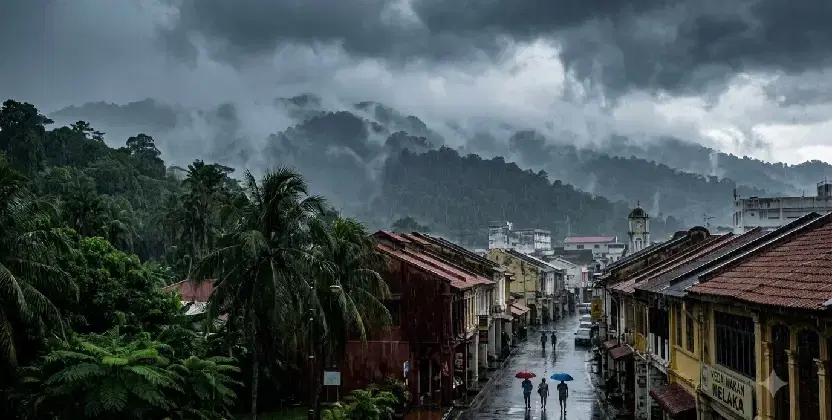
Malaysia stays warm throughout the year, but rainfall varies significantly by region. This is why the best time to visit Malaysia depends more on which coast or islands you plan to explore than on the calendar alone. The biggest factor is the monsoon season. Malaysia experiences two main monsoon periods: the Northeast Monsoon and the Southwest Monsoon.
Northeast Monsoon: November to March
The Northeast Monsoon is the country's main rainy season. It mainly has its impact on the east coast of Peninsular Malaysia, such as the Perhentian Islands, Redang and Tioman. From November to March, these areas experience heavy rain, rough seas and limited ferry services.
Several island resorts operate on a reduced seasonal schedule during this period, and boat services are also affected.
TIP: So, if you are planning a beach or diving holiday here, it is best to check local resort and ferry operations before booking.
Southwest Monsoon: May to September
This is generally a relatively drier period across much of Peninsular Malaysia, although localised showers and thunderstorms can still occur. The Southwest Monsoon generally brings more rain to parts of western Peninsular Malaysia, including Penang, Langkawi and Malacca.
Short, heavy rain showers are common during the season. Most west-coast destinations remain accessible during this period, making the region suitable for travellers who can plan around occasional showers.
Transition Months: March to April and September to October
The transition periods between the monsoons bring unpredictable weather, including thunderstorms and heavy rain. If you travel during these months, keep some flexibility in your itinerary and check the local forecast before planning outdoor activities.
REMEMBER: The easiest way to plan your Malaysia trip is to choose your destination first and then your travel month. If you want east-coast islands such as Redang or Tioman, avoid the peak Northeast Monsoon months. The west coast can be visited throughout much of the year.
Best Time to Visit Malaysia by Destination

Malaysia’s weather can change quite a bit from one destination to another, so there is no single best month for the whole country. Whether you are exploring cities, relaxing on the islands, heading into the highlands or visiting Borneo, the ideal time depends on local rainfall and monsoon patterns.
Best Time to Visit Kuala Lumpur
Kuala Lumpur can be visited throughout the year. But for most first-time visitors, the best time to visit Kuala Lumpur is generally December to February or June to August. These periods offer a good balance of lower rainfall, warm weather and comfortable conditions for sightseeing, although the city experiences rainfall throughout the year.
Kuala Lumpur Weather by Month
- February to March: A good choice for first-time visitors. Rainfall is relatively lower in February, while March is warmer and wetter. If you travel during Chinese New Year, Kuala Lumpur becomes especially lively, with festive decorations, cultural performances and celebrations across the city.
- April to May: Expect more frequent rain and thunderstorms, but these months can still work well for a city break. Plan outdoor attractions for the morning and keep indoor options such as malls, museums and food experiences for later in the day.
- June to August: June is one of KL's relatively drier months, while July and August remain manageable for sightseeing. Rain can still occur, but the weather should not stop most city itineraries.
- September to November: Rain becomes more frequent, with October and November among the wetter months. November has the highest average rainfall in the long-term climate data, so carry an umbrella and keep some flexibility in your plans.
- December to January: These months remain warm and suitable for exploring Kuala Lumpur, although rainfall can be frequent. December also brings a festive atmosphere around Christmas and New Year.
Best Time to Visit Penang, Malaysia
The best time to visit Penang, Malaysia, is generally December to March, when rainfall is lower, and conditions are more favourable for sightseeing and beach trips. February is typically the driest month, making it one of the best choices for exploring outdoors and enjoying the beautiful beaches. However, the island can still receive rain throughout the year, with September to November generally being the wettest period.
Penang Weather by Month
- December to March: This period offers good weather conditions. Rainfall is generally lower, making these months a good choice for walking around George Town, sightseeing and beach activities. February is typically the driest month.
- April to August: A good alternative for travellers who do not mind occasional rain. Showers can be frequent, but Penang remains suitable for sightseeing, food tours and cultural experiences. June and July are among the relatively drier months within this period.
- September to November: The wettest period, with October usually recording the highest rainfall. Rain can be heavier and more frequent, so this is less ideal for a beach-focused holiday. However, it can be a good period for budget travellers because crowds and hotel prices are generally lower.
Best Time to Visit Genting Highlands, Malaysia
The best time to visit Genting Highlands in Malaysia is generally between March to September, when the weather is more favourable for sightseeing and outdoor activities. However, the region experiences a cool mountain climate throughout the year, so there is no need to avoid the destination completely during the wet months.
Genting Highlands Weather by Month
- March to September: The best overall period for a Genting Highlands trip. These months generally offer more favourable conditions for enjoying the resort, theme parks and surrounding views.
- June to August: A good option if you want a cool mountain escape during Malaysia's warmer months. The resort remains popular during this period, so expect more visitors around weekends and school holidays.
- October to February: Rain and mist can be more frequent, which may affect outdoor plans and mountain views. However, indoor attractions, shopping and entertainment mean Genting Highlands remains a viable destination even when the weather is unsettled.
Best Time to Visit Malaysia's East Coast Islands and Borneo
If you are planning to book a Malaysia honeymoon package around snorkelling, diving, beaches or wildlife, the east coast islands deserve extra attention when planning your travel dates. The best time to visit Malaysia's east coast islands is generally March to October, while Malaysian Borneo has more varied weather and can be visited throughout the year.
East Coast Islands: Perhentian, Redang and Tioman
The Perhentian Islands, Redang and Tioman are strongly influenced by the Northeast Monsoon from around November to March. During the wetter months, rough seas can disrupt boat transfers, and many island resorts close for the season.
- March to May: A good balance of pleasant conditions, fewer crowds and potentially better prices as the island season gets underway.
- June to August: Generally the best period for calm seas and underwater activities, making it a popular choice for snorkelling and diving. However, school holidays can make these months busier.
- September to October: Still within the main island season, but rainfall and rougher conditions can become more likely as the Northeast Monsoon approaches.
- November to February: Avoid planning a beach holiday around the east-coast islands. Heavy rain and rough seas can affect boat services, while many resorts close during this period.
Sabah and Sarawak: Malaysian Borneo
Sabah and Sarawak do not follow the same travel calendar as Malaysia's east-coast islands. Their rainfall varies considerably by location. The Northeast Monsoon brings heavier rain to western Sarawak and northeastern Sabah, while some areas have more evenly distributed rainfall throughout the year.
TIP: For diving and island trips, April to August is particularly favourable for visibility around Sabah and Sarawak, although many dive sites remain accessible outside this period.
Best Time to Visit Malaysia for Honeymoons, Events and Festivals
Planning your trip around a special occasion can add an extra layer of excitement to your Malaysia holiday. From romantic beach escapes to colourful cultural festivals, the right travel dates can help you experience the country at its most vibrant.
Best Time to Visit Malaysia for a Honeymoon
The best time to visit Malaysia for a honeymoon depends on the destinations and experiences you want to include. For couples looking for beach resorts, romantic sunsets, island stays, and private experiences, the west coast and east coast have different ideal travel periods.
Best Months for a Malaysia Honeymoon
- December to February: A great choice for a Langkawi or Penang honeymoon, particularly if you want beach time, island-hopping, sunset cruises and romantic dinners.
- March to May: One of the best periods for couples who want good weather with fewer crowds. April and May can offer a good balance between sea conditions, resort availability and prices before the June–August peak.
- June to August: Ideal months if your priority is clear water, snorkelling and diving. Redang typically experiences its calmest seas and clearest water during these months, but this is also the busier and more expensive period because of school holidays.
- September to October: A quieter option for an East Coast island honeymoon. Crowds usually thin out, and resorts may offer better value, but rainfall and rougher seas can become more likely as the Northeast Monsoon approaches.
- November to February: Avoid these months for a Redang or Perhentian Islands honeymoon. The Northeast Monsoon brings rough seas and heavy rain, and many resorts and boat services close for the season.
Best Time to Visit Malaysia for Events and Festivals
Malaysia has festivals and cultural events throughout the year, including Chinese New Year, Thaipusam, Hari Raya Aidilfitri, Deepavali and Christmas. The best time to visit Malaysia for events and festivals depends on which celebration you want to experience.
Major Events to Plan Your Malaysia Trip Around:
- Chinese New Year (January or February): One of Malaysia's biggest festive periods, with colourful decorations, family celebrations, cultural performances and special food. Kuala Lumpur and Penang are particularly interesting choices if you want to experience the celebrations.
- Thaipusam (January or February): A major Hindu festival celebrated in several parts of Malaysia. Thaipusam celebrations take place in Kuala Lumpur, Penang, Selangor and other states.
- Hari Raya Aidilfitri (March or April): The date changes every year because it follows the Islamic lunar calendar. During this celebration, travellers can expect festive decorations, family gatherings and special food, although some businesses may operate on reduced hours around the holiday.
- Singapore Grand Prix (September or October): If you are combining Malaysia with Singapore, the Singapore Grand Prix can significantly increase demand for hotels in Singapore. Book early if you plan to attend, or consider travelling on different dates if the race is not part of your itinerary.
- December to early January: Christmas and New Year bring festive decorations, shopping events and a lively atmosphere to Kuala Lumpur and other major cities. However, this is also a popular travel period, so expect higher demand for hotels and flights.
Malaysia Weather Month by Month: Best Time to Visit Malaysia from India
Month | Best For | Travel Advice |
| January | Kuala Lumpur, Penang, Langkawi, Malacca | Good month for West Coast sightseeing; avoid planning an East Coast island holiday. |
| February | Penang, Langkawi, Kuala Lumpur, cultural trips | A strong all-round month for a West Coast itinerary. Chinese New Year can bring festive celebrations but also higher demand. |
| March | East-coast islands, west coast, city breaks | One of the best months if you want to combine cities with beaches. |
| April | City sightseeing, beaches, diving | Pack light rainwear and plan outdoor activities around showers. |
| May | West coast, east-coast islands, diving | A good shoulder-season month with fewer crowds than June–August. |
| June | Perhentian, Redang, Tioman, Kuala Lumpur | Excellent for beaches, snorkelling and diving; expect peak-season demand in popular islands. |
| July | East-coast islands, west-coast sightseeing | One of the strongest months for a Malaysia beach holiday, although crowds can be higher. |
| August | East-coast islands, diving, city breaks | Good overall month; allow flexibility for short showers. |
| September | East-coast islands, wildlife, quieter trips | A good shoulder-season option, but check local forecasts for outdoor activities. |
| October | Kuala Lumpur and flexible city itineraries | Less ideal for an island-focused trip; keep outdoor plans flexible. |
| November | West-coast city breaks, cultural trips | Avoid relying on east-coast ferries and island resorts; many seasonal facilities begin closing. |
| December | Kuala Lumpur, Penang, Langkawi, Malacca | Good for a west-coast-focused trip; not ideal for Perhentian, Redang or Tioman. |
What Is the Best Time to Visit Malaysia?
There is no single best time to visit Malaysia. The ideal month depends on where you want to go and what you want to do. For a first trip covering Kuala Lumpur, Penang, Langkawi and other west-coast destinations, December to February and June to August are generally the easiest windows to plan around. If beaches and diving are your priority, aim for March to October for the east-coast islands. Whenever you travel, check the local weather for your specific destinations rather than relying on Malaysia's overall forecast.
FAQs
1. What is the best time to visit Malaysia?
The best time to visit Malaysia depends on your destination. For most west-coast trips, December to February and June to August are good choices. For the east-coast islands, March to October is the better window, with June to August particularly popular for diving and snorkelling.
2. Which month is best to visit Malaysia?
March is one of the best all-round months to visit Malaysia if you want to combine cities, beaches and different regions. The Northeast Monsoon is easing, east-coast islands begin their main travel season, and conditions are generally suitable for sightseeing across much of the country.
3. What is the rainy season in Malaysia?
Malaysia's main Northeast Monsoon runs from November to March, bringing the heaviest rain to the east coast of Peninsular Malaysia, western Sarawak and northeastern Sabah. The Southwest Monsoon runs from late May to September and is generally drier across much of Peninsular Malaysia, although showers can still occur.
4. When is the best time to visit Malaysia's east coast islands?
The best time to visit Perhentian, Redang and Tioman is generally March to October. June to August is especially popular for calm seas, snorkelling and diving, while November to February can bring rough seas, heavy rain and seasonal resort closures.
5. What is the cheapest month to visit Malaysia?
There is no single cheapest month across all of Malaysia, but shoulder-season periods such as March to May and September to November can offer better value than major holiday periods. Hotel and flight prices also depend heavily on school holidays, festivals and demand for specific destinations.
6. Is Malaysia good to visit during the monsoon season?
Yes, depending on where you go. Malaysia can still be visited during the monsoon because rainfall is highly regional. City destinations such as Kuala Lumpur remain accessible year-round, but heavy rain and rough seas can disrupt east-coast island trips during the Northeast Monsoon.
7. What is the best time to visit Malaysia for beaches and diving?
For east-coast beaches and diving, March to October is generally the best period, with June to August offering particularly favourable conditions. Tourism Malaysia also lists March to October as the best diving period for the east coast, while Sabah and Sarawak's dive sites can have different seasonal patterns.
8. Is Malaysia a good destination to visit in December?
Yes, especially if you are visiting the west coast. December is a good time for destinations such as Kuala Lumpur, Penang and Langkawi, while the east coast is entering its wetter Northeast Monsoon period. If your itinerary is focused on Perhentian, Redang or Tioman, choose a different travel window.
9. What is the best time to visit Kuala Lumpur?
Kuala Lumpur can be visited year-round, but June to August is generally a favourable period for sightseeing because rainfall is relatively lower. December to February can also work well, particularly if you want to combine Kuala Lumpur with west-coast destinations such as Penang and Langkawi.
10. What is the best time to visit Malaysia for a honeymoon?
For a Malaysia honeymoon, March to May is a good shoulder-season choice for couples seeking a balance of favourable weather, fewer crowds and potentially better value. If beaches and diving are the priority, June to August is ideal for east-coast islands such as Redang and Perhentian, while December to February works well for a west-coast honeymoon in Langkawi or Penang.
11. Is Malaysia worth visiting in July?
Yes, July is a great month to visit Malaysia, especially for east-coast islands, beaches and diving. Perhentian, Redang and Tioman generally have favourable conditions for water activities, while Kuala Lumpur, Penang and Langkawi can also be explored with occasional rain showers.
12. How many days are enough for a Malaysia trip?
7 to 10 days is ideal for a first Malaysia trip. A 7-day itinerary can cover Kuala Lumpur, Genting Highlands, Penang and Langkawi, while 10 days allows more time for beaches, island activities, cultural experiences and a relaxed pace.
13. Is Malaysia expensive to visit?
Malaysia is a relatively budget-friendly destination for Indian travellers, with options for budget, mid-range and luxury stays. Your overall cost depends on flights, hotels, destinations and activities, but Kuala Lumpur and other major cities offer plenty of affordable accommodation, food and transport options.
14. What is the best time to visit Langkawi and Penang?
The best time to visit Langkawi and Penang is generally December to March, when rainfall is relatively lower and conditions are favourable for sightseeing and beach activities. February is particularly dry in Penang, while June to August can also be a good alternative with occasional showers.
15. What should I pack for Malaysia based on the weather?
Pack light, breathable clothing, comfortable walking shoes, sunscreen, sunglasses and an umbrella or lightweight rain jacket for Malaysia's tropical climate. If you are visiting during the wetter months or planning outdoor activities, quick-dry clothes and waterproof bags can also be useful.