
Philippines Travel Guide 2026: Best Time, Places, Visa-Free Entry, Budget and Tips for Indian Travellers
Visa-free entry makes the Philippines easier for Indians to visit, but planning the trip is where things get tricky. With 7,641 islands spread across Luzon, Visayas and Mindanao, choosing the wrong route can mean spending more of your holiday on flights, ferries and transfers than on beaches and island adventures.
This Philippines Travel Guide brings the important planning details together in one place, from the best time to visit and which islands suit your trip to 2026 visa rules, flight options, costs in rupees and inter-island transport. For most visitors, November to April offers the best overall weather, while 8 to 12 days is enough to explore two or three islands without rushing. So, whether you are planning a honeymoon, family holiday or adventure trip, this guide helps you choose the right islands and book a hassle-free Philippines tour package.
Philippines at a Glance
Quick fact | Details |
| Capital and main gateway | Manila (Ninoy Aquino International Airport, NAIA) |
| Islands and regions | 7,641 islands in three groups: Luzon, Visayas and Mindanao |
| Languages | Filipino and English (English is widely spoken) |
| Currency | Philippine peso (₱). Roughly ₹1 = ₱0.65 |
| Time difference | 2 hours 30 minutes ahead of India |
| Electricity | 220 V, Type A, B and C plugs |
| Visa for Indians | Visa-free for up to 14 days (details below) |
| Flight time from Delhi | About 7 hours nonstop on Air India |
| Best months | November to April for most islands |
| Ideal trip length | 8 to 12 days for two or three islands |
What Changed for 2026: Read This Before You Book
The Philippines has introduced several important changes that can affect Indian travellers in 2026. Check these rules and flight arrangements before you book, especially if you are planning a multi-island trip.
- Indian travellers can enter visa-free for 14 days: Since 8 June 2025, Indian passport holders can visit the Philippines for tourism or business without a visa for up to 14 days. These include a passport valid for at least six months beyond the planned stay, confirmed accommodation, proof of financial capacity and a return or onward ticket.
- eTravel is compulsory and free: Register through the official Philippine eTravel portal within 72 hours before arrival or departure. The government does not charge a registration fee, so avoid websites that ask you to pay.
- Flights from India: Direct and connecting flight schedules between India and the Philippines have expanded, but routes and operating days can change. So, check the latest airline schedule before booking, especially if your itinerary connects through Manila, Clark or Cebu.
- Check your island connection carefully: If you are flying to destinations such as El Nido or Coron, check whether your flight departs from Manila or Clark before booking your international ticket. Airport and airline schedules can change, so leave enough time between international and domestic flights.
- Local fees have risen: Destinations such as El Nido and Boracay have local environmental, tourism or terminal charges. Include these costs when planning your island-hopping budget.
Which Island Is Right for You?
Not every Philippine island suits the same kind of holiday. Palawan is ideal for lagoons and romance, Boracay for beaches and nightlife, Cebu and Bohol for first-timers, and Siargao for surfing and laid-back island life. Use the guide below to match the island to your travel style, budget and interests.
Traveller type | Good fit | Why |
| Honeymooners | Palawan, Boracay | Lagoons, sunsets, private-island and beachfront resorts |
| Families | Bohol, Cebu, Boracay | Calm beaches, easy day trips, family rooms |
| Adventure seekers | Siargao, Cebu, Coron | Surfing, canyoneering, wreck diving |
| Budget travellers | Siquijor, Port Barton, Panglao | Lower room and food prices, ferry-friendly routes |
| Culture and food lovers | Manila, Vigan, Cebu | Heritage streets, markets, regional cooking |
Best time to visit philippines
The Philippines has a tropical climate, but the weather varies across different regions. While one island may enjoy sunshine, another could experience rain, so it's always worth checking the local forecast before travelling.
November to February (Best Overall Time)
This is considered the best time to visit the Philippines. The weather is pleasant, humidity is lower, and rainfall is minimal. It is the perfect season for sightseeing, island hopping, scuba diving, snorkelling, and beach holidays. Since this is also the peak tourist season, it is advisable to book flights and hotels in advance.
March to May (Best for Beaches)
These are the hottest months of the year and are perfect for beach holidays and water activities. Popular destinations like Boracay, El Nido, Coron, and Cebu experience sunny days, though tourist numbers are also higher.
May/June to October or November (Rainy Season)
The wet season brings heavier rainfall, stronger winds, and an increased risk of typhoons. Weather conditions vary across different islands, and while some places may only receive occasional showers, others can experience prolonged rain or travel disruptions.
Typhoon activity generally peaks between July and October, although storms can occasionally occur outside this period. If you're travelling during the rainy season, keep your itinerary flexible and monitor weather updates regularly.
Best Places to Visit in the Philippines for First-Time Travellers
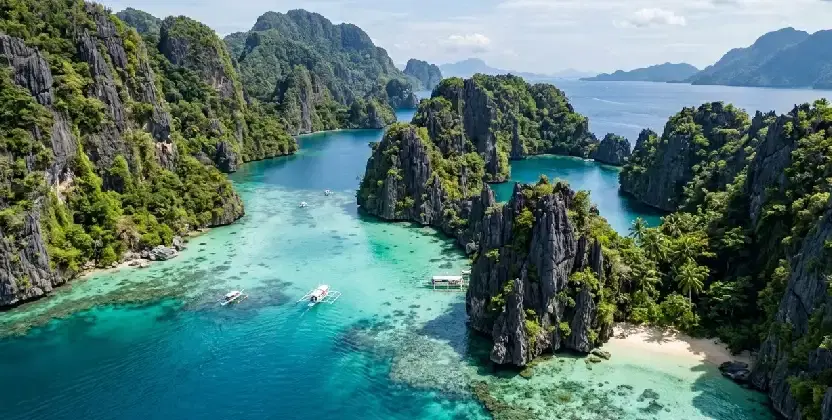
The Philippines is filled with tropical islands, lively cities, and breathtaking natural wonders. Whether you enjoy relaxing on the beach, exploring nature, or discovering local culture, there is something for every traveller. These are some of the best places to visit in Philippines for an unforgettable holiday.
- Palawan: Often called the country's natural paradise, Palawan is famous for its turquoise waters, dramatic limestone cliffs, hidden lagoons, and beautiful beaches. El Nido, Coron, and the Puerto Princesa Underground River are must-visit attractions, especially if you are planning a Philippines 3-Night 4-Day Budget Itinerary.
- Boracay: Home to the world-famous White Beach, Boracay is loved for its powdery white sand, crystal-clear water, and vibrant beach atmosphere. Visitors can enjoy water sports during the day and beachfront dining, sunset walks, and live entertainment in the evening.
- Cebu: Cebu offers the perfect mix of history, adventure, and island experiences. From exploring Magellan's Cross to swimming with whale sharks in Oslob and diving in Moalboal, there is plenty to see. Many travellers choose Cebu tour packages to explore the region's top attractions with ease.
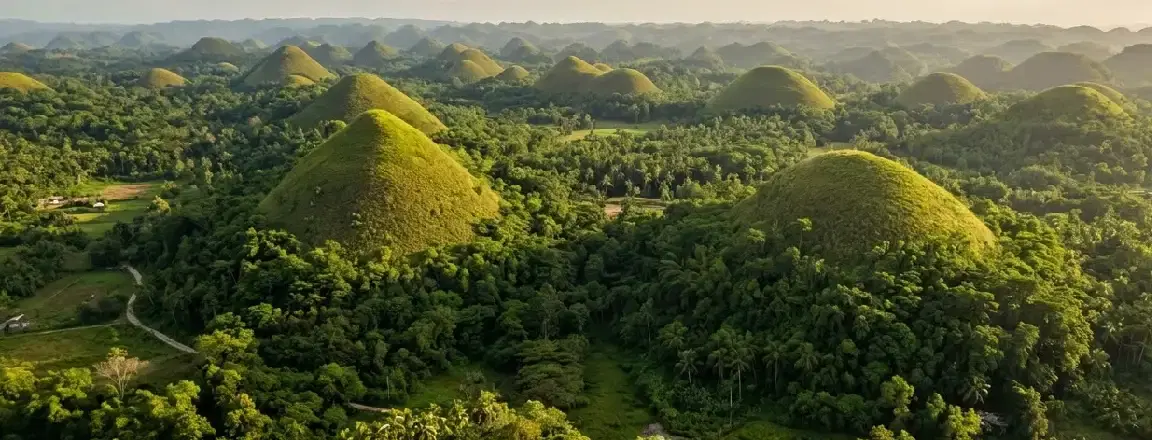
- Bohol: Best known for the unique Chocolate Hills and the adorable Philippine tarsier, Bohol offers a peaceful escape surrounded by nature. Panglao Island's beaches, Loboc River cruises, and scenic countryside make it one of the most beautiful Philippines islands to explore.
- Siargao: Known as the surfing capital of the Philippines, Siargao attracts visitors with its relaxed island lifestyle, palm-lined roads, natural pools, and crystal-clear lagoons. Island-hopping to Daku, Guyam, and Naked Island is one of the most popular experiences here.
- Manila: As the country's capital, Manila is the gateway to many Philippine adventures. Explore the historic streets of Intramuros, visit museums, enjoy authentic Filipino cuisine, and experience the city's lively shopping and nightlife before heading to the islands.
Top Things to Do in the Philippines
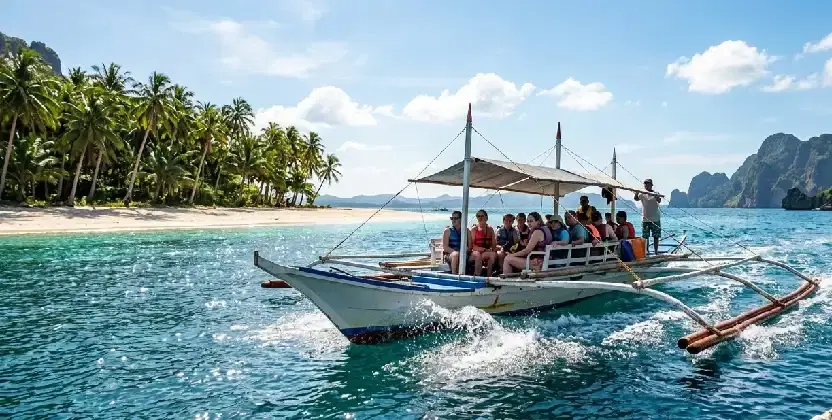
The Philippines is packed with exciting experiences that go far beyond relaxing on the beach. Whether you love adventure, nature, marine life, or local culture, there is something for every kind of traveller. These activities will help you make the most of your trip and create unforgettable memories.
- Go Island Hopping: Sail across crystal-clear waters to discover hidden beaches, secret lagoons, limestone cliffs, and colourful coral reefs. Island-hopping tours also give you plenty of time to swim, snorkel, and relax on some of the country's most beautiful islands.
- Dive and Snorkel with Marine Life: Explore vibrant coral reefs, swim alongside tropical fish, spot graceful sea turtles, and discover the rich underwater world of the Philippines. Whether you are a beginner or an experienced diver, this is an activity you should not miss.
- Learn Surfing and Enjoy the Island Vibe: Take a surfing lesson, ride the famous waves, or simply enjoy the laid-back atmosphere of the country's surfing destinations. It is a fun experience for beginners and experienced surfers alike.
- Chase Waterfalls and Go Canyoneering: Trek through lush forests to reach spectacular waterfalls like Kawasan Falls and Cambugahay Falls, swim in refreshing natural pools, and enjoy thrilling canyoneering in the Philippines surrounded by breathtaking scenery.
- Taste Authentic Filipino Cuisine: Treat your taste buds to freshly grilled seafood, savour regional delicacies, sample popular street food, and discover the unique flavours that make Filipino cuisine so special. Food tours and local eateries offer an authentic cultural experience.
- Cruise Across the Beautiful Philippines Islands: Spend a day sailing through the breathtaking Philippines islands, enjoy spectacular sunsets, relax on secluded beaches, and soak in the tropical beauty that makes the country a dream destination.
Now that you know the experiences to include in your itinerary, book your Philippines adventure tour packages from India now to get the best deals and curated itinerary from Pickyourtrail.
How to Reach the Philippines from India?
Most travellers from India reach the Philippines on one-stop flights via hubs like Singapore, Kuala Lumpur, Bangkok, Doha, or Dubai. Direct flights are also available on some routes, especially from Delhi to Manila, but schedules can change, so it’s best to check current airline timings before booking.
Travel Time
- One-stop flights usually take around 8 to 15 hours depending on the route and layover.
- Direct flights, when available, are much shorter.
Tip: Flight availability can change, so compare airline schedules before finalizing your trip.
Philippines Visa for Indians
Indian nationals may enter the Philippines visa-free entry for tourism for up to 14 days, provided they meet the entry requirements. Those holding valid and current visas or residence permits from the US, UK, Schengen, Japan, Australia, Canada, or Singapore may stay for up to 30 days. Travellers who do not qualify for visa-free entry must apply for the appropriate visa in advance.
Typical documents for a visa application:
- Valid passport
- Completed visa application form
- Passport-sized photographs
- Confirmed return or onward ticket
- Hotel booking or accommodation details
- Proof of sufficient funds
Note: Visa rules and entry requirements may change over time. Always check the latest guidelines issued by the Philippine Embassy or the official immigration authorities before travelling.
How to Reach the Philippines from India
Most travellers from India reach the Philippines on one-stop flights via hubs like Singapore, Kuala Lumpur, Bangkok, Doha, or Dubai. Direct flights are also available on some routes, especially from Delhi to Manila, but schedules can change, so it’s best to check current airline timings before booking.
Travel Time
- One-stop flights usually take around 8 to 15 hours depending on the route and layover.
- Direct flights, when available, are much shorter.
Tip: Flight availability can change, so compare airline schedules before finalizing your trip.
How to Travel Around the Philippines
Travelling within the Philippines often involves a combination of domestic flights, ferries, and local transport. Since the country consists of thousands of islands, planning transport in advance helps save both time and money.
| Mode of Transport | Best For |
| Domestic Flights | Travelling between major islands |
| Ferries | Short island-to-island journeys |
| Grab | Travel within large cities like Manila and Cebu |
| Jeepneys | Budget-friendly local transport |
| Tricycles | Short-distance travel within towns |
| Private Transfers | Families, groups, and luxury travellers |
Ride-hailing apps like Grab are available in major cities such as Manila, Cebu, and Davao, but they are not widely available on smaller islands. Travelling between islands usually requires a combination of domestic flights and ferries.
Tip: If you're visiting multiple islands, book domestic flights and ferry tickets as early as possible, especially during the peak season between November and May. This helps you secure better fares and avoid last-minute availability issues.
Where to Stay in the Philippines: Best Budget, Mid-Range & Luxury Hotels
The Philippines offers accommodation options for every type of traveller, from affordable hostels and guesthouses to high-end beachfront resorts. Whether you are planning a backpacking trip, a family holiday, or a luxury island getaway, you can easily find a stay that suits your budget and travel style across the country's beautiful islands.
Budget Stays
Budget accommodations are clean, comfortable, and ideal for travellers who plan to spend most of their time exploring. They are widely available in popular destinations such as Manila, Cebu, Bohol, and Siargao.
- Lub d Manila Makati (Manila) – approx. starting from ₱1,000–₱2,500 / ₹1,500–₹3,700 per night.
- Mad Monkey Cebu City (Cebu) – approx. starting from ₱800–₱2,000 / ₹1,200–₹3,000 per night.
- Happiness Hostel Siargao (Siargao) – approx. starting from ₱1,000–₱2,500 / ₹1,500–₹3,700 per night.
Mid-Range Stays
Mid-range hotels offer spacious rooms, swimming pools, on-site dining, and convenient locations. They are a great choice for couples, families, and travellers who want extra comfort without paying luxury prices.
- Hue Hotels and Resorts Boracay – approx. starting from ₱4,500–₱8,000 / ₹6,700–₹11,900 per night.
- Bluewater Panglao Beach Resort (Bohol) – approx. starting from ₱5,000–₱9,000 / ₹7,500–₹13,400 per night.
- The Funny Lion (Coron, Palawan) – approx. starting from ₱5,500–₱10,000 / ₹8,200–₹14,900 per night.
Luxury Stays
Luxury resorts in the Philippines are known for private villas, beachfront settings, infinity pools, personalised service, fine dining, and breathtaking ocean views. Prices vary depending on the season, room category, and booking platform.
- Amanpulo (Pamalican Island, Palawan) – approx. starting from ₱80,000–₱150,000+ / ₹119,000–₹223,000+ per night.
- Shangri-La Boracay – approx. starting from ₱25,000–₱60,000+ / ₹37,000–₹89,000+ per night.
- Crimson Resort and Spa Mactan (Cebu) – approx. starting from ₱10,000–₱25,000 / ₹14,900–₹37,300 per night.
Note: Rates are subject to change, and the prices listed are approximate and will vary based on season, demand and location, as well as booking platform.
Must-Try Filipino Food for Indian Travellers
Filipino cuisine is influenced by Spanish, Chinese, Malay, and local traditions. While seafood is popular across the islands, you'll also find a variety of meat, rice, and noodle dishes.
Some must-try dishes include the following:
- Chicken Adobo: The country's most famous dish, cooked with soy sauce, vinegar, garlic, and spices.
- Lechon: Crispy roasted pork, often served during festivals and celebrations.
- Sinigang: A comforting soup with a slightly sour flavour, prepared with vegetables and meat or seafood.
- Pancit: Stir-fried noodles available in many regional variations.
- Halo-Halo: A refreshing dessert made with shaved ice, fruits, jelly, beans, milk, and ice cream.
Although Filipino cuisine is traditionally meat and seafood-based, vegetarian options are becoming more common in major cities and popular tourist destinations. Many cafés and restaurants, and wellness-focused eateries offer vegetarian and vegan dishes, while fresh fruits, vegetable-based meals, and rice dishes are easy to find across the country.
Suggested Philippines Itinerary for First-Time Visitors
Since travelling between islands often involves flights or ferries, trying to visit too many destinations in one week can feel rushed. A 7-night Philippines itinerary is ideal for exploring two or three islands at a relaxed pace. If you want to include four or more destinations, consider planning a longer holiday.
- Day 1: Arrive in Manila, explore Intramuros, visit local museums, and enjoy Filipino cuisine.
- Day 2: Fly to El Nido and spend the evening relaxing on the beach.
- Day 3: Join an island-hopping tour covering lagoons, hidden beaches, and snorkelling spots.
- Day 4: Travel to Coron or continue exploring Palawan's nearby islands.
- Day 5: Fly to Cebu and visit nearby waterfalls or historical attractions.
- Day 6: Head to Bohol to see the Chocolate Hills, tarsiers, and Panglao Island.
- Day 7: Return to Manila for shopping and your flight back home.
If you're travelling from India, choosing a well-planned itinerary can help you explore more islands without the stress of managing flights, ferries, and hotels on your own.
How Much Does a Philippines Trip Cost from India?
The Philippines can be affordable for Indian travellers, but your daily cost depends heavily on where you stay and how often you travel between islands. Accommodation and local food can be budget-friendly, while domestic flights, ferries, island-hopping tours and private boats can increase your total spend.
Travel style | Per day (₱) | Per day (₹) | What it covers |
| Backpacker | ₱1,700 to ₱2,500 | ₹2,550 to ₹3,750 | Dorms, local meals, jeepneys and tricycles |
| Comfortable budget | ₱2,500 to ₱3,500 | ₹3,750 to ₹5,250 | Private rooms, mixed meals, island-hopping tours |
| Mid-range | ₱4,500 to ₱8,500 | ₹6,750 to ₹12,750 | Air-conditioned hotels or beach resorts, private transfers |
| Luxury | ₱12,000 and above | ₹18,000 and above | Beachfront resorts, private boats, spa days |
NOTE: The following estimates are per person, per day, excluding international flights from India. They are useful for planning, but actual costs vary by island, travel season and hotel type.
Essential Philippines Travel Tips for Indian Travellers
- Plan Your Island Route: Visit two to four islands instead of trying to cover too many destinations.
- Book Domestic Flights Early: Reserve tickets in advance, especially during the peak travel season.
- Carry Cash: Keep enough cash for small islands, local markets, and family-run restaurants.
- Download Offline Maps: Save maps before your trip for easy navigation in remote areas.
- Pack Light Clothing: Carry breathable clothes, sunscreen, sunglasses, and other tropical essentials.
- Respect Local Customs: Dress modestly at religious sites and be polite when interacting with locals.
- Protect Marine Life: Use reef-safe sunscreen and avoid touching coral reefs or sea animals.
- Keep Your Itinerary Flexible: Leave room for weather-related changes to ferries and island tours.
Is the Philippines Worth Visiting for Indian Travellers?
The Philippines is easier to visit from India, but a good trip depends on choosing the right islands, season and route. For most Indian travellers, November to April offers the best overall conditions, while 8 to 12 days is enough to explore two or three islands without spending too much time in transit. Choose Palawan for lagoons and romance, Boracay for beaches and nightlife, Cebu and Bohol for a varied first trip, or Siargao for surfing and a slower island experience. The 14-day visa-free entry also makes it simpler to plan a short holiday, provided you meet the entry requirements.
FAQs
1. Is the Philippines visa-free for Indian travellers?
A: Yes. Indian passport holders can visit the Philippines visa-free for up to 14 days for tourism, provided they meet the entry requirements, including a valid passport, confirmed accommodation, proof of financial capacity and a return or onward ticket.
2. What is the best time to visit the Philippines?
A: November to April is generally the best time to visit the Philippines. November to February is ideal for sightseeing and island hopping, while March to May is better for beaches and water activities.
3. How many days are enough for a Philippines trip?
A: 8 to 12 days is ideal for a first Philippines trip. This gives you enough time to explore two or three islands without spending too much of your holiday travelling between airports, ferries and islands.
4. How much does a Philippines trip cost from India?
A: A Philippines trip can cost around ₱1,700 to ₱2,500 (₹2,550 to ₹3,750) per person per day for budget travel, ₱2,500 to ₱3,500 (₹3,750 to ₹5,250) for a comfortable trip, and ₱4,500 to ₱8,500 (₹6,750 to ₹12,750) for mid-range travel, excluding international flights.
5. Which are the best islands to visit in the Philippines?
A: Palawan, Boracay, Cebu, Bohol and Siargao are among the best islands for first-time visitors. Palawan suits couples and nature lovers, Boracay is great for beaches and nightlife, while Cebu and Bohol offer a mix of adventure, sightseeing and family-friendly experiences.
6. Is the Philippines a good destination for Indian travellers?
A: Yes. The Philippines is a good choice for Indian travellers looking for beaches, island hopping, adventure, nightlife and tropical resorts. Visa-free entry for up to 14 days also makes short holidays easier to plan.
7. How can Indians travel to the Philippines from India?
A: Indians can reach the Philippines by direct or one-stop flights. Connecting routes commonly pass through Singapore, Kuala Lumpur, Bangkok, Doha or Dubai, while direct flights are available on some routes, including Delhi to Manila.
8. What is the cheapest way to travel around the Philippines?
A: Ferries, jeepneys and tricycles are among the most budget-friendly ways to travel within the Philippines. For longer distances between major islands, domestic flights are usually more practical, while Grab is useful in larger cities.
9. Which Philippine island is best for a honeymoon?
A: Palawan and Boracay are among the best choices for a Philippines honeymoon. Palawan offers lagoons, private-island experiences and peaceful resorts, while Boracay is known for White Beach, sunsets, beachfront resorts and nightlife.
10. Is the Philippines expensive for Indian travellers?
A: The Philippines can suit different budgets. Budget travellers can use hostels, local food and public transport, while mid-range and luxury travellers can choose beach resorts, private transfers and island-hopping experiences.
11. What food can Indian vegetarians eat in the Philippines?
A: Vegetarian food is increasingly available in major cities and tourist destinations. Indian travellers can find vegetarian and vegan meals at cafés and restaurants, along with fresh fruits, vegetables and rice-based dishes.
12. Is 7 days enough for a Philippines trip?
A: Yes, 7 days is enough to explore two or three destinations, but the itinerary should be planned carefully. A first-time trip can combine Manila with Palawan, Cebu or Bohol instead of trying to cover too many islands.
13. Do Indian travellers need to register for eTravel before visiting the Philippines?
A: Yes. Indian travellers must complete the Philippines eTravel registration before travelling. The registration is free, and travellers should use the official Philippine government portal rather than websites that charge a fee.
14. What are the best places to visit in the Philippines for first-time travellers?
A: Palawan, Boracay, Cebu, Bohol, Siargao and Manila are strong choices for first-time visitors. Your choice depends on whether you prioritise beaches, adventure, surfing, culture, nightlife or island hopping.
15. What should Indian travellers know before visiting the Philippines?
A: Plan your island route before booking flights, allow enough time for domestic connections, carry some cash, check local weather conditions and keep your itinerary flexible. Ferries and island tours can be affected by bad weather, especially during the rainy season.