
Jaffna, Sri Lanka: The Complete 2026 Travel Guide

What if the most interesting part of your Sri Lanka trip is the place you almost left off the itinerary? Sometimes, the places that sit beyond the usual tourist trail offer the most memorable experiences. Jaffna, in northern Sri Lanka, brings together Tamil culture, ancient kingdoms, colonial history, remote islands, and bold local flavours. If you want to see a side of Sri Lanka that feels different from the usual destinations, Jaffna is worth adding to your trip. From historic temples and coastal forts to quiet islands and distinctive cuisine, the city offers experiences you won’t find elsewhere on the island. Adding Jaffna to your Sri Lanka tour package gives you the chance to explore this less-visited region at a slower pace. But how do you plan your trip and make the most of your time here? This guide covers where Jaffna is, the best time to visit, how to reach it, the best places to see, things to do, local food, hotels, costs, safety, visa information, and a 3-day itinerary.
Key Takeaways
- Jaffna is on the Jaffna Peninsula, around 400 km from Colombo and close to Tamil Nadu.
- The city is also known as Yalpanam, and Tamil is widely spoken here.
- January to September is generally a good period to visit, while the Nallur Festival runs from 16 August to 12 September 2026.
- You can reach Jaffna from Colombo by train, flight, or private car, depending on your budget and available time.
- Indian travellers can currently apply for a free 30-day Sri Lanka Tourist ETA, subject to the latest entry requirements.
- Three days is enough to explore Jaffna's main attractions, temples, food, and nearby islands at a comfortable pace.
- A mid-range Jaffna trip costs around ₹7,000–₹11,000 (LKR 23,800–37,400) per day, covering accommodation, meals, local transport, and activities, excluding international flights.
Where Is Jaffna? Location & Quick Facts
Jaffna sits on the Jaffna Peninsula at the northern tip of Sri Lanka, around 400 km from Colombo. It is closer to Tamil Nadu, separated by the Palk Strait. This connection is reflected in Jaffna’s language, food, traditions, and everyday life.
- Local name: Yalpanam
- Main language: Tamil
- Location: Northern Sri Lanka
- Closest Indian region: Tamil Nadu
For Indian travellers, especially from South India, Jaffna can feel familiar while still offering a distinctly Sri Lankan experience.
Jaffna History: From the Kingdom to Modern Day
The Kingdom, colonial rule, and the civil war have shaped Jaffna’s history. Today, its temples, forts, libraries and traditions reflect this layered past.
From Kingdom to Colonial Rule
The Jaffna Kingdom ruled northern Sri Lanka from around the 13th to 17th centuries. Jaffna Port was an important trading centre for pearls, elephants, and spices.
The Portuguese took control of Jaffna in 1619, followed by the Dutch and British. Today, Jaffna Fort and the city’s old colonial buildings reflect the story of this past, making Jaffna one of the most interesting historical places in Sri Lanka to explore.
From Conflict to Recovery
Jaffna was heavily affected by Sri Lanka’s civil war from 1983 to 2009. Since then, the city has undergone major rebuilding, with landmarks such as the Jaffna Public Library restored.
Jaffna Through the Years
| Period | What Happened |
| 13th–17th century | Jaffna Kingdom |
| 1619–1796 | Portuguese and Dutch rule |
| 1796–1948 | British rule |
| 1983–2009 | Civil war |
| 2009–present | Reconstruction and tourism |
Best Time to Visit Jaffna: Weather & Festivals
Jaffna’s weather is different from much of Sri Lanka. While the south and west coast receive monsoon rain from May to September, Jaffna stays mostly dry during this period.
Best Months to Visit Jaffna
- January to September: February to August is generally a good time to explore Jaffna, though days can be hot. Plan outdoor activities for mornings or late afternoons.
- October to December: It is best avoided if you want to spend more time outdoors. The northeast monsoon in Sri Lanka brings heavy rain to the peninsula during these months.
Nallur Festival 2026: Dates & What to Expect
The Nallur Festival is one of the best times to experience Jaffna’s culture. In 2026, it runs from 16 August to 12 September.
- 11 September: Grand Chariot Procession
- 12 September: Theertham, or water-cutting ceremony
Hotels get busy during the festival, so book your stay well in advance if you plan to visit during these dates.
How to Reach Jaffna from Colombo: Flight, Train & Car
Getting to Jaffna is easier than it may seem. Most Indian travellers first arrive at Bandaranaike International Airport (CMB) near Colombo. From there, you can continue to Jaffna by flight, train, or private car.
| Option | Duration | Approx. one-way cost |
| Domestic flight | 50 minutes | ₹6,500–₹9,500 (LKR 22,000–32,000) |
| Yal Devi or Uttara Devi train | 6–7 hours | ₹700–₹2,500 (LKR 2,400–8,500), depending on class |
| Private car via A9 | 7–9 hours | Varies by vehicle |
Ways to Travel from Colombo to Jaffna
- Flight: The quickest choice if you want to reach Jaffna with minimal travel time.
- Train: A budget-friendly option with a scenic journey through the countryside.
- Private car: Best for flexibility. You can stop along the way, but the journey takes longer.
For most travellers, the train offers the best balance of cost and experience, while a flight works better if time is your priority.
Best Places to Visit in Jaffna
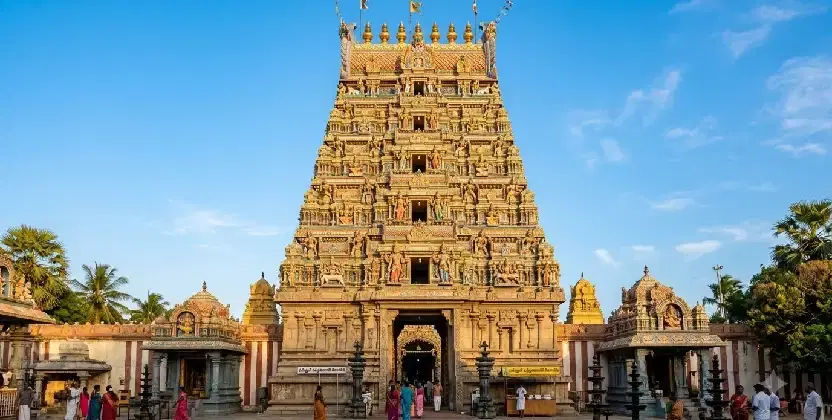
From historic forts and temples to quiet islands and local markets, Jaffna has plenty to explore. These places offer a mix of Sri Lankan culture, history, coastal views, and everyday local life. Here are the top places to add to your Jaffna itinerary.
1. Nallur Kandaswamy Kovil
The most important Hindu temple in Sri Lanka, dedicated to Lord Murugan. The gold gopuram is visible from several streets away, and daily rituals here are worth timing your visit around. Men are expected to remove their shirts before entering, and modest dress is required for everyone.
2. Jaffna Fort
Built by the Portuguese and later expanded by the Dutch into a star-shaped fortress. It sits right on the coast and has been carefully restored, with wide ramparts open for a walk at sunset.
3. Jaffna Public Library
The Jaffna Public Library is one of the city's most important cultural landmarks. It was burned in 1981 during a period of ethnic violence and was later restored. Today, the library stands as an important symbol of Jaffna's cultural heritage and recovery.
4. Nagadeepa Island
A short ferry ride from the mainland, Nagadeepa Island is home to a Buddhist temple and a Hindu temple standing close to one another. Both are significant pilgrimage sites for their respective communities. The island offers a peaceful escape from the busy city and is also a good place to enjoy simple coastal views.
5. Delft Island
A quiet island known for wild ponies, coral fences, and a stark, almost otherworldly landscape. It takes half a day to see properly and is best visited early in the morning before the heat sets in. The ferry ride to the island is also part of the experience, with scenic views along the way.
6. Keerimalai Springs
Natural freshwater springs right beside the sea, believed by locals to have healing properties. It makes for a peaceful stop and a welcome break from temple hopping. You can also enjoy the calm coastal setting surrounding the springs.
Best Things to Do in Jaffna
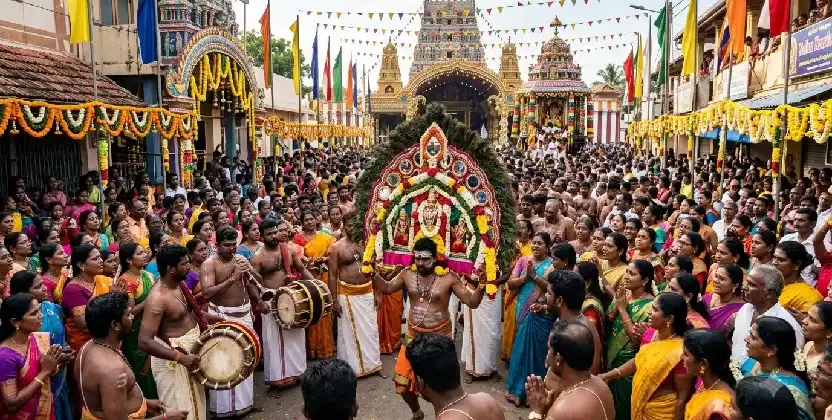
Jaffna is best experienced at a slower pace. Join local rituals, try regional food, explore the countryside, and spend time in its lively markets. Here are some experiences worth adding to your trip.
1. Take Part in Temple Rituals
Nallur gets most of the attention, but Jaffna has dozens of smaller kovils worth wandering into, each with its own rituals and architecture. Carry a scarf or shawl for covering shoulders, and always check the dress code before stepping inside.
2. Take a Ferry Ride to the Islands
Jaffna's islands, including Nagadeepa and Delft, are usually reached by short ferries that run a few times a day. Combining both into one long day is common among travellers who want to see the peninsula's quieter, more rural side away from the city centre.
3. Try Authentic Jaffna Cuisine
Jaffna's food is a highlight in its own right. Family-run eateries are a great way to experience traditional dishes, especially seafood, curries, and palmyrah-based specialities. This gives a far better sense of what makes this cuisine different from the rest of Sri Lanka.
4. Buy Traditional Palmyrah Products
The palmyrah palm grows across the peninsula, and its products show up everywhere, from baskets and mats to jaggery and fans. The New Market Complex and smaller roadside stalls are both good places to pick up Sri Lankan souvenirs.
5. Join the Nallur Festival Celebrations
If your dates line up with the festival window in August and September, plan at least one evening around the temple processions. Crowds build steadily through the 25-day event, peaking around the chariot procession, so arriving early on your chosen day is worth the effort.
6. Wander Through Local Markets
Beyond the main bazaar, smaller morning markets scattered through Jaffna's neighbourhoods are worth a wander, particularly for fresh produce, dried fish, and spices sold directly by local vendors. It is one of the simplest ways to see the city without a fixed itinerary.
What to Eat in Jaffna: Local Food & Must-Try Dishes
Food is one of the highlights of a trip here. Jaffna food is known for bold spices, seafood, curries, and palmyrah-based specialities, with strong Tamil culinary influences.
- Jaffna crab curry: A rich and spicy seafood dish made with crab and a distinctive blend of local spices.
- Odiyal kool: A traditional seafood dish made with palmyrah flour, prawns, crab, fish, and spices.
- Mutton curry: A slow-cooked, deeply spiced curry commonly served with rice or traditional accompaniments.
- Prawn and cuttlefish dishes: Seafood cooked with Jaffna-style spices, often featuring bold and aromatic flavours.
Where to Stay in Jaffna: Best Hotels for Every Budget
Jaffna has stays for every budget, from simple guesthouses to upscale hotels. Staying near the town centre or Fort area makes it easier to explore the main attractions. If you are visiting during the Nallur Festival, usually from mid-August to mid-September, book early as rooms can fill up quickly.
Luxury / Upscale Hotels
For spacious rooms, better facilities, and a more comfortable stay:
- Jetwing Jaffna – Upscale hotel near the city centre, Jaffna Fort, the market, railway station, and library.
- The Thinnai – All-suite boutique hotel with spacious rooms and modern facilities, around 2 km from the town centre.
Price Range: ₹9,000–₹16,000 per night (approx. LKR 30,600–54,400)
Best for: Couples, families, and travellers looking for a premium stay
Mid-Range Hotels
Comfortable stays with good facilities and convenient locations:
- Tilko Jaffna City Hotel – Centrally located and close to the railway station and main sights.
- NorthGate Jaffna – Comfortable hotel near Jaffna railway station, with a pool and restaurant.
Price Range: ₹4,500–₹7,500 per night (approx. LKR 15,300–25,500)
Best for: Couples, families, and first-time visitors
Budget Stays
Simple options for travellers who plan to spend most of their time exploring:
- Gnanams Hotel – Centrally located budget hotel with simple, comfortable rooms.
- The Valampuri – Budget hotel near Jaffna railway station and within easy reach of the Fort.
- Green Grass Hotel & Restaurant – Affordable rooms close to the town centre.
Price Range: ₹1,800–₹4,500 per night (approx. LKR 6,100–13,500)
Best for: Solo travellers, backpackers, and budget-conscious trips
Suggested 3-Day Jaffna Itinerary
A 3-day trip is enough to experience Jaffna’s temples, islands, food, and coastal sights at a relaxed pace. You can also add these days to a longer Sri Lanka itinerary for a different side of the country.
Day 1: Jaffna City & Cultural Attractions
- Morning at Nallur Kandaswamy Kovil
- Walk through Jaffna Fort and along the ramparts
- Visit the Jaffna Public Library
- Evening at the local market for dinner and shopping
Day 2: Islands, Springs & Coastal Sights
- Early ferry to Nagadeepa or Delft Island
- Afternoon stop at Keerimalai Springs
- Evening drive up to Point Pedro for sunset
Day 3: Local Food, Temples & Departure
- Slow breakfast built around local Jaffna food
- Optional visit to smaller temples around the city
- Head back toward Colombo or your onward destination
Jaffna Trip Budget: Daily Travel Costs
Your Jaffna budget mainly depends on where you stay, how you travel around, and where you eat. Here’s a simple breakdown of the main costs for different travel styles.
| Budget Factor | Budget | Mid‑Range | Premium |
| Accommodation | ₹1,800–₹4,000 (LKR 6,100–13,500) | ₹4,500–₹7,500 (LKR 15,300–25,500) | ₹9,000–₹16,000+ (LKR 30,600–54,400+) |
| Local Transport | ₹400–₹1,000 (LKR 1,350–3,400) | ₹800–₹2,000 (LKR 2,700–6,800) | ₹2,000–₹4,000+ (LKR 6,800–13,600+) |
| Food | ₹500–₹900 (LKR 1,700–3,050) | ₹1,200–₹2,500 (LKR 4,100–8,500) | ₹2,500–₹4,500+ (LKR 8,500–15,300+) |
| Activities & Entries | ₹200–₹500 (LKR 700–1,700) | ₹500–₹1,000 (LKR 1,700–3,400) | ₹1,000–₹2,000+ (LKR 3,400–6,800+) |
| Approx. Daily Total | ₹2,900–₹5,400 (LKR 9,850–18,350) | ₹7,000–₹11,000 (LKR 23,800–37,400) | ₹14,500+ (LKR 49,300+) |
Prices are approximate and can vary by season, hotel availability, exchange rates, and travel choices. During the Nallur Festival (mid‑August to mid‑September), accommodation and transport costs can be significantly higher.
Is Jaffna Safe for Tourists?
Jaffna is generally considered safe for tourists, and visitors can explore the city and surrounding areas with normal travel precautions. Tourism infrastructure has developed steadily since the end of the civil war, with hotels, transport options, and visitor services available across the region.
As with any destination, take sensible precautions. Keep valuables secure, be careful when using public transport, ask before photographing people, and follow local customs at religious sites. Dress modestly when visiting temples and remove footwear where required.
Sri Lanka Visa for Indian Travellers Visiting Jaffna
Indian passport holders can currently travel to Sri Lanka, including Jaffna, with a free 30-day Tourist ETA (Electronic Travel Authorisation). If you are checking the Sri Lanka visa requirements for Indian citizens, the ETA is mandatory but currently issued without a visa fee. Apply online before your trip, ideally a few days before departure.
Common Entry Documents
- Valid passport with at least 6 months of validity from the date of arrival
- Approved Tourist ETA
- Return or onwards flight ticket
- Proof of accommodation, such as a hotel booking
- Proof of sufficient funds for your stay, if requested
The applicable visa or ETA fee can change, so check the current requirements before booking your trip.
Jaffna Travel Tips for Travellers
- Money: Cards work at most hotels and larger restaurants. Carry LKR cash for markets, small eateries, tuk-tuks, and ferries.
- Language: Tamil is widely spoken, while English is common at hotels and tourist spots.
- SIM & Wi-Fi: Get a local SIM from Dialog or Mobitel for reliable data and navigation. Most hotels and cafes have Wi-Fi.
- Getting around: Tuk-tuks and buses are useful for short trips. For sightseeing across Jaffna and nearby islands, consider hiring a tuk-tuk or car for the day.
- Safety & etiquette: Jaffna is generally safe. Take normal precautions, dress modestly at temples, and remove your footwear before entering kovils.
Conclusion: Is Jaffna Worth Visiting?
Jaffna is worth visiting if you want to experience a different side of Sri Lanka. Its Tamil culture, historic temples, colonial landmarks, quiet islands, and distinctive food make it different from the island’s more popular tourist routes. Three days is enough to explore the main highlights at a comfortable pace. Choose a suitable season, plan your island trips ahead, and leave time to enjoy the local food and culture.
FAQs
1. What is Jaffna famous for?
Jaffna is famous for its Tamil culture, historic temples, Jaffna Fort, local cuisine, and nearby islands. It offers a different side of Sri Lanka beyond the usual tourist routes.
2. Where is Jaffna located?
Jaffna is located on the Jaffna Peninsula in northern Sri Lanka, around 400 km from Colombo. It is also close to Tamil Nadu, across the Palk Strait.
3. What language is spoken in Jaffna?
Tamil is the main language spoken in Jaffna, while Sinhala and English are also used. English is commonly understood at hotels and popular tourist spots.
4. Why is Jaffna Tamil different?
Jaffna Tamil has its own accent, vocabulary, and expressions, shaped by the region’s history and traditions. It can sound different from Tamil spoken in parts of South India.
5. Is Jaffna safe for tourists?
Yes, Jaffna is generally safe for tourists. Follow normal travel precautions, respect local customs, and dress modestly when visiting temples and religious sites.
6. Is Jaffna worth visiting?
Yes, Jaffna is worth visiting for its history, culture, temples, local food, and quieter island experiences. It is a good choice for travellers who want to explore beyond the popular routes.
7. Why is the Jaffna Public Library important?
The Jaffna Public Library is an important cultural landmark with a difficult history. After being burned in 1981, its restoration became a symbol of Jaffna’s cultural heritage and recovery.
8. How many days are enough for Jaffna?
Three days are enough to explore Jaffna comfortably, including its main attractions, food, temples, and nearby islands. Add another day if you prefer a slower trip.
9. How do you reach Jaffna from Colombo?
You can reach Jaffna from Colombo by train, flight, or private car. The train takes around 6–7 hours, while driving via the A9 takes about 7–9 hours.
10. Where should you stay in Jaffna?
The city centre and Fort area are convenient places to stay in Jaffna, with easy access to attractions, restaurants, markets, and transport. Hotels and guesthouses are available across different budgets.
11. What food is Jaffna known for?
Jaffna is known for spicy seafood, crab curry, odiyal kool, mutton curry, and palmyrah sweets. Local eateries are a great way to experience the region’s traditional flavours.
12. Why was the Jaffna Public Library burned?
The Jaffna Public Library was burned in 1981 during a period of ethnic violence in Sri Lanka. Its restoration later became an important symbol of Jaffna’s recovery.