
Sri Lanka Culture Guide: Traditions, Festivals, Food & Local Life for Travellers
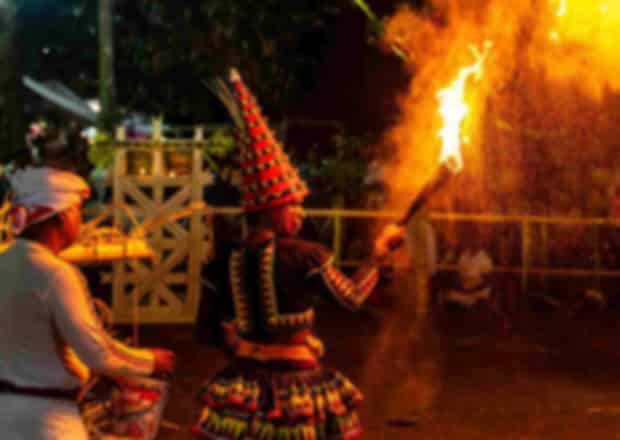
Want to see the side of Sri Lanka that goes beyond beaches and sightseeing? Start with Sri Lanka culture. Temples, festivals, food, traditions and everyday life all offer a glimpse into the island’s 2,500+ years of history. Sri Lanka brings together Buddhist, Hindu and Tamil traditions, along with influences from its colonial past. From ancient cities and temples to Kandyan dance, Ayurveda, tea and local food, there’s plenty to experience as you travel around the island.
Wondering what to experience to add to your Sri Lanka tour packages? Explore Buddhist heritage in Kandy, ancient sites in Sigiriya, Tamil culture in Jaffna and local flavours across the island. Sri Lanka’s culture also reflects the influences of centuries of trade and colonial rule, creating a diverse cultural identity that varies across the country. This Sri Lanka guide helps travellers understand the culture and what to expect before visiting.
Quick Facts About Sri Lankan Culture
| Aspect | Details |
| Capital | Colombo |
| Other Religions | Hinduism, Islam, Christianity |
| Main Religion | Buddhism |
| Languages | Sinhala, Tamil |
| Known For | Festivals, tea culture, traditions |
| Cultural Style | Simple, spiritual, community-based |
What makes Sri Lanka culture distinctive?
Sri Lanka’s culture has many influences. Sinhala Buddhist traditions are a major part of it. Tamil and Hindu communities have also shaped the island’s identity. Islam and Christianity add to this mix. Centuries of trade and Portuguese, Dutch and British rule have left their mark too. The result is not one single culture but a layered island identity that changes noticeably between regions.
Religion and Beliefs in Sri Lankan Culture
Religion plays an important but quiet role in Sri Lankan culture. Most people follow Buddhism, and you can see its influence in daily life. Locals often visit temples early in the morning, offer flowers, and spend peaceful moments in prayer.
At the same time, Hindu temples, mosques, and churches are also found across the country. This creates a balanced society where different religions live together peacefully. What really stands out is the calm and respectful way people follow their religious practices, which can also be seen in their behaviour.
Tamil and Hindu Culture in Northern Sri Lanka
Tamil and Hindu culture in Sri Lanka is especially prominent in the north, with Jaffna offering a distinct cultural experience beyond the Buddhist heritage of the Cultural Triangle. One of the most popular places to visit in Sri Lanka for its culture is Nallur Kandaswamy Kovil, a Hindu temple dedicated to Lord Murugan. Visitors should dress modestly, remove their shoes and follow temple photography rules.
The Nallur Festival is another major Sri Lankan cultural experience. Held over 25 days, usually from mid-August to mid-September, it features processions, traditional drumming and chariot ceremonies. Since Jaffna is a long journey from Colombo, it is better suited to a 14-day Sri Lanka itinerary.
Wondering how much time you need to explore Sri Lanka without rushing between regions? Our guide on how many days are enough for Sri Lanka can help you plan a comfortable itinerary that includes Jaffna and other cultural highlights.
Sri Lanka Festivals and Cultural Celebrations
Festivals in Sri Lanka feel lively but not chaotic. They bring people together in a way that feels both joyful and meaningful.
What you’ll notice:
- Streets decorated with lights and lanterns
- Traditional music and drum performances
- Families unite and celebrate together with food and rituals
Major Festivals in Sri Lanka Culture
| Festival / Period | Cultural significance | Traveller planning |
| Thai Pongal – January | Tamil Hindu harvest festival | A good time to explore Tamil cultural traditions. |
| Sinhala & Tamil New Year – April | Traditional New Year and harvest celebrations | Expect a festive atmosphere and changes to normal business hours. |
| Vesak – Usually May | Major Buddhist celebration marking Buddha’s birth, enlightenment and death | Public activity can change, so plan transport and meals with some flexibility. |
| Esala / Kandy Season – July/August | Religious processions and Kandyan traditions | Accommodation and roads around Kandy can become busier. |
| Deepavali – October/November | Hindu festival of lights | Expect temple activity and local celebrations. |
| Poya Days – Monthly | Full-moon days of religious significance in Sri Lankan Buddhist culture | Alcohol is not sold on Poya days, and some businesses may close or operate with changed hours. Plan meals, transport and sightseeing accordingly. |
Tea Culture Is Part of Sri Lanka’s Story
Tea is an important part of Sri Lanka culture and the country’s history. A typical tea experience may include a plantation walk, a factory visit, an introduction to tea processing and a tasting. You do not need to be a tea expert. The experience is about seeing how the highland landscape, local communities and tea production come together.
Ayurveda and Wellness in Sri Lankan Culture
Ayurveda is another important part of Sri Lankan culture, especially in the central highlands and coastal wellness resorts. You can experience traditional practices involving herbs, diet, massage and other wellness treatments. For travellers, it is best approached as a cultural and relaxation experience rather than a substitute for medical care. If you book a treatment, choose an established practitioner or property and understand what the treatment includes before you pay.
Sri Lanka Food Culture: Traditional Dishes and Eating Habits

What makes Sri Lankan food special is not just its variety but the way every meal feels complete. The food is simple, yet full of rich flavours and cultural depth. Each meal is well-balanced, with different tastes, textures, and spices that come together naturally.
You will often find:
- Rice served with multiple curries, which is a staple meal
- Coconut-based dishes that add freshness and a light texture
- Hoppers and string hoppers, which are popular comfort foods
Tip: Eating with hands lets travellers experience more personal connectivity to the traditions.
Traditional Dance and Music in Sri Lankan Culture

Dance and music in Sri Lanka are not just for entertainment, but they are culturally rooted; they are a way of expressing tradition. You will experience energetic performances in festivals and cultural events, such as Kandyan dance, which is a must-add experience in your Sri Lanka itinerary.
What you’ll experience:
- Strong drum beats that set the rhythm
- Detailed costumes with cultural meaning
- Performances that tell stories without words
Traditional Clothing in Sri Lankan Culture
Rather than just focusing on religious beliefs and dances, Sri Lanka also stands out in its clothing, which reflects comfort and tradition. Women often wear the beautiful Osariya-style saree, which has a distinctive draping style. Men usually wear sarongs, especially in daily life or cultural settings.
These outfits are not only traditional but also suitable for the climate. During festivals and ceremonies, you will see more detailed and elegant versions of these clothes.
Best Cultural Places to Experience Sri Lankan Culture
The best way to experience Sri Lankan culture is to explore places where history, religion and local traditions are still part of everyday life. From ancient cities and sacred temples to colonial towns and Tamil heritage sites, there are numerous places to visit in Sri Lanka. Some of the top ones are:
- Temple of the Tooth Relic
This is one of the most important religious places in Sri Lanka. Located in Kandy, it has deep spiritual value and lets you encounter rituals and traditions that are still followed with devotion every day.
- Sigiriya Rock Fortress
Rising high above the land, this ancient Sigiriya rock fortress shows the brilliance of Sri Lanka’s early architecture and planning. The climb can be challenging, but it offers rich history and beautiful views that make it worth the effort.
- Anuradhapura
Anuradhapura is known for its ancient ruins and sacred sites. It gives a deep insight into Sri Lanka’s cultural and religious roots. The peaceful surroundings and ongoing rituals make it feel like history is still alive today.
- Dambulla Cave Temple
Set on a rocky hill, the Dambulla cave temple complex offers a calm and spiritual atmosphere filled with beautiful paintings and Buddha statues. Its peaceful setting makes it a meaningful place to experience Sri Lanka’s religious culture.
5. Galle Fort
A UNESCO World Heritage Site on Sri Lanka’s south coast, Galle Fort offers a different view of the country’s cultural heritage. Its historic ramparts, cobbled streets and colonial-era buildings reflect centuries of Portuguese and Dutch influence. At the same time, local life continues within the fort, creating a distinctive mix of history and everyday culture. It is a good addition if you want to explore the colonial side of Sri Lanka alongside its ancient Buddhist heritage.
6. Nallur Kandaswamy Kovil, Jaffna
For a deeper look at Tamil and Hindu culture in Sri Lanka, head to the Nallur Kandaswamy Kovil. This is one of the popular Hindu temples in Sri Lanka known for its striking golden gopuram and daily religious rituals. It offers a cultural experience that feels very different from the Buddhist sites in central Sri Lanka. If you are visiting during the Nallur Festival, usually held between August and September, consider making it a priority.
Sri Lanka Culture: Do’s and Don’ts for Travellers
Sri Lanka’s culture is easy to appreciate when you know a few local customs. Keep these simple do’s and don’ts in mind to show respect while exploring temples, markets and local communities.
Do’s
- Dress modestly when visiting temples by covering your shoulders and knees as a sign of respect.
- Remove your shoes before entering temples or even some homes, as it is a common practice.
- Respect local customs and traditions, especially during rituals and cultural events.
- Try local food with an open mind, as it is an important part of the culture.
Don’ts
- Do not disrespect religious symbols or statues, as they are very important to locals.
- Avoid touching someone’s head, as it is considered inappropriate.
- Avoid public displays of affection, as Sri Lanka follows traditional social values.
- Do not point your feet at people or religious places, as it is seen as impolite.
Sri Lanka Culture in 3 Days Travel Itinerary
- Day 1 – Temples and Local Life – Start your day by visiting the Temple of the Tooth Relic, where you can quietly watch rituals and feel the peaceful, spiritual side of Sri Lanka. Later, explore nearby markets to see daily life, try street food, and experience simple local traditions.
- Day 2 – Heritage and Cultural Experiences: In the morning, visit Sigiriya Rock Fortress to explore ancient history and enjoy beautiful views from the top. In the evening, return to Kandy and watch a traditional dance show to experience Sri Lanka’s cultural performances.
- Day 3 – Food and Village Experience: Spend your day in a village where life is in relaxed mode. Enjoy local food, talk to people, and experience the warmth and simplicity of Sri Lankan culture.
Best Time to Experience Sri Lanka’s Culture and Festivals
- April to August is when culture feels most alive, with festivals, traditions, and local celebrations happening across the country.
- May (Vesak) brings a calm and beautiful atmosphere, with glowing lanterns and peaceful moments around temples.
- July to August is the best time to see grand events like the Kandy Esala Perahera, where the streets fill with music, dance, and tradition.
Month-by-Month Cultural Experiences in Sri Lanka
Culture in Sri Lanka changes through the year, with each month offering something slightly different to experience.
| Month | Experience |
| January | Temple visits in Kandy and local markets |
| February | Independence Day celebrations in Colombo |
| March | Quiet visits to Anuradhapura temples |
| April | Sinhala & Tamil New Year across the country |
| May | Vesak lanterns at Gangaramaya Temple |
| June | Cultural shows and dance events in Kandy |
| July | Festival preparations in Kandy |
| August | Kandy Esala Perahera celebrations |
| September | Peaceful travel in Galle |
| October | Temple rituals at Dambulla Cave Temple |
| November | Local life and village experiences |
| December | Festive atmosphere in Colombo |
Sri Lanka Cultural Travel Tips for Visitors
- Visit temples early in the morning to see rituals in a peaceful and less crowded environment.
- Be careful with spice levels when trying local food, as Sri Lankan dishes can be quite spicy.
- Plan your trip during festivals if you want to experience the culture at its most lively time.
- Choose local stays or homestays to understand daily life more closely.
- Tipping is not mandatory in Sri Lanka, but it is appreciated for good service. Many restaurants and hotels include a 10–15% service charge in the bill, so check before leaving an additional tip..
Conclusion: Planning Your Sri Lanka Cultural Experience
Sri Lanka culture is worth making part of your itinerary, not just an add-on between sightseeing stops. If you have limited time, prioritise Kandy and the Cultural Triangle for Buddhist heritage, and add Jaffna if Tamil and Hindu culture interests you. For a longer trip, combine these with Galle, the hill country, local food and tea experiences.
The key is to avoid packing too many regions into a short holiday. Choose experiences that match your interests and leave enough time to enjoy them without rushing. So, plan your trip accordingly and have a memorable trip in Sri Lanka.
FAQs
1. What is Sri Lanka culture known for?
Sri Lanka culture is known for its Buddhist heritage, Hindu and Tamil traditions, festivals, tea, cuisine, dance and strong religious traditions. The island’s culture has also been shaped by centuries of trade and Portuguese, Dutch and British colonial influence.
2. What should tourists know about Sri Lanka culture before visiting?
Travellers should respect local religious customs, especially when visiting temples and other sacred places. Dress modestly, remove your shoes where required and avoid disrespectful behaviour around religious statues and rituals. It is also useful to check festival and Poya dates, as some services and businesses may operate differently.
3. What are the main traditions in Sri Lanka culture?
Major traditions include temple visits, religious rituals, family celebrations, traditional music and dance, festivals and sharing local food. Buddhist, Hindu, Muslim and Christian traditions all contribute to Sri Lanka’s cultural identity, with regional differences particularly noticeable between the south, central highlands and north.
4. How is food important in Sri Lanka culture?
Food is an important part of Sri Lanka culture, with rice and curry, coconut-based dishes, hoppers and string hoppers among the foods travellers can experience. Tea is also closely connected with the country’s history and everyday culture. Trying local dishes is an easy way to experience regional flavours and traditions.
5. Which festivals reflect Sri Lanka culture the most?
Sinhala and Tamil New Year, Vesak, Kandy Esala Perahera, Thai Pongal and Deepavali are among the major cultural and religious celebrations. Each offers a different experience, from Buddhist rituals and lanterns to Hindu traditions, processions, music and family celebrations.
6. What religion and culture are followed in Sri Lanka?
Sri Lanka has a multi-religious culture. Buddhism is the majority religion, while Hinduism, Islam and Christianity are also practised. Buddhist traditions have a particularly strong influence on the country’s heritage, temples, festivals and pilgrimage sites.
7. What should tourists know about Sri Lankan temple etiquette?
Dress modestly and cover your shoulders and knees when visiting temples. Remove your shoes before entering areas where this is required and behave respectfully during religious rituals. Photography rules can vary, so follow signs and instructions from temple staff. At the Temple of the Tooth, for example, shorts are not permitted and shoes must be removed.
8. What are the best places to experience Sri Lankan culture?
Kandy, Anuradhapura, Sigiriya, Dambulla, Galle and Jaffna are strong choices. Kandy is important for Buddhist heritage, while Anuradhapura and Dambulla offer ancient religious sites. Galle shows the island’s colonial heritage, while Jaffna provides a deeper insight into Tamil and Hindu traditions.
9. Is Jaffna worth visiting for Sri Lankan culture?
Yes, particularly if you want to experience Tamil and Hindu culture in Sri Lanka. Jaffna offers a different cultural perspective from the Buddhist heritage of central Sri Lanka. Nallur Kandaswamy Kovil and the Nallur Festival are key experiences for travellers interested in the region’s traditions.
10. What are Poya Days in Sri Lanka, and do they affect tourists?
Poya Days are monthly full-moon days with religious significance for Buddhists and are public holidays in Sri Lanka. On Poya Days, the sale of alcohol is prohibited, and some shops and businesses may close or change their operating hours. Travellers should plan meals, transport and sightseeing with some flexibility.
11. How many days do I need to experience Sri Lankan culture?
For a first cultural trip, 5–7 days can cover highlights such as Kandy and the Cultural Triangle. If you also want to visit Jaffna and experience Tamil and Hindu culture, allow more time. A longer itinerary gives you more flexibility to combine cultural sites with tea country, wildlife and the coast without rushing.
12. What is the best time to experience festivals and culture in Sri Lanka?
There is no single best month because cultural events take place throughout the year. April is important for Sinhala and Tamil New Year, May brings Vesak, and July/August is associated with major Esala celebrations in Kandy. If festivals are a priority, check the dates before booking because accommodation and transport can be busier around major celebrations.
Recommended articles for you









Discover Packages










Sri lanka City Packages
Packages By Departure City
Packages By Theme

Need help in planning?
Talk to our Travel Experts