
Kandy Travel Guide 2026: Best Places to Visit, Things to Do & Travel Tips
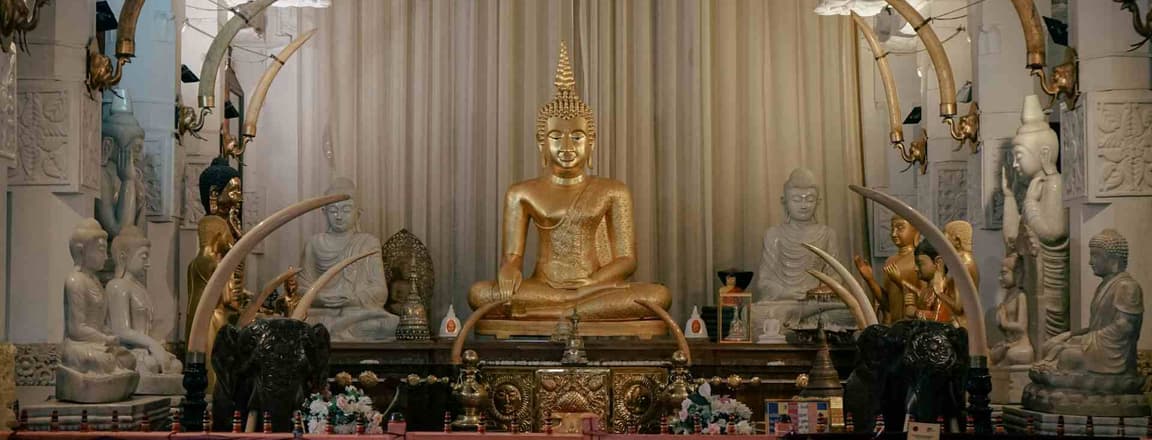
You know that feeling when a place you thought would take a day suddenly makes you want to stay longer? Kandy is one of those places. The city brings together sacred temples, misty hills, scenic walks, cultural shows, local food, and everyday life in a way that feels very different from Sri Lanka’s beach towns. Two days are usually enough to see the main highlights without rushing from one attraction to another. If you are planning a Sri Lanka trip, this hill city is an easy stop to add to your route, whether you are booking a Kandy tour package or scheduling everything yourself. The Temple of the Sacred Tooth Relic, Kandy Lake, Royal Botanic Gardens, and Kandyan cultural shows are some of the highlights worth making time for. This guide covers the best places to visit, things to do, the best time to go, costs, transport, stays, food, and practical tips for planning your Kandy itinerary.
Kandy at a Glance
| Category | Details |
| Location | Central highlands of Sri Lanka, Central Province |
| Known for | Temple of the Sacred Tooth Relic, UNESCO World Heritage status, tea plantations, and the Esala Perahera |
| Ideal trip length | 2 days |
| Best time to visit | April–June and September–October for the most comfortable weather; November–March for the driest and clearest skies |
| Distance from Colombo | Approximately 115–125 km; around 2.5–3 hours by train or 3–4 hours by road |
Best Time to Visit Kandy, Sri Lanka
Before planning your trip, it’s important to know the best time to visit Kandy so you can experience the city at its most scenic and comfortable. Weather, festivals, and crowd levels can all impact your overall experience.
- April to June & September to October (Best Overall Time): Expect lush greenery, fewer crowds, and comfortable weather (25–30°C). Ideal for sightseeing, nature walks, and photography.
- July to August (Monsoon + Cultural Season): Short rains from the Yala monsoon refresh the landscape. This is also when the famous Esala Perahera festival takes place, one of Sri Lanka’s biggest cultural events.
- November to March (Peak Season): Cool, dry weather (20–28°C) with clear skies. Perfect for sightseeing, but slightly more crowded and expensive.
Best Places to Visit in Kandy
Before you start exploring, it helps to know where to go, because the best Kandy attractions are spread across different parts of the city. Each area offers a unique mix of culture, nature, and local experiences.
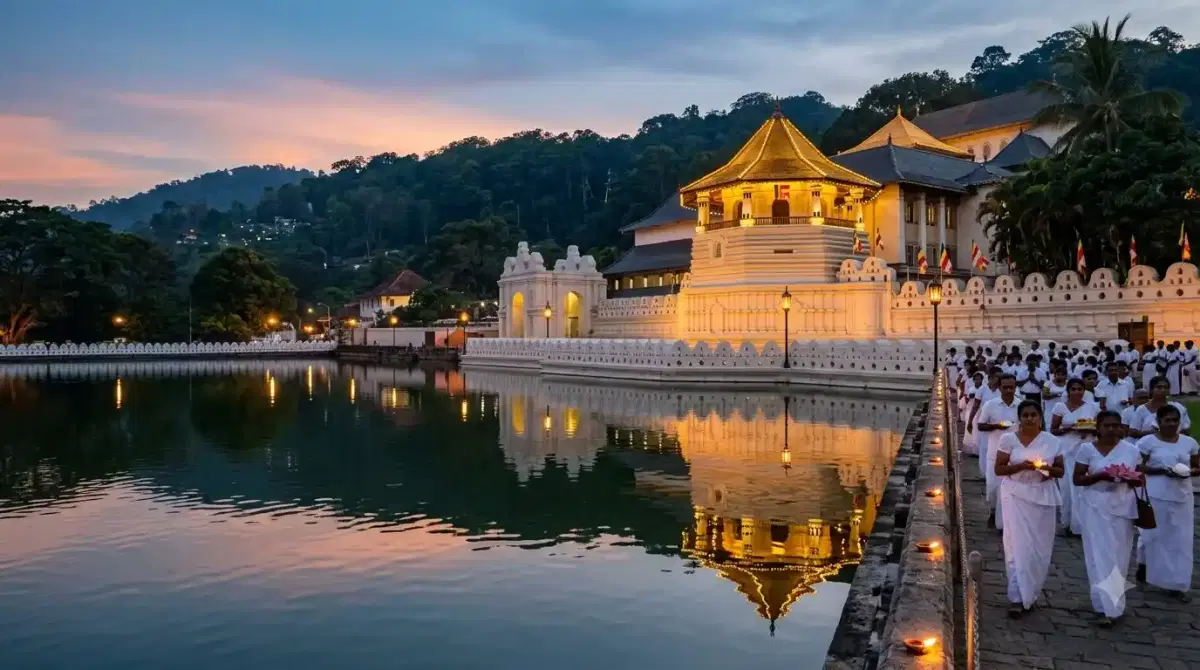
- Kandy Lake Area: This area is the heart of the city, where you can take a peaceful walk around the beautiful Kandy Lake. Visit the famous Temple of the Sacred Tooth Relic nearby. The lake has plenty of ducks and fish, which you can feed. It’s one of the best places to visit in Kandy if you want both nature and culture in one spot.
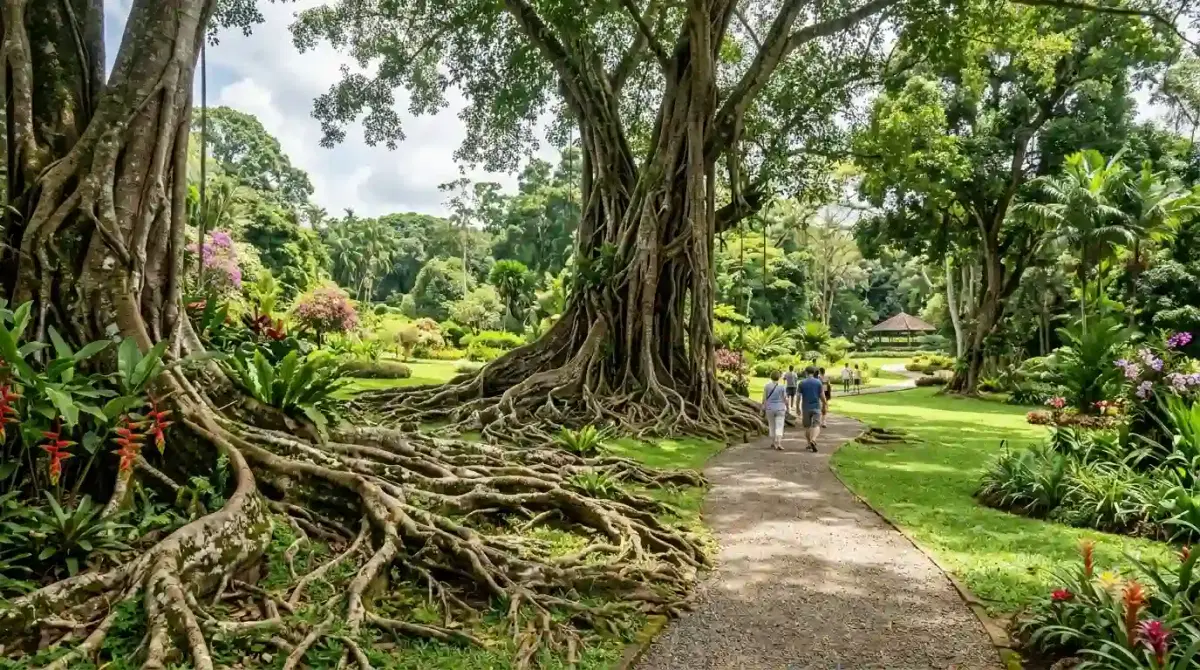
- Peradeniya: Just a short ride away from the centre, this green and relaxing area is home to the stunning Royal Botanic Gardens. You can walk among tall palm trees, colourful flowers, and peaceful gardens. It feels like a quiet escape from the busy city.
- Hanthana: If you love nature and views, Hanthana is perfect for you. The Hanthana Mountain Range offers fresh air, tea plantations, and amazing views of the hills. It’s a great place for short hikes and relaxing moments.
- Katugastota: This area shows you the real local life of Kandy. You’ll find busy markets, small shops, and tasty street food. It’s lively, colourful, and full of everyday energy.
- Asgiriya: A calm and quiet neighbourhood, perfect if you want a peaceful experience. Visit the historic Asgiriya Maha Vihara and enjoy the slow pace. It’s a nice place to explore the spiritual side of the city without crowds.
Top Things to Do in Kandy
To truly experience the city, exploring the top things to do in Kandy is essential, from cultural landmarks to nature escapes. These experiences capture the essence of Kandy and make your trip truly memorable.
Seek Blessing at Temple of the Sacred Tooth Relic (Sri Dalada Maligawa)
One of the most sacred Buddhist sites in the world, this temple houses a relic believed to be Buddha’s tooth. The atmosphere during pooja ceremonies is deeply spiritual and unforgettable.
- Timings: 5:30 AM – 8:00 PM
- Entry Fee: ~2,000 LKR (Foreigners)
- Pro Tip: Visit early morning or evening for the best experience.
Note- Ticket includes access to the main temple and associated museums
Witness Kandyan Cultural Dances
Famous as Udarata Natuma, the Kandyan cultural dances are a classical dance form from the Kandy hills. This dance form is quite dazzling and naturally blends acrobatics, rhythm, and ancient rituals. Kandyan cultural dance includes dancing, eating and walking on fire.
- Show timings: daily from 5:30 PM to 8:30 PM (evening performances)
- Entry Fee: Adult: 3,500 LKR (805 INR); Child (5–12 yrs): 1,000–1,500 LKR (230–345 INR); Under 5 yrs: Free
Note: Ticket prices for Kandy cultural dance shows vary by venue (at Kandy Lake Club or Kandyan Cultural Centre)
Stroll at Peradeniya Botanical Gardens
The Royal Botanic Gardens are the largest botanical garden in Sri Lanka. Located in Peradeniya is a lush 147-acre park, a tropical paradise 6 km from Kandy. Peradeniya Botanical Gardens include a massive Java fig tree, vibrant orchid houses, and spice gardens.
- Opening Hours: Gardens open daily from 7:30 AM to 6:00 PM (ticket sales until 5:00–5:30 PM).
- Entry Fee: Foreign Adult: 3,000 LKR (690 INR); Child (5-12): 1,500 LKR (345 INR); Under 5: Free; Student: 1,200 LKR (276 INR)
Watch Elephant Bathing at Pinnawala Elephant Orphanage
Pinnawala Elephant Orphanage, this sanctuary near Kegalle (90 km from Colombo), is the world's largest breeding ground for Asian elephants. The park consists of 80 elephants roaming around. Amazing highlights in this park are elephant bathing in the morning at the Maha Oya River.
- Opening Hours: Daily 8:30 AM–6:00 PM (ticket counters close 5:30 PM; key events: feeding 9:15 AM/1:15 PM/ 5:00 PM, river baths 10:00 AM–12:00 PM & 2:00–4:00 PM.
- Entry Fee: Foreign Adult: 5,500 LKR (1,265 INR); Child: 2,750 LKR (632 INR); Under 5: Free.
How to Reach Kandy from Colombo
Kandy is easy to reach from Colombo, with trains and road connections available throughout the day. Your choice mainly depends on whether you want a scenic journey or a more flexible, comfortable ride.
By Train
The Colombo Fort to Kandy train is the most popular option. The journey takes around 2.5–3 hours and passes through changing landscapes as you head into the hills. Several trains run each day, so it is easy to fit the journey into your itinerary.
By Road
A private car or taxi takes around 3–4 hours from Colombo, depending on traffic. The final stretch gets hillier, so the journey can take longer during busy hours. This is a good option if you want door-to-door travel or are travelling with family or luggage.
By Air
Kandy does not have a commercial airport. Most international travellers arrive at Bandaranaike International Airport near Colombo and continue to Kandy by train, taxi, or private car. For most visitors, travelling by road or rail is simpler than taking a separate domestic flight.
Where to Stay in Kandy: Budget, Mid-Range and Luxury Hotels
Kandy has stays for different budgets, from basic guesthouses and city hotels to upscale hillside and riverside properties. Location matters too, as some hotels are outside the centre and may require a tuk-tuk or taxi for sightseeing.
Luxury Hotels
For travellers looking for premium facilities, spacious rooms, and a more relaxing stay:
- Mahaweli Reach Hotel – Upscale riverside hotel with a pool, spa and Ayurvedic facilities, spacious rooms, and a peaceful setting.
- Theva Residency – Hillside boutique property with modern rooms, mountain views, and an outdoor infinity pool.
Approx. Price: ₹6,500–₹18,000 (LKR 22,000–61,000) per night
Best for: Couples, honeymooners, and families seeking extra facilities
Mid-Range Hotels
Good choices if you want a comfortable stay without paying luxury-hotel prices:
- Sevana City Hotel – Located at 84 Peradeniya Road, on the edge of central Kandy, with access to the city by foot, tuk-tuk, or taxi.
- Queen’s Hotel – Historic hotel in central Kandy, close to Kandy Lake and several major attractions.
Approx. Price: ₹3,000–₹7,000 (LKR 10,000–24,000) per night
Best for: Couples, families, and first-time visitors
Budget Hotels & Guesthouses
Ideal if you plan to spend most of your day exploring and want to keep accommodation costs low:
- Renuka Inn Hotel – Basic, budget-friendly accommodation for travellers looking for an affordable stay.
- 335 Guesthouse – Include this option only after confirming its current operation, booking availability, and facilities.
Approx. Price: ₹1,000–₹3,000 (LKR 3,400–10,000) per night
Best for: Solo travellers, backpackers, and budget-conscious trips
Note: Prices are approximate and can change based on travel dates, room type, season, taxes, and availability. Check the latest rates before booking.
Getting Around Kandy
Getting around Kandy is fairly simple, especially in and around the city centre. Like most of transport in Sri Lanka, the best option depends on the distance and how much flexibility you want.
- Tuk-tuks: The easiest choice for short trips around Kandy and nearby Peradeniya. Agree on the fare before you leave, as meters are not always used.
- Private driver or hotel transfer: A convenient option for longer trips such as Pinnawala, which takes around an hour each way. It also saves you from arranging multiple rides.
- Walking: Ideal around Kandy Lake and the Temple of the Sacred Tooth Relic. These areas are close to each other, making them easy to explore on foot.
What to Eat in Kandy: Must-Try Foods
Kandy is a great place to try both Sri Lankan favourites and familiar South Indian dishes. From spicy street food to quick snacks, these are a few local eats worth adding to your food list.
- Masala Dosa at Balaji Dosai – Authentic South Indian flavours
- Kottu Roti at Siri Ramya – Sri Lanka’s most iconic street food
- Samosas at Kandyan Muslim Hotel – Perfect quick bites
Don’t miss trying Ceylon tea at a hilltop café with a view.
Kandy Travel Cost: How Much to Budget Per Day
Your daily budget in Kandy depends mainly on where you stay, how you travel, and the type of experiences you choose. The estimates below give you a simple idea of what to expect for accommodation, food, transport, and activities.
| Expense Category | Budget Traveller (Per Day) | Mid-Range Traveller (Per Day) | Luxury Traveller (Per Day) |
| Accommodation | ₹900–₹3,000 (LKR 3,100–10,300) | ₹3,000–₹6,000 (LKR 10,300–20,600) | ₹6,000–₹15,000 (LKR 20,600–51,600) |
| Food & Drinks | ₹700–₹1,200 (LKR 2,400–4,100) | ₹1,200–₹2,500 (LKR 4,100–8,600) | ₹2,500–₹5,000 (LKR 8,600–17,200) |
| Local Transport | ₹300–₹800 (LKR 1,000–2,800) | ₹800–₹2,000 (LKR 2,800–6,900) | ₹2,000–₹5,000 (LKR 6,900–17,200) |
| Attractions & Activities | ₹800–₹1,500 (LKR 2,800–5,200) | ₹1,500–₹3,000 (LKR 5,200–10,300) | ₹3,000–₹6,000 (LKR 10,300–20,600) |
| Total Per Day Cost | ₹2,700–₹6,500 (LKR 9,300–22,400) | ₹6,500–₹13,500 (LKR 22,400–46,400) | ₹13,500–₹31,000+ (LKR 46,400–106,600+) |
Note; Figures are an approximate planning range — confirm current entry fees and rates before booking.
Travel Tips for Travellers Visiting Kandy
- Use tuk-tuks for short trips: Agree on the fare before your ride to avoid confusion.
- Dress modestly at temples: Cover your shoulders and knees when visiting religious sites.
- Carry some cash: Small shops, local eateries, and tuk-tuks may not accept cards.
- Start sightseeing early: Visit temples and outdoor attractions in the morning to avoid the midday heat and crowds.
- Keep a light layer handy: Kandy’s hill-country weather can feel cooler, especially in the mornings and evenings.
Conclusion: Why Kandy Should Be on Your Sri Lanka Itinerary
Kandy brings together the side of Sri Lanka that you cannot experience on the coast alone. Sacred temples, cultural performances, misty hills, tea plantations, and quiet moments by the lake give the city its own character. Two days here are enough to experience its highlights without rushing. If your Sri Lanka trip is about seeing more than beaches, Kandy is worth making time for. It may just become the part of your journey you remember long after the beaches are behind you.
FAQs
1. How many days are enough for Kandy?
Two days in Kandy are usually enough to visit the main attractions, enjoy local food, and explore the city without rushing. Add a third day if you want more time for nearby places and nature.
2. Is Kandy worth visiting in Sri Lanka?
Kandy is worth visiting in Sri Lanka if you enjoy culture, history, temples, and mountain scenery. It also gives you a very different experience from the country’s beach destinations.
3. What are the best places to visit in Kandy?
The best places to visit in Kandy include the Temple of the Sacred Tooth Relic, Kandy Lake, Royal Botanic Gardens, and the Hanthana hills. These cover the city’s main cultural and natural highlights.
4. What are the best things to do in Kandy?
The best things to do in Kandy include visiting the Temple of the Tooth, watching a Kandyan dance show, walking around Kandy Lake, and exploring the Royal Botanic Gardens. You can also enjoy local food and Ceylon tea.
5. What is the best time to visit Kandy?
The best time to visit Kandy is generally from April to June and September to October for comfortable sightseeing and greener landscapes. November to March is also popular for drier weather and clearer skies.
6. Is Kandy cooler than Colombo?
Kandy is cooler than Colombo because it sits in Sri Lanka’s central highlands at a higher elevation. Mornings and evenings can feel especially pleasant compared with the warmer coastal capital.
7. How do I get from Colombo to Kandy?
You can get from Colombo to Kandy by train, private car, or taxi. The train takes around 2.5–3 hours, while road travel usually takes about 3–4 hours depending on traffic.
8. Is there an airport near Kandy?
The nearest major international airport to Kandy is Bandaranaike International Airport near Colombo. From there, you can continue to Kandy by train, taxi, private car, or other road transport.
9. How many days should I spend in Kandy?
You should spend around two days in Kandy to see the main sights and experience the city. Three days can work better if you prefer a slower trip or want to explore places around the city.
10. Where should I stay in Kandy?
You should stay around central Kandy if you want easy access to Kandy Lake, the Temple of the Tooth, restaurants, and transport. Hillside and riverside areas are better if you prefer quieter surroundings.
11. Is Kandy a good destination for couples?
Kandy is a good destination for couples who enjoy peaceful surroundings, scenic hills, cultural experiences, and relaxed sightseeing. A lakeside walk, garden visit, or hillside stay can make the trip feel more special.
12. What is Kandy famous for?
Kandy is famous for the Temple of the Sacred Tooth Relic, Kandy Lake, Kandyan culture, tea-growing hills, and the annual Esala Perahera. Its cultural importance has also earned it UNESCO World Heritage status.
13. Can I explore Kandy in one day?
You can explore Kandy in one day, especially if you focus on the Temple of the Tooth, Kandy Lake, and one or two nearby attractions. However, two days give you more time to enjoy the city at a relaxed pace.
14. Is Kandy good for first-time visitors to Sri Lanka?
Kandy is good for first-time visitors to Sri Lanka because it combines culture, history, nature, food, and easy access from Colombo. It also fits naturally into many Sri Lanka itineraries.
15. What should I wear when visiting Kandy temples?
When visiting Kandy temples, you should wear modest clothing that covers your shoulders and knees. Carrying a light scarf or cover-up is useful when visiting religious sites during your trip.