
Transportation in Sri Lanka: Getting Around by Bus, Train, Tuk-Tuk & More
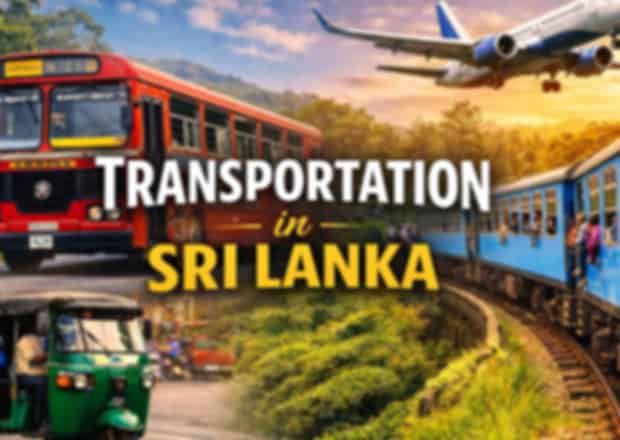
Visiting Sri Lanka for the first time and wondering how to get from one attraction to the next without wasting hours on the road? From scenic train rides and tuk-tuks to buses, taxis, and private transfers, there are several modes of transportation in Sri Lanka. Knowing which transportation in Sri Lanka works best for your route can make your trip smoother, more comfortable, and easier to plan. The way you choose to move across the island determines what you see, how deeply you explore, and how memorable your journey becomes.
Whether you’re travelling with Sri Lanka tour packages, chasing scenic train rides, budget-friendly routes, or seamless private transfers, understanding how transport works in Sri Lanka can make all the difference. This guide breaks down every transport option in Sri Lanka, so you can choose what fits your travel style, budget, and itinerary best.
Sri Lanka Transportation Overview
Transportation in Sri Lanka is well-connected but not very fast. It plays an important role in Sri Lanka tourism, allowing travellers to reach most cities, towns, and popular tourist places across the island.
The main transport options are:
- Buses
- Trains
- Tuk-tuks
- Private taxis and cars
- Domestic flights
- Bike and scooter rentals
| Transport | Cost | Comfort | Speed | Best For |
| Bus | Low | Low | Medium | Budget travel |
| Train | Low | Medium | Slow | Scenic travel |
| Tuk-tuk | Medium | Medium | Fast | Short distances |
| Taxi | High | High | Fast | Comfort |
| Flight | Very High | High | Very Fast | Time-saving |
Getting From Colombo Airport (CMB) to Your First Stop
Most Sri Lanka trips begin at Bandaranaike International Airport (CMB) in Katunayake, around 35 km north of central Colombo. Planning how you’ll get to your first stop before you land can save you time, money, and unnecessary hassle.
Options from CMB
- SLTB Airport Bus (Route 187): The cheapest way to reach Colombo Fort. Fares are usually around LKR 100–300, and the journey takes about 50–90 minutes. It’s a good budget option, but not ideal if you have heavy luggage.
- Official Airport Taxi: You’ll find the taxi counter in the arrivals hall. Fares are fixed and usually paid in advance. A taxi to central Colombo costs around LKR 3,500–6,000 and takes about 40–50 minutes via the Colombo–Katunayake Expressway (E03). Check whether the expressway toll is included before paying.
- PickMe or Uber: Both are popular options and can be cheaper than airport taxis. A ride to central Colombo generally costs around LKR 2,500–3,500. Download the app before your flight so you can book easily after landing. It’s better to avoid unofficial taxi drivers approaching passengers inside the arrivals area.
- Pre-booked Hotel or Private Transfer: If you want a hassle-free arrival, you can arrange a transfer with your hotel or a private driver. It costs more, but your driver will be waiting for you at the airport, often with a name board. This can be especially useful after a long flight.
Bus Transport in Sri Lanka: Cheapest Way to Get Around

Buses are the most essential mode of transportation in Sri Lanka. They connect almost every town, city, and village, making them the most widely used travel option across the country.
There are two main types of buses in Sri Lanka:
- Government buses: Operated by the Sri Lanka Transport Board (SLTB) and commonly used for both short and long-distance journeys.
- Private buses: Operated by private companies and available on many of the same routes.
Government buses are more regulated and relatively reliable. Private buses are often faster but less organised. On major long-distance routes, AC buses are also available, usually costing about 50% more than regular fares.
Bus Ticket Prices In Sri Lanka
Travelling by bus is one of the most budget-friendly ways to explore Sri Lanka. Fares depend on the distance, route, and type of bus, so prices can vary from one journey to another.
| Journey type | Fare (LKR) | INR approx. |
| Short local journeys | From LKR 34 | From ₹10 |
| Medium-distance journeys | LKR 100–500+ | ₹29–₹145+ |
| Long-distance journeys | LKR 500–1,500+ | ₹145–₹435+ |
| Very long/intercity journeys | Up to LKR 2,902 | Up to ₹842 |
Note: These are indicative fares. The exact ticket price depends on the route, distance, and bus service. Fares may also change when the government announces a new revision.
Train Travel in Sri Lanka: Scenic Routes and Long-Distance Journeys

Train journeys in Sri Lanka are known for their scenic routes and relaxed pace. As the train moves forward, the landscape changes slowly. You pass through lush tea plantations, misty hills, dense forests, and quiet rural villages.
The train journey from Kandy to Ella is one of the most popular train journeys in the country. Open windows, cool mountain air, and wide valley views make this ride memorable for most travellers.
Best Train Routes in Sri Lanka
Sri Lanka’s trains are more than just a way to get around—they offer some of the most scenic journeys on the island. From misty mountains and tea plantations to coastal views, these are some of the best train routes to add to your itinerary:
- Kandy to Ella: One of the most popular scenic train journeys in Sri Lanka, passing through lush tea plantations, mountain landscapes, waterfalls, and small hill-country villages. The route is especially famous for its views around Nine Arch Bridge near Ella.
- Ella to Kandy: The same hill-country railway route can be enjoyed in the opposite direction. Travelling from Ella towards Kandy offers beautiful views of the highlands and is a great option if your Sri Lanka itinerary starts in Ella.
- Colombo to Kandy: A convenient route for reaching Sri Lanka’s cultural capital. The journey gradually changes from busy city landscapes to greener countryside and rolling hills.
- Colombo to Galle: A scenic coastal journey that follows the western and southern coastline. You’ll get views of the Indian Ocean for much of the route, making it a pleasant way to reach the south.
- Colombo to Matara: If you want a longer coastal train ride, continue beyond Galle towards Matara. The route offers a mix of ocean views, beaches, towns, and coconut-covered landscapes.
- Kandy to Nuwara Eliya (via Nanu Oya): This hill-country journey takes you through tea-growing regions and misty mountain scenery. Nanu Oya is the closest railway station to Nuwara Eliya and is commonly used by travellers visiting the town.
Train Ticket Prices by Class
Train fares in Sri Lanka vary by route, distance, and train type. For popular long-distance journeys, you can expect to pay more for 1st class, while 2nd and 3rd class remain much more affordable options.
| Class | Typical Price Range (LKR) | INR approx. | Features |
| 1st Class | LKR 850–3,000+ | ₹247–₹870+ | More comfortable seating; AC available on selected trains |
| 2nd Class | LKR 350–2,000+ | ₹102–₹580+ | Comfortable seating; reserved and unreserved options |
| 3rd Class | LKR 120–1,500+ | ₹35–₹435+ | Basic seating; the most budget-friendly option |
Train travel is best for long and scenic journeys. For popular routes like Kandy to Ella, it is good to book tickets 30–60 days in advance. Trains on hill routes can also be delayed by 2–3 hours.
Tuk-Tuks in Sri Lanka: Quick Local Transport for Short Distances
Tuk-tuks are one of the fastest and most convenient ways to travel within cities and towns in Sri Lanka. They are easily available in urban areas such as Colombo and popular tourist locations.
They are best suited for short distances, especially when you need quick movement through traffic or last-mile connectivity. Tuk-tuks are widely used for everyday travel and are a practical part of local transport.
Tuk-Tuk in Sri Lanka Pricing
Tuk-tuks are one of the easiest ways to cover short distances in Sri Lanka, especially in cities and tourist areas. Fares vary depending on the location, distance, traffic, and whether you use a metered tuk-tuk or book through an app.
- Typical short-ride fare: Around LKR 150–300+ (₹44–₹87+)
- Per-km fare: Usually around LKR 80–150+ (₹23–₹44+), depending on the city and operator
- App-based rides: Apps such as PickMe can show the fare before you book, making it easier to compare prices and avoid overcharging.
Pro tip: Always agree on the fare before starting a ride if the tuk-tuk is not metered. For a more predictable price, booking through an app such as PickMe is often the easier option.
Private Cars and Taxis in Sri Lanka: Comfortable Travel Option
Private taxis in Sri Lanka offer one of the most comfortable and flexible ways to travel. Many tourists prefer hiring a car with a driver for their entire trip, especially for long-distance travel between cities and tourist destinations.
Drivers are usually experienced with local routes and road conditions. They also provide suggestions for stops, sightseeing points, and local places to eat, making travel easier for first-time visitors.
Private Car and Driver Costs in Sri Lanka
Prices vary depending on the vehicle, route, number of passengers, season, and what is included in the package. As a 2026 planning guide:
- Standard car with driver: Around LKR 18,000–26,000 per day (₹5,220–₹7,540)
- SUV or premium car: Around LKR 23,000–33,000 per day (₹6,670–₹9,570)
- Van for families or groups: Around LKR 30,000–52,000 per day (₹8,700–₹15,080)
These are indicative market rates rather than fixed fares. A full-day hire usually covers around 8–10 hours of travel, while fuel, tolls, parking, driver accommodation, and other extras may vary between operators.
Ride-Hailing Apps in Sri Lanka
For shorter city rides and point-to-point journeys, ride-hailing apps can be a convenient alternative to hiring a private car for the whole day.
- PickMe: One of Sri Lanka’s most widely used ride-hailing apps, offering cars, tuk-tuks, and other transport options. You can see the estimated fare before confirming the ride.
- Uber: Available in parts of Sri Lanka, particularly in and around Colombo, but coverage can be more limited outside major cities.
- App-based fares: Prices can change depending on distance, demand, traffic, and vehicle type, so check the fare in the app before booking.
For a short city journey, a ride-hailing app is usually more practical than hiring a car and driver for the entire day. For multi-city travel, sightseeing, or travelling with luggage, a pre-booked private car can be more convenient.
Domestic Flights in Sri Lanka: Fastest Way to Travel Long Distances
Domestic flights in Sri Lanka are limited but useful for saving travel time on long routes. They mainly connect Colombo with northern and southern regions, including cities like Jaffna. Travellers use these to skip lengthy road or train trips, while seaplane services (via Cinnamon Air) add scenic short hops over lagoons to places like Bentota or Koggala.
Cinnamon Air operates scheduled domestic flights connecting Colombo with destinations such as Kandy, Sigiriya, Trincomalee, Koggala and Hambantota, with flight times on several routes ranging from around 22 to 50 minutes.
- Colombo to Kandy: Around 22 minutes by air, compared with roughly 4 hours by road.
- Colombo to Sigiriya: Around 35 minutes, compared with about 5 hours by road.
- Colombo to Trincomalee: Around 45–50 minutes, making it useful for reaching Sri Lanka’s east coast.
- Colombo to Koggala: Around 35 minutes, providing quicker access to Galle, Weligama and Mirissa.
- Colombo to Hambantota: Around 40 minutes, useful for travellers heading towards Yala and the southern coast.
- Sigiriya to Koggala: Around 1.5 hours, offering a convenient connection between the Cultural Triangle and the south coast.
Flight Prices
Flight prices to Sri Lanka vary by departure city, travel season, and how early you book. Comparing fares in advance can help you find better deals and keep your overall trip budget under control.
| Airline | Route | Flight duration | Price (LKR approx.) | INR approx. |
| Cinnamon Air | Colombo → Trincomalee | 45 mins | From LKR 32,800 | From ₹9,512 |
| Cinnamon Air | Colombo → Batticaloa | 45 mins–1 hr 30 mins | From LKR 32,800 | From ₹9,512 |
| Cinnamon Air | Trincomalee → Colombo | 45 mins | From LKR 49,200 | From ₹14,268 |
| Cinnamon Air | Batticaloa → Colombo | 45 mins | From LKR 49,200 | From ₹14,268 |
| Cinnamon Air | Colombo → Koggala | Around 35 mins | From LKR 67,600 | From ₹19,604 |
| Cinnamon Air | Colombo → Hambantota (Yala) | Around 40 mins | From LKR 75,400 | From ₹21,866 |
| Cinnamon Air | Colombo → Sigiriya | Around 35 mins | From LKR 32,800–50,200 | From ₹9,512–₹14,558 |
Scooter and Rental Bikes in Sri Lanka: Independent Travel Option
Renting a scooter or bike in Sri Lanka gives full freedom to explore at your own pace. It is one of the most flexible ways to travel, especially for coastal routes, small towns, and less crowded tourist areas.
This option is popular among independent travellers who want to stop anywhere, take breaks in between, and explore places that are not always covered by public transport. It works well for short-distance travel and day trips.
Rental Costs
| Vehicle | Daily Rental Price (LKR) | INR approx. |
| Scooter | LKR 2,500–5,000 | ₹725–₹1,450 |
| Standard Motorcycle | LKR 4,000–8,000 | ₹1,160–₹2,320 |
| Premium/Larger Motorcycle | LKR 7,000–12,000+ | ₹2,030–₹3,480+ |
Longer rentals often come with a lower daily rate, so ask the rental company about weekly or multi-day discounts.
Note: An international driving licence is required to rent and ride legally. Road conditions in some areas can be unpredictable, so careful driving and awareness of local traffic behaviour are important.
Best Routes to Travel in Sri Lanka
Choosing the right travel route can make your journey around Sri Lanka more enjoyable and efficient. While trains offer some of the country’s most scenic experiences, buses and private taxis are often more practical for flexibility and shorter travel times. Here are some of the most popular routes for travellers.
Colombo to Kandy
This is one of Sri Lanka’s busiest travel routes, connecting the commercial capital with the cultural heart of the island.
- Commonly used transport: Train, private taxi, or bus
- Travel time: About 3–4 hours
- Best for: First-time visitors, cultural sightseeing, and exploring the hill country
The train offers beautiful countryside views, while a private taxi or bus is often preferred for greater flexibility and convenience.
Kandy to Ella
The journey from Kandy to Ella is one of the most iconic travel experiences in Sri Lanka. Passing through tea plantations, misty mountains, waterfalls, and charming villages, it’s considered one of the world most scenic train rides.
- Commonly used transport: Reserved 2nd Class or 1st Class Observation train
- Travel time: About 6–7 hours
- Best for: Nature lovers, photographers, and scenic travel
As this route is extremely popular, it’s a good idea to book reserved seats as early as possible, especially during the peak tourist season.
Ella to Mirissa
Many travellers continue from Sri Lanka’s hill country to the southern coast after visiting Ella. Since there is no direct train connection, road transport is the most convenient choice.
- Commonly used transport: Private taxi or intercity bus
- Travel time: Around 4–5.5 hours
- Best for: Beach holidays, surfing, and whale watching
Private taxis provide a quicker and more comfortable journey, while buses are a budget-friendly alternative.
Colombo to Galle
The route between Colombo and Galle is one of the easiest ways to reach Sri Lanka’s southern coast. Both the coastal train and buses are popular choices for travellers.
- Commonly used transport: Coastal train or bus
- Travel time: Around 2–2.5 hours
- Best for: Beach holidays, historical sightseeing, and weekend trips
The coastal train is particularly popular for its scenic stretches along the Indian Ocean.
Colombo to Jaffna
Travelling to northern Sri Lanka takes longer than most southern routes, but there are several convenient transport options depending on your budget and schedule.
- Commonly used transport: Train, domestic flight, or private taxi
- Travel time: About 6–8 hours by train or road; flights significantly reduce flying time, though the total journey will be longer after airport check-in and transfers.
- Best for: Exploring northern Sri Lanka and its cultural attractions
Suggested Transport Combination for a Sri Lanka Trip
For a well-balanced trip, many travellers combine different transport options based on the route and destination.
| Route | Recommended Transport |
| Colombo → Kandy | Train or Private Taxi |
| Kandy → Ella | Scenic Train |
| Ella → Yala National Park | Private Taxi |
| Yala → Mirissa | Private Taxi |
| Mirissa → Galle | Bus, Private Taxi, or Tuk-Tuk |
| Galle → Colombo | Coastal Train, Bus, or Private Transfer |
Using a mix of trains for scenic journeys and private road transport for intercity travel offers a comfortable balance of convenience, flexibility, and memorable experiences.
Hidden Routes Worth Exploring
Sri Lanka has plenty of scenic roads and lesser-known routes that are worth taking when you have the time. If you are travelling by scooter, bike, private car, or train, consider adding these routes to your itinerary:
1. Badulla Train Line – Quiet Hill Experience
The railway journey through Sri Lanka’s hill country is a great choice if you want peaceful scenery away from the busiest tourist stops. The route passes tea estates, forests, valleys, and small mountain towns.
- Cost: Around LKR 440–1,750 (₹128–₹508), depending on the class and journey length
- Best for: Scenic views, tea country, and slow travel
Tip: Fares vary by the stations you travel between, so check the latest Sri Lanka Railways fare before booking.
2. Tangalle Coastal Route – Beaches + Local Travel
Take a local bus towards Tangalle and then use a tuk-tuk to reach quieter beaches and nearby villages. This is an affordable way to explore the southern coast without relying on private transfers.
- Bus fare: Generally from around LKR 34+ (₹10+), depending on distance and service
- Tuk-tuk: Around LKR 500–1,500 (₹145–₹435) for short local trips, depending on distance and whether the ride is metered or app-booked
- Best for: Budget travellers, beach hopping, and exploring local areas
3. Galle to Jungle Temples – Shared Travel Experience
From Galle, head inland by tuk-tuk or private car to explore rural villages, temples, forests, and lesser-known attractions. For a small group, sharing a car with a driver can make this type of day trip more comfortable and practical.
- Private car with driver: Around LKR 16,500–22,500 (₹4,785–₹6,525) per day for a standard car (₹4,785–₹6,525)
- Larger van: Around LKR 24,000–36,000 per day (₹6,960–₹10,440)
- Best for: Families and small groups looking for flexibility
Note: Private-driver prices can vary based on the route, vehicle, driving hours, fuel, tolls, and stops. Confirm what is included before booking.
Best Way to Get Around Sri Lanka: Budget vs Comfort vs Speed
The best way to get around Sri Lanka depends on your travel style:
- Budget: Buses & trains
- Comfort: Private car with driver
- Scenic: Train journeys (Kandy–Ella)
- Fast: Domestic flights
Pros and Cons of the Local Transport System in Sri Lanka
Pros
- Getting around Sri Lanka is affordable compared to many countries
- Public transport in Sri Lanka connects most cities and towns
- Train journeys offer scenic views, especially in hill areas
- Multiple options are available for different budgets and travel styles
Cons
- Public transport can be crowded during peak hours
- Trains and buses may face delays of 1–2 hours
- Road traffic can be slow near cities and tourist areas
- Limited comfort in low-cost transport options
Best Time to Travel in Sri Lanka for Easy Transportation
Transportation in Sri Lanka is closely influenced by seasonal weather, especially monsoons, which can affect road conditions, train schedules, and overall travel time across the island.
- December to March (West & South Coast): This is the most reliable time for getting around Sri Lanka in regions like Colombo, Galle, and Mirissa. Roads are in good condition, buses run smoothly, and coastal train journeys are scenic and mostly on time.
- April to September (East Coast): Ideal for travel in areas like Trincomalee and Arugam Bay. Dry weather makes road transport, especially private cars and buses, more efficient and comfortable for longer journeys.
- Hill Country (Kandy to Ella) – January to April: This is the best time to visit Sri Lanka for train travel. Clear skies, fewer delays, and lush landscapes make this period perfect for scenic routes.
- Monsoon Season (May to September in South/West, October to January in North/East): Heavy rainfall can slow down transportation in Sri Lanka. Train delays and longer road travel times are common, so private cars are a more reliable option than buses.
- Peak Season (December & January): Transport is available but often crowded. Booking train tickets and private transfers in advance is highly recommended to avoid last-minute issues.
Pro Tip: Always keep a buffer of 1–2 hours in your itinerary, as delays in public transport are common, especially during monsoon months.
Travel Tips for Transportation in Sri Lanka
Getting around Sri Lanka is relatively easy, but a few smart tips can help you save time, avoid common hassles, and travel more efficiently across the island.
- Always keep buffer time: Travel in Sri Lanka can be slower than expected due to traffic, road conditions, or delays in public transport. Add at least 1–2 hours of buffer, especially for long journeys.
- Book train tickets in advance: Popular routes like Kandy to Ella sell out quickly, particularly in peak season. Booking early ensures better seats and a more comfortable experience.
- Use ride-hailing apps for fair pricing: Apps like PickMe and Uber are widely available in cities and help avoid overpaying compared to negotiating with local tuk-tuks.
- Avoid late-night travel when possible: While generally safe, long-distance bus and train journeys at night can be less comfortable and less reliable for first-time travellers.
- Mix transport options smartly: Combine trains for scenic routes, private taxis for flexibility, and tuk-tuks for short distances to balance cost, comfort, and experience.
Pro Tip: For a hassle-free experience, many travellers prefer booking a private car with a driver for intercity travel and using trains only for scenic routes.
Conclusion: Best Ways to Travel Around Sri Lanka
Choosing the right transportation in Sri Lanka can make your trip smoother, more comfortable, and more enjoyable. If you value comfort and flexibility, a private car or taxi is a convenient choice. If you want to experience the island’s scenic beauty, don’t miss its famous train journeys.
If you’re travelling on a budget trip or a detailed 7-day Sri Lanka itinerary, buses and trains will take you almost everywhere. Plan smart, mix your transport options, and your journey across Sri Lanka will be just as memorable as the destinations themselves.
FAQs
1. What is the best way to get around Sri Lanka for first-time travellers?
A: For first-time travellers, a combination of trains, private cars, buses, and tuk-tuks works best. Use trains for scenic routes such as Kandy–Ella, private cars for comfortable intercity travel, buses for budget journeys, and tuk-tuks for short local trips.
2. What is the main mode of transportation in Sri Lanka used by locals?
A: Buses are the main mode of transportation in Sri Lanka for locals. Government-run SLTB buses and private buses connect major cities, towns, and rural areas, making them one of the most affordable ways to travel across the island.
3. How much does transportation cost in Sri Lanka for tourists?
A: Transportation in Sri Lanka can be very affordable, especially when using buses and trains. Local bus journeys can cost from around LKR 34, while tuk-tuk fares generally start at around LKR 150–300 for short rides. Private cars with drivers typically cost around LKR 18,000–26,000 per day for a standard car, depending on the route and inclusions.
4. Is it easy to travel around Sri Lanka without a car?
A: Yes. Travelling around Sri Lanka without a car is relatively easy because trains and buses connect many popular destinations, while tuk-tuks and ride-hailing services are useful for shorter journeys. However, a private car can save time and offer more flexibility when visiting several destinations in one day.
5. Which transport option in Sri Lanka is fastest for long distances?
A: Domestic flights are the fastest transportation option in Sri Lanka for longer distances. Services operated by airlines such as Cinnamon Air can significantly reduce travel time between destinations, although flights are more expensive and have limited routes compared with road and rail transport.
6. Are trains or buses better for travelling around Sri Lanka?
A: Trains are generally better for scenic journeys and a more relaxed travel experience, particularly in the hill country. Buses are better for reaching a wider range of towns and villages and are usually the more practical choice for budget travellers. For the best experience, combine both depending on your route.
7. Which is the most scenic train route in Sri Lanka?
A: The Kandy–Ella train route is widely considered one of the most scenic railway journeys in Sri Lanka. It passes through tea plantations, misty mountains, forests, valleys, waterfalls, and hill-country villages, with some of the most memorable scenery around Ella.
8. How reliable are buses in Sri Lanka?
A: Buses in Sri Lanka are frequent and connect most parts of the country, but journey times can vary because of traffic, road conditions, weather, and passenger volume. They are reliable for getting around on a budget, but travellers should allow extra time for longer journeys.
9. Is it better to hire a private car or use public transport in Sri Lanka?
A: A private car with a driver is better for comfort, flexibility, and multi-city itineraries, while public transport is better for travellers prioritising affordability. A combination is often ideal: use a private car for longer or less-connected routes and trains or buses for selected journeys.
10. Are tuk-tuks a good way to get around Sri Lanka?
A: Yes. Tuk-tuks are convenient for short distances, city travel, and last-mile connections from bus stops or railway stations. They are especially useful in tourist areas where larger vehicles may be less convenient. For predictable pricing, app-based services such as PickMe can be useful.
11. Do I need an international driving permit to drive in Sri Lanka?
A: Foreign visitors generally need a valid driving licence along with the appropriate Sri Lankan driving authorisation or temporary permit to drive legally in Sri Lanka. Requirements can vary depending on the licence issued by your home country, so check the latest requirements with the relevant Sri Lankan authorities or your rental provider before driving.
12. What is the fastest way to travel between cities in Sri Lanka?
A: Domestic flights are the fastest option where an air connection is available. For most routes, however, private cars are usually faster and more flexible than buses or trains because they can travel directly between destinations without multiple stops or transfers.
13. What is the cheapest way to travel around Sri Lanka?
A: Public buses are generally the cheapest way to travel around Sri Lanka, followed by trains on many routes. Travellers on a tight budget can combine buses and trains for intercity journeys and use tuk-tuks only for short local transfers.
14. Is Uber available in Sri Lanka?
A: Yes, Uber operates in parts of Sri Lanka, particularly around Colombo and other major urban areas. Availability can be more limited outside larger cities. PickMe is another widely used ride-hailing option in Sri Lanka and offers cars and tuk-tuks in many locations.
Recommended articles for you










Discover Packages
















Sri lanka City Packages
Packages By Departure City
Packages By Theme

Need help in planning?
Talk to our Travel Experts