
- Home
- Tourism
- Switzerland
- Best Time to Visit Zermatt, Switzerland
Best Time to Visit Zermatt, Switzerland
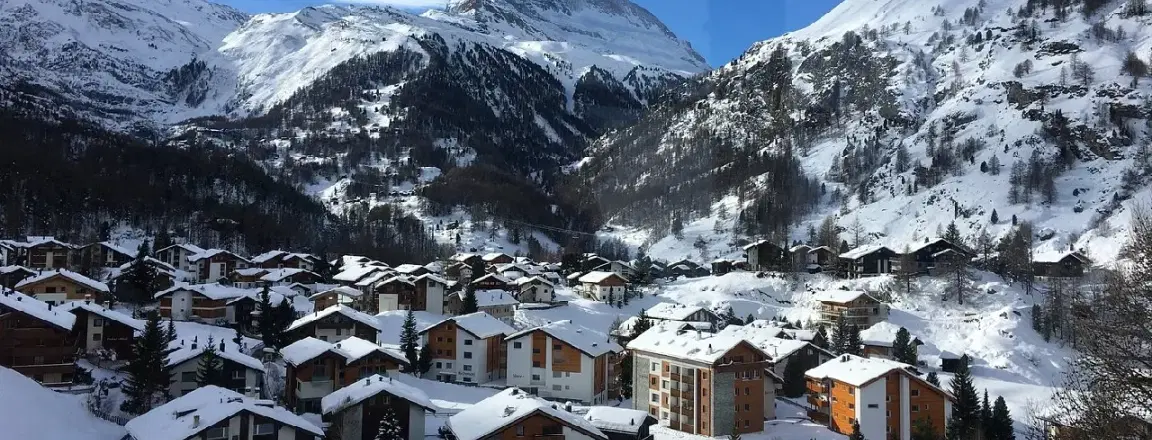
This car-free alpine village is one of the top year-round destination in Switzerland. So, the best time to visit Zermatt depends on what type of adventure you wish to experience in this picturesque Swiss mountain resort. The region is a winter wonderland from December to April, summer months transform the landscape into a lush playground, and the shoulder season offers fewer crowds and lower prices. From world-class skiing on glacier-covered slopes to spectacular summer hiking, each season in Zermatt has it's own best experiences to give.
Highlights
- Best Time to Visit: July to August presents the warmest weather, with temperatures ranging between 8-17°C in the village, longest daylight hours and optimal conditions for adventure activities.
- Best Time to Visit for Winter sports: December to February delivers guaranteed snow conditions, and temperatures can drop below -20°C during storms, at higher elevations. Year-round skiing is available at Matterhorn Glacier Paradise (3,883m).
- Best Time to Visit for Budget-friendly Experiences: April to May and September to October are shoulder months offering 20-35% lower accommodation costs with pleasant weather conditions.
- Best Time to Visit for Clearest visibility: January, February and September offer the best visibility for panoramic Matterhorn viewing.
- Summer Skiing Window: Limited summer skiing is available on the Theodul Glacier, depending on snow and weather conditions, with optimal conditions in early morning hours.
- Key Event: Zermatt Unplugged 2026 is confirmed for April 7 to 11, 2026.
Zermatt Seasonal Information (Temperature, Best Activities & Crowds Details)
Zermatt sits at 1,620 meters (5,315 feet) above sea level, thereby creating significant temperature variations. This unique alpine climate creates distinct seasonal experiences, each offering different advantages for visitors.
Season | Village Temperature | Best For | Crowds |
Summer (June - August) | 8°C to 17°C | Hiking, Matterhorn viewing, summer skiing, mountain biking | Very High |
Autumn (September - October) | 2°C to 10°C | Photography, fewer queues, late-season hiking, autumn colours | Low-Medium |
Winter (December - February) | -8°C to 2°C | Premier skiing, snowboarding, pristine snow, Christmas atmosphere | High |
Spring (March - May) | -10°C to 5°C | Value travel, late-season skiing, transitional beauty, wildflowers | Low |
Zermatt in Summer (June - August): Best Time for Hiking, Sightseeing & Glacier Skiing
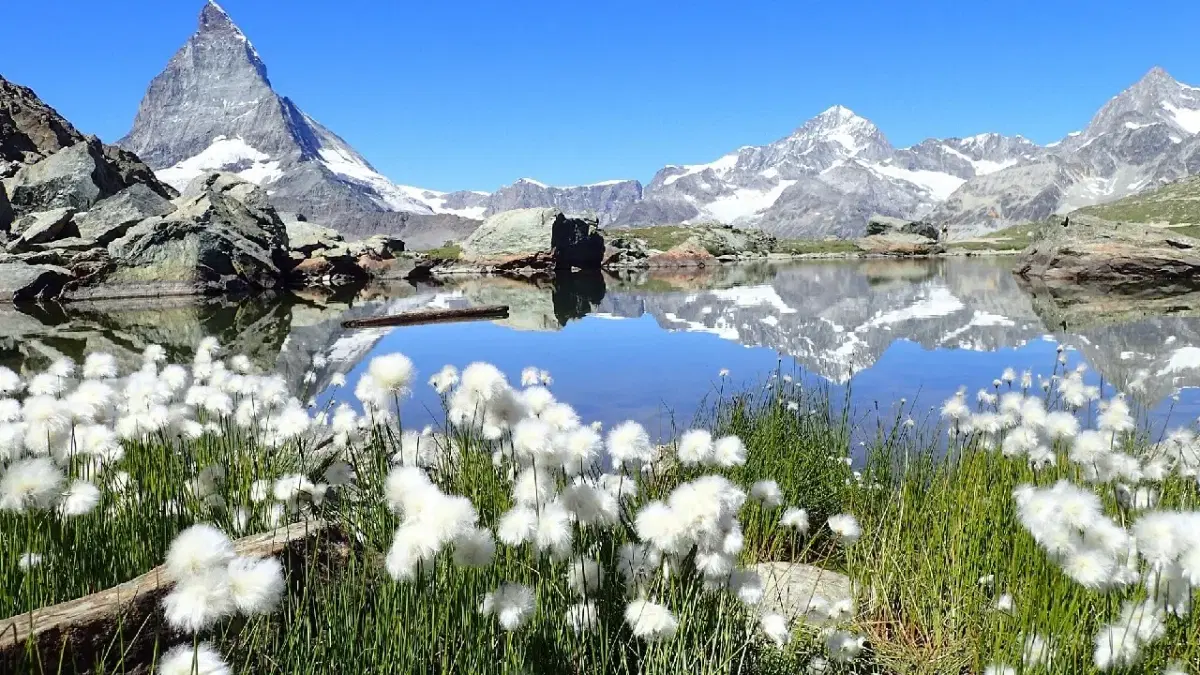
Summer transforms Zermatt into a breathtaking alpine playground. The season is the perfect time for hiking and outdoor adventure. The hiking trails are well-marked and go snow-free. These trails wind through wildflower-filled meadows, clear mountain lakes and offer spectacular views of the Matterhorn and the surrounding peaks.
Weather Characteristics:
- Temperature range: 8-17°C in Zermatt village, 0-10°C at higher elevations; July remains the warmest month.
- Daylight hours: The longest daylight hours.
- Visibility: Excellent in morning hours, with occasional afternoon clouds.
- Precipitation: Moderate rainfall
Seasonal Highlights:
- Matterhorn Viewing: Clear morning views from Gornergrat, Rothorn and village viewpoints
- Five Lakes Walk: 9-kilometre trail passing stunning alpine lakes with Matterhorn reflections
- Gornergrat Railway: Scenic cogwheel train journey to 3,089 meters with panoramic views of the surrounding peaks
- Summer Skiing: 21 kilometres of glacier runs at Matterhorn Glacier Paradise
Note: Hikers should definitely try the Five Lakes Walk or venture onto higher-altitude paths for panoramic glacier views.
Zermatt in Autumn (September - October): Fewer Crowds, Lower Prices & Stunning Views
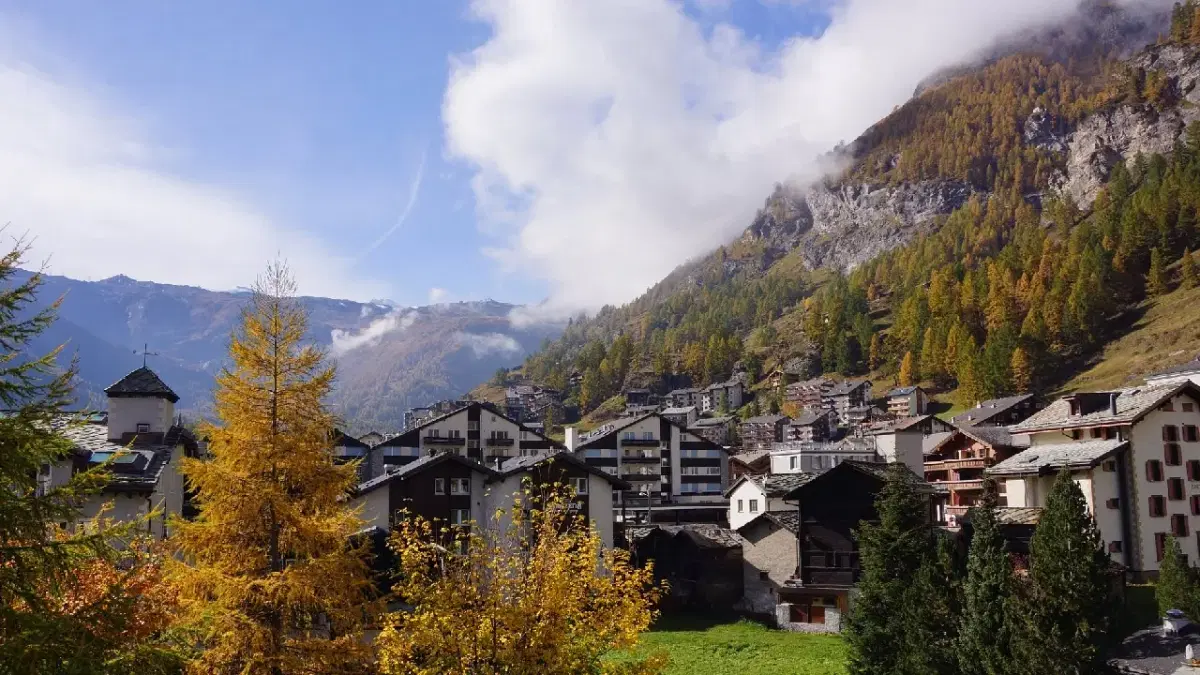
Autumn in Zermatt offers exceptional value and the best conditions for photographers. As the summer season departs, the landscape transforms into a palette of golden hues, which beautifully contrast with the snow-dusted peaks and crisp blue skies. This shoulder season combines comfortable daytime temperatures with significantly lower accommodation rates, thereby making it ideal for budget-conscious travellers to experience Zermatt's alpine majesty.
Weather Characteristics:
- Temperature range: 2-10°C in the village (September), dropping to -2°C to 5°C by October
- Daylight hours: 13 to 10 hours throughout the season
- Visibility: Excellent
- Snow conditions: Fresh snow begins accumulating at higher elevations, and glacier skiing continues through September.
- Best Activities: Photography, cable car excursions to viewpoints, visits to the Matterhorn Museum and exploring the car-free village.
Zermatt in Winter (December - February): Ski Season, Snowfall & Christmas Magic
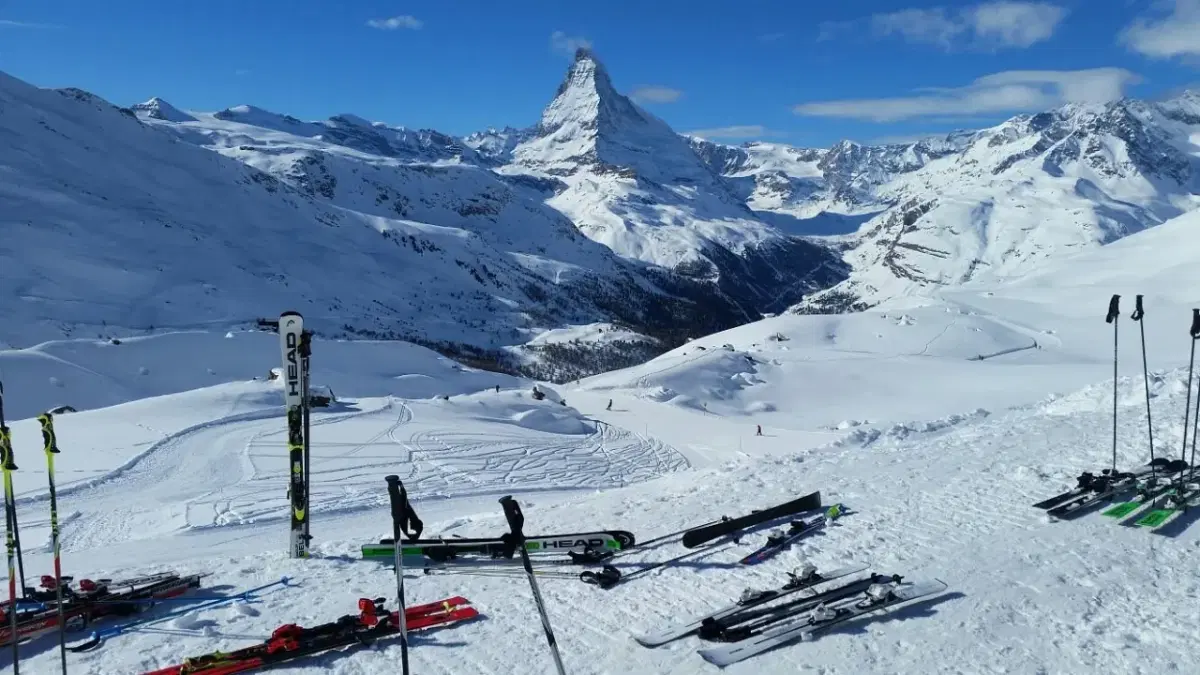
Winter establishes Zermatt as one of the premier ski destinations in Europe. This Alpine resort village offers world-class slopes across the vast Matterhorn Glacier Paradise. These ski areas feature reliable snow conditions and breathtaking alpine panoramas, and are connected by modern lifts and cable cars. This creates one of the most extensive and spectacular ski experiences in the Alps.
Weather Characteristics:
- Temperature range: -5°C to -15°C in the village, -20°C to -30°C at higher elevations; January is typically the coldest month
- Daylight hours: Shorter days with 8-9 hours of sunlight.
- Visibility: January and February offer the best mountain views
- Snow conditions: Reliable snow coverage.
Seasonal Highlights:
- Matterhorn Ski Paradise: 360 kilometres of slopes across three areas (Rothorn-Sunnegga, Gornergrat-Stockhorn, Matterhorn Glacier Paradise)
- Cross-Border Skiing: Ski from Switzerland to Italy via the Klein Matterhorn cable car
- Christmas Markets: The village features festive decorations, seasonal events and Christmas-themed experiences throughout December.
- Ice Skating: Free outdoor ice rink in the centre of Zermatt village
Zermatt in Spring (March - May): Budget-Friendly Travel & Late-Season Skiing
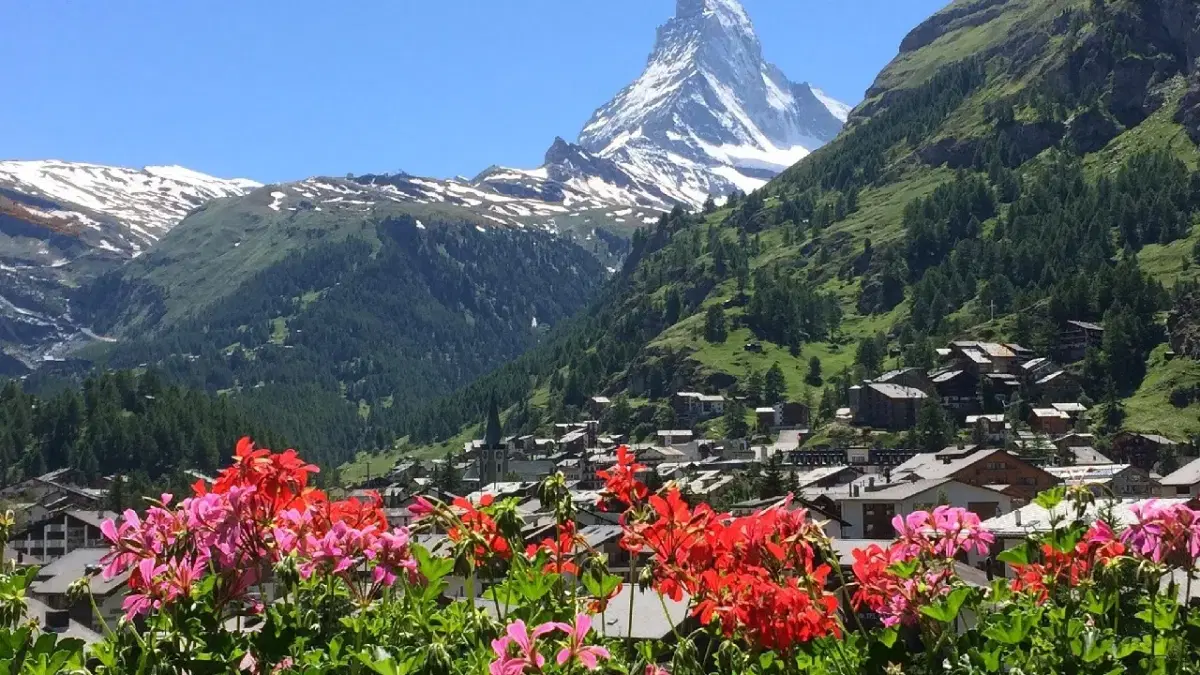
Spring represents the quietest and most budget-friendly season to visit Zermatt. This transitional period recedes the snow cover from the village paths, and wildflowers slowly start to bloom at lower elevations. The higher elevations still maintain powdery white snow, where one can enjoy snow activities.
Weather Characteristics:
- Temperature range: -10°C to 0°C (March) and gradually warming to 0-10°C (May)
- Daylight hours: Rapidly increasing from 11 to 15 hours throughout the season
- Visibility: Moderate
- Snow conditions: Good skiing conditions at higher elevations
Seasonal Highlights:
- Zermatt Unplugged: International acoustic music festival (April 7 to 11, 2026.)
- Spring Hiking & Wild Flowers: While higher trails remain snow-covered, lower-altitude paths like the hike from Zermatt to Zmutt begin to clear in April and May. Look for early blooms such as Crocuses, Violets, and the vivid blue Spring Gentian on the hills around the village.
- Al Fresco Dining: Terrace culture becomes peak in spring. Popular mountain restaurants like Chez Vrony and Stafelalp offer sunny outdoor seating with clear views of the Matterhorn.
Best Time to Visit Zermatt Based on Travel Type
Travel Type | Best Months | Key Features |
Budget Travel | April - May, September - October | Lower accommodation rates, fewer crowds, pleasant weather |
Winter Sports Based Travel | December - March | Guaranteed snow, cross-border skiing to Italy is also available |
Hiking Enthusiastic Travel | June - September | 400km of trails, comfortable temperatures, longest daylight hours |
Photography Enthusiastic Travel | September, January - February | Excellent visibility, stunning Matterhorn views |
First-Time Travel | July - August, December - January | Best weather, all attractions remain available |
Luxury Travel | July - August, December - February | 5-star hotels, exclusive gourmet mountain restaurants |
Family Friendly Travel | July - August, December - January | School holidays, diverse activities, beginner-friendly ski areas, and long days |
Best Time to Visit for Famous Swiss Dishes & Souvenirs
Anytime is a good time for tasting the famous dishes and going shopping in Zermatt. Here are some of the best dishes and souvenirs that you could explore:
Traditional Swiss Food to Try in Zermatt
- Swiss Fondue: Traditional melted cheese dish served in mountain restaurants and village eateries.
- Raclette: Melted cheese scraped over potatoes, a quintessential Swiss Alps speciality available at traditional restaurants throughout Zermatt.
- Viande Sechee: Air-dried beef from the Valais region, a local delicacy perfect as an appetiser or hiking snack.
- Rosti: Crispy potato pancake often served as a side dish or topped with cheese and eggs for a hearty mountain meal.
Best Souvenirs to Buy
- Valais Wines: Local wines from the Valais region.
- Matterhorn Memorabilia: Locally crafted souvenirs featuring the iconic peak.
Annual Festivals & Events in Zermatt
Winter Events in Zermatt
- Christmas Markets (December): Festive atmosphere throughout the village with traditional Swiss crafts, food and holiday decorations.
- Zermatt Unplugged (April): International acoustic music festival featuring renowned artists performing in unique mountain venues.
Summer Cultural Festivals in Zermatt
- Zermatt Festival (August–September): Classical music performances in unique alpine settings, featuring world-class orchestras and soloists.
- Folklore Evenings (Summer): Traditional Swiss music and cultural performances celebrating Valais heritage.
Final Verdict: When Is the Best Time to Visit Zermatt?
In the end, the best time to visit Zermatt depends entirely on your priorities and what you wish to experience. Winter transforms the village into a snowy paradise with a backdrop of the iconic Matterhorn, while summer reveals lush hiking trails and breathtaking panoramic views. Spring and autumn offer exceptional value with significantly lower costs and fewer crowds.
Plan Your Zermatt Trip!
Whatever may be your priority, our travel professionals have you covered with our all-customisable Switzerland tour package. Our packages are designed to help you experience Zermatt's magic in the best deals.
Explore More of Zermatt
Book our completely customizable Zermatt Tour Packages, for your hassle-free Zermatt Trip!
To help you plan the perfect trip, dive deeper into our specific guides:
Zermatt Travel Guide | Best Places to Visit in Zermatt | Top Things to do in Zermatt
FAQs
What is the best month to visit Zermat?
It is entirely based on your own set of interests. Travellers generally prefer to visit Zermatt by July to August, that presents the warmest weather, longest daylight hours and optimal conditions for adventure activities.
What is the budget friendly time to visit Zermatt?
April–May and September–October offer the most budget-friendly opportunities. November is the quietest and the least expensive month. These months offer:
- The lowest accommodation costs are the peak season.
- Flight prices from India to Zurich or Geneva are typically lower during these periods.
- The Swiss Travel Pass offers better value with discounts on mountain railways.
Can you visit Zermatt in one day from Zurich or Geneva?
Yes, but it requires early departure and careful planning. The train journey from Zurich takes approximately 3.5 hours, while Geneva is about 3 hours away via Visp. For a more relaxed experience, consider staying overnight in Zermatt or in Tasch.
What to wear in Zermatt in Summer?
Despite being summer, temperatures in Zermatt village range from 8-17°C, and drop significantly at higher elevations (0-10°C at viewing platforms). Essential items include: A warm jacket or fleece, layered clothing for changing conditions, comfortable hiking shoes with good grip, sunglasses, sunscreen, a hat for sun protection and a light rain jacket for afternoon thunderstorms.
What is the best time of day to visit Matterhorn viewpoints?
Early morning offers the clearest visibility. The first Gornergrat train departs around 7:00 AM, reaching the summit by 7:30 AM. Midday (11:00 AM-2:00 PM) provides the warmest temperatures and best lighting for photography. For sunset photography, September and early October offer spectacular golden hour lighting without excessive afternoon cloudiness.