
Best Time to Visit Phuket in 2026: Weather, Seasons, Crowds & Travel Tips

Phuket is one of the most beloved travel destinations in Thailand. But before planning your trip, it’s important to know the best time to visit Phuket for the kind of vacation you wish to experience. The island experiences different seasons throughout the year, each offering a unique travel experience. While the dry season from November to April is considered the best time, the monsoon months also have their own charm with fewer crowds and budget-friendly stays. From island-hopping adventures and water activities in the peak season to peaceful beaches and cultural festivals, you plan your Phuket Packages according to your wishes with us.
Phuket’s 3 Main Travel Seasons at a Glance
Are you looking for the perfect weather to visit Phuket? This guide will help you discover the ideal time to explore Phuket.
| Season | Months | Temp Range | Rainfall | Crowds | Best For |
| Dry Season | Nov – Feb | 24°C – 32°C | Very low | High | Beach holidays, diving, honeymooners |
| Hot Season | Mar – May | 28°C – 36°C | Low–Moderate | Moderate | Festivals, deals, surfers |
| Monsoon Season | Jun – Oct | 25°C – 32°C | High | Low | Budget travellers, surfers, culture seekers |
Best Time to Visit Phuket: November to February (Dry Season)
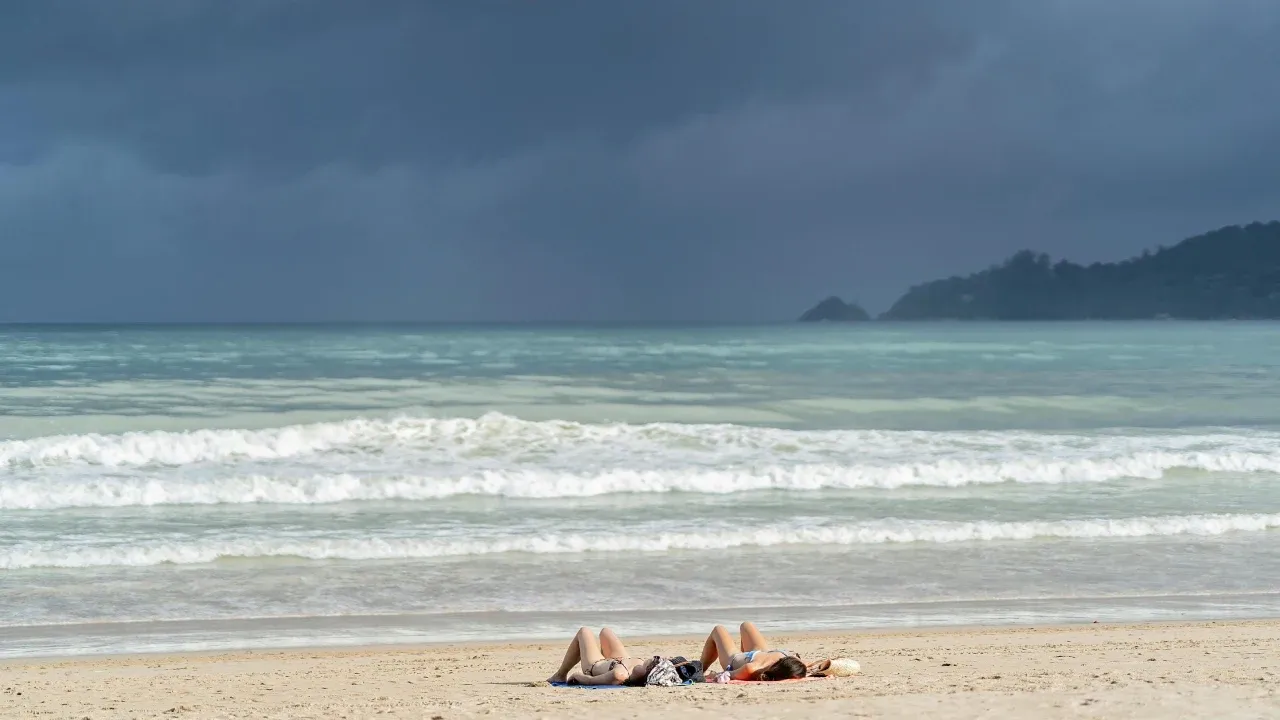
These months are when Phuket is at its most postcard-perfect landscape. This is the island’s dry season, when sunny skies, low humidity, and calm turquoise waters create near-perfect beach weather. The weather is ideal for island hopping, snorkelling, sunset cruises and long afternoon strolls on beaches like Patong Beach or Kata Beach.
Visiting Phuket in November: Best Weather Without Peak Crowds
Phuket in November marks the beginning of the dry season, as the late October rains gradually fade away. The island enjoys warm temperatures, lower humidity and calmer sea conditions, making it an excellent time for beach holidays and island tours. Crowds remain moderate compared to the busy December–January period. Hotel rates are typically 30–40% lower than peak season prices, offering excellent value for money.
- Best for: First-timers, couples, anyone who hates queuing for a sunlounger.
- Travel tip: Early November may still experience occasional short showers, but weather conditions improve significantly by mid-month.
Phuket in December & January: Peak Tourist Season Explained
These months are the most popular time to visit Phuket. With sunny skies, low humidity and calm turquoise waters, December to January are ideal for island hopping, beach days, snorkelling and sunset cruises. Popular spots like Patong Beach and Phi Phi Islands are at their busiest during this period, especially around Christmas and New Year’s celebrations.
- Best for: families, diving enthusiasts, couples on a honeymoon splurge.
- Travel tip: Book hotels and tours several months ahead if travelling between late December and early January.
Phuket in February: The Driest Month
Phuket in February is widely considered the driest month of the year. During this month, Phuket enjoys warm temperatures, low humidity and very little rainfall, making it ideal for island hopping, snorkelling and long days by the sea. The calm waters around the Andaman coast are clear during February and offer excellent conditions for diving trips to nearby islands like Phi Phi Islands and Similan Islands.
- Best for: Divers, honeymooners, beach lovers, and island hoppers.
- Travel tip: Reserve diving tours and premium resorts early, as February remains one of Phuket’s most in-demand travel months.
Phuket from March to May: Hot Season & Shoulder Travel Deals

March to May in Phuket is the underrated season. It is one of the best times to visit Thailand if you enjoy quieter beaches, better hotel deals, and a slow island atmosphere. The month brings warmer temperatures, with sunny days and a calm sea, perfect for swimming, island hopping, snorkelling and sunset cruises.
Phuket in March: Last Month of the Dry Season
March in Phuket marks the tail end of the dry season before the tropical rains begin to arrive. During this month, you can expect long sunny days, warm turquoise waters and ideal beach weather across the island’s famous coastline. The sea is usually calm, making it perfect for island-hopping tours, snorkelling, diving and sunset cruises.
- Best for: Couples, divers, island hoppers, shoulder-season travellers.
- Travel tip: Midday temperatures can feel intense, so outdoor activities are best planned during mornings or evenings.
Phuket in April: Songkran Festival & Surfing Season
April in Phuket comes alive during Songkran, when streets turn into giant water fights filled with music and local celebrations. Beyond the festivities, April also brings excellent waves to Phuket’s west coast, attracting surfers to beaches for warm-water sessions under tropical skies.
- Best for: Festival lovers, adventurous travellers, surfers.
- Travel tip: Stay hydrated and book accommodation early if visiting during Songkran week.
Visiting Phuket in May: Lower Prices & Fewer Tourists
Phuket in May is a sweet spot between the high tourist season and the quieter rainy months, making it an appealing time for budget-conscious travellers. As the island shifts from the busy dry season into the greener months, one can enjoy fewer crowds at beaches, easier restaurant bookings, and attractive hotel deals across many popular areas. The month comes with plenty of sunshine mixed with short tropical showers, followed by fresh coastal breezes.
- Best for: Budget travellers, relaxed holidays, couples, and off-season explorers.
- Travel tip: Keep flexible outdoor plans, as rain showers can appear unexpectedly during the afternoon.
Phuket Monsoon Season Guide: June to October
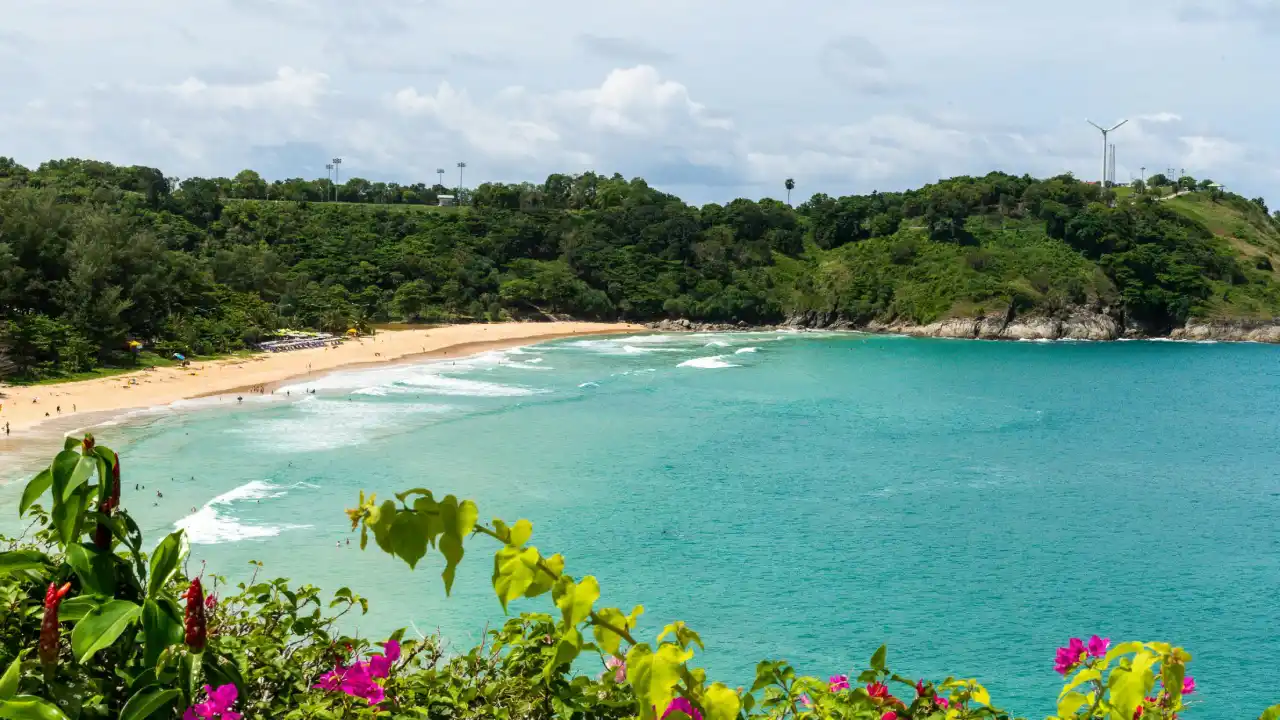
June to October brings the monsoon season. These months are quieter and a more budget-friendly time to travel. While short rain showers are common, they often leave behind lush green landscapes, cooler temperatures, and a refreshing atmosphere.
Phuket in June & July: Budget-Friendly Travel During Monsoon
June and July bring the monsoon season, but travel during these months can still be quite enjoyable if you plan wisely. The rains usually arrive in short bursts, leaving plenty of time to explore. The landscapes turn lush and green, and the cooler temperatures offer relief from the summer heat. While occasional downpours may cause minor delays, the season also means fewer crowds, peaceful sightseeing, and better hotel deals in many destinations.
- Best for: Surfers, budget travellers, slow travellers and peaceful holidays.
- Travel Tip: Carry a light rain jacket or umbrella to comfortably enjoy the fresh atmosphere and scenic beauty.
Phuket in August: Rainy Season Travel Tips
August in Phuket brings frequent tropical showers. However, it can be rewarding for budget-friendly travellers if they can manage the little rain. The island feels calmer and less crowded, beaches look dramatic under cloudy skies, and hotel prices are often lower than during peak season. Rain usually comes in short bursts rather than lasting all day, leaving plenty of time to explore local markets, enjoy fresh seafood or relax at beachfront cafes.
- Best for: Budget travellers, cafe lovers, relaxed holidays, slow travel.
- Travel tip: Plan a mix of indoor and outdoor activities to stay flexible around weather conditions.
Phuket in September: The One Month to Reconsider
Phuket in September is statistically the wettest month. The month brings frequent rain showers, rougher seas and unpredictable beach days. Boat trips to Phi Phi and Similan Islands are frequently cancelled due to rough sea conditions. If your dream Phuket itinerary involves crystal-clear waters, long sunny beach days, and smooth boat trips to nearby islands, you might reconsider your Phuket trip in September.
- Best for: Indoor relaxation, flexible itineraries.
- Travel tip: Avoid September if your trip priorities include diving, clear waters and reliable sunshine.
Phuket in October: Best Time for Festivals & Hotel Deals
Phuket in October marks a gentle transition from the rainy season into a fresh new travel period. The month brings quieter beaches, lush green hills and cooler air. The occasional tropical showers are followed by beautiful skies and refreshing weather. This is an ideal time for travellers seeking a more relaxed Phuket experience with fewer tourists, attractive hotel deals, and uncrowded attractions. This is also the month when Phuket celebrates its Vegetarian Festival.
- Best for: Cultural travellers, photographers, budget travellers, and festival lovers.
- Travel tip: Late October typically offers better weather than early October, making it ideal for shoulder-season travel.
Phuket Month-by-Month Weather Guide (2026)
| Month | Weather | Crowds | Price Level | Verdict |
| January | Sunny | Very High | Peak | Ideal — book early |
| February | Driest | High | High | Best overall month |
| March | Hot | Moderate | Moderate | Good if you beat the midday heat |
| April | Hot, humid | Moderate | Moderate | Great for the Songkran festival |
| May | Transition | Low | Low–Mod | Good deals, watch Similan closure |
| June | Wet mornings | Low | Low | Budget-friendly, surf season |
| July | Mixed | Low | Low | Good for surfers & savers |
| August | Rainy aft. | Low | Low | Manageable with an indoor plan |
| September | Wettest | Very Low | Lowest | Avoid if possible |
| October | Improving | Low | Low | Vegetarian Festival gem |
| November | Excellent | Moderate | Moderate | Best value + great weather |
| December | Perfect | Very High | Highest | Peak — book months ahead |
If you are still choosing between destinations, comparing Phuket vs Krabi can be helpful. Both regions share a similar travel season while offering completely different experiences.
Phuket Travel Tips by Season
Thailand Visa Tips for Indian Travellers: Indian passport holders can get a Thailand visa on arrival or an e-visa. Processing is typically smooth, but apply at least 2 weeks ahead during peak season.
• Best Flights to Phuket from India: Phuket Airport (HKT) has direct flights from Delhi, Mumbai, and Bangalore via Thai Airways, IndiGo, and Air Asia.
• Similan Islands closure dates: Similan Islands are closed from May 16 to October 15 each year. If diving is your primary reason for visiting, stay within the dry season window.
When you are ready to plan, our Thailand holiday packages let you fully customise your Phuket trip across dates, budget, and travel style — no fixed templates.
Final Verdict: What is the Best Time to Visit Phuket?
The best time to visit Phuket is between November and April, when the weather is sunny, pleasant, and ideal for beach activities, island hopping, and water sports. During these months, travellers can enjoy calm seas, vibrant nightlife and stunning sunsets without worrying much about heavy rainfall. However, if you prefer fewer crowds and budget-friendly stays, the monsoon season from May to October can also be a good option.
Frequently Asked Questions
What is the best month to visit Phuket?
February is statistically Phuket's driest month, with fewer rainy days than any other. Weather-wise, it's the most reliable — and slightly less crowded than January. November is the best value month: dry-season weather at pre-peak prices.
Is Phuket worth visiting during the monsoon season?
Yes, with the right expectations. June, July, and August offer mornings that are often clear enough for beach use. Afternoon showers are short and sharp. Hotel rates drop 40–50%, and the island feels more like itself without peak-season crowds. September is the exception — that one's genuinely better to skip.
What is the cheapest month to visit Phuket?
June through September offers the lowest hotel and flight prices. September is the cheapest but also the wettest. October provides a solid balance — prices are still low, the weather is improving, and the Vegetarian Festival adds cultural depth.
Can you swim in Phuket during the rainy season?
On the east coast beaches (like Ao Chalong, Panwa) and some sheltered northern spots (Bang Tao, Nai Harn), swimming is possible even during the monsoon. The west coast — Patong, Kata, Kamala — can see rough waves from May onwards. Pay attention to red flags on the beach, which indicate unsafe conditions.
When is Phuket's peak season?
Mid-December through late January is true peak season — highest prices, largest crowds, best weather. The Christmas–New Year window (Dec 20 – Jan 5) carries a 100–200% hotel price premium over standard high-season rates.
Is November a good time to visit Phuket?
One of the best, especially for value. The rains end by mid-November, the sea calms down quickly, and you get dry-season conditions at pre-peak prices. November also avoids the Similan Islands' closed period. Read our dedicated guide on Phuket in November for event info and timing tips.