
- Home
- Attractions
- Bali
- Garuda Wisnu Kencana Cultural Park Bali 2026: Tickets, Timings & Things to Do
Garuda Wisnu Kencana Cultural Park Bali 2026: Tickets, Timings & Things to Do
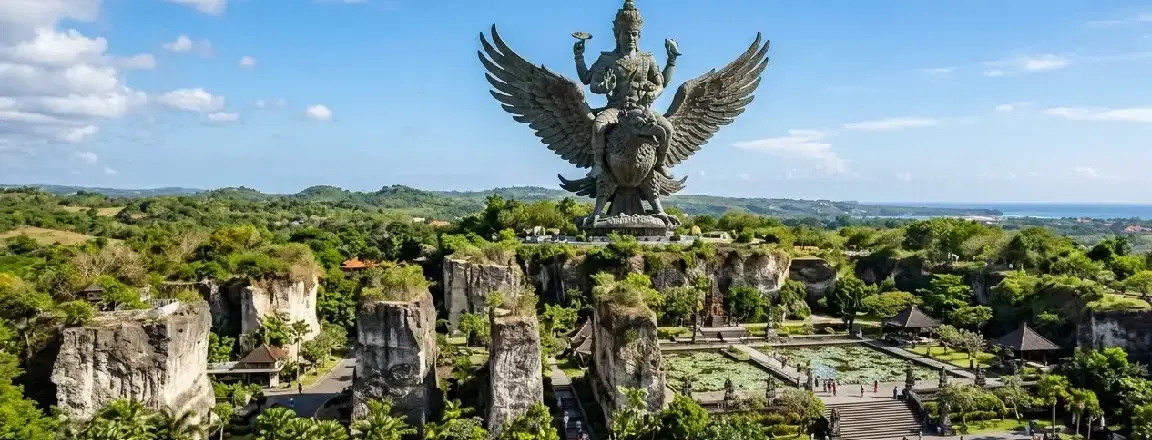
Garuda Wisnu Kencana Cultural Park is a cultural attraction in Ungasan, South Bali. It is famous for its 122-metre Garuda Wisnu Kencana statue, Balinese performances, Lotus Pond and large open-air plazas. The park combines Hindu mythology, Balinese art and live cultural entertainment, making it a popular stop for families, couples and travellers exploring South Bali.
A typical visit takes around 2–3 hours, although you'll need more time if you want to attend performances or book one of the statue experiences. This guide covers everything you need to plan your visit, including GWK Cultural Park Bali ticket prices, opening hours, things to do, how to reach the park and the best time to visit.
GWK Cultural Park Bali at a Glance
Information | Details |
| Location | Ungasan, South Bali |
| Opening Hours | 9:00 AM–9:00 PM daily |
| Ticket Prices | From IDR 150,000 (₹810) |
| Famous For | 122-metre Garuda Wisnu Kencana statue and Balinese cultural shows |
| Best Time to Visit | 3:30 PM–4:00 PM |
| Ideal Duration | 2–3 hours |
| Experiences | Statue viewing, cultural performances, Lotus Pond, art spaces and upper-statue tours |
| Suitable For | Families, couples, photographers and culture lovers |
Note: Some special or bundled tickets may cost more than the base entry ticket.
Why Visit Garuda Wisnu Kencana Cultural Park?
GWK Cultural Park is one of the most popular cultural attractions in Bali that seamlessly blends ancient mythology, colossal modern engineering, and deep cultural roots. It offers an experience that connects the past with the present. Here is why this cultural marvel deserves a top spot on your Bali tour packages.
- Marvel at the Garuda Wisnu Kencana Statue: See the 122-metre-tall Garuda Wisnu Kencana statue and admire Nyoman Nuarta’s intricate copper and brass craftsmanship.
- Discover Balinese Hindu Culture: Learn about Lord Vishnu and Garuda while exploring how ancient Indian mythology is interpreted through Balinese art and traditions.
- Capture Scenic Views: Take photos at Lotus Pond, admire the park’s sculptures, and enjoy panoramic South Bali views, especially around sunset.
- Enjoy Cultural Performances: Watch the Kecak Dance, Garuda Wisnu Ballet, and traditional Legong performances showcasing Bali’s rich cultural heritage.
What to See and Do at GWK
From the towering Garuda Wisnu Kencana statue to traditional Balinese performances, GWK Cultural Park offers plenty to explore. Here are the main attractions and experiences to include in your visit.
See the Garuda Wisnu Kencana Statue.
Admire the 122-metre-tall Garuda Wisnu Kencana statue, one of Bali’s most recognisable landmarks. Walk around its base to see the intricate details and take photographs from different viewpoints.
- Price: Included with park entry
- Timings: 8:00 AM–9:00 PM
- Ideal duration: 30–45 minutes
Watch Traditional Balinese Cultural Performances
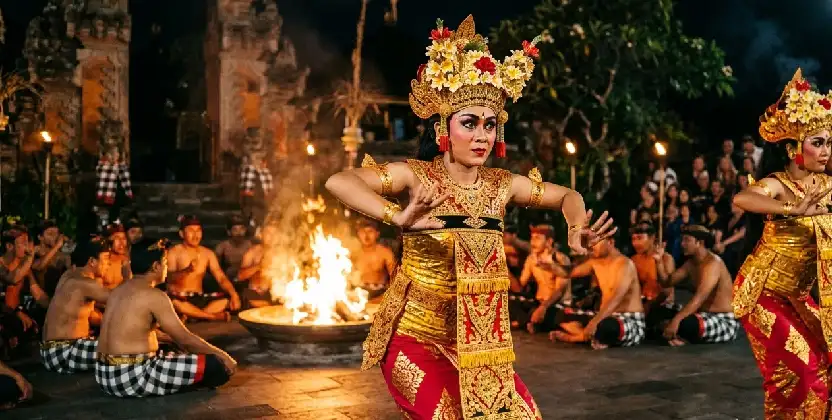
Watch live Kecak, Legong and Garuda Wisnu Ballet performances at GWK Cultural Park. These shows bring Balinese mythology, traditional music and storytelling to life.
- Price: Included with park entry
- Timings: Performance timings vary by day
- Ideal duration: 30–60 minutes
Explore Lotus Pond and Main Plaza.
Walk through Lotus Pond, one of GWK’s most striking open spaces, surrounded by towering limestone pillars. Explore the surrounding plazas and enjoy the dramatic setting for photographs.
- Price: Included with park entry
- Timings: 8:00 AM–9:00 PM
- Ideal duration: 30–45 minutes
Visit the Upper Sections of the Statue
Get closer to the upper sections of the Garuda Wisnu Kencana statue and enjoy views across the surrounding area. Check the latest access rules, timings and ticket inclusions before planning this experience.
- Price: IDR 350,000–400,000 (₹1,890–₹2,160) for the statue
- Timings: Subject to tour schedule and availability
- Ideal duration: 60–90 minutes
Explore Art and Exhibition Spaces
Explore exhibitions and artworks that explain Balinese culture, Hindu mythology and the story of GWK. These spaces offer more context about the sculptures, traditions and performances found throughout the park.
- Price: Included with park entry
- Timings: During park operating hours
- Ideal duration: 30–45 minutes
Garuda Wisnu Kencana opening hours 2026
The Garuda Wisnu Kencana (GWK) Cultural Park is open daily from 9:00 AM to 9:00 PM.
The GWK park remains open year-round, including on public holidays. However, it does experience scheduled closures for major festivals in Bali, such as being closed for Nyepi (Bali's Day of Silence).
Garuda Wisnu Kencana Cultural Park Entrance Fee
The Garuda Wisnu Kencana Cultural Park entrance fee varies depending on whether you want basic park access, a cultural performance, or an experience at the upper levels of the Garuda Wisnu Kencana Statue.
Ticket / Experience | Indicative Price (IDR) | Price (INR) | Includes |
| Standard Entry | From IDR 150,000 | From ₹810 | Park access, ASANA Artseum and scheduled cultural performances |
| Entry + Barong Show | From IDR 200,000 | From ₹1,080 | Standard entry + selected Barong performance |
| Barong Show Only | IDR 100,000–125,000 | ₹540–₹675 | Evening Barong performance only |
| Statue Experience | Around IDR 350,000–400,000 | ₹1,890–₹2,160 | Park entry + guided access to the upper levels of the statue, typically including the 9th and 23rd floors |
| Buggy Shuttle | Around IDR 40,000 | ₹216 | Round-trip buggy transport within the park, per person |
Note: Ticket names, inclusions and prices can change depending on the date, booking channel and experience availability. Check the official booking information before visiting.
GWK Cultural Park Shows & Performance Timings
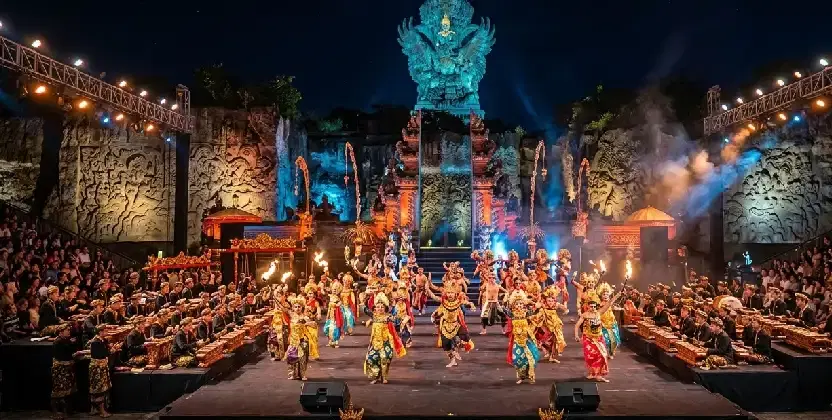
Watching a cultural performance is one of the highlights of visiting GWK Cultural Park. The park hosts a rotating programme of Balinese dance, music and theatrical performances across its venues, with the exact line-up and timings subject to change. The official schedule currently lists around 15 cultural performances.
Performance | What to Expect | Timing |
| Kecak Garuda Wisnu Kencana | A GWK adaptation of the traditional Kecak dance, telling the story of Garuda and Lord Wisnu through rhythmic chanting and dance | 6:00 PM daily |
| BarAong Show | An evening theatrical performance inspired by Balinese mythology, combining dance, music, lighting and storytelling | 6:00 PM on selected dates |
| Balinese Cultural Performances | Rotating traditional Balinese dances and musical performances presented across the park's venues | Check the daily schedule |
| Garuda Wisnu Ballet | A mythology-inspired dance performance based on the story of Garuda and Wisnu | Check the daily schedule |
| Other Cultural Shows | The programme can include dances, music, parades and other cultural performances | Check the daily schedule |
What to Know Before Planning Around the Shows
- The Kecak Garuda Wisnu Kencana performance is currently listed by GWK at 6:00 PM every day at the Lotus Pond and runs for approximately 45 minutes.
- The BarAong Show is a separate evening production at the Amphitheatre. GWK currently lists it at 6:00 PM and notes that it is available only on selected dates.
- For the other cultural performances, avoid planning your itinerary around a fixed time unless it has been checked against the official schedule for your visit date. GWK's programme includes multiple performances throughout the day and can be updated.
Tip: Check the official GWK Cultural Park performance schedule on the day of your visit, especially if a particular dance or show is a priority.
Best Time to Visit Garuda Wisnu Kencana Cultural Park
Late afternoon is a practical time to visit GWK if you want to combine sightseeing with sunset and evening performances. Arriving around 3:30–4:00 PM gives you time to explore before the evening programme begins.
Best Time of Day to Visit GWK
- 3:30 PM–5:30 PM – Explore and Take Photos: The softer afternoon light is ideal for photographing the Garuda Wisnu Kencana statue, Lotus Pond and limestone formations. The cooler weather also makes walking around the open-air park more comfortable.
- 5:30 PM–6:30 PM – Enjoy Sunset Views: GWK’s elevated location in Bali’s Bukit Peninsula offers views across the surrounding landscape. Arriving before sunset gives you time to find a good viewpoint and enjoy the changing evening light.
- 6:30 PM onwards – Watch Evening Performances: If the schedule includes an evening Kecak Dance, staying until sunset and beyond lets you experience one of the park’s popular cultural performances in a cooler setting.
Best Months to Visit GWK
- April to October – Dry Season: These months generally bring less rainfall and more suitable conditions for exploring GWK’s large outdoor spaces. However, occasional showers can still occur.
- March – Nyepi: GWK Cultural Park closes during Nyepi, Bali’s Day of Silence. Since the date changes each year according to the Balinese calendar, check the park’s latest operating schedule before planning your visit.
Best Time Based on What You Want to Do
If you want to... | Consider visiting |
| Explore the park comfortably | Morning |
| Take photos | Morning or late afternoon |
| Avoid the strongest heat | Late afternoon |
| Watch the sunset | Late afternoon |
| Attend evening performances | Afternoon onwards |
| Combine with Uluwatu | Afternoon |
Tip: Visit in the morning for comfortable sightseeing or arrive in the afternoon for sunset and evening performances.
GWK Cultural Park Events in 2026
GWK Cultural Park hosts regular cultural performances alongside special programmes and celebrations throughout the year.
- Upcoming Events: No specific upcoming 2026 event should be listed unless its date and programme have been officially confirmed by GWK.
- Regular Cultural Performances: Visitors can experience Balinese dance, music and other cultural performances as part of GWK's regular programme. Performance schedules can change, so check the official daily programme before visiting.
- Special Events: GWK may host special programmes for festivals, national celebrations and major occasions throughout the year. Check the official GWK event calendar for confirmed dates and programmes before planning your visit.
How to Reach Garuda Wisnu Kencana Cultural Park Bali
Garuda Wisnu Kencana (GWK) Cultural Park is located in Ungasan, South Bali, making it easy to combine with other attractions in Uluwatu, Jimbaran and Nusa Dua. Travel time can vary depending on traffic, especially during peak hours.
- From Jimbaran: Around 15–20 minutes by car. It is a convenient short transfer and can be combined with a visit to Jimbaran Beach or a seafood dinner.
- From Nusa Dua: Around 20 minutes by car. GWK is an easy addition to a South Bali sightseeing itinerary.
- From Uluwatu: Around 20–25 minutes by car. Visiting GWK and Uluwatu on the same day can help reduce backtracking.
- From Seminyak: Around 45–60 minutes by car, depending on traffic. Allow extra travel time during busy periods.
Getting to GWK Cultural Park
You can reach GWK by private car or driver, taxi, Grab, Gojek or scooter. For a full day exploring South Bali, a private car with a driver can be more practical than booking separate one-way rides. You can keep the vehicle while travelling between GWK, beaches, Uluwatu and other nearby attractions.
Parking: The park has parking facilities for cars and scooters.
Nearby Places to Visit Near GWK Cultural Park
GWK Cultural Park is well placed for exploring South Bali, so you can combine your visit with nearby beaches, temples and coastal attractions. The best combination depends on what you want to experience and where you are staying.
- Uluwatu Temple – Culture and Cliff Views: Combine GWK with Uluwatu Temple if you want to explore two of South Bali’s major cultural attractions in one day. Visit the temple for its dramatic clifftop setting and stay for the sunset Kecak Dance performance.
- Melasti Beach – Beach, Culture and Photography: Pair GWK with Melasti Beach for a mix of cultural sightseeing and coastal scenery. The beach is known for its limestone cliffs, clear waters and scenic surroundings, making it a good stop for photographs and a relaxing break.
- Jimbaran Beach – Sightseeing and Sunset Dinner: GWK and Jimbaran Beach work well together if you want to finish your sightseeing day with a sunset seafood dinner by the beach. Its location also makes it a convenient option for travellers staying around Jimbaran.
- Nusa Dua – Resorts, Beaches and Water Sports: Add GWK to a Nusa Dua tour package if you are staying in or around the resort area. After visiting the park, you can spend the rest of the day exploring white-sand beaches, resorts and water-sports activities.
GWK Cultural Park Itinerary Options
Choose your route based on whether you want a full-day South Bali trip or a shorter afternoon visit to GWK.
Option A: South Bali Day Trip Starting at GWK
9:00 AM: Start at GWK Cultural Park
12:00 PM: Lunch in Ungasan
1:30 PM: Relax at Melasti Beach
4:00 PM: Visit Uluwatu Temple
5:30 PM: Watch the Kecak Dance
7:00 PM: Seafood dinner at Jimbaran Bay
Best for: Travellers who want to combine GWK with Melasti Beach, Uluwatu and Jimbaran in one day.
Option B: Afternoon GWK + Uluwatu Itinerary
3:30 PM: Arrive at GWK Cultural Park
3:30–5:30 PM: Explore the park, statue and cultural spaces
Late afternoon: Enjoy sunset views or a scheduled cultural performance.
Afterwards: Continue to Uluwatu.
Evening: Explore the area and have dinner at Jimbaran Bay
Best for: Travellers who want to visit GWK during the recommended late-afternoon window and keep the itinerary relaxed.
Tip: Check the latest GWK and Uluwatu performance schedules before your visit, as timings and programmes can change.
Essential Tips for Visiting Garuda Wisnu Kencana Cultural Park
- Wear Comfortable Walking Shoes: GWK is spread across a large, hilly area, so you will be doing plenty of walking between the main plazas, Lotus Pond and the statue. Wear comfortable, supportive shoes instead of flip-flops.
- Protect Yourself from the Sun: Much of the park is open-air, with limited shade. Carry sunscreen, sunglasses, a hat or umbrella, and apply sunscreen regularly.
- Use the Shuttle if Needed: If you are travelling with children, seniors or anyone who may find uphill walking tiring, consider using the park's shuttle service.
- Plan Around the Cultural Shows: Check the daily performance schedule before your visit.
- Dress Comfortably and Respectfully: Light, breathable clothing works well for Bali's warm weather.
- Book Tickets in Advance: Booking your GWK Cultural Park tickets online can make entry more convenient, especially during weekends, holidays and busy travel periods.
- Keep 2–3 Hours for GWK: Avoid rushing through the park. Allow enough time to see the Garuda Wisnu Kencana statue, Lotus Pond, plazas, cultural performances and exhibition spaces.
- Carry Rain Protection: Bali's weather can change quickly. A compact umbrella or lightweight rain jacket is useful, particularly during the wetter months.
Conclusion: Is Garuda Wisnu Kencana Cultural Park Worth Visiting in Bali?
Garuda Wisnu Kencana Cultural Park is worth visiting if you want to experience Bali beyond its beaches. The massive Garuda Wisnu Kencana statue, Balinese performances, cultural spaces and panoramic views make it a good fit for first-time visitors, families, couples and photography enthusiasts. Allow around 2–3 hours to explore the park without rushing.
If your Bali holiday is focused mainly on beaches or you have limited time, GWK may be less essential. However, for a South Bali itinerary, it is easy to combine with Melasti Beach, Uluwatu Temple and Jimbaran Bay, making it a practical cultural stop alongside the region's coastal attractions.
FAQs
1. What is Garuda Wisnu Kencana Cultural Park famous for?
A: Garuda Wisnu Kencana Cultural Park is famous for its 122-metre-tall Garuda Wisnu Kencana statue, Balinese cultural performances, landscaped plazas and scenic views of South Bali. The park combines Balinese Hindu mythology, art, architecture and live entertainment in one cultural attraction.
2. Where is Garuda Wisnu Kencana Cultural Park located?
A: Garuda Wisnu Kencana Cultural Park is located in Ungasan, South Bali. Its location makes it convenient to combine with nearby attractions such as Uluwatu Temple, Melasti Beach, Jimbaran Beach and Nusa Dua.
3. How much is the Garuda Wisnu Kencana Cultural Park entrance fee?
A: The regular entrance ticket to Garuda Wisnu Kencana Cultural Park is IDR 150,000 (approximately ₹810). Packages that include experiences such as the BarAong show or Top of the Statue Tour cost more, with prices ranging from around IDR 200,000 to IDR 400,000 depending on the package.
4. What are the opening hours of Garuda Wisnu Kencana Cultural Park?
A: Garuda Wisnu Kencana Cultural Park is open daily from 9:00 AM to 9:00 PM. The park generally operates year-round, although special closures can occur during major local events such as Nyepi, Bali's Day of Silence.
5. What can you see and do at Garuda Wisnu Kencana Cultural Park?
A: At GWK Cultural Park, you can see the massive Garuda Wisnu Kencana statue, explore Lotus Pond and the main plazas, watch Balinese cultural performances, visit art and exhibition spaces and take photographs around the park. Selected tickets also provide access to upper sections of the statue.
6. How long do you need at Garuda Wisnu Kencana Cultural Park?
A: You should allow 2–3 hours to explore Garuda Wisnu Kencana Cultural Park comfortably. Add more time if you want to watch cultural performances, visit the upper sections of the statue or explore the park at a relaxed pace.
7. What is the best time to visit Garuda Wisnu Kencana Cultural Park?
A: The best time to visit GWK Cultural Park is generally between 3:30 PM and 4:00 PM. This gives you time to explore before sunset, take photographs in softer afternoon light and potentially stay for evening cultural performances.
8. Is Garuda Wisnu Kencana Cultural Park worth visiting?
A: Garuda Wisnu Kencana Cultural Park is worth considering if you enjoy Balinese culture, architecture, photography and large-scale attractions. It is particularly convenient for travellers exploring South Bali, as it can be combined with Uluwatu Temple, Melasti Beach or Jimbaran Bay.
9. What cultural performances are held at GWK Cultural Park?
A: GWK Cultural Park hosts traditional Balinese performances, including Kecak Dance, Legong and Garuda Wisnu Ballet. Performance schedules can vary, so it is advisable to check the daily programme before visiting.
10. Can you go inside the Garuda Wisnu Kencana statue?
A: Yes, selected GWK ticket packages provide access to the upper sections inside the Garuda Wisnu Kencana statue. The Top of the Statue or Ultimate package may include access to areas such as the 9th and 23rd floors, subject to the latest tour schedule and availability.
11. How tall is the Garuda Wisnu Kencana statue?
A: The Garuda Wisnu Kencana statue is approximately 122 metres tall, including its pedestal. It depicts the Hindu deity Lord Vishnu riding the mythical Garuda and is one of Bali's most recognisable landmarks.
12. How do you get to Garuda Wisnu Kencana Cultural Park?
A: You can reach GWK Cultural Park by private car, taxi, Grab, Gojek or scooter. Hiring a private car with a driver can be convenient if you plan to visit several South Bali attractions on the same day. The park also has parking facilities for cars and scooters.
13. What should you wear to Garuda Wisnu Kencana Cultural Park?
A: Wear light, breathable clothing and comfortable walking shoes when visiting GWK Cultural Park. Since much of the park is outdoors, carry sunscreen, sunglasses and a hat. Respectful clothing is recommended when visiting cultural spaces and attending traditional performances.
14. Can you visit GWK Cultural Park without watching a performance?
A: Yes. You can explore the park, see the Garuda Wisnu Kencana statue, visit the cultural areas and enjoy the views without attending a performance. However, checking the daily schedule is useful if you want to include a traditional Balinese dance show.
15. Is GWK Cultural Park suitable for children and older travellers?
A: Yes, but plan your visit around the park’s size and walking areas. Children can enjoy the large statue, cultural performances and open spaces, while older travellers may prefer using available shuttle services and taking regular breaks. Comfortable footwear and avoiding the hottest part of the day can make the visit easier.