
Traditional Balinese Dance Shows You Must Experience in Bali 2026
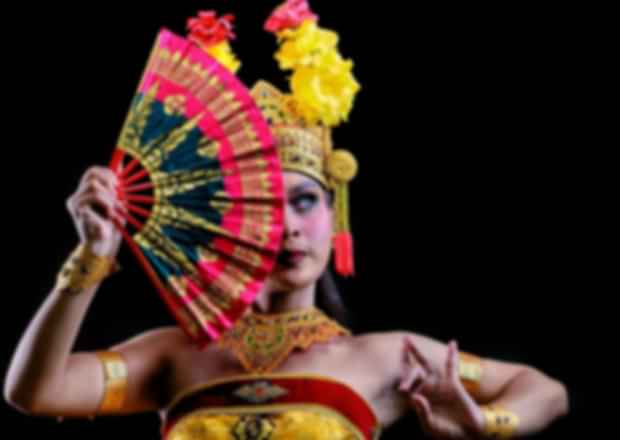
The best way to understand Bali isn’t through its beaches or temples, but through its stories. A traditional Balinese dance brings those stories to life with graceful movements, elaborate costumes, and the rhythmic sounds of the gamelan orchestra, reflecting the island’s mythology, spirituality, and centuries-old traditions. Whether you’re watching the dramatic Kecak Fire Dance at Uluwatu, the elegant Legong Dance in Ubud, or the captivating Barong Dance, every performance offers a deeper connection to Balinese culture. If you are planning your trip through Bali tour packages, this blog will come in handy as it covers the iconic Balinese dance performances, where to watch them, ticket prices, timings, and tips to experience Bali’s cultural heritage in 2026.
Popular Traditional Balinese Dance Shows at a Glance
| Traditional Balinese Dance | Best For | Location |
| Kecak Fire Dance | Sunset views, chanting, and Ramayana storytelling | Uluwatu Temple |
| Legong Dance | Classical Balinese art and graceful movements | Ubud Palace |
| Barong & Keris Dance | Mythology, storytelling, and cultural performances | Batubulan Village |
| Kecak Fire and Trance Dance | Intimate temple atmosphere and traditional rituals | Pura Dalem Taman Kaja, Ubud |
| Gambuh Dance | Ancient Balinese traditions and classical dance heritage | Batuan Village |
Reasons to Experience Traditional Balinese Dance in Bali
Classical Balinese Dance is more than just a form of entertainment; it’s sacred and linked to the religious life of the island. Every eye, hand, and body movement is deliberate and filled with spiritual meaning. The costuming, headdresses and music are part of a complex stage design and context that takes audience members into an ancient Balinese world. Many traditional performances are held within temple complexes, making them an important part of Bali’s cultural and spiritual experience.
Adding a dance performance to your Bali itinerary gives you a chance to experience the island’s traditions beyond beaches and sightseeing.
Sacred Balinese Dances and Tourist Shows: Know the Difference
| Type of dance | Description | How it’s scheduled | How to experience it |
| Tourist-oriented temple dance shows | Dances like Kecak, Legong, and Barong are performed daily or several times a week specifically for visitors. | Fixed schedules with advertised showtimes; runs most days of the week. | Buy a ticket, take a seat, and watch the performance like a cultural show. |
| Ceremonial temple dances | Dances like Sanghyang Dedari and Rejang are part of real temple rituals, not designed as tourist shows. | No fixed schedule; performed during actual ceremonies and temple events. | You may see them if you happen to be in a village during a ceremony; there is no ticket counter or guarantee. |
| Booking & Visitor Expectations | Tourist shows are organised, repeatable experiences created for visitors. | Can be pre-booked through venues, agents, or online. | Ceremonial dances cannot be booked; treat them as a privilege to observe, not a standard tourist attraction. |
Best Traditional Balinese Dance Performances to Watch in Bali (2026)
- Kecak Fire Dance at Uluwatu Temple: Bali’s Most Iconic Sunset Performance
Known as one of Bali’s most famous traditional dances of Balinese temples, the Tari Kecak Fire Dance is an incredible ceremony that fuses chanting, rhythms, and theatrics together. Performed at sunset and with the dramatic cliffs of Uluwatu as a backdrop, you can expect to be mesmerised by storytelling from the Ramayana. The sound of 50+ men chanting “cak-cak” at the same time is such an atmosphere you will never forget.
- Best Time to Watch: Arrive 30 to 45 minutes before the 6:00 PM performance to secure a good seat and enjoy the sunset over Uluwatu Temple. Show timings may vary during religious ceremonies.
- Entry Fee: IDR 150,000 per person (approx. ₹810). Tickets are available at the temple entrance.
- Cultural Insight: Uluwatu is a sacred temple, so dress modestly. Sarongs are provided at the entrance, and flash photography should be avoided during the performance.
2. Legong Dance at Ubud Palace: Experience Bali’s Classical Dance Tradition
The Legong Dance is well-known for its grace, modesty, and elegance. True to the refined choreography, the Legong Dance is usually performed by a few young female dancers dressed in elegant costumes with elaborate headpieces. The graceful movements of Legong Dance capture your attention as the dancers synchronise their movements to the sounds of the gamelan (traditional Balinese orchestra). The classical Balinese dance performance depicts two aspects of secret courtship, with a few mythical battles thrown in as well. The unique experience of the performance at Ubud Palace, surrounded by traditional architecture, is irreplaceable.
- Best Time to Watch: Performances begin at 7:30 PM daily. Arrive 20 to 30 minutes early for better seating and clearer views of the stage.
- Entry Fee: IDR 100,000 per person (approx. ₹540). Tickets can be purchased at the palace entrance.
- Cultural Insight: Reading the storyline before the performance makes it easier to understand the characters and movements. English summaries are often available at the venue.
3. Barong & Keris Dance in Batubulan Village
The Barong & Keris dance performance is a symbolic battle of good (Barong) versus evil (Rangda). Each portrayal of Barong and Rangda has unique masks and costumes and often dramatic movements. To enhance the Barong & Keris experience, in each performance, the Keris Dance is often the final climax of this classical performance. It’s where the performers are put into a trance and perform symbolic trance rituals involving traditional daggers.
- Best Time to Watch: Most performances begin around 9:30 AM, making them easy to combine with nearby sightseeing.
- Entry Fee: IDR 120,000 per person (approx. ₹650). Tickets are available at the performance venue.
- Cultural Insight: The trance scenes are an important part of Balinese spiritual traditions and should be watched respectfully without interrupting the performers.
4. Kecak Fire and Trance Dance at Pura Dalem Taman Kaja Ubud
This is a smaller, more intimate version of the Kecak performed in a temple courtyard in central Ubud. It combines the rhythmic Kecak chant with elements of the Sanghyang trance tradition, including a dramatic fire performance where a dancer moves through burning coconut husks while in a trance.
- Best Time to Watch: Performances are usually held on Wednesday and Saturday evenings around 7:00 PM. Check the schedule locally before visiting, as timings may change.
- Entry Fee: Around IDR 100,000 per person (approx. ₹540). Tickets are available at the temple entrance.
- Cultural Insight: This venue is close to Ubud Palace, making it easy to include in your itinerary if you are exploring central Ubud. True Sanghyang Dedari is a separate sacred dance performed only during temple ceremonies and is not a regular tourist performance.
5. Gambuh Dance in Batuan Village
Considered one of Bali’s oldest surviving dance forms, Gambuh is performed during ceremonial occasions with elaborate costumes, slow, graceful movements and dialogue in the ancient Kawi language. This traditional performance offers a rare glimpse into Bali’s classical arts and cultural heritage.
- Best Time to Watch: Performances are rare and usually take place during temple ceremonies in Batuan Village. If you want to understand the history and meaning behind the dance, joining a guided cultural tour can be helpful.
- Entry Fee: Around IDR 80,000 per person (approx. ₹430). Availability depends on ceremonial schedules rather than fixed daily shows.
- Cultural Insight: Gambuh is a sacred tradition rather than a regular tourist performance. Watch respectfully and treat the experience as a cultural event rather than just entertainment.
If you are eager to explore more of the island’s heritage beyond dance performances, don’t miss these cultural places in Bali that beautifully showcase its traditions, architecture, and history.
Where to Watch Traditional Balinese Dance Shows in Bali
- Ubud Palace: Nightly Legong performances with atmospheric lighting.
- Uluwatu Temple: Uluwatu is one of the most spectacular sunset spots in Bali. During your trip, visitors can experience the iconic Kecak at sunset, often followed by fire displays.
- Batubulan Village: Morning Barong is ideal for combining with temple tours.
- Puri Taman Sari, Mengwi: Cultural evenings featuring multiple dance styles.
- Arma Museum & Resort, Ubud: Special events with in-depth cultural explanations.
“Many of these venues are close to some of the famous temples in Bali, such as Uluwatu Temple and Tanah Lot Temple, so it is easy to plan an evening that combines temple visits with traditional dance performances in one itinerary.
Traditional Balinese Dance Ticket Prices, Timings & Schedules (2026)
| Performance | Location | Ticket price (IDR) | Schedule |
| Kecak Fire Dance | Uluwatu Temple | 150,000 (approx. ₹810) | Daily, 6:00 PM |
| Legong Dance | Ubud Palace | 100,000 (approx. ₹540) | Daily, 7:30 PM |
| Barong & Keris Dance | Batubulan Village | 120,000 (approx. ₹650) | Daily, 9:30 AM |
| Kecak Fire and Trance Dance | Pura Dalem Taman Kaja, Ubud | 100,000 (approx. ₹540) | Wednesday and Saturday, around 7 PM |
| Gambuh Dance | Batuan Village | 80,000 (approx. ₹430) | Ceremonial dates |
Tip: Book tickets in advance, especially in peak seasons from July to September.
Tips and Etiquette for Watching Balinese Dance Performances
- Dress modestly when attending performances at temple venues.
- Avoid flash photography, as it can distract both the performers and other visitors.
- Arrive at least 20 minutes early to find good seating and enjoy the pre-show atmosphere.
- Keep your phone on silent throughout the performance.
- Stay until the performance ends unless there is an emergency, as leaving early can disturb others.
- Follow any instructions from venue staff, especially during performances held at active temples.
Best Time to Watch Traditional Balinese Dance Performances
- Dry Season (April–October): Outdoor venues like Uluwatu Temple are most comfortable.
- Evening Performances: Cooler temperatures and enhanced lighting effects.
- Festival Season: Coincides with Galungan, Kuningan, or temple anniversaries for special shows.
Bali Souvenirs Inspired by Traditional Dance Culture
A cultural performance is also a great way to discover Bali’s traditional craftsmanship, as many dance elements are reflected in local art and souvenirs.
After a performance, many venues have stalls selling masks, textiles, and jewellery inspired by Balinese temple dance costumes. For a wider selection, explore the best places to shop in Bali, where you can find authentic handicrafts. Visit Ubud Art Market, known for its traditional masks, batik fabrics and handcrafted jewellery, and Mas Village Art Market, a hub for skilled woodcarvers creating intricate ceremonial dance masks and decorative pieces.
Quick Tips to Make the Most of Your Balinese Dance Experience
- Combine a dance show with a local dinner for a complete evening.
- Learn the storyline beforehand for deeper appreciation.
- Support local artists by purchasing directly from performance venues.
- Arrive at least 30 minutes early to get a good seat, especially for popular performances.
- Carry a light shawl or umbrella if you are attending an outdoor performance.
- Check the performance schedule in advance, as show timings can vary by season and venue.
Bottom Line: Discover Bali’s Living Cultural Heritage
Watching a traditional Balinese dance performance is one of the best ways to connect with the island beyond its beaches and landscapes. These shows preserve stories, beliefs, and artistic traditions that have been passed down through generations. Whether you choose the Kecak Fire Dance at Uluwatu, Legong Dance in Ubud, or a village performance, adding these experiences to your itinerary makes your journey more meaningful. As you explore Bali tourism, taking time to witness these cultural performances will help you discover the traditions that make the island truly unique.
FAQs
The most famous traditional Balinese dances are Kecak Fire Dance, Legong Dance, Barong & Keris Dance, Gambuh, Rejang, and Sanghyang Dance. Each performance tells stories from Hindu mythology, local folklore, and Balinese traditions through graceful movements, elaborate costumes, and live gamelan music.
Yes. Traditional Balinese dance is deeply rooted in Balinese Hinduism and is often performed during temple festivals and religious ceremonies. Many dances depict stories from Hindu epics such as the Ramayana and Mahabharata, while others are considered sacred ritual performances.
You can watch traditional Balinese dance performances at Uluwatu Temple, Ubud Palace, Pura Dalem Taman Kaja, Batubulan Village, and Garuda Wisnu Kencana (GWK) Cultural Park. Each venue offers a unique cultural experience, from dramatic cliffside performances to intimate temple shows.
Traditional Balinese dance is broadly divided into sacred, ceremonial, and entertainment performances. Popular styles include Kecak, Legong, Barong & Keris, Gambuh, Rejang, Sanghyang, and Topeng, each with its own history, storytelling style, and cultural significance.
The Legong Dance at Ubud Palace is one of the most popular cultural performances in Ubud, known for its elegant choreography and royal setting. For a more intimate cultural experience, the Kecak Fire and Trance Dance at Pura Dalem Taman Kaja is another excellent choice.
Ticket prices for traditional Balinese dance shows typically range from IDR 80,000 to IDR 150,000 per person (approximately ₹430–₹810). Prices vary depending on the venue, type of performance, and seating arrangements.
Yes. It’s advisable to book tickets in advance, especially during the peak tourist season (July to September) and around public holidays. Popular performances like the Kecak Fire Dance at Uluwatu Temple often sell out before sunset.
The best time to watch a traditional Balinese dance show is during the dry season (April to October), when pleasant weather makes outdoor performances more enjoyable. Sunset and evening shows are especially popular for their beautiful atmosphere and cooler temperatures.
It depends on the experience you’re looking for. Uluwatu Temple is renowned for its breathtaking Kecak Fire Dance at sunset, while Ubud Palace is the best place to experience classical performances like the Legong Dance in a traditional cultural setting.
Arrive 20–30 minutes early to secure good seats, especially for popular evening performances. Dress modestly when visiting temple venues, avoid using flash photography during the show, and respect local customs and religious practices throughout the performance.

Recommended articles for you








Discover Packages


















Bali City Packages
Packages By Departure City
Packages By Theme
Packages By Duration
Bali Combo Packages

Need help in planning?
Talk to our Travel Experts