
Festivals in Bali (2026): Culture, Rituals & Must-See Celebrations Guide
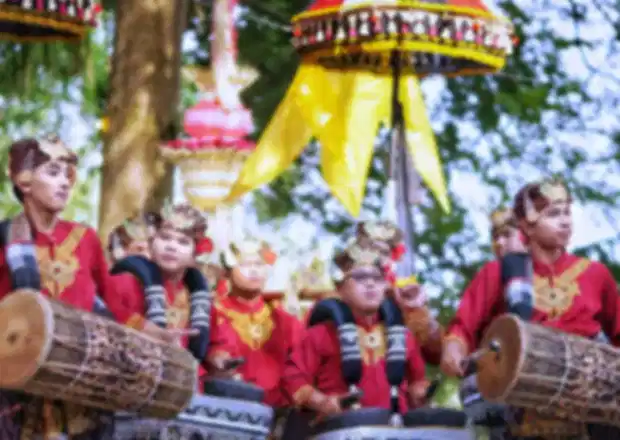
What if your Bali holiday could take you from colourful street processions one day to an island-wide silence the next? That’s the magic of experiencing festivals in Bali.
The festivals in Bali are much more than events to watch. They are woven into the island’s religious traditions, temple rituals and everyday life. You might see beautifully decorated streets and lively processions, witness traditional performances, or experience the extraordinary stillness of Nyepi, Bali’s famous Day of Silence.
If you’re planning a trip around a festival, knowing when it happens, what you can expect and how it may affect your plans can make your experience much more meaningful. This guide covers the most important festivals, what happens during each one, and the best time to visit. Many travellers now choose Bali tour packages or Bali family packages that include festival experiences to explore the island beyond beaches, cafés, and resorts.
Key Takeaways
- Bali’s festivals blend Hindu traditions, art, music, and community celebrations, offering visitors a deeper understanding of the island’s culture.
- Major festivals such as Nyepi, Galungan, Kuningan, and Bali Arts Festival are among the best times to experience authentic Balinese traditions.
- Festival dates often follow the Balinese Pawukon and Saka calendars, so they change every year.
- Many celebrations take place at temples, villages, and public spaces, giving travellers the chance to witness colourful processions, traditional dances, and local rituals.
- If you’re visiting during a festival, dress modestly, respect local customs, and follow temple etiquette to make the most of the experience.
- Booking flights and accommodation in advance is recommended for popular festivals, especially Nyepi and the Bali Arts Festival.
- Experiencing even a small village ceremony can be just as memorable as attending Bali’s biggest festivals, making cultural immersion one of the highlights of any trip.
Festivals in Bali 2026: At a Glance
Planning your trip around Bali’s festivals lets you experience the island beyond its beaches and resorts. Here’s a quick overview of the most popular festivals, when they take place, where they’re celebrated, and what makes each one special.
| Festival | Best Time to Visit | Location | Why Visit? |
| Nyepi (Day of Silence) | March | Across Bali | Experience Bali’s unique Day of Silence and the spectacular Ogoh-Ogoh parades. |
| Galungan & Kuningan | Every 210 days | Across Bali | See bamboo penjor decorations and witness Balinese Hindu traditions celebrating good over evil. |
| Bali Arts Festival | June–July | Denpasar | Enjoy traditional dance, music, art exhibitions, and cultural performances. |
| Saraswati Day | Every 210 days | Temples & Schools Across Bali | Celebrate the goddess of knowledge with blessings and temple ceremonies. |
| Pagerwesi | Every 210 days | Across Bali | Discover a peaceful festival dedicated to spiritual protection and inner strength. |
| Tumpek Landep | Every 210 days | Across Bali | Watch vehicles, tools, and metal objects being blessed in a unique Balinese tradition. |
| Odalan | Throughout the Year | Temples Across Bali | Experience authentic temple anniversary celebrations and local rituals. |
| Bali Kite Festival | Late July–August | Sanur | Watch giant traditional kites soar across Bali’s skies in colourful competitions. |
| Melasti | March (3 Days Before Nyepi) | Beaches Across Bali | Witness sacred purification ceremonies held before the Balinese New Year. |
| Kasanga Festival | March | Denpasar | Enjoy community Ogoh-Ogoh parades and cultural events leading up to Nyepi. |
| Bhatara Turun Kabeh | March–April | Pura Besakih | Attend Bali’s largest and most sacred temple festival. |
| Bali Spirit Festival | Late April | Ubud | Join yoga sessions, meditation, wellness workshops, and holistic experiences. |
| Ubud Food Festival | Late May–Early June | Ubud | Sample Indonesian cuisine through chef demonstrations and vibrant food markets. |
| Tenganan Pegringsingan Festival | June–July | Tenganan Village | Witness the famous Pandan Wars and ancient Bali Aga traditions. |
| Jatiluwih Festival | July | Jatiluwih Rice Terraces | Celebrate Bali’s farming heritage amid UNESCO-listed rice terraces. |
| Ulun Danu Beratan Festival | Mid-July–Mid-August | Bedugul | Experience daily Gebogan parades at Bali’s iconic lakeside temple. |
| Lovina Festival | Late July | Lovina | Enjoy cultural performances, parades, live music, and local cuisine in North Bali. |
| Ubud Village Jazz Festival | Early August | Ubud | Listen to world-class jazz performances in a scenic Ubud setting. |
| International Gita Mahotsav | September | Denpasar | Explore the shared spiritual and cultural heritage of India and Bali. |
Which Bali Festivals Are Worth Planning Your Trip Around?
Not every festival requires you to plan your entire holiday around it. Some are major island-wide occasions that affect daily life, while others are cultural events that are easier to add to an existing itinerary.
- Want the most unusual cultural experience? Plan around Nyepi, but be prepared to stay at your accommodation for the day.
- Want to see Balinese traditions woven into everyday life? Galungan and Kuningan are strong choices.
- Prefer performances, art and cultural activities? The Bali Arts Festival is easier to fit into a sightseeing itinerary.
- Interested in local temple traditions? Look for an Odalan taking place during your stay.
- Want a colourful outdoor spectacle? A Bali kite festival can be a good addition to a summer itinerary.
The best choice depends on the kind of Bali experience you want. A religious festival can offer a deeper cultural experience, but it may also come with restrictions that affect your plans. A cultural festival is generally easier to fit around sightseeing and other activities.
Best Festivals in Bali You Shouldn’t Miss in 2026
1. Nyepi – The Day Bali Goes Completely Silent

Nyepi is not just a festival, it’s an experience you’ll never forget. Known as the Balinese New Year, it’s the one day when the entire island pauses. No traffic, no lights, no flights—just complete silence.
- Location: Across Bali
- When: March (lunar/Saka calendar; in 2026, March 19)
What makes it unforgettable is the contrast. The night before is full of energy, with dramatic Ogoh-Ogoh (giant demon statues) paraded through the streets. Then suddenly, everything stops.
Why it stands out:
- A rare opportunity to experience complete silence, making it one of the most unique experiences in Bali for travellers looking beyond traditional sightseeing.
- Deeply spiritual and reflective
2. Galungan & Kuningan – When Bali Celebrates Good Over Evil
These are among the most important festivals in Bali, celebrating the victory of good over evil. The island feels festive, colourful, and full of life during this time, making it a highlight in any Bali itinerary. Tall bamboo poles called penjor decorate the streets, and families visit temples with offerings.
- Location: Across Bali
- When: Every 210 days (Pawukon calendar)
Why you’ll love it:
- Streets look vibrant and cultural
- A chance to see real family traditions
3. Bali Arts Festival – Culture, Music & Performances
If you want to see Bali’s culture in one place, this festival is a great choice. It’s lively, diverse, and packed with performances, making it one of the top experiences in Bali. From traditional dances to art exhibitions and food stalls, there’s always something happening.
- Location: Denpasar
- When: June to July
What makes it special:
- Perfect for first-time visitors
- A mix of art, music, and local culture
Since the festival takes place in the island’s capital, many visitors combine it with exploring other places to visit in Denpasar during their stay.
4. Saraswati Day – A Quiet Celebration of Knowledge
Saraswati Day is calm and meaningful. It is dedicated to the goddess of knowledge, and you’ll see books and study materials being blessed.
- Location: Temples and schools across Bali
- When: Every 210 days (Pawukon calendar)
Why it feels different:
- Peaceful and less crowded
- Shows how education and spirituality are connected
5. Pagerwesi – A Day for Inner Strength
Pagerwesi is quiet, meaningful, and deeply spiritual. It comes soon after Saraswati and focuses on protecting the mind and strengthening your inner self. Unlike bigger festivals, this one feels more personal and calm.
- Location: Across Bali
- When: Every 210 days (Pawukon calendar)
Why it matters:
- Reflects Bali’s strong belief in balance and protection
- A peaceful moment to see the island’s spiritual side
6. Tumpek Landep – When Even Machines Get Blessed
This is one of the most interesting festivals in Bali you’ll come across. On this day, anything made of metal, whether it is a car, bike, or tools, is beautifully decorated and blessed.
- Location: Across Bali
- When: Every 210 days (Pawukon calendar)
What makes it interesting:
- A unique mix of tradition and modern life
- Streets filled with vehicles covered in offerings
7. Odalan – Temple Celebrations You’ll Discover Along the Way
Odalan marks the anniversary of a temple, and since every temple has its own date, these celebrations happen often across the island. You might not plan for it, but you’ll likely stumble upon one.
- Location: Temples across Bali
- When: Every 210 days (varies by temple, Pawukon calendar)
Why you shouldn’t miss it:
- Feels real, local, and untouched by heavy tourism. Many of these celebrations take place at centuries-old temples, giving visitors a chance to experience some of the most important historical sites in Bali while witnessing local traditions firsthand.
- A simple yet beautiful way to witness everyday Balinese culture
8. Bali Kite Festival – A Sky Full of Colour

This is one of the most visually exciting festivals in Bali. Giant traditional kites, often over 10 metres long, are flown by local teams in friendly competitions. The sky fills with colour, and the atmosphere feels energetic with music and cheering crowds all around. Travellers visiting Bali in July can often catch the opening events and competitions, making it a great time to experience the festival atmosphere.
Many visitors now include this experience in their 8-night Bali budget itinerary to explore a more cultural and lively side of the island.
- Location: Sanur
- When: Late July to August (peak season; dates vary yearly, e.g., July 26–27 in 2025)
Why it’s worth experiencing:
- A fun, non-religious cultural event
- Great for photography and local vibes
Note: Dates for most festivals in Bali follow the Balinese lunar (Saka) and Pawukon calendars, so they change every year.
9. Melasti – The Purification Before Nyepi
Held three days before Nyepi, Melasti is one of the most visually striking rituals in the Balinese calendar. Pilgrims dressed in white and yellow carry sacred temple heirlooms down to the coastline, where priests perform purification rites intended to cleanse the world of sin before the new year begins.
Location: Beaches across Bali
When: 3 days before Nyepi (March)
Why it stands out:
- A quiet, deeply symbolic counterpart to the noise of the Ogoh-Ogoh parade that follows
- One of the best photo opportunities in the run-up to Nyepi, especially at sunrise
10. Kasanga Festival
Taking place across three days in the run-up to Nyepi, Kasanga is Denpasar’s own pre-Nyepi celebration. Each of the city’s subdistricts builds and parades its own Ogoh-Ogoh statue, competing on creativity and craftsmanship, alongside family-friendly events like a mini parade and sketching competitions.
Location: Denpasar
When: 3 days before Nyepi (March), 2026 dates TBC
Why it stands out:
- A more local, community-level alternative to the island-wide Ogoh-Ogoh night
- Family-friendly daytime events alongside the evening parades
11. Bhatara Turun Kabeh
One of the most sacred events on the Balinese Hindu calendar, Bhatara Turun Kabeh takes place during the 10th lunar month and draws nearly every Balinese Hindu family to Pura Besakih, the island’s largest and most important temple, for two to three weeks of offerings, chanting, and ceremony.
Location: Pura Besakih
When: Full moon of the 10th month (around March/April)
Why it stands out:
- The single busiest and most spiritually significant gathering at Bali’s mother temple
- A rare chance to witness the full scale of Balinese Hindu devotion in one place
12. Bali Spirit Festival
Asia’s largest yoga and wellness festival, the Bali Spirit Festival, is a six-day gathering in Ubud built around the philosophy of Tri Hita Karana, living in harmony with the spiritual, social, and natural world. Expect yoga of every style, meditation, sound healing, ecstatic dance, and a market of raw, vegan, and vegetarian food.
Location: The Yoga Barn & Puri Padi Hotel, Ubud
When: Late April
Why it stands out:
- A global draw for the wellness community, not just a local cultural event
- Strong fit for solo travellers and wellness-focused itineraries
13. Ubud Food Festival
A three-day celebration of Indonesian cuisine, the Ubud Food Festival brings together top local and international chefs for cooking demonstrations, food forums, wine tastings, and a free-entry market with over 80 food vendors.
Location: Ubud
When: Late May to early June, 2026 dates TBC
Why it stands out:
- The best single event for food-focused travellers exploring Bali beyond beaches
- Free market entry makes it accessible even on a tighter budget
14. Tenganan Pegringsingan Culture Festival (Pandan Wars)

Located in one of Bali’s oldest Bali Aga villages, the Tenganan Festival showcases traditions that have remained unchanged for centuries. The highlight is the Mekare-kare (Pandan Wars), where young men engage in friendly ritual battles using thorny pandan leaves and rattan shields to honour Indra, the Hindu god of war. The festival also features the Manyunan swing ceremony, traditional music, dances, and cultural rituals, offering visitors a rare glimpse into Bali’s ancient heritage.
Location: Tenganan Village, East Bali
When: June or July (village’s own calendar), 2026 dates TBC
Why it stands out:
- Rituals found nowhere else in Bali, preserved by one of its oldest communities
- A genuine coming-of-age ceremony, not a performance for tourists
15. Jatiluwih Festival
Set against the backdrop of Bali’s UNESCO World Heritage-listed Jatiluwih Rice Terraces, the Jatiluwih Festival celebrates the island’s agricultural heritage through traditional farming demonstrations, cultural performances, nature photography exhibitions, local cuisine, and painting competitions. It’s an ideal event for travellers looking to experience Bali’s rural traditions, scenic landscapes, and local community culture.
Location: Jatiluwih rice terraces
When: July, 2026 dates TBC
Why it stands out:
- A festival built around Bali’s landscape rather than religion or nightlife
- Pairs naturally with a Jatiluwih sightseeing stop
16. Ulun Danu Beratan Festival
A month-long celebration at one of Bali’s most photographed temples, this festival’s highlight is the daily Gebogan Parade, where long lines of women in traditional dress carry towering fruit and flower offerings to the gods.
Location: Pura Ulun Danu Beratan, Bedugul
When: Mid-July to mid-August, 2026 dates TBC
Why it stands out:
- Daily parades mean visitors don’t need to time a trip around a single date
- One of the most photogenic temple settings on the island
17. Lovina Festival
Also known as Lovfest, this three-day event in north Bali celebrates the region’s culture, heritage, and nature with dance performances, parades, live music, and a food village showcasing local cuisine.
Location: Lovina main beach
When: Late July 2026 dates TBC
Why it stands out:
- One of the only major festivals covering north Bali, away from the usual south-island circuit
- Family-friendly with a strong local-food focus
18. Ubud Village Jazz Festival
Experience two evenings of world-class jazz performances at a luxury venue in Ubud, where more than 100 musicians from Indonesia and around the globe come together. With live music, a relaxed atmosphere, and a scenic setting, it’s one of Bali’s most celebrated cultural festivals for jazz enthusiasts.
Location: Sthala Ubud
When: Early August
Why it stands out:
- A polished, ticketed event that appeals to a different (older, music-focused) traveller segment
- Easy to combine with an Ubud cultural itinerary
19. International Gita Mahotsav (Bhagavad Gita Festival)
A modern India–Indonesia cultural event rather than a traditional Balinese Hindu ceremony, the International Gita Mahotsav brings Gita seminars, exhibitions, and cultural performances to Bali as part of a global series organised with Haryana’s Kurukshetra Development Board. The most recent Bali edition ran for two days at the Bali Parliament Auditorium in Denpasar.
Location: Bali Parliament Auditorium, Denpasar
When: September 2026 dates TBC (previously 13–14 Sept 2025)
Why it stands out:
- A distinctive cultural-diplomacy event connecting Indian and Balinese Hindu traditions
- Of particular interest to Indian travellers curious about shared spiritual heritage
Best Time to Visit Bali for Festivals & Cultural Events
One of the best things about the festivals in Bali is that there’s no single “perfect” month—they happen throughout the year.
- March: Experience Nyepi, the island-wide day of silence and one of Bali’s most unique traditions, often considered the best time to visit Bali for festivals and a truly different cultural experience
- June to July: Catch the Bali Arts Festival in Denpasar for a mix of dance, music, and culture. If you are planning a trip to Bali in June, this festival offers one of the best opportunities to experience the island’s artistic traditions.
- Throughout the year, Galungan and other Pawukon-based festivals bring regular bursts of celebration across Bali
Tip: Check the Balinese calendar before booking your trip to align with key festivals.
Cultural Etiquette During Festivals in Bali
Festivals in Bali are deeply spiritual, so being respectful is important. A few simple habits can help you blend in and enjoy the experience the right way.
- Dress modestly when visiting temples or religious ceremonies. A sarong and appropriate temple attire may be required.
- Don’t step on offerings. Small offerings are often placed on roads, pavements and outside homes.
- Ask before taking close-up photographs of people during ceremonies.
- Respect restricted areas and don’t enter a temple space simply because other visitors are doing so.
- Follow local instructions if a ceremony affects roads, transport or access.
- Don’t treat religious rituals as photo opportunities. Give people space and let the ceremony take priority.
Tip: When in doubt, observe what locals are doing and follow their lead. It’s the easiest way to stay respectful.
How to Plan Your Trip Around Festivals in Bali
Before finalising your travel plans, it helps to go through a Bali trip checklist so you are prepared for festival schedules, temple visits, and local customs. A festival can be the highlight of a Bali holiday, but it works best when the rest of your itinerary is built around it.
1. Choose the festival first
Decide whether you want a religious experience, cultural performances, local traditions or an outdoor event.
2. Check the exact date
Some festivals follow traditional calendars, while local events can change from year to year. Confirm the latest schedule before booking around a specific event.
3. Choose your base
Stay closer to the festival location if it is a major priority. This is particularly important when an event affects traffic or transport.
4. Leave room in your itinerary
Don’t schedule several distant attractions on the same day as a festival. Give yourself enough time for traffic, ceremonies and unexpected changes.
5. Check for special restrictions
This is essential for Nyepi. Your plans may need to change significantly because travel and other activities are restricted.
6. Build the rest of your Bali itinerary around your priorities
Once you’ve fixed the festival dates, add beaches, temples, Ubud, water activities and other experiences around them rather than trying to fit everything into every day.
Conclusion: Experience the Real Bali Through Its Festivals
If you want your trip to Bali to feel truly special, don’t just plan where to go; rather, plan when to go. Experiencing the festivals in Bali adds a completely different side to your journey beyond regular sightseeing. From peaceful rituals to lively street celebrations, every festival reflects the island’s traditions and community spirit. For travellers looking beyond beaches and nightlife, attending local celebrations is one of the most rewarding offbeat things to do in Bali. This cultural depth is one of the biggest reasons Bali continues to attract visitors from around the world. Plan your visit around these festivals, explore beyond the beaches, and experience a side of Bali that stays with you long after the trip ends.
FAQs
What are the major festivals in Bali?
The major festivals in Bali include Nyepi, Galungan and Kuningan, the Bali Arts Festival, Saraswati, Pagerwesi, Tumpek Landep, Odalan and the Bali Kite Festival. These celebrations range from important Balinese Hindu religious observances to cultural events featuring traditional arts, performances, ceremonies and local traditions.
When is Nyepi in Bali in 2026?
Nyepi falls on 19 March 2026. It is Bali’s Day of Silence and marks the Balinese New Year. The island observes a 24-hour period of silence and restricted activity, making it important to plan your travel and sightseeing around the date.
Can tourists travel around Bali during Nyepi?
No. Tourists staying in Bali should remain at their accommodation during Nyepi. Travel and normal activities across the island are restricted, so you should avoid planning sightseeing, transfers or other outdoor activities for that day.
When are Galungan and Kuningan in Bali in 2026?
Galungan falls on 17 June 2026 and Kuningan on 27 June 2026. These important Balinese Hindu celebrations are observed across the island, with families visiting temples, making offerings and decorating homes and streets with traditional penjor.
What is the best Bali festival for first-time visitors?
It depends on the experience you want. The Bali Arts Festival is a good choice if you want to experience traditional performances, arts and culture as part of a sightseeing holiday. Galungan and Kuningan are better suited to travellers who want to observe Balinese religious traditions, while Nyepi offers a much more unusual experience but requires significant itinerary adjustments.
Which Bali festivals can tourists attend?
Tourists can attend or observe some public cultural events, such as the Bali Arts Festival, while religious celebrations such as Galungan, Kuningan, Saraswati and Odalan are primarily religious occasions. Visitors should observe respectfully, follow local guidance and avoid entering restricted areas or treating ceremonies as tourist performances.
What should tourists wear to a Balinese festival?
When visiting temples or religious ceremonies, tourists should dress modestly and follow local temple dress requirements. A sarong may be required at temples. It is also important to behave respectfully and avoid disturbing people taking part in ceremonies.
Which month is best for festivals in Bali?
There isn’t one best month for every traveller. March is important for Nyepi, while June and July are particularly useful for travellers interested in the Bali Arts Festival and Galungan. Other religious celebrations take place throughout the year, so your ideal month depends on the festival and experience you want.
Where should I stay in Bali to experience the festivals?
Your best base depends on the festival. Denpasar is useful for the Bali Arts Festival, while Ubud is a strong choice for travellers interested in traditional arts, temples and cultural experiences. For other events, staying closer to the specific festival location can make your itinerary easier to manage.
Can I visit temples during festivals in Bali?
You may be able to visit temples during festival periods, but access can vary depending on the ceremony and temple. Always follow local instructions, dress appropriately and respect areas that are restricted to worshippers. If you’re unsure, ask before entering or taking photographs.
What are the best music festivals in Bali?
Some of Bali’s most popular music festivals include the Ubud Village Jazz Festival, Bali Spirit Festival, and various electronic music events held in Canggu, Seminyak, and Uluwatu. These festivals showcase jazz, world music, live bands, electronic dance music, and cultural performances throughout the year.
What festivals take place in Bali in November?
November is generally quieter for large public festivals, but travellers can still experience Odalan temple anniversaries, local cultural ceremonies, and, depending on the Balinese calendar, celebrations such as Galungan or Kuningan.
Which festivals can I attend in Bali in June 2026?
June is one of the best months to experience Bali’s cultural scene. Visitors can attend the Bali Arts Festival, Ubud Food Festival (subject to official dates), and the Tenganan Pegringsingan Culture Festival (Pandan Wars), along with several local temple celebrations held across the island.
Recommended articles for you








Discover Packages















Bali City Packages
Packages By Departure City
Packages By Theme
Packages By Duration
Bali Combo Packages

Need help in planning?
Talk to our Travel Experts