
Can You Drink Tap Water in Bali? Everything Travellers Need to Know

Planning a tropical getaway to Indonesia? Whether you are booking a relaxing beach holiday, a romantic honeymoon, or a fun family vacation, one critical question always comes up before arrival: can you drink tap water in Bali? The simple answer is no. While the island’s infrastructure improves every year, untreated tap water in Bali is still not safe for tourists. Drinking it can expose you to bacteria and parasites, leading to the dreaded “Bali Belly”. Fortunately, staying healthy is easy with the right knowledge.
Fortunately, staying healthy is easy with the right knowledge, especially when you plan your trip with well-designed Bali tour packages that include trusted hotels and dining options. In this guide, we’ll explain everything you need to know about drinking water in Bali, including whether you can brush your teeth with tap water, if ice is safe, and how to avoid stomach problems during your trip.
Is Tap Water Safe to Drink in Bali?
No, tourists should avoid drinking tap water in Bali. Although the tap water is treated before distribution, the quality can vary depending on the location, water pipes, storage tanks, and local infrastructure. Even if the water meets certain local standards, it may contain microorganisms that your body isn’t accustomed to, increasing the risk of digestive issues.
Instead of drinking tap water, choose:
- Bottled mineral water
- Filtered drinking water
- Water provided by your hotel
- Refillable purified water stations
This simple precaution can significantly reduce the chances of falling ill during your holiday.
Why Isn’t Tap Water Safe for Tourists?
Many travellers wonder why locals can drink the water while tourists are advised not to. The answer lies in different levels of immunity. People living in Bali gradually build resistance to local bacteria and microorganisms through long-term exposure. Visitors, however, may not have the same immunity. Even a microscopic sip can easily trigger severe traveller’s diarrhoea, famously nicknamed “Bali Belly”.
Several key factors compromise the safety of the island’s water supply:
- Last-mile contamination: Water can become contaminated while travelling through ageing pipelines, allowing dirt, heavy metals, and bacteria to enter before it reaches taps.
- Groundwater contamination: In many areas, shallow wells are vulnerable to contamination from nearby septic systems, increasing the risk of viruses and parasites.
- Inconsistent filtration: Water treatment standards vary widely. Luxury hotels often use advanced filtration, while many homes and budget stays do not.
- High mineral content: Bali’s naturally hard water contains high levels of minerals and sediment, which may cause stomach discomfort for some travellers.
This doesn’t mean Bali’s water is “dirty” everywhere; it simply means it’s safer for visitors to rely on purified drinking water.
What Happens If You Drink Tap Water in Bali?
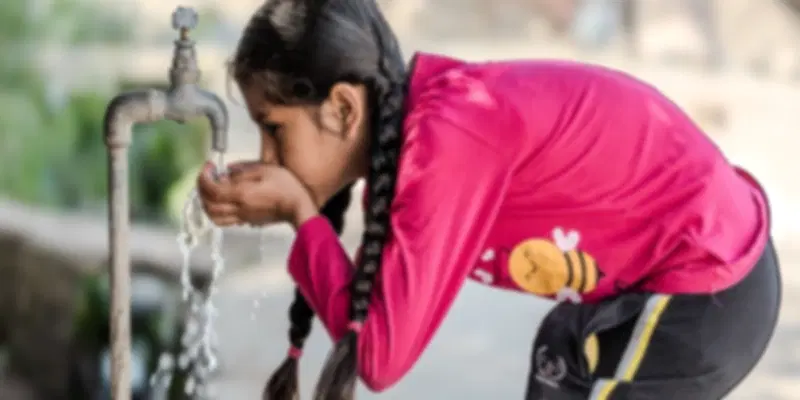
Not everyone who accidentally drinks tap water in Bali will get sick, but doing so drastically increases your risk of contracting a gastrointestinal infection. While some travellers with resilient stomachs might experience zero symptoms, many others will develop varying levels of stomach discomfort within a few hours or days of exposure.
The most common consequence is traveller’s diarrhoea, universally known as “Bali Belly.” If you consume contaminated water, you may experience:
- Diarrhoea: Frequent, loose, or watery stools.
- Stomach Cramps: Sharp, painful abdominal spasms.
- Nausea and Vomiting: A persistent uneasy stomach or inability to keep food down.
- Bloating: Uncomfortable gas and abdominal swelling.
- Mild Fever: A low-grade temperature as your immune system fights off bacteria.
- Dehydration: Dry mouth, dizziness, and fatigue caused by fluid loss.
Most cases of Bali Belly are mild and will resolve on their own within a few days if you focus on proper hydration and plenty of rest. However, you should seek medical evaluation from a local clinic or doctor if you experience severe symptoms like a high fever, blood in your stool, or signs of severe dehydration.
What Is Bali Belly?
One of the most well-known travel illnesses associated with Bali is Bali Belly, an informal term used to describe travellers’ diarrhoea. It isn’t a specific disease but rather a digestive illness caused by consuming contaminated food or water, poor hygiene, or exposure to unfamiliar bacteria.
Common Symptoms
- Frequent diarrhoea
- Stomach pain
- Nausea
- Vomiting
- Fever
- Fatigue
- Loss of appetite
Symptoms usually appear within 6 to 48 hours after exposure.
How Long Does Bali Belly Last?
Most people recover within one to three days, although some cases may take longer. The most important treatment is staying hydrated and replacing lost electrolytes. If symptoms become severe, especially high fever, blood in stools, or persistent vomiting, seek medical attention immediately.
Can You Brush Your Teeth with Tap Water in Bali?
This is one of the most frequently asked questions by travellers when settling into their hotel rooms. The short answer depends entirely on your stomach’s sensitivity and your risk tolerance. For most visitors staying in reputable hotels or resorts, brushing your teeth with tap water is generally considered low risk because you use only a very small amount of water. Don’t swallow tap water while brushing.
However, if you have a sensitive stomach, are travelling with young children, or simply want to minimise any risk, using bottled or filtered water for brushing your teeth is the safest option. No matter which water source you choose, the golden rule remains the same: avoid swallowing any tap water while brushing, and remember to dry your toothbrush head off before putting it away.
Is Ice Safe in Bali?
In most cases, yes. Restaurants, cafés, hotels, and bars in Bali generally use commercially produced ice made from purified water that meets food safety standards. However, caution is advisable when buying drinks from unknown roadside stalls or vendors where the source of the ice cannot be confirmed.
To Stay Safe
- Drink at reputable cafés and restaurants.
- Choose busy establishments with good hygiene.
- If unsure, politely ask whether the ice is made from purified water.
Is Bottled Drinking Water Easily Available?
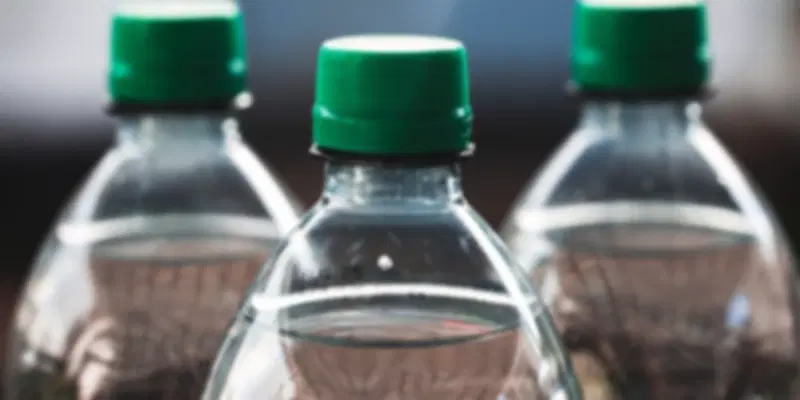
Absolutely. One of the biggest advantages for travellers is that bottled water is available almost everywhere on the island. You will never have to search long to find a safe drink, as it is readily stocked across local villages and all major tourist hubs in Bali.
You can easily purchase bottled water from:
- Convenience Stores & Minimarts: Chains like Indomaret, Alfamart, and Circle K are on almost every street corner.
- Supermarkets: Larger stores like Bintang, Pepito, and Coco Supermarket offer the best bulk prices.
- Accommodations: Most hotels and guesthouses in Bali provide complimentary bottles in your room daily.
- Dining Venues: Restaurants, cafes, beach clubs, and local warungs (eateries) always have it on the menu.
- Tourist Spots: Street vendors at temples, waterfalls, and beaches sell chilled bottles directly to visitors.
Can You Refill Your Water Bottle in Bali?
Yes. As Bali moves towards sustainable tourism, many cafés, coworking spaces, hotels, and tourist attractions now offer filtered water refill stations.
Carrying a reusable water bottle helps reduce single-use plastic waste while keeping you hydrated throughout your trip. However, you must be cautious about where you fill up. Before refilling your bottle, always ensure the water comes from a trusted, certified filtered drinking water station.
Is It Safe to Eat Fruits and Salads in Bali?
Generally, yes, especially when dining at reputable restaurants in Bali. To reduce any risk:
- Eat fruits that can be peeled, such as bananas, oranges, and mangoes.
- Wash fruits before eating if purchased from local markets.
- Choose restaurants known for good hygiene.
- Avoid salads from places where cleanliness appears questionable.
Fresh tropical fruits are one of Bali’s culinary highlights and can be enjoyed safely with basic precautions.
Is Tea and Coffee Safe to Drink?
Yes. Hot beverages like tea and coffee are generally safe because the water is boiled during preparation, which eliminates most harmful microorganisms. Whether you’re enjoying Balinese coffee at a plantation or sipping tea in one of the best cafes in Bali overlooking rice terraces, hot drinks are considered a safe choice.
Practical Water Safety Tips for Travellers in Bali
Follow these simple habits to avoid waterborne illnesses during your trip:
- Choose safe ice: Drink only beverages with commercially made cylinder-shaped ice (with a hole in the middle). Avoid irregular or crushed ice in rural areas.
- Check bottle seals: Buy only bottled water with an intact factory seal.
- Avoid swallowing water: Keep your mouth closed while showering, swimming, or washing your face.
- Use clean utensils: Ensure plates, cups, and cutlery are clean and completely dry before use.
- Boil tap water: If necessary, boil tap water for at least one minute before drinking or cooking.
- Practice good hygiene: Wash your hands regularly or use hand sanitiser before eating to reduce the risk of “Bali Belly”.
Do Hotels in Bali Provide Safe Drinking Water?
Yes, most resorts and hotels in Bali cater to international visitors by providing safe drinking water. Depending on the property, you may find:
- Complimentary bottled water in your room
- Filtered water dispensers
- Refillable glass bottles
- Water stations in common areas
If you’re unsure, ask the hotel reception whether the drinking water provided is filtered or bottled.
Should Families with Children Be Extra Careful?
Yes. Children are generally more vulnerable to dehydration caused by diarrhoea. Parents travelling with young children should take a few extra precautions:
- Use bottled or filtered water for drinking.
- Prepare baby formula with safe drinking water.
- Pack oral rehydration salts (ORS) for emergencies.
- Keep children well hydrated throughout the day.
- Seek medical attention if symptoms persist or worsen.
These simple steps can help ensure a safe and comfortable family holiday in Bali.
Should Tap Water Concerns Stop You from Visiting Bali?
Not at all. The recommendation to avoid drinking tap water is common across many tropical destinations around the world and shouldn’t discourage you from visiting Bali. Millions of travellers enjoy safe and memorable holidays every year simply by drinking bottled or filtered water and following basic hygiene practices.
With a little preparation, you’ll be free to enjoy stunning Bali beaches, cultural attractions, delicious cuisine, and unforgettable experiences without worrying about water safety.
Final Thoughts
Navigating water safety in Bali does not have to be stressful. While tap water in Bali is not safe for tourists to drink, protecting yourself from “Bali Belly” is incredibly simple. By sticking to sealed bottled water, utilising trusted filtration stations, and keeping a few basic hygiene tips in mind, you can enjoy everything this tropical paradise has to offer completely worry-free. Pack your reusable bottle, stay mindful of your choices, and focus on making unforgettable memories on your Balinese adventure!
FAQs
No. Tourists should avoid drinking tap water in Bali, as it may contain bacteria, parasites, and other microorganisms that can cause stomach illnesses such as Bali Belly. Instead, choose bottled or filtered drinking water.
Yes. Washing your face with tap water is generally safe, but avoid getting water into your mouth or eyes if possible. Those with sensitive skin may prefer filtered or bottled water.
Yes. It is safe to wash your hands with tap water. For extra protection, wash with soap or use hand sanitiser before eating.
Yes. Drinking contaminated tap water is one of the most common causes of Bali Belly, although contaminated food and poor hygiene can also contribute.
Yes. Drinking bottled or filtered water throughout your stay is the safest way to stay hydrated and reduce the risk of waterborne illnesses.
It depends on the hotel. Many resorts and international hotels use filtered water systems or provide complimentary bottled water, but you should confirm with the property before drinking tap water.
Bali Belly is usually caused by consuming contaminated food or water, poor hygiene, or exposure to unfamiliar bacteria that your body is not used to.
Most cases improve within one to three days with rest, hydration, and electrolyte replacement. Seek medical care if symptoms become severe or persist.
Boiling tap water for at least one minute kills most harmful microorganisms. However, bottled or properly filtered water remains the safest option for tourists.
Some luxury hotels and resorts use advanced filtration systems, but tap water quality varies across the island. Visitors should rely on bottled or certified filtered drinking water unless the property specifically confirms its tap water is safe to drink.
Yes. Showering with tap water is generally safe. Just avoid swallowing the water, especially if you have a sensitive stomach.
Drink bottled or filtered water, choose purified ice, avoid swallowing tap water, wash your hands regularly, and eat at reputable restaurants with good hygiene practices.

Recommended articles for you






Discover Packages



















Bali City Packages
Packages By Departure City
Packages By Theme
Packages By Duration
Bali Combo Packages

Need help in planning?
Talk to our Travel Experts