
Balinese Food Tradition: Culture, Dishes, Festivals & Authentic Food Guide
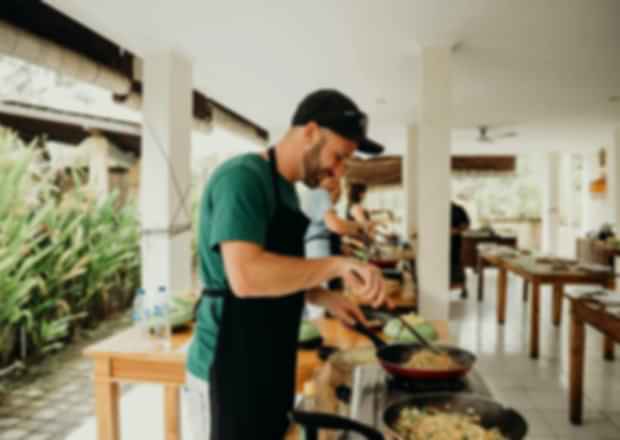
The best way to understand Bali isn’t just by visiting its temples or relaxing on its beaches, it’s by sharing a meal with the locals. Bali’s cuisine is much more than a collection of delicious dishes. Traditional Balinese food reflects the island’s religion, culture, and everyday way of life through recipes passed down for generations and prepared with fresh local ingredients and aromatic spices. From iconic dishes like Nasi Campur and Babi Guling to vibrant street food, temple offerings, and family-run warungs, every meal tells a story of Bali’s rich culinary heritage. If you’re planning Bali tour packages, exploring authentic local cuisine is one of the most rewarding ways to experience the destination beyond its postcard-perfect landscapes. This blog covers the history of Balinese dishes, must-try cuisines, regional specialities, vegetarian options, food costs, cooking classes, and practical travel tips for an unforgettable food experience.
Traditional Balinese Food at a Glance
| Feature | Details |
| Famous dishes | Nasi campur, babi guling, bebek betutu, lawar, sate lilit |
| Main flavours | Spicy, aromatic, earthy, fresh |
| Vegetarian options | Gado-gado, tempeh, jukut ares |
| Best places to eat | Ubud, Gianyar, Denpasar |
| Average meal cost | ₹120 – ₹800 (IDR 25,000–160,000) |
| Best food experiences | Local warungs, cooking classes, night markets |
Cultural Meaning of Balinese Food Culture in Daily Life
In Bali, food is more than just something people eat. It is an important part of daily life, family traditions, and religious rituals. Many families prepare meals not only for themselves but also as offerings called canang sari, which are placed at temples, homes, and other sacred spaces.
A typical day in a Balinese household often includes:
- Cooking fresh meals early in the morning
- Preparing food for the family and daily offerings
- Sharing meals with relatives and neighbours
- Offering a small portion of food to the gods before eating
For the Balinese people, food is a way to show gratitude and respect. Cooking and sharing meals help bring families and communities together, making food an important part of both everyday life and religious celebrations.
History of Balinese Food Tradition
The Balinese food tradition has grown over hundreds of years, shaped by the island’s culture, religion, and farming lifestyle. Influences from Hindu traditions, local communities, and traders from India, China, and other parts of Indonesia have helped create the unique flavours found in Balinese cuisine today. Fresh rice, coconut, vegetables, herbs, and aromatic spices are still the heart of many traditional recipes.
What makes Balinese food truly special is its strong connection to everyday life and spirituality. Many dishes are first prepared as offerings during temple ceremonies before being shared with family and the community. Even today, these recipes are lovingly passed down through generations, making Balinese food an important part of both daily meals and special celebrations.
Bumbu Bali: The Traditional Spice Base of Balinese Cuisine
Almost every traditional Balinese dish begins with a special spice mix called bumbu Bali. It is the heart of Balinese cooking and gives many dishes their rich aroma, bold flavour, and distinctive taste.
A traditional Balinese bumbu spice mix usually includes the following:
- Garlic
- Shallots or onions
- Red chillies
- Turmeric
- Ginger
- Galangal (a root similar to ginger)
- Shrimp paste
The spice mix is freshly prepared and used in curries, rice dishes, grilled meats, and even food made for religious ceremonies. While the main ingredients are similar, every family has its own recipe that has been passed down through generations, making each version slightly different.
Traditional Balinese Dishes You Must Try
Balinese cuisine includes both everyday meals and special ceremonial dishes. Some are mild, while others are very spicy and rich. If you’re exploring local flavours, this is also a great starting point to discover the best traditional food to try in Bali during your trip, especially in local warungs and food stalls where authentic flavours are still preserved.
| Dish | Ingredients | Cost (INR / IDR) | When Eaten | Taste |
| Nasi Campur Bali | Rice, vegetables, meat, chilli sauce | ₹150–₹400 / IDR 30,000–80,000 | Daily meal | Spicy, balanced |
| Babi Guling | Roast pork with spices | ₹500–₹1,200 / IDR 100,000–250,000 | Festivals & ceremonies | Rich, crispy |
| Bebek Betutu | Duck cooked with spices for hours | ₹600–₹1,500 / IDR 120,000–300,000 | Special occasions | Smoky, strong flavor |
| Lawar | Vegetables, coconut, spices, sometimes meat | ₹200–₹500 / IDR 40,000–100,000 | Ritual cooking | Spicy, earthy |
| Sate Lilit | Minced meat on a lemongrass stick | ₹150–₹350 / IDR 30,000–70,000 | Snacks & ceremonies | Light, grilled |
| Jukut Ares | Banana stem cooked in coconut milk | ₹120–₹300 / IDR 25,000–60,000 | Ceremonial vegetarian dish | Soft, mild |
These dishes are more than everyday meals. Many are prepared during religious ceremonies and festivals before being shared with family, neighbours, and the wider community, reflecting the cultural importance of Balinese food tradition.
Balinese Street Food You Must Try
Exploring Bali street food is one of the best ways to experience authentic local flavours while travelling around the island. From busy morning markets to roadside stalls and evening food vendors, you’ll find affordable snacks and simple meals prepared using traditional recipes. While some dishes are unique to Bali, others are popular across Indonesia and have become favourites among both locals and visitors.
| Dish | Description | Approx. price (IDR / INR) |
| Pisang Goreng | Crispy fried bananas, often served with palm sugar or chocolate toppings | IDR 10,000–25,000 (₹50–₹125) |
| Jaje Bali | Traditional Balinese rice cakes made with coconut, sticky rice, and palm sugar | IDR 10,000–30,000 (₹50–₹150) |
| Bakso | Indonesian meatball soup served with noodles; widely available across Bali | IDR 20,000–40,000 (₹100–₹200) |
| Martabak | Thick stuffed pancake with sweet or savoury fillings | IDR 30,000–60,000 (₹150–₹300) |
| Es Daluman | Traditional Balinese drink made with green grass jelly, coconut milk, and palm sugar | IDR 15,000–30,000 (₹75–₹150) |
Where to Try Balinese Street Food
Some of the best places to visit in Bali for street food include:
- Traditional warungs (small family-run eateries) serving homemade meals.
- Gianyar Night Market for grilled satay, local snacks, and traditional desserts.
- Ubud Traditional Market for fresh produce, sweets, and everyday Balinese snacks.
- Badung Market (Denpasar), one of the largest traditional markets in Bali with local ingredients and street food.
- Street stalls in Kuta and Seminyak, where you can enjoy a mix of Balinese and Indonesian favourites.
Note: Prices are approximate and may vary depending on the location and season.
Everyday Meals vs Festival Food in Balinese Food Culture
Balinese food tradition clearly separates what people eat every day from what is prepared during festivals and ceremonies. This difference is not just about ingredients but also about purpose, preparation style, and how food is shared.
Everyday Food
Everyday meals in Bali are simple, practical, and part of normal family life. They are usually cooked at home or bought from nearby local food stalls.
Common everyday foods include:
- Rice-based dishes like Nasi Campur
- Fried rice and noodles
- Simple vegetable curries
- Light home-cooked meals
These meals are usually quick to prepare and are eaten together by family members. The focus is on comfort and balance rather than complexity. Most locals eat this type of food daily, especially during workdays.
Festival or Ceremonial Food
Festival and ceremonial food is prepared during religious events, temple ceremonies, and important family gatherings. These meals carry cultural and spiritual meaning, not just taste.
Common features include:
- Large cooking sessions involving multiple family members or the community
- Special dishes like Babi Guling are prepared for celebrations
- Food prepared as offerings before being eaten
- Recipes that follow traditional methods passed down through generations
These meals take more time, effort, and coordination. They are often cooked in large quantities and shared with neighbours, relatives, and temple communities as part of the celebration.
Vegetarian Food Options in Balinese Cuisine
Although many traditional Balinese dishes include meat, vegetarian travellers can still find good food options across Bali with simple ordering adjustments.
Common vegetarian-friendly dishes include:
- Gado-Gado (vegetables with peanut sauce)
- Fried rice without meat (request no egg or shrimp paste)
- Vegetable curries cooked in local spices
- Tempeh (fermented soy food, high in protein)
- Fried noodles without animal products
Tip: Shrimp paste is commonly used in Balinese cooking, even in vegetable dishes. Always confirm before ordering if you are strictly vegetarian.
For those looking for reliable options, some of the best vegetarian restaurants in Bali include:
- Zest Ubud
- Sage
- Sayuri Healing Food
Vegetarian travellers from India can manage food easily in Bali, especially in areas like Ubud and Seminyak, as long as they clearly communicate their preferences when ordering.
Regional Specialities of Balinese Cuisine
Traditional Balinese food is enjoyed all over the island, but every region has its own special flavours and signature dishes. Local ingredients, family recipes, and cultural traditions give each area a unique food identity. Exploring these regional specialities is one of the best ways to experience authentic Balinese cuisine beyond the popular tourist spots.
- Ubud: Famous for organic cafés, vegetarian Balinese food, cooking classes, and fresh Nasi Campur made with local herbs and vegetables.
- Gianyar: Best known for Babi Guling, Lawar, traditional markets, and lively evening food stalls serving authentic local dishes.
- Denpasar: A great place to enjoy street food, fresh seafood, family-run warungs, and traditional snacks at Badung Market, Bali’s largest traditional market.
- Lovina (North Bali): Popular for fresh grilled seafood, ikan bakar (grilled fish), spicy sambal, and simple home-style village cooking.
- Karangasem (East Bali): Known for spicier regional dishes, royal Balinese cuisine, traditional cakes, and ceremonial foods prepared during local festivals.
Traditional Balinese Desserts and Drinks
Besides savoury dishes, Balinese food also offers delicious traditional desserts and refreshing drinks made with coconut, sticky rice, palm sugar, and pandan.
- Bubur Injin: Black glutinous rice pudding cooked with coconut milk and palm sugar. (IDR 10,000–25,000 / ₹50–₹125)
- Dadar Gulung: Pandan-flavoured pancake filled with sweet grated coconut and palm sugar. (IDR 5,000–15,000 / ₹25–₹75)
- Laklak: Small rice-flour pancakes topped with grated coconut and palm sugar syrup. (IDR 5,000–15,000 / ₹25–₹75)
- Es Daluman: Refreshing drink made with grass jelly, coconut milk, and palm sugar. (IDR 10,000–25,000 / ₹50–₹125)
- Kopi Bali: Locally grown Balinese coffee known for its rich aroma and smooth flavour. (IDR 10,000–30,000 / ₹50–₹150)
You can find these local favourites at warungs, traditional markets like Badung Market and Gianyar Market, as well as cafés and night markets in Bali. They are a perfect way to complete your traditional Balinese food experience.
Best Time to Experience Balinese Food Tradition in Bali
Timing your trip can change how you experience Balinese food. During certain festivals in Bali, food becomes part of rituals, celebrations, and community sharing.
Galungan and Kuningan Festival (Every 210-Day Cycle)
One of the most important festivals in Bali, Galungan and Kuningan, follows the traditional 210-day Balinese calendar, so dates change each cycle. Travellers should check updated local calendars before planning.
During this time:
- Families cook traditional dishes at home
- Food is prepared for temple offerings
- Dishes like lawar, satay, and rice meals are common
- Meals are shared with family and community
This is one of the best times to experience authentic Balinese home cooking culture.
Best places to visit: Ubud, Gianyar villages, and rural Bali.
Nyepi (Day of Silence – Date Changes Every Year)
Nyepi is a unique festival in Bali that usually falls between March and April, based on the Balinese lunar calendar.
During Nyepi:
- The entire island shuts down for 24 hours
- No travel, cooking, or outdoor activity is allowed
- Everything stays completely silent
Before Nyepi:
- Families cook and store food in advance
- Traditional meals are prepared in larger quantities
Learn Balinese Food Through a Cooking Class
Joining a cooking class is one of the best ways to experience traditional Balinese food beyond just eating it. Most classes start with a visit to a local market, where you’ll learn about fresh herbs, vegetables, spices, and the famous bumbu Bali spice mix before cooking authentic dishes with the help of local chefs.
You’ll also learn how to prepare popular Balinese dishes like Nasi Campur, Sate Lilit, and traditional sambal. Cooking classes are widely available in Ubud, Seminyak, and Sanur. Along with sightseeing, these hands-on experiences are considered one of the best things to do in Bali, giving you a deeper understanding of local cooking techniques, family traditions, and the important role food plays in Balinese culture. This is a great opportunity to add a personalised activity to your Bali package for couples!
Food Costs in Bali: Budget Guide for Travellers
Food in Bali is generally affordable and suits most travel budgets. Prices vary depending on whether you eat at local shops, mid-range restaurants, or experience traditional meals.
- Budget meals: ₹120–₹250 (IDR 25,000–50,000)
- Mid-range restaurants: ₹300–₹800 (IDR 60,000–160,000)
- Traditional food experiences: ₹800–₹1,500 (IDR 160,000–300,000)
Local food shops and warungs are usually much cheaper than hotel restaurants and often offer more authentic flavours of Balinese food tradition.
3-Day Bali Food Itinerary to Experience Local Cuisine
If you want to experience Balinese food tradition in a simple and practical way, this Bali 2-night 3-day itinerary gives you a clear food-focused travel plan covering local cuisine, markets, and cultural experiences.
Day 1 – Ubud
Ubud is one of the best places to try traditional Balinese food.
- Breakfast: Have a traditional rice dish at a local café or warung.
- Lunch: Enjoy an authentic Balinese meal at a family-run warung.
- Evening: Join a cooking class and learn how local dishes are prepared using fresh herbs and spices.
Day 2 – Local Markets & Street Food
Spend the day eating where the locals eat.
- Morning: Visit a traditional market and try fresh snacks.
- Lunch: Taste popular street food from roadside stalls.
- Evening: Enjoy traditional desserts and light snacks at a night market.
Day 3 – Food & Local Culture
End your trip by learning how food is connected to daily life in Bali.
- Visit a temple area (where visitors are allowed).
- Try ceremonial-style dishes if they are available.
- Enjoy a meal at a family-run restaurant or in a traditional village setting.
Food Safety Tips for Eating Balinese Food
- Choose busy stalls: eat only at crowded and popular food places
- Drinking water: drink only from a bottle
- Spice level: always ask before ordering spicy food
- Raw food: avoid raw or undercooked food items
- Vegetarian check: clearly confirm ingredients before ordering vegetarian food
Why Every Traveller Should Experience Traditional Balinese Food
Trying traditional Balinese food is about more than just enjoying delicious dishes. It gives you a chance to experience Bali’s culture, traditions, and everyday way of life. Whether you’re eating at a family-run warung, exploring lively street markets, joining a cooking class, or tasting food prepared for temple festivals, every meal has a story to tell. From spicy local favourites to vegetarian specialities, these food experiences help you connect with the island on a deeper level and make your trip to Bali even more memorable.
Conclusion:
Traditional Balinese food is much more than what you eat. It reflects Bali’s culture, faith, and everyday way of life through recipes passed down for generations. From local warungs and street food to cooking classes and festival dishes, every meal has a story to tell. If you are planning your trip, make time to enjoy authentic local food instead of only visiting popular attractions. These moments will show you a different side of Bali tourism and help you connect with the island in a more meaningful way. The memories and flavours you take home will stay with you long after your trip ends.
FAQs
What is famous to eat in Bali?
Some of the most famous Balinese dishes include Nasi Campur, Babi Guling, Bebek Betutu, Lawar, and Sate Lilit. These traditional meals are widely served at local warungs, markets, and restaurants across Bali.
Is traditional Balinese food suitable for vegetarians?
Yes, traditional Balinese food vegetarian options include Gado-Gado, Tempeh, vegetable curries, and Jukut Ares. Always ask if shrimp paste is used, as it is a common ingredient in many local recipes.
Can I learn traditional Balinese food recipes during my trip?
Yes, many cooking schools in Ubud, Seminyak, and Sanur teach traditional Balinese food recipes using fresh local ingredients and the famous bumbu Bali spice mix. These classes are suitable for beginners and food lovers alike.
What are the most popular traditional Balinese food names?
Some popular traditional Balinese food names are Nasi Campur, Babi Guling, Bebek Betutu, Lawar, Sate Lilit, and Jukut Ares. Each dish reflects Bali’s rich culture, local ingredients, and traditional cooking methods.
Do Balinese Hindus eat beef?
Most Balinese Hindus do not eat beef because cows are considered sacred in Hinduism. Instead, Balinese food commonly includes pork, chicken, duck, seafood, and vegetarian dishes.
What is Bali famous for in food?
Bali is famous for food like Nasi Campur, Babi Guling, Bebek Betutu, and Sate Lilit. These traditional dishes are loved for their rich spices and authentic Balinese flavours.
What is Bali’s signature dish?
Bali’s signature dish is Babi Guling, a slow-roasted pork prepared with traditional Balinese spices. It is commonly served during festivals and special celebrations.
What do Balinese eat for breakfast?
Balinese people often eat rice-based meals, Nasi Campur, porridge, or simple home cooked dishes for breakfast. These meals are fresh, filling, and prepared early in the morning.
Do Balinese eat pork?
Yes, many Balinese people eat pork, especially Balinese Hindus, and Babi Guling is one of the island’s most famous dishes. However, food choices may vary depending on religion and personal preferences.
Is Balinese food spicy?
Yes, Balinese food is often spicy because it uses fresh chillies and traditional spice mixes. However, many restaurants can adjust the spice level to suit your taste.

Recommended articles for you








Discover Packages



















Bali City Packages
Packages By Departure City
Packages By Theme
Packages By Duration
Bali Combo Packages

Need help in planning?
Talk to our Travel Experts