
White Water Rafting in Bali 2026: Best Rivers, Prices, Safety & Travel Tips

Do you think Bali is just about beaches and temples? Think again. Most people visit Bali for its beaches and temples, but there is much more waiting beyond them. White-water rafting in Bali combines breathtaking scenery with heart-pounding adventure.
From navigating through lush tropical rainforests and cascading waterfalls, this thrilling water sport in Bali can be perfectly added to a multi-day itinerary exploring the island’s natural attractions. This guide covers everything you need to know before booking, including the best rivers for rafting, prices, difficulty levels, safety, what to wear, the best time to go and practical tips to help you choose the right rafting experience for your Bali package.
Is White Water Rafting in Bali Worth It?
From the beginner-friendly Ayung River to the more adventurous Telaga Waja River, white water rafting is a highlight of any Bali adventure package. Unlike rafting destinations that focus purely on challenging rapids, Bali offers a unique blend of excitement and natural beauty.
As you navigate the rivers, you will pass through:
- Dense tropical rainforests
- Towering cliffs
- Waterfalls cascading into the river
- Lush green rice fields
- Ancient stone carvings
- Bamboo forests
- Traditional Balinese villages
Best Rivers for White Water Rafting in Bali
Bali is home to several rivers for white water rafting, but Ayung River and Telaga Waja River are the two most popular choices. While Ayung is ideal for beginners and families, Telaga Waja offers bigger rapids for thrill-seekers.
| River | Difficulty | Best For | Duration | Scenic Beauty |
| Ayung River | Easy to Moderate (Class II–III) | Beginners, Families, Couples | 2–2.5 hours | Excellent |
| Telaga Waja River | Moderate to Challenging (Class III–IV) | Adventure Lovers | 2.5–3 hours | Excellent |
| Melangit River | Easy to Moderate | Small Groups | Around 2 hours | Very good |
Ayung River: Best for Beginners and Families
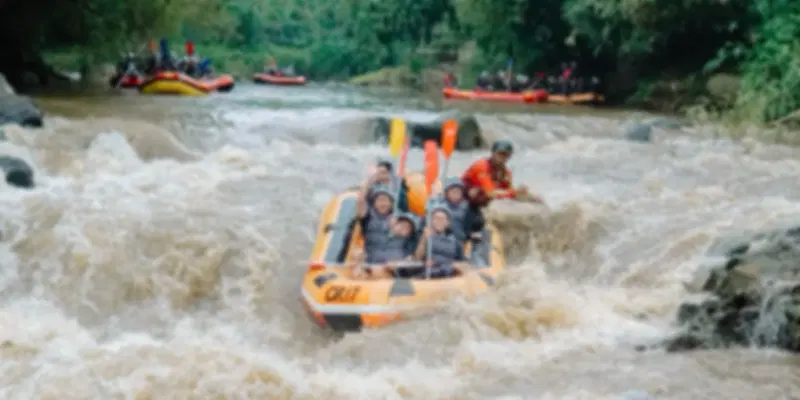
If you are wondering whether white water rafting in Bali on the Ayung River is worth it, the answer is yes. The route offers the right mix of adventure and scenic beauty without being too challenging.
Why Choose Ayung River?
- Beginner-friendly rapids
- Beautiful rainforest scenery
- Beautiful Bali Waterfalls along the route
- Famous stone carvings on river walls
- Suitable for first-time rafters
- Convenient location near Ubud
Difficulty Level
Class II–III Rapids: The rapids offer the perfect balance of fun and excitement without being too intimidating, making white water rafting in Bali suitable for beginners, couples, families, and children who meet the minimum age requirement.
Duration: Approximately 2 to 2.5 hours on the river.
Telaga Waja River: Best for Adventure Seekers

If you are looking for a more thrilling white-water rafting experience in Bali, the Telaga Waja River is the best choice. The river is located in East Bali near Mount Agung and is famous for its longer rafting routes and stronger currents, making it ideal for experienced rafters and thrill seekers. One of the biggest highlights is the famous 4-metre river dam drop, which adds an adrenaline-filled finish to your Bali adventure itinerary.
Why Choose Telaga Waja?
- Longer rafting course
- Faster rapids
- Stunning mountain scenery
- Crystal-clear water
- Less crowded than Ayung
- Ideal for experienced adventurers
Difficulty Level
Class III–IV Rapids: Suitable for travellers seeking a more adventurous experience.
Duration: Around 2.5 to 3 hours.
Melangit River: A Hidden Gem
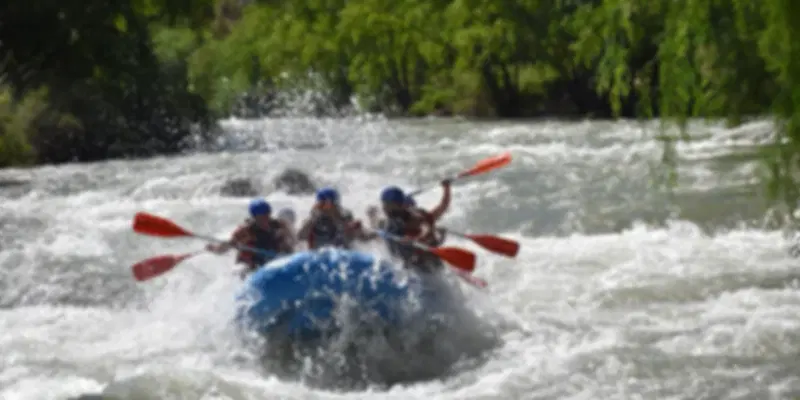
Although less popular than Ayung and Telaga Waja, Melangit River offers a quieter rafting experience. This river is located in Klungkung, East Bali, and offers a more peaceful rafting experience with narrow river channels, exciting twists, and lush tropical scenery. With its peaceful surroundings, the river appeals to travellers searching for hidden places in Bali away from the island’s busiest tourist areas.
Why Choose Melangit River?
- Fewer crowds than Ayung and Telaga Waja
- Narrow river channels for a more exciting ride
- Lush rainforest and untouched natural scenery
- Sharp bends and over 30 fun rapids
- Perfect balance of adventure and relaxation
- Great for travellers looking for an offbeat rafting experience
Difficulty Level
Class I–III Rapids: Suitable for beginners with a sense of adventure as well as intermediate rafters looking for a quieter yet exciting experience.
Duration: Approximately 1.5 to 2 hours on the river.
Ayung River vs Telaga Waja: Which One Should You Choose?
| Feature | Ayung River | Telaga Waja River | Melangit River |
| Location | Near Ubud, Central Bali | East Bali near Mount Agung | Klungkung, East Bali |
| Best For | Beginners, families, couples, first-time rafters | Adventure seekers and experienced rafters | Travellers looking for an offbeat rafting experience |
| Difficulty | Easy–Moderate | Moderate–Challenging | Easy–Moderate |
| Rapid Class | Class II–III | Class III–IV | Class I–III |
| Duration | 2–2.5 hours | 2.5–3 hours | 1.5–2 hours |
| Scenery | Rainforest, waterfalls and ancient stone carvings | Mountains, rice fields and waterfalls | Lush rainforest, narrow river gorges and untouched nature |
| Child Friendly | Yes | Limited | Elders |
| Crowd Level | Most popular and busiest | Moderately crowded | Least crowded |
| Ideal Experience | Relaxed adventure with scenic views | Adrenaline-filled rafting with stronger rapids | Quiet, nature-focused adventure with exciting twists |
How Much Does White Water Rafting in Bali Cost?
The prices of Bali White Water Rafting vary depending on the operator, river, package inclusions and season. Here is the general price guide that will help you plan your Bali budget.
| Package | Approximate Price |
| Ayung River Rafting | IDR 250,000–700,000 (~ ₹1325-3710) per person |
| Telaga Waja Rafting | IDR 300,000–800,000 (~ ₹1590-4242) per person |
| Private Rafting Tours | Higher depending on group size |
| ATV + Rafting Combo | IDR 700,000–1,500,000 (~ ₹3710-7955) per person |
What’s Included in Most Rafting Packages?
The best white water rafting in Bali includes everything you need for a safe and enjoyable experience. While inclusions vary slightly between operators, most tours cover everything you need for a safe and enjoyable rafting experience.
Most rafting packages typically include:
- Hotel pickup and drop-off (from selected areas)
- Professional rafting guide
- Pre-rafting safety briefing
- Helmet and life jacket
- Paddle and other safety equipment
- Waterproof bag or dry bag (operator-dependent)
- Shower facilities
- Towel and changing rooms
- Buffet lunch after the rafting trip
- Basic insurance coverage (varies by operator)
NOTE: Always check what your white water rafting package includes before booking. Some tours may charge extra for hotel transfers, while premium operators often include these in the package price.
Is White Water Rafting Safe in Bali?
Yes, white water rafting in Bali is generally safe when you book with a licensed and reputable rafting operator. Most commercial rafting operators follow strict safety standards, use quality equipment, and employ trained guides to ensure a safe and enjoyable experience.
Safety measures provided by most operators include:
- Certified and experienced rafting guides
- Mandatory safety briefing before the trip
- Safety helmet and fitted life jacket
- Rescue assistance and first-aid support if required
Who Can Go White Water Rafting?
Bali white water rafting is suitable for most healthy adults and children who meet the minimum age requirement set by the rafting operator. With rivers ranging from beginner-friendly to more challenging, the island offers rafting experiences for families, couples and adventure seekers of all experience levels.
White water rafting is suitable for:
- Couples looking for an adventurous activity
- Families with children who meet the minimum age requirement
- Groups of friends
- Corporate teams and team-building events
- Adventure enthusiasts
- First-time rafters (especially on the Ayung River)
- Non-swimmers, as professional guides and safety equipment are provided throughout the trip
NOTE: Most operators have minimum age, height, weight, or health requirements for safety. The operators typically accept guests between 7 and 65 years of age, although the minimum age, maximum age, height, and weight limits may vary by operator and river.
Who Should Avoid White Water Rafting?
While white water rafting in Bali is safe for most people, it may not be suitable for everyone. Due to the physical demands of rafting and the possibility of sudden impacts during rapids, some travellers should avoid the activity or seek medical advice before booking.
White water rafting is generally not recommended for:
- Pregnant women
- Travellers with serious heart conditions
- Individuals recovering from recent surgery
- People with severe back, neck, or spinal injuries
- Those with mobility issues that make entering or exiting the raft difficult
- Anyone with a medical condition that could be aggravated by strenuous physical activity
Important: If you have any medical concerns or pre-existing health conditions, consult your doctor and inform the rafting operator before booking.
Best Time for White Water Rafting in Bali
White water rafting in Bali is available year-round, but the experience varies depending on the season. The best time depends on the type of experience you are looking for and generally aligns with the best time to visit Bali.
Dry Season (April to October)
The dry season is the most popular time for white water rafting in Bali, due to its sunny weather and stable river conditions.
- Pleasant weather and comfortable temperatures
- Stable water levels with moderate rapids
- Clear views of Bali’s lush landscapes
Best for: Beginners, families, first-time rafters and photographers
Rainy Season (November to March)
Rafting continues during the rainy season, but increased rainfall creates faster currents and more exciting rapids.
- Stronger river currents
- Faster and more dynamic rapids
- Lush green rainforest scenery
- Trips operate only when river conditions are safe
Best for: Experienced rafters and thrill seekers
What Should You Wear for Rafting?
Wearing the right clothing will help you stay comfortable and safe during your white water rafting in Bali adventure. Here are some of the recommended items you should wear:
- Swimwear or a swimsuit
- Quick-dry T-shirt or rash guard
- Shorts or lightweight sportswear
- Water shoes or sandals with secure heel straps
- Sunscreen (water-resistant)
- Sunglasses with a retainer strap
- Waterproof phone pouch or dry bag
- A change of clothes for after the trip
- A small towel
PRO TIP: Avoid wearing jewellery, flip-flops, or carrying unnecessary valuables, as they can easily be lost or damaged during the rafting experience.
Tips for a Great Rafting Experience
A little preparation can make your Bali white water rafting experience safer, more enjoyable and stress-free. Here are some of the tips that will help you get the most out of your adventure.
- Book with a licensed and reputable rafting operator.
- Listen carefully to the safety briefing before entering the river.
- Wear your helmet and life jacket correctly throughout the trip.
- Secure your phone and other belongings in a waterproof pouch or locker.
- Stay hydrated before and after the rafting session.
- Apply water-resistant sunscreen to protect yourself from the sun.
- Follow your guide’s instructions and paddle commands at all times.
- If you fall into the water, stay calm and let your life jacket keep you afloat until your guide assists you.
Pro Tip: Book a morning rafting session for cooler temperatures, calmer conditions, and fewer crowds. If you are visiting during Bali’s peak travel season, reserve your rafting tour in advance to secure your preferred time slot.
Can You Combine Rafting with Other Activities?
Yes. Many travel planners like Pickyourtrail offer customised Bali tour packages. These packages combine white water rafting with other popular experiences, making it easy to explore more of the island in a single day. Popular rafting combo packages include:
- ATV quad bike rides in Bali
- Bali Swing
- Ubud sightseeing tours
- Coffee plantation visits
- Elephant sanctuary experiences
- Tegalalang Rice Terraces
- Ziplining and other adventure activities
Ready to Experience White Water Rafting in Bali?
Whether you are planning your first adventure or looking for your next adrenaline rush, white water rafting in Bali is an experience that deserves a place on your itinerary. From the beginner-friendly rapids of the Ayung River to the fast-flowing excitement of Telaga Waja and the quieter trails of the Melangit River, Bali’s rafting experience is for every travel style and comfort level.
Before booking, compare the rivers based on difficulty, choose a licensed operator, check what is included in your package and follow the recommended safety guidelines. With the right preparation, this adventure activity is one of the best things to do in Bali that offers you a unique way to experience the island beyond its beaches and temples.
FAQs
The best river depends on your experience level. Ayung River is ideal for beginners, families, and couples because of its Class II–III rapids and scenic rainforest setting. Telaga Waja River is better for adventure seekers looking for longer routes, faster Class III–IV rapids, and a more thrilling rafting experience. If you prefer fewer crowds, Melangit River offers a quieter alternative with moderate rapids.
Yes. White water rafting in Bali is generally safe for beginners when you book with a licensed operator. Most tours include certified guides, safety briefings, helmets, life jackets, and quality rafting equipment. The Ayung River is the most recommended choice for first-time rafters because of its moderate rapids and well-established rafting routes.
White water rafting in Bali typically costs between IDR 250,000 (₹1,322) and IDR 800,000 (₹4,233) per person, depending on the river, operator, and package inclusions. Many tours include hotel transfers, rafting equipment, professional guides, changing facilities, lunch, and basic insurance. Premium combo packages with activities like ATV rides usually cost more.
Yes. Many rafting operators allow children who meet the minimum age requirement, usually between 7 and 10 years, depending on the river and operator. Non-swimmers can also participate because life jackets, professional guides, and safety instructions are provided throughout the experience.
The minimum age varies by operator and river, but most companies allow children aged 7 years and above on the Ayung River. Some operators have different age, height, or weight requirements, while more challenging rivers like Telaga Waja may have higher minimum age limits. Always confirm the requirements before booking.
Wear swimwear or quick-drying clothes, water shoes or sandals with secure straps, and apply water-resistant sunscreen before your trip. Bring a towel, a change of clothes, and a waterproof pouch for essentials. Avoid wearing jewellery or flip-flops, as they can easily be lost during the rafting experience.
Yes. White water rafting operates throughout the year, including the rainy season (November to March). During this period, rivers usually have stronger currents and more exciting rapids. However, rafting trips only operate when water levels are considered safe, and operators may reschedule tours during extreme weather conditions.
Absolutely. White water rafting in Bali is one of the island’s most popular adventure activities because it combines exciting rapids with tropical rainforests, waterfalls, dramatic river gorges, and scenic mountain views. With options for beginners as well as experienced rafters, it is an activity that suits families, couples, groups, and adventure enthusiasts alike.
The best time for white water rafting in Bali is during the dry season (April to October), when the weather is sunny and river conditions are stable. If you prefer stronger rapids and a more adventurous experience, the rainy season (November to March) offers faster river currents, although trips only operate when conditions are considered safe.
Most rafting experiences last 2 to 3 hours on the river, depending on the location. Ayung River usually takes around 2–2.5 hours, while Telaga Waja River lasts 2.5–3 hours. Hotel transfers and lunch may add a few more hours to the overall experience.
Recommended articles for you









Discover Packages


















Bali City Packages
Packages By Departure City
Packages By Theme
Packages By Duration
Bali Combo Packages

Need help in planning?
Talk to our Travel Experts