
Monsoon in Bali: What to Expect & Travel Tips

If you are planning a trip to Bali between November and March, you have likely come across mixed opinions about the rainy season. Many travellers worry that the monsoon in Bali will ruin their holiday, while others enjoy travelling during these months for the fewer crowds, better hotel deals and lush green landscapes. Bali’s rainy season follows a consistent weather pattern, so with the right planning, you can still enjoy a comfortable and memorable holiday.
While outdoor activities may need a little flexibility due to short tropical showers, you can still enjoy Bali’s cultural places, waterfalls, cafes and wellness retreats throughout the day. This Bali guide covers everything you need to know about the Bali monsoon season, including the weather, rainfall patterns, the best places to visit, top things to do, practical travel tips, and how to plan an enjoyable rainy-season trip.
Bali Monsoon Season at a Glance
Understanding the best time to visit Bali and its seasonal patterns can help travellers choose the right month for their trip.
| Category | Details |
| Monsoon months in Bali | November to March |
| Wettest months | January and February |
| Best monsoon month | March |
| Average temperature | 24°C–34°C |
| Humidity | 80–90% |
| Rain pattern | Afternoon/evening showers |
| Ocean conditions | Can be rough during heavy rains |
| Best for | Budget travellers, couples, nature lovers |
What Does a Rainy Day in Bali Actually Look Like?
A common misconception about the monsoon season in Bali is that it brings constant rain throughout the day. But in reality, rainfall usually follows a predictable daily pattern, leaving plenty of time for sightseeing, beach visits, and other outdoor activities. So, if you are visiting during the monsoon, here is what you can usually expect throughout the day:
- Morning (until around 11 am): Usually sunny or partly cloudy, making it the best time for beaches, temples, waterfalls, and sightseeing.
- Midday to afternoon: Clouds begin to build, followed by short but heavy tropical showers. These downpours are often brief and may clear within an hour.
- Evening: Rain usually eases, leaving warm, humid, and generally dry conditions for dining, shopping, or exploring local attractions.
NOTE: January and February are the wettest months, and rainfall can occasionally last longer or continue over several days. So, if you are visiting during this period, it is a good idea to keep your itinerary flexible and plan a mix of indoor and outdoor activities.
Bali Weather During Monsoon Season: Month-by-Month Breakdown
| Month | Average Rainfall | Average Temperature | Humidity | What to Expect |
| November | 170–180 mm | 24–33°C | 80–85% | The monsoon in Bali begins. Rain becomes more frequent, usually arriving as short afternoon or evening showers, while mornings remain sunny. Landscapes become greener, and waterfalls start flowing more strongly. |
| December | 270–280 mm | 24–33°C | 82–86% | Rainfall increases noticeably, but long hours of sunshine are still common between showers. Christmas and New Year bring Bali’s busiest tourist season, so expect crowded attractions and premium hotel prices. |
| January | 330–345 mm | 24–33°C | 85–90% | January is generally the wettest month in Bali. Heavy tropical downpours, high humidity, lush rice terraces, and occasional localised flooding are possible, though rain rarely lasts all day. |
| February | 270–275 mm | 24–33°C | 84–89% | Weather remains very similar to January, with frequent but often short-lived tropical showers.Waterfalls are at their most spectacular, and tourist crowds remain relatively low outside holiday periods. |
| March | 230–235 mm | 24–34°C | 80–85% | Rain gradually decreases as Bali transitions toward the dry season.Visitors enjoy more sunshine, lush scenery, comfortable temperatures, and improving beach conditions. |
Advantages of Visiting Bali During Monsoon Season
Despite the occasional rain, Bali’s monsoon season offers several advantages, especially for travellers looking for better value and a more relaxed experience.
- Fewer crowds: Popular attractions such as Tegalalang Rice Terrace, Uluwatu Temple, and Mount Batur are generally less crowded, allowing for a more peaceful visit.
- Lower travel costs: Flights, hotels, and tour packages are often more affordable than during the peak season of July and August, making it a great time for budget-conscious travellers.
- Lush green landscapes: Frequent rainfall transforms Bali’s rice terraces, jungles, and countryside into vibrant green scenery, making it one of the island’s most photogenic seasons.
- Spectacular waterfalls: The Tegenungan waterfalls and the Sekumpul waterfalls are at their most powerful after rainfall, creating dramatic views and excellent photography opportunities.
- Favourable surfing conditions on the east coast: During the wet season, the east coast receives cleaner swells and favourable wind conditions, making spots like Keramas and Nusa Dua popular with surfers.
Things to Consider Before Visiting Bali During the Monsoon
While the rainy season has its advantages, there are a few challenges to keep in mind when planning your trip.
- High humidity: Humidity levels often reach around 90%, making the weather feel warmer and more uncomfortable, especially during the afternoon.
- Rougher sea conditions: Strong winds and higher waves can occasionally lead to delays or cancellations of boat trips to Nusa Penida and the Gili Islands, so it’s wise to keep your itinerary flexible.
- More mosquitoes: Rainfall creates favourable conditions for mosquitoes, making insect repellent essential, particularly in the evenings and near lush green areas.
- Slippery roads: Heavy showers can make roads wet and slippery, so extra caution is needed if you are renting a scooter or driving around the island.
- Flash flooding risk: During periods of heavy rainfall, especially in January and February, some low-lying areas may experience temporary flooding and slower traffic.
Best Places to Visit in Bali During Monsoon Season
The monsoon in Bali offers a completely different side of the island, transforming its landscapes into a lush tropical paradise with greener forests, fuller waterfalls, misty mountains, and fewer crowds at popular attractions. The key to enjoying Bali during monsoon season is choosing destinations that match the weather conditions.
1. Ubud – Best for Culture, Rice Terraces & Lush Landscapes

Ubud is one of the best places to visit in Bali during the rainy season, especially for travellers who want to experience the island’s cultural and natural charm. The frequent rainfall during monsoon months enhances the beauty of Ubud’s forests, rivers, and rice terraces, making the entire region look greener and more vibrant.
Best experiences in Ubud during monsoon season:
- Explore the emerald-green landscapes of Tegallalang Rice Terrace
- Visit traditional temples surrounded by tropical forests
- Enjoy Balinese spa treatments and wellness retreats
- Explore Ubud Art Market and local handicraft stores
- Attend Balinese cooking classes and cultural experiences
Travel Tip: Plan outdoor activities in Ubud during the morning hours, as short afternoon showers are more common during the monsoon season.
2. Munduk – Best for Waterfalls, Mountains & Nature Escapes
Located in northern Bali, Munduk is one of the most rewarding destinations during the monsoon months. The higher altitude brings cooler temperatures, misty mountain views, and a peaceful atmosphere that feels completely different from Bali’s coastal areas.
Best experiences in Munduk during monsoon season:
- Visit Munduk Waterfall and nearby jungle cascades
- Enjoy scenic mountain viewpoints
Travel Tip: Carry waterproof footwear as hiking trails around waterfalls can become slippery after rainfall.
3. Sidemen – Best for Authentic Bali & Peaceful Countryside
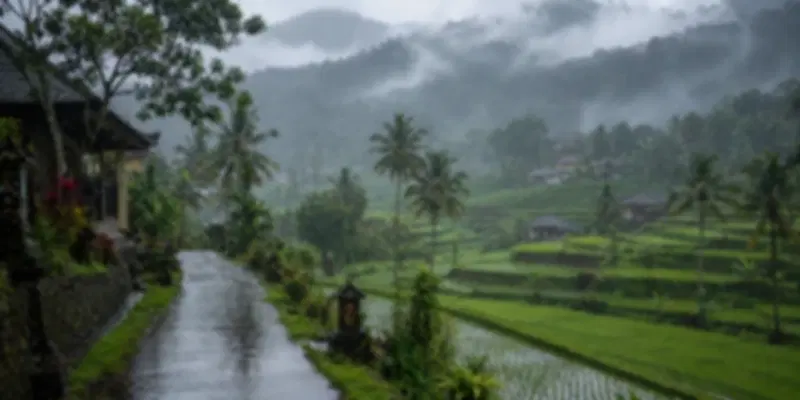
For travellers looking to escape busy tourist areas, Sidemen offers one of the most authentic experiences during the monsoon in Bali. This peaceful valley region becomes even more scenic during the rainy season, with bright green rice fields, flowing rivers, and dramatic views of Mount Agung surrounded by clouds.
Best experiences in Sidemen during monsoon season:
- Walk through traditional rice terraces
- Explore local villages and handicraft workshops
- Enjoy scenic nature walks
- Stay in riverside villas surrounded by greenery
- Experience Balinese farming traditions
Travel Tip: Sidemen is ideal for couples, honeymooners, and slow travellers who prefer peaceful surroundings over nightlife.
4. Uluwatu – Best for Clifftop Views, Temples & Sunsets
Although southern Bali can experience stronger winds and occasional rain during monsoon months, Uluwatu remains a great destination when planned around weather conditions. The dramatic cliffs, ocean views, and cultural experiences make it one of Bali’s most memorable areas.
Best experiences in Uluwatu during monsoon season:
- Watch the famous Kecak Fire Dance at Uluwatu Temple
- Explore dramatic cliff viewpoints
- Visit beaches during clear weather windows
- Enjoy ocean-view restaurants and cafes
- Experience Bali’s sunset scenery
5. Seminyak – Best for Cafes, Shopping & Rainy-Day Experiences
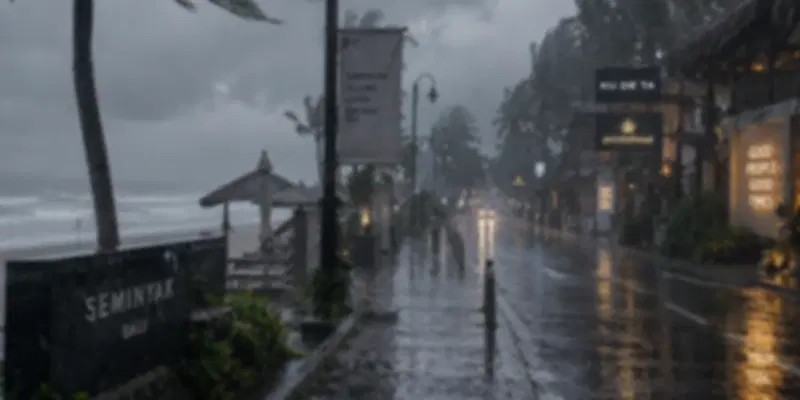
Seminyak is a convenient choice for travellers visiting Bali during the rainy season because it offers plenty of experiences that are not heavily dependent on weather. The area has a wide range of cafes, restaurants, shopping streets, spas, and entertainment options, making it easy to adjust plans when sudden showers arrive. It is especially suitable for first-time visitors who want comfort, convenience, and access to multiple activities in one location.
Best experiences in Seminyak during monsoon season:
- Explore boutique shops and local markets
- Enjoy Bali’s cafe and restaurant scene
- Relax at luxury spas
- Visit beach clubs during clear weather
- Experience sunset dining by the coast
6. Canggu – Best for Cafes, Digital Nomad Culture & Relaxed Vibes
Canggu remains popular throughout the year and is an ideal destination for travellers who enjoy a slower lifestyle, good food, cafes, and a social atmosphere. During monsoon season, the area offers plenty of indoor and outdoor experiences, making it easier to enjoy Bali despite changing weather.
Best experiences in Canggu during monsoon season:
- Explore Bali’s famous cafes and restaurants
- Visit local markets and boutique stores
- Enjoy beach clubs between showers
- Try surfing when sea conditions are suitable
- Experience the digital nomad lifestyle
Does Bali Experience Typhoons During Monsoon?
No. Bali is not affected by typhoons because Indonesia lies outside the western Pacific’s main typhoon belt. Instead, the island experiences a tropical monsoon climate, where the rainy season is characterised by seasonal rainfall rather than tropical cyclones. During the wet season, the main weather-related concerns are heavy rain, occasional localised flooding in low-lying areas, rougher sea conditions, and temporary travel disruptions, rather than destructive storm systems.
What to Pack for Bali Monsoon Season
Packing the right essentials will help you stay comfortable and prepared for Bali’s warm, humid weather and occasional tropical showers.
- Compact umbrella or lightweight rain jacket: Ideal for short, heavy downpours and easier to carry than a bulky poncho.
- Lightweight, quick-dry clothing: Breathable fabrics dry faster and keep you comfortable in Bali’s high humidity.
- Waterproof sandals or quick-dry footwear: A practical choice for wet roads, puddles, and beach visits during the rainy season.
- Waterproof phone pouch or dry bag: Protects your phone, passport, and other valuables during boat trips, scooter rides, or unexpected rain.
- Mosquito repellent: Choose a DEET- or picaridin-based repellent to reduce mosquito bites, especially during the evenings and in greener areas.
- Light sweater or shawl: Useful for chilly air-conditioned restaurants, cafés, shopping malls, and airport terminals, even though outdoor temperatures typically range from 25°C to 31°C.
Practical Tips for Travelling Bali During the Monsoon
A little planning can help you make the most of Bali’s rainy season and minimise weather-related disruptions.
- Plan outdoor activities in the morning: Beaches, temples, waterfalls, rice terraces, and hiking trails are usually best enjoyed before afternoon showers become more common.
- Keep a flexible itinerary: Include indoor activities such as spa treatments, cooking classes, museums, cafés, or shopping, so you have enjoyable alternatives if it rains.
- Use ride-hailing apps: Download Gojek or Grab before your trip for convenient transport when sudden rain makes walking or finding a taxi difficult.
- Allow extra travel time: Heavy rain can slow traffic, particularly around popular tourist areas and during airport transfers, so avoid scheduling activities too closely together.
- Choose accommodation with good facilities: Hotels or villas with covered walkways, reliable drainage, and indoor amenities can make rainy days much more comfortable.
- Be flexible with boat trips: If you are visiting Nusa Penida or the Gili Islands, allow a backup day in your itinerary, as rough seas may occasionally delay or cancel ferry services.
- Avoid renting a scooter during the heaviest rain: If you are planning to rent a scooter, avoid riding during heavy downpours whenever possible. Wet roads and reduced visibility can make driving more challenging.
Should You Still Book a Bali Trip During Monsoon Season?
The monsoon in Bali offers a different but equally rewarding travel experience, with lush landscapes, fewer crowds, and excellent value for money. Since rainfall usually comes in short tropical bursts rather than lasting all day, travellers who plan outdoor activities in the morning and keep a flexible itinerary can still enjoy a rewarding holiday. Couples looking for quieter resorts, budget travellers taking advantage of lower prices, and anyone looking to enjoy the green landscape in their Bali package from India, this season is one of the most beautiful periods to visit the island. By understanding the Bali monsoon season, packing the right essentials, and staying informed about weather conditions for boat trips and outdoor adventures, you can make the most of your visit regardless of the forecast.
Frequently Asked Questions
January is the rainiest month in Bali, receiving around 330–345 mm of rainfall on average. February is also among the wettest months, with frequent tropical showers and high humidity.
Bali’s monsoon season usually occurs between November and March, with the heaviest rainfall generally experienced during December, January, and February. January is typically the wettest month, while March marks the transition towards the drier season with decreasing rainfall.
No, it usually does not rain all day during the monsoon in Bali. Most days experience short, heavy tropical showers, often in the afternoon or evening, followed by clearer weather. Mornings are generally the best time for outdoor activities such as beaches, temples, waterfalls, and sightseeing.
Yes, Bali is worth visiting during the monsoon season if you prefer fewer crowds, lower travel costs, and lush green landscapes. The rainy season is an excellent time for exploring waterfalls, rice terraces, temples, cafes, spas, and cultural experiences. However, travellers should keep flexible plans for outdoor activities and island trips.
During the Bali monsoon season, travellers can enjoy activities that are less dependent on sunshine, including visiting temples, exploring art markets, experiencing Balinese cooking classes, enjoying spa treatments, visiting cafes, photographing waterfalls, and exploring Ubud’s cultural attractions. Outdoor activities are still possible by planning them during clearer morning hours.
Yes, Bali is generally safe to visit during the monsoon season. Travellers should take basic precautions such as carrying rain protection, avoiding flooded roads, riding scooters carefully on wet surfaces, and checking sea conditions before planning boat trips to places like Nusa Penida or the Gili Islands.
Yes, you can still visit beaches during the monsoon season, but conditions may vary depending on rainfall, wind, and sea conditions. Some beaches may experience stronger waves or occasional debris after heavy rain, so it is best to check local conditions before swimming or planning water activities.
Generally, yes. The months between November and March (excluding the Christmas and New Year holiday period) are considered a lower-demand travel period, so travellers can often find better deals on flights, hotels, and holiday packages compared to the July–August peak season.
For Bali’s rainy season, pack lightweight quick-dry clothes, a compact rain jacket or umbrella, waterproof footwear, a dry bag for electronics, mosquito repellent, sunscreen, and a light layer for air-conditioned places. These essentials help you stay comfortable during sudden tropical showers and humid weather.
March is often considered the best month during Bali’s monsoon season because rainfall starts decreasing while the island remains lush and green. It offers a good balance of fewer crowds, pleasant weather, and better conditions for sightseeing compared to the wetter months of January and February.
Yes, you can still visit Nusa Penida and the Gili Islands during Bali’s monsoon season (November to March), but you should plan with some flexibility. During the wet season, heavier rainfall, stronger winds, and rougher seas can make boat crossings less predictable, and some fast-boat services may be delayed or cancelled during periods of poor weather.

Recommended articles for you








Discover Packages



















Bali City Packages
Packages By Departure City
Packages By Theme
Packages By Duration
Bali Combo Packages

Need help in planning?
Talk to our Travel Experts