
- Home
- Attractions
- Bali
- Sekumpul Waterfalls: Bali’s Most Stunning Multi-Cascade Wonder
Sekumpul Waterfalls: Bali’s Most Stunning Multi-Cascade Wonder
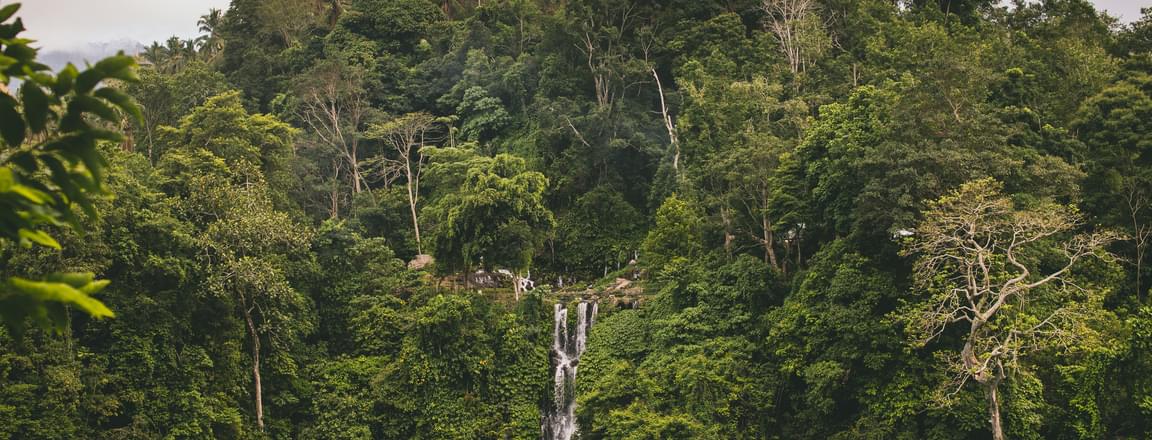
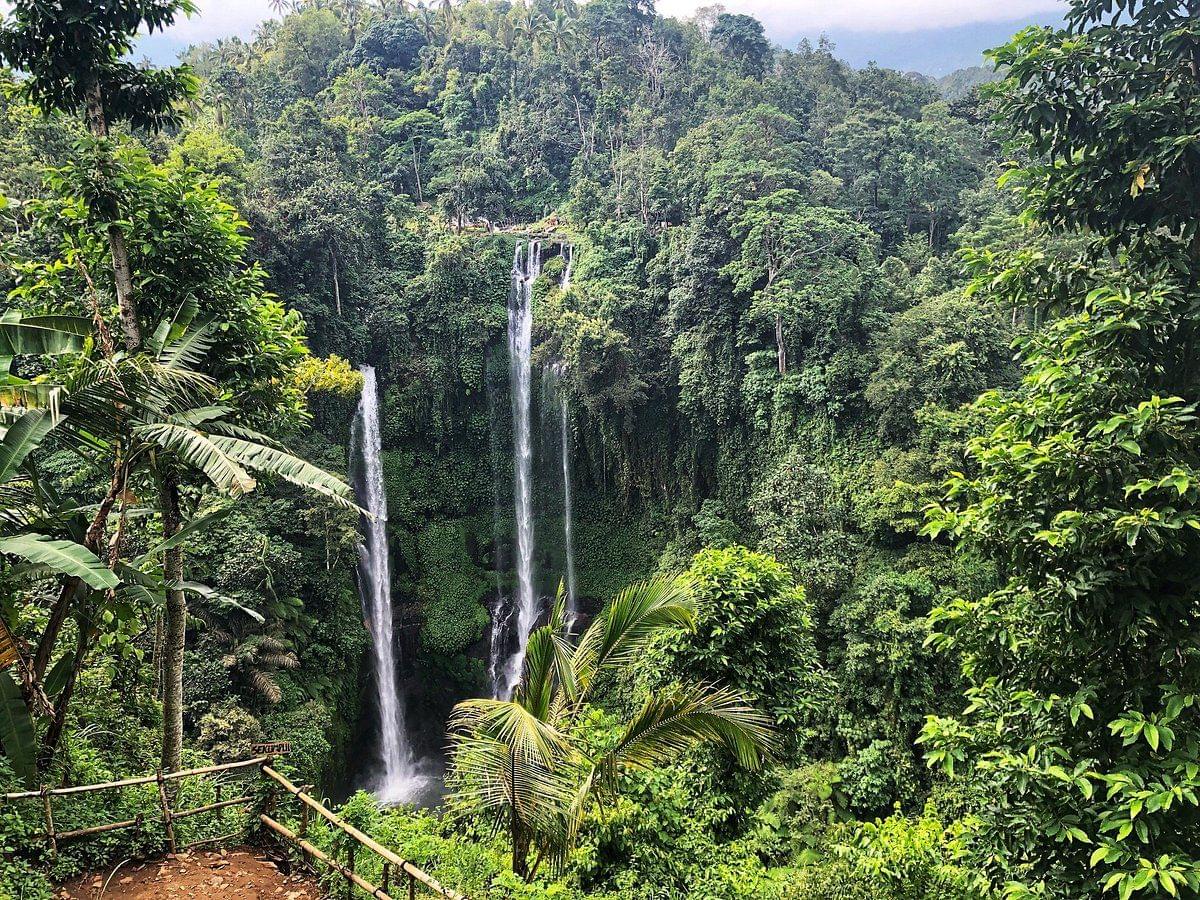
Hidden deep in the lush highlands of North Bali, Sekumpul Waterfalls is widely celebrated as the most breathtaking waterfall destination on the island. Towering waterfalls cascade into emerald pools, while mist drifts through jungle canopies, creating a magical atmosphere. The sound of rushing water grows louder as you walk down, building anticipation before the view finally opens up.
As one of the most stunning highlights of Bali tourism, this hidden gem offers an experience far beyond crowded beaches. Perfect for nature lovers and adventure seekers, it combines scenic beauty with a thrilling trek. This guide will help you plan your visit with tips on routes, timing, safety, and nearby attractions.
Why Visit Sekumpul Waterfalls in Bali?
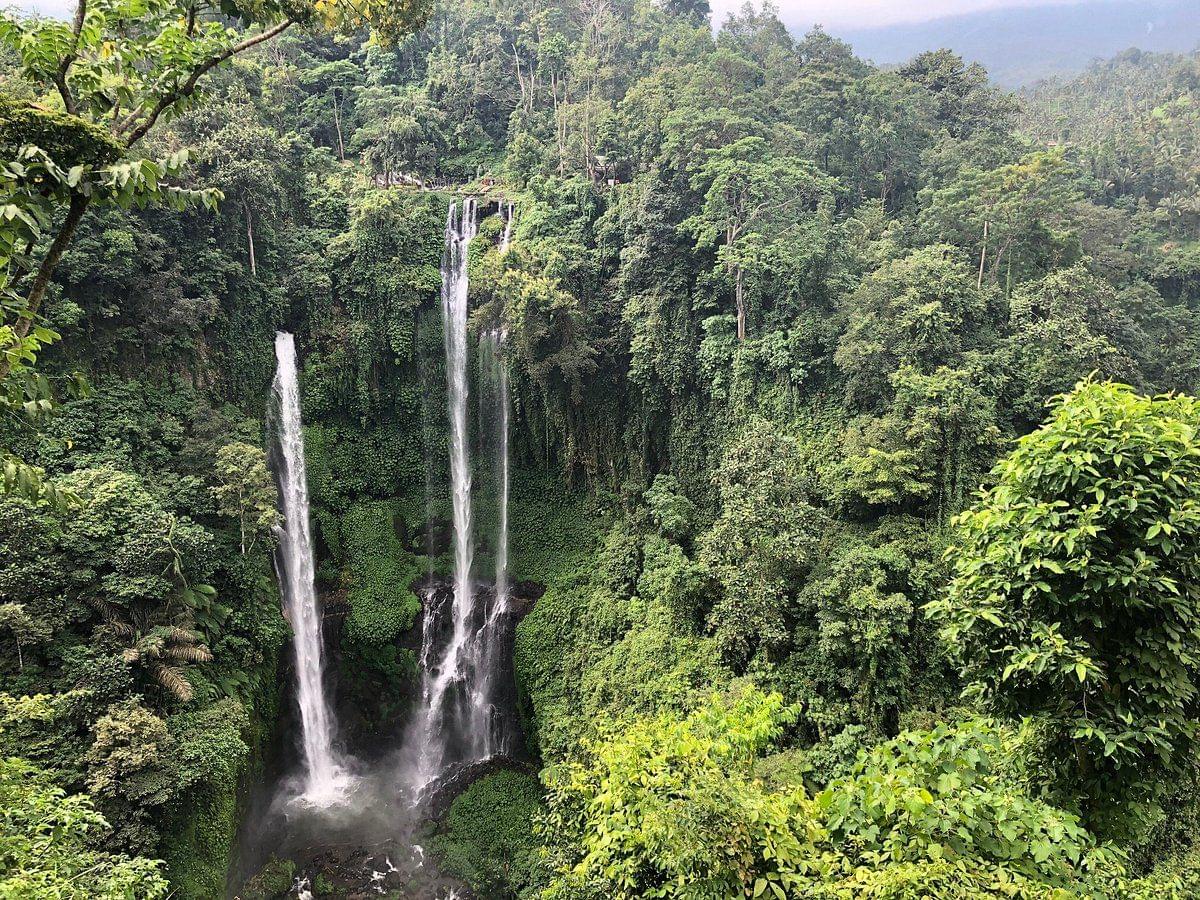
Sekumpul Waterfalls is a group of waterfalls, with the tallest cascade reaching about 80 metres along the steep jungle cliffs. The raw energy, misty weather, and untouched surroundings make it feel far away from Bali’s crowded beaches. It is often considered one of the top waterfalls in Bali for its untouched beauty and dramatic landscape.
What makes Sekumpul Waterfall truly special:
- One of the tallest waterfalls in Bali
- Located in an untouched tropical rainforest
- Multiple waterfalls flow side by side
- Adventure-filled trek with river crossings
- Perfect for photography and drone shots
- A cooler mountain climate is ideal for hiking.
For travellers looking to experience Bali beyond its busy tourist spots, Sekumpul feels like a true hidden gem.
About Sekumpul Waterfalls Bali: Location, Geography & Natural Beauty
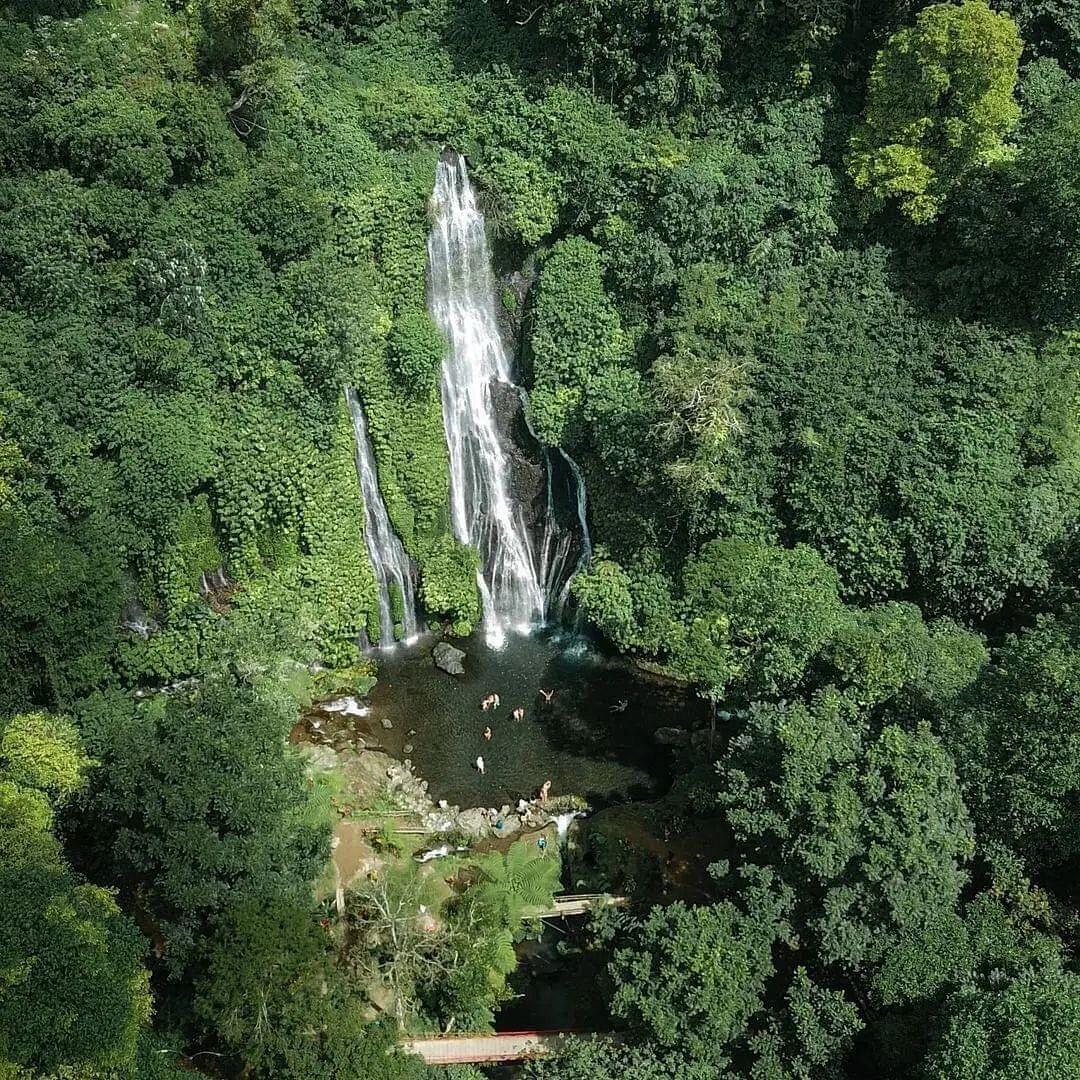
Sekumpul Waterfalls is located in the quiet village of Sekumpul near Singaraja, about 2–3 hours from Ubud and Seminyak. The journey itself feels peaceful as you pass through green hills, small villages, and scenic roads.
The area is surrounded by thick rainforest, bamboo trees, clove plantations, and deep valleys, making it one of the most untouched and scenic places among Bali's attractions.
The name “Sekumpul” means “group” in Indonesian. It refers to the many waterfalls that flow together here, fed by mountain springs from the Twin Lakes—Lake Buyan and Lake Tamblingan.
During the rainy season, the water flow becomes much stronger, making the waterfalls look even more powerful and dramatic. This natural setting is what makes Sekumpul truly special.
What to Expect at Sekumpul Waterfalls | Trekking Experience & Scenery
Visiting Sekumpul Waterfalls feels like stepping into a real jungle adventure.
Trekking Highlights
- Descend steep staircases through rainforest trails.
- Cross shallow rivers barefoot or with sandals.
- Walk past local farms and the bamboo bridge.
- Witness panoramic viewpoints of multiple cascades.
- Reach the base pool for close-up views and photos.
The Sekumpul waterfall hike is moderately challenging but highly rewarding, especially for adventure lovers. At the end, you’ll witness multiple waterfalls crashing into a misty basin—an experience many travellers consider the highlight of their Bali waterfall tour.
Which Trekking Route to Choose at Sekumpul Waterfall
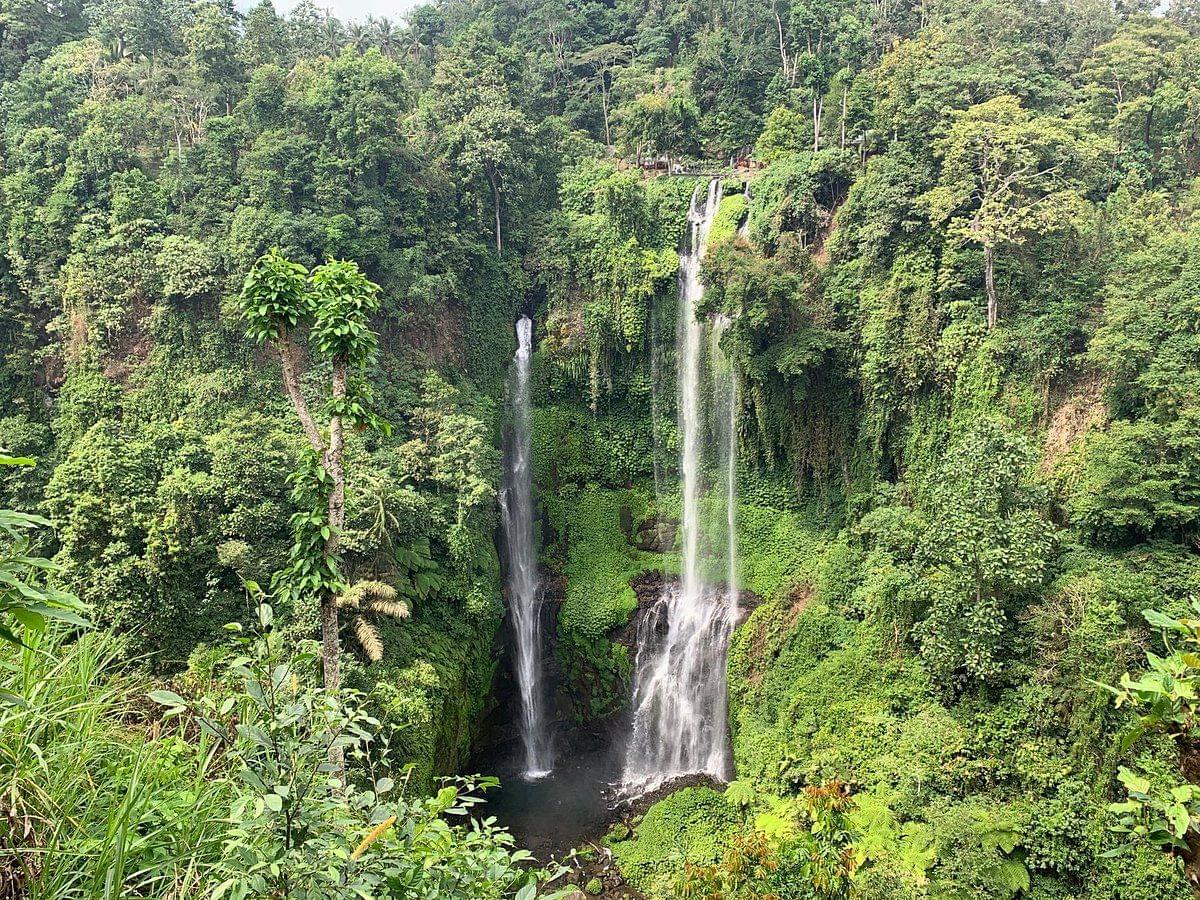
Many travellers don’t realise there are different ways to explore Sekumpul Waterfall, Bali, and choosing the right route can completely change your experience. It is also considered one of the best trekking places in Bali, especially for those who enjoy a mix of adventure and scenic beauty.
1. Viewpoint Only (Easy Option): This is the simplest way to see the waterfall. It involves a short walk from the entrance with no major trekking. It is perfect if you are short on time or just want quick photos without much effort.
2. Medium Trek (Fiji + Sekumpul View): This option includes a moderate hike through jungle paths and local trails. You get to see multiple waterfalls, including Fiji Waterfall, without doing the full, difficult trek. It is a good balance between effort and experience.
3. Full Trek to Base (Best Experience): This is the most complete experience. It includes steep steps, river crossings, and a longer trek of around 1–2 hours. In the end, you reach the base and get the closest and most powerful view of the waterfalls. Ideal for adventure lovers.
Best Time to Visit Sekumpul Waterfalls Bali | Weather & Crowd Tips
Dry Season (April to October)
- Best trekking conditions
- Safer river crossings
- Clear photography lighting
- Moderate water flow
- Ideal for hiking and sightseeing
This is considered the best time to visit Bali Sekumpul Waterfall for a safe and comfortable experience
Wet Season (November to March)
- Waterfalls at full power
- Lush greenery and dramatic mist
- Trails can be slippery.
- River levels may rise.
- Best for experienced trekkers only
Early morning (7–10 AM) is the best time to visit Sekumpul Waterfalls to avoid crowds and capture golden light photography.
How to Reach Sekumpul Waterfalls, Bali
From Ubud / Seminyak / Canggu
- Private car or taxi (2.5–3 hours)
- Scooter for experienced riders
- Guided tour transfers
From Lovina / North Bali
- 45–60 minutes' drive
Travelling to Sekumpul waterfall from Ubud takes around 2.5 to 3 hours, making it a perfect full-day trip.
Many travellers combine Sekumpul Waterfalls, Bali, with other North Bali attractions using curated itineraries from Pickyourtrail’s Bali tour packages, ensuring comfortable transfers and expert planning.
Entrance Fees & Local Guide Information at Sekumpul Waterfall
- The Sekumpul waterfall entrance fee starts at IDR 20,000 (₹110) for viewpoint access per person, or IDR 125,000–250,000 (₹680–₹1,360) for guided treks.
- Local Guide (often required for treks): IDR 100,000–150,000 (₹540–₹811), usually included in trek fees.
- Parking Fee: Minimal
Note: Fees are tiered by route (viewpoint, medium, full trek) and often include a mandatory guide for safety; total price varies with transport.
Tip: A local guide is often required for treks, enhancing safety during river crossings and the best viewpoints.
Safety Tips for Visiting Sekumpul Waterfalls
- Put on tough walking shoes or water sandals.
- Avoid visiting immediately after heavy rainfall
- Carry a waterproof bag to protect electronics.
- Carry snacks and drinking water
- Follow local instructions and signage.
- Swimming in the fast current is not advisable.
Nearby Attractions Around Sekumpul Waterfalls, Bali
You can extend your trip by visiting these nearby attractions around Sekumpul Waterfalls:
- Fiji Waterfall Bali – Twin waterfall just downstream
- Gitgit Waterfall Bali – Popular cascade with easy access
- Ulun Danu Beratan Temple – Iconic floating temple
- Twin Lakes Buyan & Tamblingan – Scenic viewpoints
- Lovina Beach – Dolphin-watching and black sand beaches
Best Things to Do at Sekumpul Waterfalls, Bali
1. Jungle Trekking Adventure: Hike through real rainforest tracks and cross rivers on the way to the Sekumpul Waterfall vistas.
2. Waterfall Photography: Take theatrical long shots, hazy atmospheres, and leafage.
3. Drone Videography (Where Permitted): The perspective of Sekumpul Waterfalls in Bali can be seen through aerial shots.
4. Nature Meditation & Relaxation: Get the sound of falling water and the forest to relax the mind.
5. Cultural Village Interaction: Along the trail, you’ll also get a glimpse of local village life and farmers working in the fields.
Ideal Sekumpul Waterfalls Day Itinerary
1. Morning
- Depart early from Ubud or Seminyak
- Breakfast stop en route
- Reach the trail entrance by 8 AM
- Trek and explore Sekumpul Waterfalls
2. Afternoon
- Lunch at a local warung
- Visit the Fiji Waterfall in Bali
- Drive to Ulun Danu Beratan Temple
3. Evening
- Sunset viewpoint at Twin Lakes
- Return to the hotel
Travel Tips for a Smooth Visit
- Start early to avoid crowds
- Pack light but waterproof
- Bring small change for local fees
- Wear breathable clothing
- Respect local customs
- Avoid littering
- Keep emergency contacts saved
Common Mistakes to Avoid at Sekumpul Waterfall
- Starting late and trekking during peak heat
- Wearing slippers instead of proper trekking shoes
- Not carrying cash for the Sekumpul waterfall entrance fee
- Underestimating the Sekumpul waterfall hike difficulty
- Visiting right after heavy rain (trails become risky)
Bottom Line: Why Sekumpul Waterfalls Bali Should Be on Your Bucket List
With its towering waterfalls, thrilling hikes, and raw natural beauty, Sekumpul Waterfalls truly captures the wild spirit of Bali. It presents one of the few destinations where one can experience adventure and tranquillity. Each walk over the rainforest, each drop of the mist, and every view of the panorama remind you of the reason why Bali remains one of the most popular nature destinations in the world.
FAQs
1. Where are Sekumpul Waterfalls located in Bali?
The Sekumpul Waterfalls in Bali are located in Sekumpul Village, Singaraja, North Bali.
2. How long does the trek to Sekumpul Waterfall take?
The trek typically takes 45–60 minutes one way, depending on pace and river conditions.
3. Is Sekumpul Waterfalls suitable for beginners?
It is advised to be of moderate fitness. There are stairs and river crossings on the trail.
4. Can you swim at Sekumpul Waterfalls?
Yes, you can swim in safe areas, but avoid entering the water after heavy rainfall.
5. What is the best season to visit Sekumpul Waterfalls in Bali?
The safest and most favourable times for trekking would be April to October, and the visibility is at its highest.
6. Do I need a guide for Sekumpul Waterfall?
Guides are often required for treks, though advisable for all visits for safety and navigation.
7. Is Sekumpul Waterfalls crowded?
It is not as busy as Bali attractions in the south, particularly in the early mornings.