
10 Most Beautiful Islands in France: Complete Travel Guide, Ferries & Tips
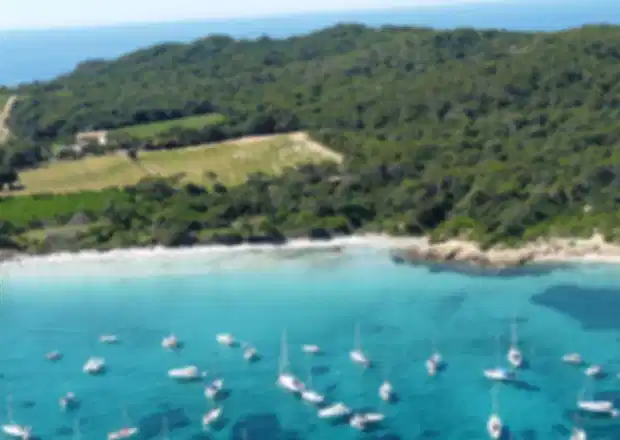
The most beautiful islands in France offer a side of the country far removed from crowded cities and classic landmarks. Scattered across the Mediterranean and Atlantic coasts, these islands combine turquoise beaches, dramatic cliffs, cycling trails, fishing villages, and protected nature reserves. They are perfect additions to curated France tour packages, giving travellers a chance to explore beyond the mainland.
From wild Corsica to car-free Porquerolles and family-friendly Île d’Oléron, each island delivers a distinct travel experience. This complete guide helps you choose the best French islands to visit, covering access, the best time to go, budget planning, and practical tips for an unforgettable island holiday.
Key Takeaway
- Diverse landscapes suit different travellers: Options range from Corsica’s dramatic cliffs to Île de Ré’s flat trails.
- Best used as mainland add-ons: Most islands require 1–4 days and connect easily from coastal towns.
- Shoulder season offers peak conditions: May–June and September–October provide ideal weather, lower prices, and smaller crowds.
- Bridge connections ease logistics: Île de Ré, Île d’Oléron, and Noirmoutier skip ferry steps entirely.
- Summer bookings require advance planning: secure summer ferries 2–3 months early, while shoulder season requires 1–2 weeks.
How to Choose the Right Island for Your Trip
If you want dramatic scenery and don’t mind a longer journey, Corsica rewards a dedicated 5–8-day trip. However, if you’re short on time and based near the French Riviera, Porquerolles works as a single beach day. Travelling with family, Île d’Oléron’s calm, shallow beaches are the easiest sell. Want a car-free, slow-travel few days? Île de Ré or Île aux Moines fits best into your France itinerary.
10 Most Beautiful Islands in France You Must Visit
From the turquoise waters of Corsica to the wild landscapes of Île de Ré, France is home to stunning islands that offer beaches, nature, charming villages, and unique coastal experiences. Here is a list of some of the most beautiful islands in France:
1. Corsica – France’s Wild Mediterranean Island of Cliffs & Heritage
France’s largest island and its wildest. Corsica is best for dramatic coastlines, mountain hikes, historic citadels, and multi-day road trips. Ideal for travellers seeking adventure, culture, and untamed landscapes.
- Best time to visit: May–June and September–October
- How to reach: Ferry from Marseille/Toulon or fly to Ajaccio, Bastia or Figari
- Average price: €80–150 (₹8,800–16,500) per person/day
- Things to do: Beach hopping, hiking, kayaking, sightseeing and road trips
- Where to stay: Ajaccio, Bastia, Porto-Vecchio or Bonifacio
2. Porquerolles – Turquoise Beaches & Car-Free Cycling Paradise
A protected island off the Giens Peninsula with some of the clearest water on the French Mediterranean coast. No cars are allowed, so exploring is by bike or on foot, past vineyards and sandy coves. Works well as a day trip if you’re already based near Toulon or Hyères. Perfect for relaxed Mediterranean escapes.
- Best time to visit: May–June and September
- How to reach: Ferry from La Tour Fondue near Hyères
- Ferry price: Around €20 (₹2,200) return
- Average price: €60–100 (₹6,600–11,000) per person/day
- Things to do: Cycling, swimming, snorkelling, hiking, and beach hopping
- Where to stay: Porquerolles village or Hyères for a day trip
3. Belle-Île-en-Mer – Dramatic Coastal Walks in Brittany
Reached from Quiberon, Belle-Île delivers rugged cliffs, scenic harbours, and some of Brittany’s best coastal walking trails. A must-add place to a France itinerary for photographers and travellers who want nature over nightlife.
- Best time to visit: May–September
- How to reach: Ferry from Quiberon
- Ferry price: Around €35 (₹3,850) return
- Average price: €70–120 (₹7,700–13,200) per person/day
- Things to do: Coastal hiking, cycling, beaches, photography and sightseeing
- Where to stay: Le Palais or Sauzon
4. Île de Ré – Flat Cycling Trails, Salt Marshes & Chic Villages
Île de Ré is kKnown for stylish villages, endless bike paths, oyster beds, and beaches. Thus, it is one of the best places to enjoy a honeymoon in France. Travellers flock here for slow travel, spending their days exploring picture-perfect white stone villages, shopping at boutique markets, and eating fresh seafood at local oyster shacks.
- Best time to visit: May–June and September
- How to reach: Drive or take a bus across the bridge from La Rochelle
- Bridge fee: Around €16 (₹1,760) in summer
- Average price: €70–120 (₹7,700–13,200) per person/day
- Things to do: Cycling, beaches, markets, oyster tasting and village walks
- Where to stay: Saint-Martin-de-Ré, La Flotte or Ars-en-Ré
5. Île d’Oléron – Family-Friendly Beaches & Oyster Ports
France’s second-largest island, Île d’Oléron, offers wide sandy beaches, calm waters, seafood markets, and excellent value for families. France’s second-largest island, offering wide sandy beaches, calm waters, seafood markets, and excellent value for families.
- Best time to visit: May–September
- How to reach: Drive across the free bridge from mainland France
- Bridge fee: Free
- Average price: €60–100 (₹6,600–11,000) per person/day
- Things to do: Swimming, cycling, surfing, beaches, and oyster tasting
- Where to stay: Saint-Pierre-d’Oléron or Saint-Trojan-les-Bains
6. Île d’Yeu – Traditional Fishing Villages & Quiet Trails
Less crowded and deeply authentic, featuring stone cottages, rocky coves, and peaceful coastal paths. Located further out in the Atlantic, Île d’Yeu is a hidden gem. It is the perfect destination for travellers who want to hike or bike along quiet coastal paths and relax in secluded, rocky coves.
- Best time to visit: May–September
- How to reach: Ferry from Fromentine or Saint-Gilles-Croix-de-Vie
- Ferry price: Around €30–40 (₹3,300–4,400) return
- Average price: €70–110 (₹7,700–12,100) per person/day
- Things to do: Cycling, hiking, beaches, fishing villages, and coastal walks
- Where to stay: Port-Joinville
7. Île aux Moines – Car-Free Island in the Gulf of Morbihan
When looking for a completely car-free island in France, Île aux Moines in the Gulf of Morbihan is a top recommendation. It is A compact, walkable island ideal for short stays, families, and travellers seeking tranquillity without vehicles.
- Best time to visit: May–September
- How to reach: Ferry from Port-Blanc, Baden
- Ferry price: Around €10–15 (₹1,100–1,650) return
- Average price: €50–90 (₹5,500–9,900) per person/day
- Things to do: Walking, cycling, photography, village exploration, and coastal views
- Where to stay: Île aux Moines or nearby Vannes
8. Île de Bréhat – Flower Island of Northern Brittany
Celebrated for its pink granite rocks, colourful gardens, and mild microclimate. Commonly called the “Island of Flowers”, Île de Bréhat is widely ranked among the prettiest islands in France. Visitors can explore the car-free paths to see the striking contrast between the vibrant green gardens and the island’s famous, dramatic pink granite rock formations.
- Best time to visit: May–September
- How to reach: Ferry from Pointe de l’Arcouest
- Ferry price: Around €15–20 (₹1,650–2,200) return
- Average price: €50–90 (₹5,500–9,900) per person/day
- Things to do: Walking, cycling, photography, gardens, and coastal sightseeing
- Where to stay: Bréhat village or Paimpol
9. Île de Groix – Rare Black Sand Beaches & Rugged Coastlines
A geologically unique island with dramatic cliffs, wild beaches, and a laid-back local vibe. This island is globally famous for its unique mineral landscape, including Europe’s only convex beach and stunning shores made of rare red and garnet-black sand.
- Best time to visit: May–September
- How to reach: Ferry from Lorient
- Ferry price: Around €30 (₹3,300) return
- Average price: €60–100 (₹6,600–11,000) per person/day
- Things to do: Hiking, cycling, swimming, photography, and beach exploration
- Where to stay: Port-Tudy or Groix village
10. Noirmoutier – Tidal Causeway Island Accessible by Road
If you want to visit a French island without dealing with ferry logistics, Noirmoutier is the perfect addition to a French road trip. Famous for the Passage du Gois tidal road, salt marshes, cycling paths, and easy mainland access without ferries. Visitors love driving in to experience its historic salt pans, pine forests, flat cycling trails, and long sandy beaches.
- Best time to visit: May–September
- How to reach: Drive across the permanent bridge or use Passage du Gois at low tide
- Bridge fee: Free
- Average price: €50–90 (₹5,500–9,900) per person/day
- Things to do: Cycling, beaches, salt-marsh tours, photography, and exploring the tidal causeway
- Where to stay: Noirmoutier-en-l’Île or Barbâtre
Best Islands in France at a Glance (Comparison Table)
| Island | Region | Best For | Ferry Access | Duration |
| Corsica | Mediterranean | Cliffs, heritage towns | Bastia/Ajaccio (plane/ferry) | 5-8 days |
| Porquerolles | French Riviera | Turquoise beaches, cycling | Giens (15 min ferry | 1-3 days |
| Belle-Île-en-Mer | Brittany | Coastal walks, harbors | Quiberon ferry | 2-4 days |
| Île de Ré | Atlantic Coast | Cycling, salt marshes | Bridge from La Rochelle | 2-4 days |
| Île d’Oléron | Atlantic Coast | Family beaches, oysters | Bridge/seasonal ferry | 2-4 days |
| Île d’Yeu | Vendée | Fishing villages | Mainland Vendée ferry | 1-3 days |
| Île aux Moines | Gulf of Morbihan | Car-free, family-friendly | Morbihan ferry | 1-2 days |
| Île de Bréhat | North Brittany | Flower gardens, villages | Quick coastal ferry | 1-2 days |
| Île de Groix | South Brittany | Black sand beaches | Lorient ferry | 1-3 days |
| Noirmoutier | Vendée Coast | Tidal causeway | Passage du Gois/ferry | 1-3 days |
Cost of Island Hopping in France
| Island | Typical Ferry Cost | Travel Time | Estimated Daily Budget | Best For |
| Porquerolles | €20–45 (₹2,200–5,000) return | 15–30 min | €60–100 (₹6,600–11,000) | Beaches & cycling |
| Belle-Île-en-Mer | €44–54 (₹4,800–5,900) return | 45 min | €70–120 (₹7,700–13,200) | Cliffs & hiking |
| Île de Groix | Around €30 (₹3,300) return | 45 min | €60–100 (₹6,600–11,000) | Beaches & cycling |
| Île d’Yeu | €30–40 (₹3,300–4,400) return | 30–60 min | €70–110 (₹7,700–12,100) | Quiet coastal escapes |
| Corsica | From €25 (₹2,750) one-way | 6–17.5 hrs | €80–150 (₹8,800–16,500) | Road trips & beaches |
| Île de Bréhat | €15–20 (₹1,650–2,200) return | 10–15 min | €50–90 (₹5,500–9,900) | Gardens & walking |
| Île aux Moines | €10–15 (₹1,100–1,650) return | 5–10 min | €50–90 (₹5,500–9,900) | Car-free escapes |
| Île d’Oléron | Free by bridge | — | €60–100 (₹6,600–11,000) | Families & beaches |
| Île de Ré | €16 (₹1,760) bridge toll in summer | — | €70–120 (₹7,700–13,200) | Cycling & villages |
| Noirmoutier | Free by bridge | — | €50–90 (₹5,500–9,900) | Budget island trips |
Note: Prices are approximate 2026 figures and can vary by ferry operator, season, passenger type and booking date.
Budget tip: For the cheapest island-hopping experience, combine bridge-connected islands such as Île d’Oléron and Noirmoutier with shorter ferry trips to islands such as Bréhat or Porquerolles.
How to Reach the Islands of France
Reaching France’s islands usually involves a combination of flights, trains, buses, and ferries. The best route depends on the island, with popular islands such as Corsica and Île de Ré offering easy connections from mainland France.
Ferry-Accessible Islands
Porquerolles (Giens, ~15 min), Belle-Île (Quiberon, ~45 min), Île de Groix (Lorient, ~45 min), and Corsica (Toulon/Marseille, 5–8 hours, or a short flight). Book summer ferries 2–3 months ahead; shoulder season needs only 1–2 weeks’ notice.
- Porquerolles: Giens Peninsula → 15 min | €20 (₹2,200) round-trip
- Belle-Île-en-Mer: Quiberon → 45 min | €35 (₹3,850) round-trip
- Île de Groix: Lorient → 45 min | €30 (₹3,300) round-trip
- Corsica: Toulon/Marseille → 5–8 hours | From €45 (₹4,950) one-way
Booking Tip: Reserve summer ferries 2-3 months ahead. Shoulder season (May-June, September) offers availability and lower prices.
Bridge-Connected Islands
Île de Ré (toll bridge from La Rochelle), Île d’Oléron (free bridge from Marennes), and Noirmoutier (Passage du Gois tidal road, tide-dependent, or a standard bridge as backup).
- Île de Ré: Toll bridge from La Rochelle (€16 in summer)
- Île d’Oléron: Free bridge from Marennes
- Noirmoutier: Passage du Gois tidal causeway (check tide tables) or bridge
On-Island Transportation
Porquerolles, Île aux Moines, and Île de Bréhat are car-free — cycling or walking only. Corsica, Île d’Oléron, Noirmoutier, and Île de Ré are all comfortably explored by car or bike.
- Car-free islands: Porquerolles, Île aux Moines, Bréhat (cycling/walking only)
- Car-friendly: Corsica, Oléron, Noirmoutier, Ré
Best Time to Visit the Islands of France
The best time to visit the islands of France depends on the island and the type of experience you want. May to September is generally ideal for warm weather, swimming, and outdoor activities. For fewer crowds and better prices, consider May, June, or September.
Peak Season (July-August)
- Pros: Full services, warmest swimming (22-25°C)
- Cons: Crowds, 50% higher prices, advance booking essential
Shoulder Season (May-June, September-October)
Optimal for most travellers. Temperatures 15-22°C, blooming wildflowers, 30% fewer tourists. Ferry schedules are robust, and accommodation is available. Best for budget French island travel.
Off-Season (November-April)
Limited ferry service, cooler weather (8-14°C), and significant closures. Ideal for solitude seekers on larger islands like Corsica and Ré.
Budget Tips for Visiting French Islands
- Travel in shoulder season (May–June, September): Save 20–40% on ferries and hotels.
- Choose bridge-connected islands: Île de Ré, Île d’Oléron, and Noirmoutier avoid ferry costs.
- Book ferries early in summer: Prices rise sharply close to travel dates.
- Stay away from harbours: Village guesthouses and rentals are much cheaper.
- Cycle instead of driving: Most islands are bike-friendly and car rentals are costly.
- Eat local: Bakeries and seafood markets offer affordable, fresh meals.
Sustainable Travel Tips for French Island Holidays
- Pick car-free islands: Porquerolles, Île aux Moines, Île de Bréhat.
- Walk, cycle, or use public ferries to reduce emissions
- Respect protected beaches and marine zones.
- Support local producers and island-made goods.
- Conserve water and recycle properly—island resources are limited.
Final Thoughts – Which French Island Is Right for You?
The best islands in France offer extraordinary diversity from Mediterranean marine reserves to Atlantic tidal causeways. Whether you choose Corsica’s week-long adventure, Porquerolles’ day trip, or Île de Ré’s cycling routes, French island destinations deliver memorable experiences. Plan visits during shoulder seasons (May-June, September) for optimal weather and value. Book ferry tickets in advance for summer travel, and consider car-free islands for sustainable tourism.
FAQs
A: Île d’Oléron offers wide, shallow beaches with lifeguards and calm waters. Île de Ré’s beaches near Saint-Martin provide excellent family facilities with cycling access. Both feature safe swimming and extensive child-friendly amenities.
The 4.3km Passage du Gois to Noirmoutier is only passable 2 hours before and after low tide. Check official tide tables at passage-du-gois.fr. Refuge towers provide safety if caught by rising water. Alternative: use the permanent bridge.
Limited direct connections exist. Brittany islands (Belle-Île, Groix, Île aux Moines) share proximity but require mainland returns. Best approach: base in coastal cities (Quiberon, Lorient) for multi-island access. Corsica requires separate planning.
Noirmoutier and Île d’Oléron offer budget-friendly options with bridge access (no ferry costs), affordable camping/guesthouses (€40-60/night), and free activities like beach walks and cycling.
Summer (July-August): Essential. Book 2-3 months ahead for popular routes (Porquerolles, Belle-Île). Shoulder season: 1-2 weeks is sufficient. Off-season: Walk-up usually available. Same-day returns sell out quickly on weekends year-round.
Corsica is one of the most beautiful islands in France, known for turquoise beaches, dramatic cliffs, mountain landscapes, historic towns, and scenic coastal roads. For a smaller island, Porquerolles stands out for its clear waters, sandy beaches, and car-free cycling trails.
France has hundreds of islands and islets across its mainland coasts and overseas territories. This guide focuses on 10 of the most scenic and accessible islands in mainland France, including Corsica, Porquerolles, Île de Ré, and Noirmoutier.
Corsica is arguably the most famous island in mainland France. It is France’s largest island and attracts travellers with its beaches, mountains, heritage towns and road-trip routes.
The best island depends on your travel style. Corsica is best for road trips and adventure, Porquerolles for beaches and cycling, Île d’Oléron for families, Île de Ré for cycling and villages, and Belle-Île-en-Mer for hiking and dramatic coastal scenery.
Île d’Oléron is one of the best choices for families, with wide sandy beaches, calm waters and family-friendly activities. Île de Ré is another good option, with beaches, cycling routes and convenient facilities.
Porquerolles, Corsica, and Île de Ré are excellent choices for couples. Porquerolles offers secluded beaches and cycling; Corsica combines beaches with scenic road trips, while Île de Ré is ideal for relaxed cycling, village walks, and seafood.
Yes, but most islands require a combination of train or flight plus ferry, bridge or road travel. Corsica is usually reached by flying from mainland France or taking a longer ferry, while islands such as Île de Ré and Noirmoutier can be reached by road after travelling to the west coast.
Île de Ré, Île d’Oléron and Noirmoutier are among the easiest because they have road or bridge connections to mainland France. Porquerolles is also convenient, with a short ferry ride from the Giens Peninsula.
Yes, but direct island-to-island connections are limited. A practical approach is to stay on the mainland and visit nearby islands from coastal bases such as Quiberon, Lorient, or Hyères. Corsica generally requires separate planning.
Yes. France has several Caribbean islands and territories, including Guadeloupe, Martinique, Saint-Martin, and Saint-Barthélemy. However, these are overseas French territories and are not covered in this mainland France island guide.
Réunion is a French overseas department and island in the Indian Ocean. It is known for volcanic landscapes, mountains, hiking trails and tropical scenery, but it is separate from the mainland French islands covered in this guide.
Yes. Réunion is an overseas department and region of France in the Indian Ocean. It is part of France but is geographically far from mainland Europe.
Noirmoutier and Île d’Oléron can be among the most affordable options because they can be reached by road without paying for a ferry. They also offer budget-friendly activities such as cycling, beach walks and exploring salt marshes.
You can reach Île de Ré, Île d’Oléron and Noirmoutier without taking a ferry. Île de Ré and Île d’Oléron have bridges connecting them to mainland France, while Noirmoutier can be reached via its permanent bridge or the tidal Passage du Gois.

Recommended articles for you










Discover Packages




Europe City Packages
Packages By Departure City
Packages By Theme
Packages By Duration
Europe Combo Packages
Europe Nearby Destinations

Need help in planning?
Talk to our Travel Experts