
Best Countryside in France: Regions, Villages & Travel Tips (2026 Guide)
Discover the rolling hills, hidden valleys, and quiet stone villages of the beautiful countryside in France. This peaceful escape offers a slow pace of authentic life completely away from crowded tourist cities. You can easily wander through weekly food markets, taste fresh cheese, and explore medieval castles with customised France tour packages.
From lavender fields in Provence, grand châteaux in the Loire Valley, coastal scenery in Normandy, and vineyard villages in Burgundy and Alsace, the countryside in France gives you a very different kind of holiday. Whether you are visiting solo, with family or friends, choosing the right itinerary lets you easily pair a quiet countryside region with a few days in Paris. This guide covers the best countryside areas in France, what each one is actually good for, and how to plan the trip without overcomplicating it.
Which Countryside in France Is Right for You?
| Region | Best for | Best months | From Paris | Ideal stay |
| Loire Valley | Châteaux, first-timers, cycling | Apr–Oct | About 1 hr by TGV to Tours | 2–3 days |
| Provence | Lavender, hilltop villages, romance | Late Jun–mid Jul (lavender); May, Sep | About 2 hr 40 min by TGV to Avignon | 3–4 days |
| Normandy | Coast, cliffs, D-Day history, cider | May–Sep | 2–2.5 hr by road | 3 days |
| Dordogne | Medieval villages, food, caves | May–Jun, Sep–Oct | 5–6 hr by road (fly to Bordeaux) | 3–4 days |
| Alsace | Fairy-tale villages, wine route, Christmas | May–Oct, late Nov–Dec | Under 2 hr by TGV to Strasbourg | 2–3 days |
| Burgundy | Wine without big crowds | May–Oct | About 2–2.5 hr by train | 2–3 days |
Best Countryside Places in France: Region by Region
Provence: Lavender, Wine, and Slow Afternoons
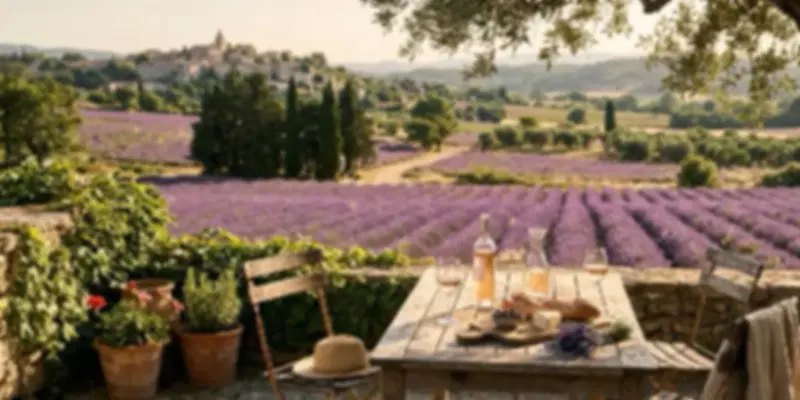
When people dream of the “French countryside”, they are usually picturing Provence. It is the ultimate rustic escape, famous for its rolling hills and relaxed pace. As one of the most recognisable parts of the countryside in France, it is a strong choice if you want lavender fields, hilltop villages, vineyards and a slower Mediterranean pace. If you want to catch the iconic purple lavender fields in full bloom, aim for mid-June to late July. It is one of your best spots in France for photos around the Luberon and the Valensole plateau.
Provence also works outside the lavender season. You can explore hilltop villages like Gordes and Roussillon, wander through olive groves, and visit vineyards near Avignon and Aix-en-Provence. Plus, it is right next to the French Riviera if you want to add some beach time to your trip.
- Best for: Snapping lavender photos, tasting local wines, wandering quiet villages, and romantic honeymoons.
- Peak season: Mid-June to late July for the best flower views.
- Top villages: Gordes and Roussillon
Loire Valley: Castle Country
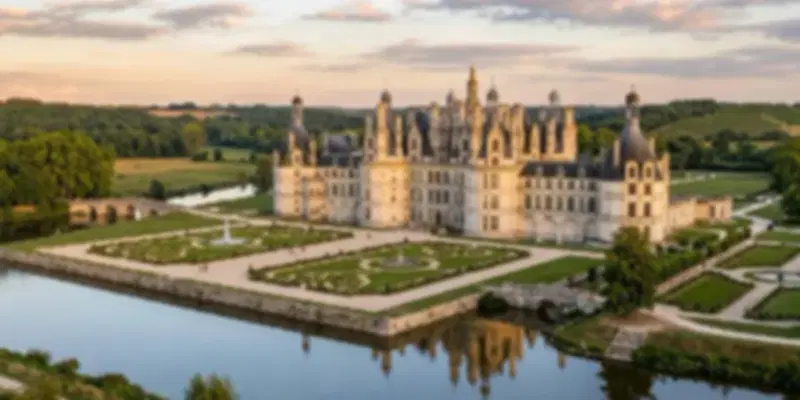
The Loire Valley is one of France’s best regions for château-hopping, with major estates such as Château de Chambord, Château de Chenonceau, and Château de Villandry.
It is also one of the most popular parts of the countryside in France for travellers who want to combine rural scenery with history and architecture. You can easily plan your trip around these three anchor stops. The journey between them is just as rewarding, with vineyards, countryside roads and views along the Loire River.
- Top Sights: Grand estates of Chambord, Chenonceau, and Villandry gardens.
- Scenery: Sunflower fields, vineyards, and sprawling riverfront roads.
- Vibe: Elegant, historic, and incredibly picturesque.
Normandy: Coastline, Cliffs, and D-Day History
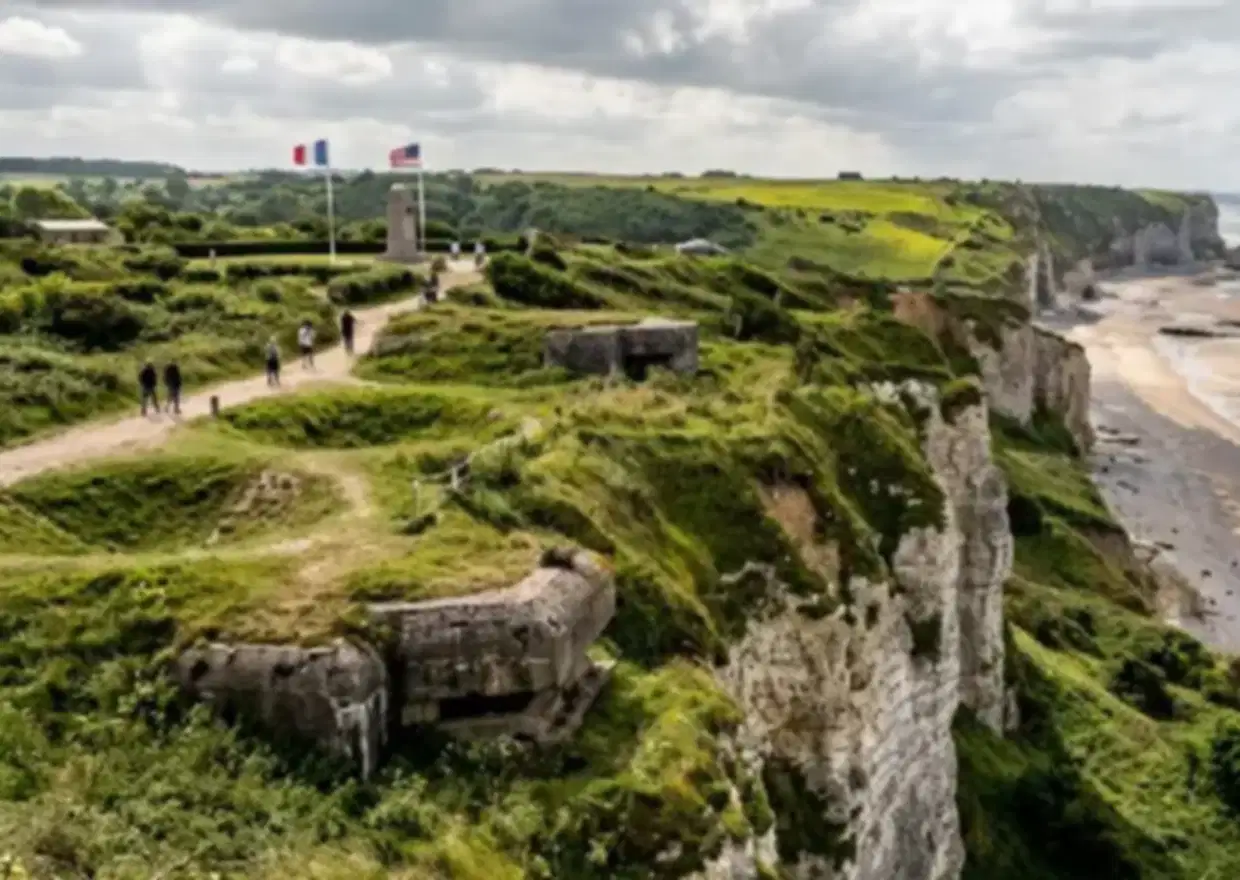
Normandy Village and Chalk Cliffs at Sunset
Normandy swaps the purple lavender fields for fresh, salty sea air. There are many beautiful beaches in Normandy. Additionally, the absolute crown jewel here is Mont Saint-Michel, a stunning medieval abbey built onto a tiny tidal island.
The coastline features the dramatic white cliffs of Étretat and the historic D-Day beaches at Omaha and Utah. Inland. The region shifts to apple orchards and dairy farms, famous for producing local cider and Calvados brandy.
- Top Sight: Mont Saint-Michel Island Abbey.
- Coastline: Étretat cliffs and D-Day beaches.
- Flavours: Apple cider and Calvados brandy.
- Best For: History, coastal views, and orchard lovers.
Dordogne: Rivers, Caves, and Mediaeval Villages
The Dordogne is one of the hidden gems in France. Located in southwestern France, it rewards anyone who makes the trip. Expect river valleys lined with walnut trees, prehistoric cave art near Lascaux, and some of the country’s best-preserved medieval villages, including Sarlat-la-Canéda and La Roque-Gageac.
- Top Sights: Prehistoric Lascaux cave art and medieval villages.
- Scenery: Walnut-lined river valleys and cliffside towns.
- Flavours: Famous for local duck dishes and rich truffles.
- Best For: Slow travel, foodies, and repeat visitors to France.
Alsace: Vineyards and Fairy-Tale Villages
Alsace sits right on the German border, blending French flair with fairy-tale German charm. Its brightly coloured, half-timbered houses and strong beer-and-wine culture make villages like Colmar and Riquewihr feel closer to Bavaria than Bordeaux.
The region offers a distinctive take on the countryside in France, with the Alsace Wine Route weaving through dozens of these scenic towns and offering one of the easiest countryside road trips in France.
- The Vibe: Fairy-tale villages with half-timbered houses.
- Top Towns: Colmar and Riquewihr.
- The Drive: The famous, easy-to-navigate Alsace Wine Route.
- Best For: Short scenic road trips and travellers wanting a unique contrast to standard French countryside styles.
Burgundy: Wine Without the Crowds
Golden Hour Over Burgundy Vineyards, one of the most beautiful countryside in France
Burgundy sits right between Paris and Lyon, offering some of the world’s most sought-after wines without the overwhelming crowds of Provence. The town of Beaune serves as the perfect base, surrounded by a network of vineyard villages, while the historic canal city of Dijon is just a short trip away.
- The Base: The charming town of Beaune.
- The Vibe: World-class vineyards without the heavy tourist crowds.
- Nearby Highlights: The historic canal city of Dijon.
- Best For: Serious wine lovers and travellers wanting a peaceful countryside escape.
Best Time to Visit the Countryside in France
The best time to visit the countryside in France is generally from May to September. These months bring pleasant weather, green landscapes, and longer daylight hours, making village walks, vineyard visits, and scenic drives more enjoyable.
| Season | What to expect | Highlights |
| Spring (Apr–May) | Mild, green, fewer crowds. Some showers. | Blossoms in Normandy, quiet châteaux, comfortable driving |
| Summer (Jun–Aug) | Warm to hot, busiest and priciest | Lavender (late Jun–mid Jul), sunflowers in July, long evenings |
| Autumn (Sep–Oct) | Golden light, harvest season | Grape harvest in Burgundy and Alsace, walnut harvest in Dordogne |
| Winter (Nov–Feb) | Cold, shorter days, some sites close | Alsace Christmas markets, Christmas at Chambord (28 Nov 2026–3 Jan 2027), truffle season in Dordogne |
How Many Regions to Cover
For a relaxed France itinerary, one region in 3–4 days is a good starting point. If you have around a week, combine two regions that make sense geographically, such as the Loire Valley and Normandy. Avoid adding Provence or the Dordogne simply to tick another region off the list, as the longer transfers can take away from the countryside experience.
7-Day France Itinerary: Paris, Loire Valley and Normandy
This 7-day itinerary combines Paris’s iconic landmarks, the Loire Valley’s fairytale châteaux, and Normandy’s historic coastal attractions in one memorable French holiday. It is ideal for travellers who want to experience France’s culture, countryside, and history without rushing between destinations.
| Day | Plan | Drive time |
| Day 1 | Arrive in Paris and rest after your flight. | — |
| Day 2 | Take the TGV train to Tours (about 1 hour). Pick up your rental car and visit Amboise and Clos Lucé. | Short local drives |
| Day 3 | Visit Château de Chenonceau in the morning and explore Villandry Gardens in the afternoon. | About 1 hr between sites |
| Day 4 | Explore Château de Chambord, followed by Château de Cheverny. | About 1 hr in total |
| Day 5 | Drive to Mont Saint-Michel. Visit the abbey in the late afternoon and stay overnight nearby. | About 3 hr |
| Day 6 | Spend the morning at Mont Saint-Michel, visit the D-Day beaches, and continue to Honfleur. | About 2 hr + 1.5 hr |
| Day 7 | Travel towards Paris. Stop at Giverny if time permits, then catch your flight home. | About 2 hr 15 min, excluding stops |
How Much Does a Countryside Trip in France Cost in 2026?
The cost of exploring the countryside in France varies depending on the region, travel style, and season. Here’s a quick estimate of the most common expenses to help you budget your countryside holiday.
| Expense | Average Cost (EUR / INR) | Best For |
| Countryside Boutique Hotel / Château Stay | €120–250 (₹12,000–₹25,000) per night | Couples & luxury travellers |
| Farmhouse Gîte (Self-catering) | €80–180 (₹8,000–₹18,000) per night | Families & long stays |
| Rental Car | €45–70 (₹4,500–₹7,000) per day | Exploring villages & scenic drives |
| Château Entry (Loire Valley) | €21 (approx. ₹1,970) for EEA visitors and €31 (approx. ₹2,910) for non-EEA visitors for the château and gardens. | History lovers |
| Provence Wine Tasting | €20–50 (₹2,000–₹5,000) | Wine enthusiasts |
| Mont Saint-Michel Abbey Ticket | €13–16 (₹1,300–₹1,600) | Normandy visitors |
| Lavender Farm Tour (Provence) | €10–20 (₹1,000–₹2,000) | Summer travellers |
| Local Bistro Meal | €18–35 (₹1,800–₹3,500) per person | Food lovers |
| Schengen Visa (India) | €95–120 (₹9,000–₹12,000) | Indian travellers |
| Tourist Tax | €0.20–4.90 (₹20–₹490) per person/night | Accommodation fee |
Getting Around the French Countryside
Getting around the French countryside is easier when you choose transport based on your itinerary, budget, and the villages you want to explore. While trains connect major towns, renting a car offers greater flexibility to discover small villages, vineyards, châteaux, and scenic rural routes at your own pace.
By car:
- A car gives the most freedom in Provence, Burgundy and Dordogne, where villages are far apart.
- Manual cars are the default. Automatics cost more and sell out in peak season, so book early.
- Carry your Indian driving licence and an International Driving Permit.
- Many motorways have tolls. Rural roads often have speed limits of 80–90 km/h, so follow the signs.
- Fuel stations in small villages may close on Sundays or at lunchtime.
By train and bus:
- The Loire Valley, Normandy (Rouen, Bayeux, Honfleur area), Alsace and Burgundy’s main towns are reachable by train. You can add local buses, taxis, bikes or guided day tours.
- Dordogne and the Luberon are very hard without a car.
Cycling:
Flat river routes in the Loire and Alsace suit leisurely cyclists. E-bike hire is widely available.
Where to Stay
Staying in or near a village can reduce daily travel and give you more time to experience the countryside. Depending on the region and budget, options range from château stays and boutique hotels to farmhouses and countryside cottages.
- Châteaux and boutique hotels: Romantic and memorable. Best for couples and special occasions.
- Chambres d’hôtes (bed and breakfast): A room in a family home or farm, usually with breakfast. Great for local tips.
- Gîtes: Self-catering cottages, ideal for families and longer stays. Useful if you want to cook your own vegetarian meals.
- Village hotels: Handy for evenings in the village without driving.
Planning a French Countryside Trip from India
Direct flights from Delhi to Paris take around 9–10 hours with airlines like Air France and Air India. Indian travellers need a Schengen visa to visit France. Visa processing times, fees, service charges and insurance requirements can change, so check the current requirements before applying rather than relying on a fixed cost or processing timeline.
Tips for Visiting the Countryside in France
- Rent a car if possible: Many of the most beautiful villages, vineyards, and scenic routes are difficult to reach by public transport.
- Stay in local villages: Book a château, farmhouse, or countryside cottage for a more authentic experience than staying in nearby cities.
- Travel during shoulder season: Visit in May, June, or September for pleasant weather, lower prices, and fewer crowds.
- Book accommodation early: Popular regions like Provence and the Loire Valley fill up quickly during summer and harvest season.
- Plan around local markets: Many villages host weekly markets where you can enjoy fresh produce, local cheese, wine, and handmade products.
- Learn a few basic French phrases: Simple greetings like Bonjour and Merci are appreciated, especially in smaller villages.
- Carry cash: While most places accept cards, some rural cafés, markets, and family-run shops may prefer cash.
- Drive at a relaxed pace: Scenic countryside roads are part of the experience, so allow extra time for photo stops and spontaneous detours.
- Pack comfortable clothing: Bring walking shoes, a light jacket, and sun protection, as you’ll spend plenty of time exploring outdoors.
- Limit your itinerary: Focus on one or two regions instead of rushing across the country to enjoy the slower pace of rural France.
Conclusion: Discover the Best Countryside in France
The countryside in France offers far more than beautiful landscapes. From the lavender fields of Provence and the grand châteaux of the Loire Valley to Normandy’s dramatic coastline, Burgundy’s vineyards, and Alsace’s storybook villages, every region has its own unique charm. Whether you’re planning a romantic escape, a family holiday in France, a food-focused journey, or a scenic road trip, there’s a perfect countryside destination waiting for you.
Choose one or two regions, travel at a relaxed pace, and stay in local villages to experience the authentic side of France. Pair your countryside adventure with a customised France adventure tour package to enjoy a seamless journey through some of the country’s most beautiful landscapes and unforgettable experiences.
FAQs
- Which is the best countryside region to visit in France?
A: Provence is best for lavender fields and hilltop villages, the Loire Valley for castles, Normandy for coastal scenery, Dordogne for medieval villages, Alsace for colourful towns, and Burgundy for vineyards.
- What is the best month to visit the countryside in France?
A: May, June, and September are ideal for visiting the French countryside because of pleasant weather and fewer crowds. Visit Provence from late June to mid-July for lavender fields and Alsace in December for Christmas markets.
- How much does a countryside trip to France cost from India?
A: A countryside trip to France costs depend on your itinerary and travel style. Farmhouse stays typically cost ₹8,000–₹18,000 per night, while rental cars cost around ₹4,500–₹7,000 per day, excluding flights, meals, visa fees, and sightseeing.
- How many days are enough to explore the French countryside?
A: Three to four days are enough to explore one countryside region in France. Plan 7–10 days to combine two regions, such as the Loire Valley and Normandy, without rushing between destinations.
- Can Indian travellers explore the French countryside without a car?
A: Yes, Indian travellers can explore the French countryside by train, bus, bicycle, and guided tour. The Loire Valley, Alsace, and major towns in Normandy and Burgundy are practical choices, while remote villages in Dordogne and Provence are easier to reach by car.
- Which French countryside destinations are closest to Paris?
A: The Loire Valley and Normandy are convenient countryside destinations from Paris. A TGV train reaches Tours in about one hour, while Normandy’s coastal attractions require additional travel by train, bus, or car.
- Where can you see lavender fields in the French countryside?
A: Provence is the best region for lavender fields in France, especially the Valensole Plateau and Luberon area. Lavender usually blooms from mid-June to late July, depending on weather and location.
- Which French countryside region is best for a road trip?
A: Alsace is ideal for driving through vineyard villages along the Alsace Wine Route. Provence offers lavender fields and hilltop villages, while Dordogne features medieval towns, river valleys, and scenic rural roads.
- Where should couples stay in the French countryside?
A: Provence is ideal for couples seeking romantic villages, lavender fields, and vineyard stays. Burgundy offers wine-focused escapes, while the Loire Valley is known for château hotels and historic estates.
- Is the French countryside worth visiting in winter?
A: Yes, winter is a good time to visit Alsace for Christmas markets and Dordogne for seasonal food experiences. However, shorter daylight hours and reduced opening times at some rural attractions require careful planning.
- Which French countryside regions are best for wine tasting?
A: Burgundy, Bordeaux, Alsace, and the Loire Valley are among the best wine regions in the French countryside. They offer vineyard tours, wine tastings, and scenic routes through wine-producing villages.
- Do Indian citizens need a visa to visit the French countryside?
A: Yes, Indian citizens generally need a short-stay Schengen visa to visit mainland France for tourism. Check the latest visa fees, documents, appointment availability, and application requirements on the official France-Visas website.
- What are the best villages to visit in the French countryside?
A: Gordes and Roussillon in Provence, La Roque-Gageac and Sarlat-la-Canéda in Dordogne, and Riquewihr in Alsace are among the best villages to visit in rural France. They are known for historic architecture, scenic landscapes, and traditional village charm.
- Can you combine Paris with the French countryside in 7 days?
A: Yes, a 7-day France trip can combine Paris, the Loire Valley, and Normandy. Spend two days in Paris, two days exploring Loire Valley châteaux, and the remaining days visiting Mont Saint-Michel and Normandy before returning to Paris.
- What should Indian travellers pack for the French countryside?
A: Pack comfortable walking shoes, layered clothing, a waterproof jacket, sun protection, and a Type E-compatible travel adapter. Carry your passport, Schengen visa, travel insurance, and valid driving documents if you plan to rent a car.

Recommended articles for you


Discover Packages



Europe City Packages
Packages By Departure City
Packages By Theme
Packages By Duration
Europe Combo Packages
Europe Nearby Destinations

Need help in planning?
Talk to our Travel Experts