
Mountains in France: A Complete Guide to Ranges, Peaks & Towns
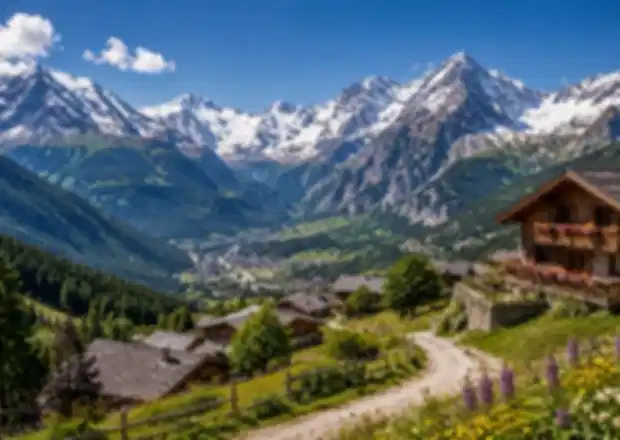
France has five main mountain ranges: the Alps, Pyrenees, Massif Central, Jura, and Vosges, plus Corsica’s granite mountains. Discovering the best mountains in France can transform your next European holiday from an ordinary trip into an unforgettable alpine adventure. Whether you are a skier looking for world-class powder, a hiker searching for dramatic summit views, or a traveller wanting to relax in a cosy chalet, France has a perfect peak for you.
Many travellers choose custom France tour packages to combine stays, guided treks, and scenic mountain rail journeys. From the snowy giants of the Alps to the rugged, sun-drenched trails of the Pyrenees, the country features some of the most spectacular landscapes on Earth. This guide breaks down the top mountain ranges in France, essential travel tips, and must-see destinations to help you plan your ultimate high-altitude getaway.
Quick Facts About the Mountains in France
| Mountain Feature | Details |
| Highest peak | Mont Blanc, roughly 4,808 m (French Alps, on the France–Italy border) |
| Highest peak entirely within the Pyrenees (French side) | Vignemale, 3,298 m |
| Highest peak in the Massif Central | Puy de Sancy, 1,885 m |
| Highest peak in Corsica | Monte Cinto, 2,706 m |
| Most visited volcanic landscape | Chaîne des Puys, Auvergne (UNESCO World Heritage Site) |
| Main ranges | The Alps (east), the Pyrenees (south), the Massif Central (centre), the Jura and Vosges (east/northeast), Corsica’s interior ranges |
| Mountainous share of France’s land area | Roughly a third, with the rest made up of plains and rolling hills |
How Many Mountains Are There in France?
There’s no single official count of mountains in France, but the country is far more mountainous than its flat northern plains suggest. Roughly a third of French territory is classed as mountain terrain, spread across five separate systems rather than one continuous chain.
- The Alps (shared with Italy and Switzerland)
- The Pyrenees (shared with Spain and Andorra)
- The Massif Central
- The Jura Mountains (shared with Switzerland)
- The Vosges Mountains
There’s also Monte Cinto on the island of Corsica, the highest point on the island, which sits outside all five mainland ranges.
Mountain Ranges of France at a Glance
| Range | Location | Highest Peak | Best For |
| The Alps | Southeast France | Mont Blanc (4,807m) | Skiing, high-altitude hiking, glaciers |
| The Pyrenees | Southwest France | Pic de Vignemale (3,298m) | Quieter hiking, cross-border trips to Spain |
| Massif Central | Central France | Puy de Sancy (1,886m) | Volcanic scenery, hot springs, gentler hikes |
| The Jura | Eastern France | Crêt de la Neige (1,720m) | Cross-country skiing, cheese country |
| The Vosges | Northeast France | Grand Ballon (1,424m) | Short hikes, wine-region views |
| Corsica | Mediterranean island | Monte Cinto (2,706m) | Coastal-and-mountain combo trips |
What is the highest mountain in France?
The highest mountain in France is Mont Blanc, which rises to around 4,808 metres in the Alps, right on the France–Italy border. It’s also the highest peak in Western Europe. This mountain anchors an entire massif of nearly a dozen peaks above 4,000 metres, and the town of Chamonix sits directly beneath it.
Top Mountains In France
France’s mountain landscape is built around five systems, and they look almost nothing alike. The Alps are glaciated and dramatic, the Pyrenees are wilder and less developed, the Massif Central is volcanic and green, the Jura and Vosges are gentler and forested, and Corsica’s mountains rise almost straight out of the sea.
The French Alps: Highest Peaks and Best Mountain Areas
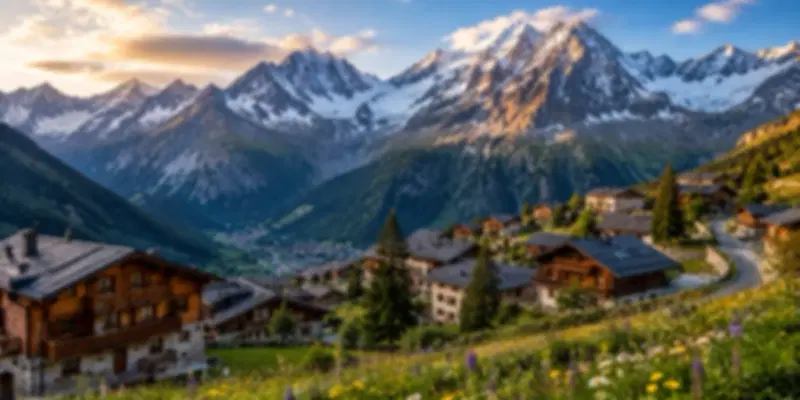
View of French Alps, which has one of the most beautiful mountains in France
The French Alps run along the country’s eastern border with Italy and Switzerland and hold every one of France’s highest peaks, including Mont Blanc, the Barre des Écrins, and the Aiguille Verte. This is where you’ll find France’s biggest ski resorts, its deepest glaciers, and its most photographed alpine scenery. Popular bases include Chamonix, Val d’Isère, Courchevel, and Megève, along with gateway cities such as Grenoble and Annecy.
Top peaks in the French Alps:
- Barre des Écrins (4,102m): The highest peak entirely within France
- Aiguille Verte (4,122m): A challenging mountaineering peak near Chamonix
- Grandes Jorasses (4,208m): Famous for its dramatic north face
The Pyrenees: France’s Southern Border Range
The Pyrenees stretch roughly 430 kilometres along France’s border with Spain and Andorra, from the Atlantic coast to the Mediterranean. They’re generally lower and less crowded than the Alps, which makes them a strong choice for travellers who want serious hiking without the queues.
Highlights of the Pyrenees:
- Vignemale (3,298m): The highest peak on the French side
- Cauterets: A popular base for mountain adventures
- Cirque de Gavarnie: A spectacular natural amphitheatre with cliffs and waterfalls, is one of the Pyrenees’ most famous sights and is itself a UNESCO World Heritage Site
- Best for: Hiking, nature, and scenic mountain escapes
The Massif Central: France’s Volcanic Heartland
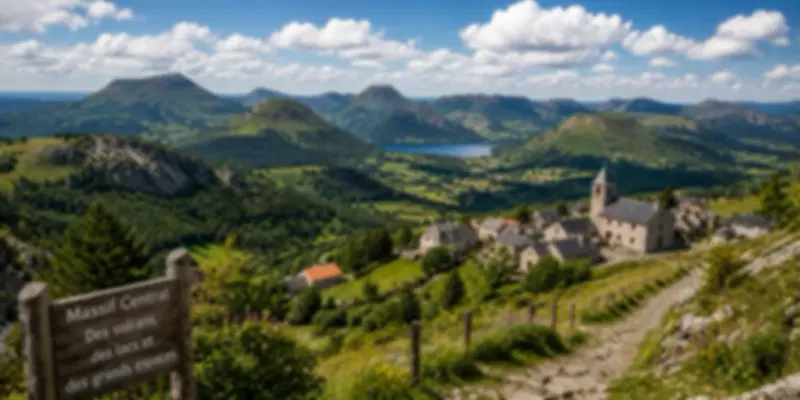
The Massif Central covers roughly 15% of France and sits almost dead centre in the country. Unlike the Alps or Pyrenees, it’s not one continuous ridge but a broad highland region built from ancient, mostly extinct volcanoes, plateaus, and river gorges.
Top highlights:
- Puy de Sancy (1,885m): The region’s highest peak
- Auvergne: Known for volcanic scenery and crater landscapes
- Thermal towns: Ideal for a relaxing mountain getaway
- Best for: Hiking, nature, and peaceful countryside
The Jura and Vosges: France’s Quieter Border Ranges
The Jura Mountains run along the French-Swiss border near Geneva, known for cross-country skiing, cheese-making villages, and gentle limestone ridges rather than dramatic peaks. The Vosges sit further north, near the German border in Alsace, and are lower still, topping out at Grand Ballon around 1,424 metres.
Both ranges are far less visited than the Alps or Pyrenees, which makes them worth considering if you want mountain scenery without the crowds, particularly if your trip already includes Central Europe or the Alsace wine region.
Best Mountains in France by Region
France’s major mountain areas are spread across very different parts of the country, from the glaciated Alps in the east to the volcanic hills of Auvergne and the rugged Pyrenees in the south. Each region rewards a different kind of trip.
- Chamonix and the Mont Blanc Massif: Chamonix sits at the foot of Mont Blanc and is known for the Aiguille du Midi cable car, Mer de Glace glacier, and scenic Tour du Mont Blanc hiking trails.
- The Pyrenees National Park: The park features dramatic landscapes such as Cirque de Gavarnie and Vignemale, with Cauterets and Gavarnie serving as popular bases for exploring the mountains.
- Auvergne and the Chaîne des Puys: Home to around 80 extinct volcanic cones, the region includes Puy de Dôme and Puy de Sancy, offering excellent hiking, panoramic views, and skiing.
- Corsica’s Interior Mountains: Corsica’s rugged granite mountains include Monte Cinto and the famous GR20 trail, one of Europe’s toughest long-distance hikes.
Planning to combine France’s mountains with its major cities? A 10-day Europe itinerary can help you fit alpine towns and city stops into one trip without spending too much time in transit.
Things to Do in the Mountains in Italy
Italy’s mountains offer a mix of adventure, nature, and scenic experiences. From hiking in the Dolomites to skiing in the Alps, there is something for every traveller.
- Hike the Dolomites: Explore dramatic peaks, alpine meadows, and scenic trails.
- Ski in the Italian Alps: Visit resorts such as Cortina d’Ampezzo, Cervinia, and Courmayeur.
- Take a Cable Car: Enjoy panoramic mountain views without a strenuous hike.
- Explore Mountain Villages: Visit charming towns such as Ortisei, Cortina d’Ampezzo, and Bormio.
- Go Cycling: Ride through scenic mountain passes and valleys.
- Try Via Ferrata: Follow protected climbing routes through the Dolomites.
- Visit Alpine Lakes: See beautiful lakes such as Lago di Braies and Lago di Carezza.
- Enjoy Winter Activities: Try snowshoeing, sledding, and cross-country skiing.
- Taste Local Cuisine: Sample regional dishes, cheeses, cured meats, and mountain wines.
- Relax at Mountain Spas: Unwind in thermal baths and wellness resorts surrounded by alpine scenery.
When to Visit France’s Mountains
France’s mountains offer something in every season, from summer hiking to winter skiing. The best time to visit depends on the activities and landscapes you want to experience.
- Summer (June–August): Best for hiking, trekking, and alpine scenery.
- Spring (April–May): Great for waterfalls, wildflowers, and fewer crowds.
- Autumn (September–October): Ideal for peaceful hikes and colourful landscapes.
- Winter (December–March): Best for skiing, snowboarding, and snowy mountain views.
If mountains are just one part of a wider France trip, pair the timing with our broader guide on what to pack for France, since alpine layering needs are very different from what you’d pack for Paris or the Riviera.
Essential Tips for Exploring Mountains In France
- Read Trail Signs: Follow France’s standard trail markings: white and red for GR routes, yellow and red for regional trails, and yellow for short hikes.
- Download Offline Apps: Download Météo-France, Iphigénie, Outdooractive, and save 112 for emergencies before heading into remote areas.
- Check Lift Calendars: Check cable car and lift schedules in advance, especially during spring and autumn maintenance periods.
- Pack for Sudden Weather Changes: Carry layers, a waterproof jacket, enough water, and high-SPF sunscreen for changing mountain conditions.
- Know Driving Rules: Drive carefully on mountain roads and check winter tyre and snow-chain requirements before travelling
Conclusion:
The mountains in France offer something for every traveller, from scenic hikes in the Alps and Pyrenees to skiing, cable-car rides, and peaceful mountain villages. Choose the destination and season based on your interests, fitness level, and preferred pace. For a hassle-free trip, explore France adventure tour packages and plan your mountain escape with the right mix of adventure and relaxation.
Ready to conquer the French mountains? Find Your Perfect France Adventure Tour Today!
FAQs: Mountains in France
Mont Blanc is the most famous mountain in France. It stands at around 4,808 metres in the French Alps and is located on the France–Italy border.
Yes, the Alps are one of France’s main mountain ranges. They cover southeastern France and are home to Mont Blanc, major ski resorts, glaciers, and popular hiking trails.
Some of the most famous mountains in France include Mont Blanc, Barre des Écrins, Aiguille Verte, Grandes Jorasses, Vignemale, and Puy de Sancy.
Mont Blanc is the highest mountain in France, rising to around 4,808 metres. It is located in the French Alps on the France–Italy border.
Mont Blanc is the highest and most prominent mountain in France. It is also considered the highest peak in Western Europe.
Mont Blanc is around 4,808 metres high. Its exact elevation can vary slightly due to snow and ice conditions at the summit.
France has five main mountain ranges: the Alps, Pyrenees, Massif Central, Jura, and Vosges. Corsica also has its own rugged granite mountains.
The Pyrenees, Alps, Massif Central, and Corsica offer excellent hiking opportunities. The Tour du Mont Blanc and GR20 are popular choices for experienced hikers.
The French Alps are the best choice for skiing. Popular resorts include Chamonix, Val d’Isère, Courchevel, and Megève.
Mont Blanc is often considered one of France’s most beautiful mountains. Its glaciers, dramatic peaks, and surrounding alpine scenery make it especially popular.
Yes. Many mountain areas offer cable cars, scenic viewpoints, easy trails, and accessible villages. Chamonix is a good option for experiencing the Alps without technical climbing.
The French Alps are ideal for skiing, mountaineering, hiking, and cable-car experiences. The Pyrenees and Corsica are also excellent for trekking and outdoor adventures.

Recommended articles for you





Discover Packages






Europe City Packages
Packages By Departure City
Packages By Theme
Packages By Duration
Europe Combo Packages
Europe Nearby Destinations

Need help in planning?
Talk to our Travel Experts