
Ubud Travel Guide: Things to Do, Stay & Trip Planning
The cultural homeland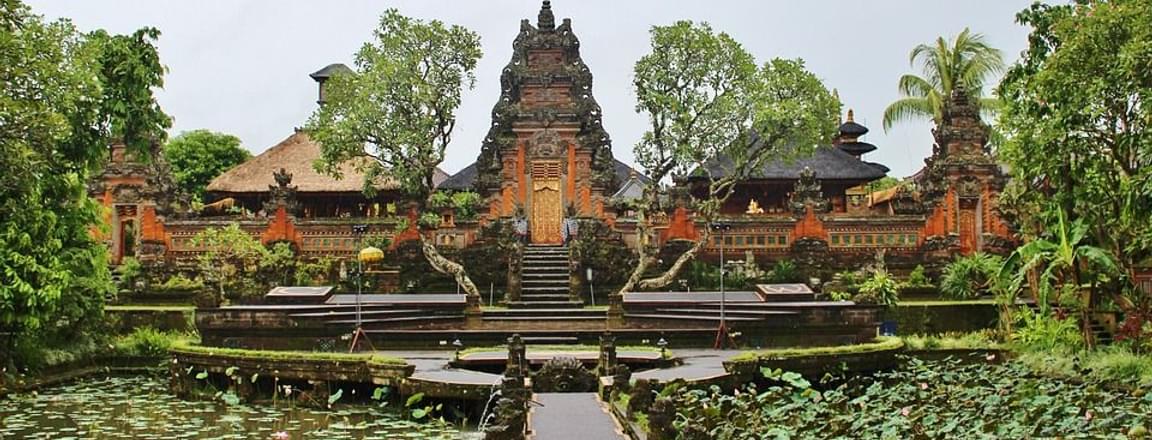
Most travellers come to Ubud expecting peaceful temples, green landscapes, and a slow escape. But the real challenge begins when you realise this small town hides endless experiences, from sunrise walks and traditional arts to hidden waterfalls and jungle adventures. Beyond its famous rice terraces, Ubud tourism also showcases Bali's rich cultural heritage through ancient temples, traditional villages, vibrant art markets, jungle waterfalls, wellness retreats and picturesque cafés overlooking lush valleys. Whether you are planning your first Bali trip or looking at Ubud tour packages, knowing what to prioritise can completely change your experience. This Ubud travel guide brings together the best places to visit, top things to do, where to stay, the ideal time to visit, transport options, and practical travel tips so you can plan every day with confidence and make the most of your visit.
Who Is Ubud Tourism Best Suited For?
- People who like culture, temples and scenic views
- Individuals seeking yoga, meditation and wellness experiences.
- Food enthusiasts who prefer local eateries to gourmet restaurants.
- Slow and flexible days in nature and villages – travellers prefer that.
- Those planning a day trip from Ubud to central and eastern Bali will find the location very convenient.
Best Time to Experience Ubud Tourism
Choosing the right time to visit Ubud can completely change your experience, from exploring lush landscapes in clear weather to enjoying a quieter side of the town with fewer crowds. The best season depends on whether you prefer outdoor adventures, cultural experiences, or a peaceful escape.
- April to June & September to October (Best Overall Time): The weather is pleasant, the rice terraces look fresh and green, and the crowds are smaller than peak season. Many travellers consider this the best time to visit Ubud for sightseeing, café hopping, and exploring Ubud comfortably.
- July to August (Peak Tourist Season): These are the busiest months in Ubud with sunny weather and ideal conditions for outdoor activities. Popular attractions stay crowded, and hotel prices are usually higher, but the atmosphere feels lively and energetic.
- November to March (Rainy Season): This season brings frequent rain showers, greener landscapes, and a quieter vibe around Ubud. It is a good time for travellers who prefer peaceful cafés, fewer crowds, and a more relaxed experience.
Top Places to Visit in Ubud
Ubud brings together nature, culture, temples, art, and peaceful landscapes in one place. Some areas feel lively and touristy, while others still offer quiet corners surrounded by rice fields and jungle views. These Ubud attractions help travellers experience a different side of Bali beyond beaches and nightlife.
Nature & Wildlife in Ubud
- Tegallalang Rice Terraces: One of the most famous landscapes in Ubud, known for its layered rice fields and traditional Subak irrigation system. It is also among the most popular photo spots in Bali, especially during early-morning light.
- Campuhan Ridge Walk: A peaceful walking trail surrounded by green hills, tropical trees, and open valley views. It is perfect for sunrise walks, light trekking, and escaping the busy streets of central Ubud.
Temples & Cultural Sites in Ubud
- Pura Tirta Empul: Known for its holy spring water and purification rituals, this temple remains one of the most visited spiritual sites in Bali. It is one of the most famous temples in Bali for travellers interested in Balinese Hindu culture.
- Puri Saren Royal Palace: Located in the centre of Ubud, this historic palace showcases traditional Balinese architecture and cultural performances. Many travellers include it in their Bali itinerary because of its central location and evening dance shows.
Art & Museums in Ubud
- Agung Rai Museum of Art (ARMA): ARMA combines art galleries, gardens, cultural workshops, and live performances in one peaceful setting. It also reflects the growing popularity of wellness tourism in Bali, where art, culture, and relaxation come together.
- Ubud Art Market: This traditional market is filled with handmade souvenirs, woven bags, wood carvings, silver jewellery, and local fabrics. It is one of the best places in Ubud for shopping and experiencing the town’s creative atmosphere.
Top Things to Do in Ubud
There's more to Ubud than sightseeing. The true experience is the fun and enjoyment provided by the activities that allow travellers to interact with the Balinese culture, food, nature and slower pace of life. These activities are essential when visiting Ubud and have a great combination of adventures, wellness and local experiences that are quite different from Bali's beach towns.
- Walk Through Scenic Rice Terrace Trails: Explore narrow paths surrounded by green rice fields while enjoying peaceful valley views and fresh mountain air. Many travellers add this experience to their Ubud adventure itinerary because it combines nature, photography, and light trekking.
- Watch a Traditional Balinese Dance Performance: Spend an evening enjoying Kecak or Legong dance shows with live music, storytelling, and traditional costumes. It is one of the easiest ways to experience cultural places in Bali engagingly.
- Enjoy a Balinese Cooking Class: Take a cooking class with locals and get to cook Balinese cuisine with fresh herbs, spices and traditional recipes. Local market trips and village cooking experiences are also featured during most classes.
- Jungle Spas and Yoga Classes: Take rest in flower baths, Balinese massages, yoga classes and wellness treatments within tropical forests. In Bali, Ubud is one of the most ideal destinations to relax and get a peaceful vibe.
- Purchase Handmade Crafts or Local Souvenirs: Take time to explore local markets for handmade bags, wood carvings, silver jewellery, paintings and woven fabrics. One of the best ways to support local artisans while experiencing the creative side of Ubud.
- Try the Famous Bali Swing Experience: Swing high above rice terraces, jungle valleys, and tropical landscapes while enjoying some of the most scenic views in Ubud. This activity has become one of the most popular experiences for travellers looking for adventure, photography, and memorable moments during their Bali trip.
How to Get to Ubud From Bali Airport
Once your Ubud family itinerary is planned, the next step is understanding how to reach Ubud comfortably from different parts of Bali. Ubud is about 35–40 km north of Ngurah Rai Airport. Options:
- Pre-booked private transfer: Most straightforward. Takes around 60–90 minutes, depending on traffic. Agree on the price before travelling, as metered taxis are rare in Ubud.
- Gojek or Grab: Works from most of South Bali. Not bookable from inside the airport — walk past the official taxi stand area first.
- Organised tour or package transport: Many Bali tour packages include airport-to-Ubud transfers as part of the package.
There's no public bus system in Ubud worth depending on for inter-area travel. Private transport is the practical default.
Getting Around Ubud
Ubud is easy to explore with several transport options, depending on your budget, comfort level, and travel plans. Understanding the different transport options in Bali can help you choose the most convenient way to visit temples, waterfalls, cafés, and nearby attractions without wasting time.
| Mode | Best For | Approximate Costs |
| Scooter Rental | Flexible sightseeing and short trips around Ubud | IDR 80,000–100,000 / INR 420–530 per day |
| Private Driver | Full-day tours, temples, and waterfalls | IDR 600,000–800,000 / INR 3,200–4,250 per day |
| Gojek & Grab | Short rides within central Ubud | IDR 20,000–100,000 / INR 100–530 |
| Walking | Exploring cafés, markets, and nearby streets | Free |
Where to Stay in Ubud: Best Budget, Mid-Range & Luxury Hotels
There are different accommodations available in Ubud, and you can select yours according to your budget and the type of travel you're looking for. The central part of Ubud is good for first-timers, but the outskirts have more jungle and rice field views.
Budget Stays
Budget stays in Ubud are simple, clean, and generally found in or around central Ubud. They are suitable for backpackers and travellers looking for affordable comfort.
- Puri Garden Hotel & Hostel, Ubud – approx. IDR 200,000–400,000 / ₹1,100–₹2,200 per night
- In Da Lodge, Ubud – approx. IDR 180,000–350,000 / ₹1,000–₹2,000 per night
- Teba House Ubud – approx. IDR 150,000–300,000 / ₹900–₹1,800 per night
Mid-Range Stays
Mid-range hotels offer more comfort and better amenities and often feature rice-field or jungle surroundings. They are popular among couples and leisure travellers.
- Alaya Resort Ubud – approx. IDR 1,000,000–2,000,000 / ₹6,000–₹12,000 per night
- Ubud Village Hotel – approx. IDR 900,000–1,800,000 / ₹5,500–₹10,500 per night
- KajaNe Mua at Ubud – approx. IDR 1,100,000–2,200,000 / ₹6,500–₹13,000 per night
Luxury Stays
Luxury stays in Ubud focus on private villas, jungle views, infinity pools, spa experiences, and premium hospitality. Rates can vary significantly depending on season and availability, especially for high-end properties.
- The Kayon Jungle Resort – approx. IDR 4,000,000–7,500,000 / ₹25,000–₹45,000 per night
- Viceroy Bali – approx. IDR 6,500,000–13,000,000+ / ₹40,000–₹80,000+ per night
- Mandapa, a Ritz-Carlton Reserve – approx. IDR 10,000,000–20,000,000+ / ₹60,000–₹120,000+ per night
Note: Rates are subject to change, and the prices listed are approximate and will vary based on season, demand and location, as well as booking platform.
Where to Eat in Ubud: Best Cafés, Local Food & Restaurants
Ubud’s food scene blends traditional Balinese flavours with modern cafés, healthy eateries, and fine dining experiences. From local dishes and speciality coffee to unique dining spots, there are plenty of places to explore for every type of traveller.
- Babi Guling at Warung Babi Guling Ibu Oka: Suckling pig served with rice, crispy skin, and local spices, famous across Bali.
- Smoothie Bowls at Alchemy: One of Ubud’s most popular healthy cafés, known for vegan bowls, fresh salads, and relaxed jungle-style seating.
- Balinese Rijsttafel at Hujan Locale: A modern take on classic Indonesian and Balinese traditional dishes served in small sharing plates full of local flavours.
- Coffee & Brunch at Seniman Coffee Studio: A favourite café for speciality coffee, fresh pastries, and slow breakfast mornings in central Ubud.
- Fine Dining at Locavore NXT: An upscale dining experience focused on local ingredients, creative tasting menus, and modern Indonesian flavours.
- Wood-Fired Pizza at Umah Pizza: A cosy spot popular for handmade pizzas, fresh ingredients, and peaceful rice field surroundings away from busy streets.
Suggested 3-Day Ubud Travel Guide Itinerary
Planning your days in advance helps you experience the best of Ubud without rushing between attractions. This Ubud itinerary covers cultural landmarks, nature experiences, and relaxing moments to give you a balanced Bali getaway.
| Days | Plan |
| Day 1 | Explore Monkey Forest Road and the Ubud Art Market and watch a Kecak dance show at Ubud Palace. |
| Day 2 | Visit Tegallalang Rice Terraces and Tirta Empul Temple and enjoy the Bali Swing experience. |
| Day 3 | Walk the Campuhan Ridge, visit ARMA or Blanco Museum, and relax in quieter countryside areas. |
Festivals & Cultural Events in Ubud
bud’s festivals offer a deeper look into Bali’s traditions, creativity, and local way of life. From literary gatherings and food celebrations to spiritual ceremonies, these events add a unique cultural touch to your visit.
| Festival | Highlights | Best Time |
| Ubud Writers & Readers Festival | Famous literary festival with author talks, workshops, music, and cultural events. | October |
| Nyepi (Balinese Day of Silence) | A unique cultural experience where the entire island shuts down for a day of silence and reflection. | March (dates vary) |
| Galungan & Kuningan | Traditional Balinese Hindu celebrations with decorated streets, temple ceremonies, and cultural rituals. | Dates vary |
| Ubud Food Festival | Celebrates Indonesian cuisine, local chefs, food markets, and cooking experiences. | Usually May–June |
Things to Know Before Visiting Ubud
- Start your day early to avoid crowds at popular attractions.
- Traffic in central Ubud can feel slower than expected.
- Carry some cash for local markets and small cafés.
- Dress modestly when visiting temples and cultural sites.
- Keep your itinerary relaxed to enjoy Ubud properly.
Conclusion: Is Ubud Tourism Worth It?
The best experiences in Ubud often come from slowing down and exploring beyond the places everyone knows. That is what makes Ubud tourism so rewarding for travellers who enjoy culture, nature, local food, and authentic experiences. Whether you have two days or a longer stay, explore at your own pace and make time for both the famous attractions and the quieter corners that give Ubud its unique character.
FAQS
1. How many days are enough to explore Ubud?
A 3 day Ubud itinerary is ideal for most travellers. It gives you enough time to visit temples, rice terraces, local markets, cafés, and wellness spots at a relaxed pace.
2. What are the top things to do in Ubud?
The top things to do in Ubud include visiting Tegallalang Rice Terraces, Tirta Empul Temple, Campuhan Ridge Walk, Ubud Art Market, Bali Swing, yoga classes, and traditional dance performances.
3. Where should I stay in Ubud?
Where to stay in Ubud depends on your travel preferences. Central Ubud is best for sightseeing, while the surrounding villages offer peaceful resorts with jungle and rice field views.
4. Is Ubud worth visiting on a Bali trip?
Yes, Ubud is one of the best places to experience Balinese culture, nature, and wellness. It offers a slower and more peaceful side of Bali than the popular beach towns.
5. Are there any free things to do in Ubud?
Yes, there are several free things to do in Ubud, including walking the Campuhan Ridge Walk, exploring the Ubud Art Market, and enjoying scenic rice field views.
6. What can I do in Ubud at night?
Places to visit in Ubud at night include Ubud Palace for traditional dance performances, lively cafés, local restaurants, and bars with live music.
7. Is the Ubud Art Market worth visiting?
Yes, the Ubud Art Market is a great place to shop for handmade souvenirs, wooden crafts, paintings, jewellery, and locally made gifts.
8. Can I explore Ubud without booking a tour?
Yes, most Ubud tourist attractions can be explored independently. Hiring a scooter or a private driver makes it easy to travel between different attractions.
9. Can I book Ubud activities before arriving?
Yes, you can book popular experiences like the Bali Swing, cooking classes, rafting, and temple tours through platforms such as Klook before your trip.
10. Should I stay only in Ubud during my Bali holiday?
Ubud is best enjoyed as part of a Bali itinerary. Combining it with destinations like Seminyak, Canggu, or Nusa Penida lets you experience different sides of the island.