
Bali vs Vietnam: Which Should You Visit in 2026?

Bali vs Vietnam is one of the most popular travel comparisons for travellers planning a trip to Southeast Asia in 2026. Bali is ideal for honeymooners, couples, beach lovers, and luxury travellers looking for a relaxing island escape, while Vietnam is a great choice for travellers looking for affordable holidays, exciting adventures, delicious food, and diverse destinations to explore. So, the right choice depends on your travel style, budget and what kind of trip you are looking for. Whether you are planning a Bali tour package or a Vietnam family Package, this guide will break down the key differences across budget, beaches, culture, food, nightlife, adventure, visas, and travel tips to help you make the right choice.
Bali vs Vietnam: Key Differences Every Traveller Should Know
Bali vs Vietnam is one of the most common comparisons for travellers planning a Southeast Asia holiday. While Bali is a single Indonesian island known for its beaches, temples, luxury resorts, surfing, and wellness retreats, Vietnam is a diverse country offering bustling cities, limestone bays, mountain landscapes, rich history and world-famous street food.
Feature | Bali | Vietnam |
| Best for | Honeymoon, luxury, wellness, beaches & digital nomads | Adventure, budget travel, culture, food & road trips |
| Ideal Trip Duration | 5–7 days | 7–10 days |
| Budget | Moderate | Budget-friendly |
| Beaches | Excellent | Very Good |
| Food | International cuisine, Indonesian & café culture | Authentic Vietnamese cuisine & world-famous street food |
| Nightlife | Excellent | Very Good |
| Adventure | Very Good | Excellent |
| Shopping | Boutique shopping, artisan markets & beachwear | Local markets, tailored clothing, coffee & handicrafts |
| Luxury | Excellent | Very Good |
NOTE: Overall, Vietnam offers better value for budget-conscious travellers, especially those planning to explore multiple cities and regions. Bali, on the other hand, is known for its excellent value on luxury villas, private pool accommodations, beachfront resorts, and wellness experiences, making it a favourite among honeymooners and couples.
Bali Vs Vietnam Visa
For Indian travellers, Bali (Indonesia) and Vietnam have different visa requirements, application fees and permitted stays. Both offer online application options, making it easier to arrange travel documents before departure.
Bali Visa
Indian passport holders travelling to Bali for tourism can apply for an electronic Visa on Arrival (e-VOA) under Indonesia's B1 visa category. The B1 category covers tourism, family visits, and transit, while e-VOA refers to applying online before arrival.
The standard e-VOA fee is IDR 500,000 (approximately ₹2,750–₹3,000) and permits an initial stay of up to 30 days. Eligible travellers can apply through the official Indonesian Immigration e-Visa portal. An approved e-VOA may help streamline arrival formalities, but access to automated immigration gates depends on eligibility and airport procedures. It does not guarantee that you can bypass queues.
Travellers must also pay Bali's IDR 150,000 tourist levy (approximately ₹850). The All Indonesia Arrival Card is free and should be completed through the designated official system before arrival, in accordance with the latest entry requirements.
Vietnam Visa
Indian passport holders need a visa to visit Vietnam for tourism. The Vietnam e-Visa application is online and is available in single-entry and multiple-entry options. The stated fees are approximately VND 650,000 (₹2,100) for a single-entry e-Visa and VND 1,300,000 (₹4,200) for a multiple-entry e-Visa. Both options allow stays of up to 90 days. Apply through the official Vietnam e-Visa portal.
The stated processing time is generally 3 working days after the application and payment are received, provided the submission is complete and accurate. Delays can occur, so applying 2–3 weeks before departure gives you time to address unexpected issues.
Bali vs Vietnam Visa Comparison for Indian Travellers
Visa detail | Bali (Indonesia) | Vietnam |
| Tourist visa option | B1 e-VOA / Visa on Arrival | Vietnam e-Visa |
| Indicative fee | IDR 500,000 (₹2,750–₹3,000), plus IDR 150,000 (around ₹850) tourist levy | VND 650,000 (around ₹2,100) single-entry; VND 1,300,000 (around ₹4,200) multiple-entry |
| Permitted stay | Up to 30 days initially | Up to 90 days |
| Entries | Generally single-entry for the standard e-VOA | Single-entry or multiple-entry |
| Processing | Online applications are available; processing and arrival procedures can vary | Generally 3 working days when the application is complete; delays are possible |
| Official portal | Indonesian Immigration e-Visa portal | Vietnam e-Visa portal |
Fees and entry rules can change. Confirm the latest requirements on the official immigration websites before booking or travelling.
Winner: Vietnam for visa flexibility. Its e-Visa offers single-entry and multiple-entry options and a longer permitted stay. Bali's e-VOA is suitable for shorter holidays, with an initial stay of up to 30 days.
Bali vs Vietnam Trip Budget From India: Cost, Hotels & Transport Comparison
When comparing Bali vs Vietnam trip costs from India, Vietnam is generally the more affordable destination for most travellers. However, both destinations cater to all budgets, from affordable hostels and local eateries to premium resorts and luxury experiences, allowing travellers to tailor their trip according to their spending preferences.
Category | Vietnam | Bali |
| Return flights from India | ₹15,000–₹30,000 (approximately VND 4,600,000–9,200,000) | ₹15,000–₹35,000 (approximately IDR 2,800,000–6,500,000) |
| Visa fees | 650,000 VND (₹2,100) single-entry; 1,300,000 VND (₹4,200) multiple-entry | 500,000 IDR (₹2,750–₹3,000) e-VOA + 150,000 IDR (₹850) tourist levy |
| Street-food meal | 50,000 VND (₹175) | 30,000–70,000 IDR (₹150–₹350) |
| Food per day | 150,000–300,000 VND (₹525–₹1,050) | 150,000–350,000 IDR (₹750–₹1,750) |
| Budget accommodation (per room/night) | 350,000–1,000,000 VND (₹1,200–₹3,400) | 500,000–1,200,000 IDR (₹2,500–₹6,000) |
| Motorbike rental (per day) | 115,000–160,000 VND (₹400–₹550) | 120,000–170,000 IDR (₹600–₹850) |
| Higher-end accommodation (per room/night) | 2,400,000–3,600,000 VND (₹8,200–₹12,300) | 1,600,000–2,400,000 IDR (₹8,000–₹12,000) |
5-Day Bali Trip Cost
Travel style | Approx. cost in IDR | Estimated cost per person (INR) |
| Budget | IDR 8,325,000–12,025,000 | ₹45,000–₹65,000 |
| Mid-range | IDR 12,950,000–18,500,000 | ₹70,000–₹1,00,000 |
| Luxury | IDR 22,200,000–46,250,000+ | ₹1,20,000–₹2,50,000+ |
7-Day Vietnam Trip Cost
Travel style | Approx. cost in VND | Estimated cost per person (INR) |
| Budget | VND 15,000,000–22,500,000 | ₹50,000–₹75,000 |
| Mid-range | VND 24,000,000–39,000,000 | ₹80,000–₹1,30,000 |
| Luxury | VND 45,000,000–75,000,000+ | ₹1,50,000–₹2,50,000+ |
Note: These estimates include return flights, visa fees, accommodation, food, transport and sightseeing. Actual costs depend on travel dates, exchange rates, accommodation choices and activities.
Winner: Vietnam for budget travel. Vietnam is generally more affordable for everyday food, accommodation and local transport. Bali is worth considering for private villas, resort stays and premium experiences, although prices can rise considerably during peak season.
Best Time To Visit Bali vs Vietnam
Choosing between Bali and Vietnam depends on the type of holiday you want and the month you plan to travel. Bali is best known for tropical beaches and island experiences, while Vietnam offers a mix of cities, culture, food, mountains and beaches.
Both destinations are warm for most of the year, but their climates differ. Bali has a simpler dry and wet season pattern, while Vietnam's temperature and rainfall vary significantly between the north, central and southern regions.
Best Time to Visit Bali
The best time to visit Bali is from April to October, when the island experiences its drier season. Average temperatures generally range from 24°C to 30°C, making this period comfortable for beaches, sightseeing and outdoor activities.
July and August are peak tourist months, with pleasant weather but higher hotel prices and larger crowds. For a better balance of weather and crowds, April to June and September to October are good choices. The wet season generally offers fewer crowds and lower prices, although Christmas and New Year can bring a significant increase in flight and hotel costs despite the rain.
Bali Weather by Season
Season | Months | Average Temperature | Average Monthly Rainfall | What to Expect |
| Dry season | April–October | 24°C–30°C | Around 50–175 mm | Generally sunnier days, lower rainfall and good conditions for beaches, sightseeing and outdoor activities. |
| Wet season | November–March | 24°C–31°C | Around 185–330 mm | Higher humidity, frequent tropical showers and occasional heavy rain. Outdoor plans may need flexibility. |
| Peak season | July–August | 23°C–29°C | Around 50–120 mm | Relatively dry weather, higher accommodation prices and larger tourist crowds. |
For lower prices, consider travelling during Bali's wet season from November to March. Temperatures remain warm, but rainfall is considerably higher than during the dry season. Showers may be brief, although prolonged rain can occur. April–June and September–October offer a useful balance between weather and crowds.
Best Time to Visit Vietnam
The best time to visit Vietnam depends on the region you plan to explore. March to May generally offers favourable sightseeing conditions across much of the country, but it is not ideal everywhere. Northern Vietnam is pleasant during spring and autumn, central Vietnam is generally best visited from February to August, and southern Vietnam has its drier season from December to April. Temperatures typically range from 18°C to 35°C, depending on the region and month. Central Vietnam also faces a risk of typhoons and heavy rainfall, particularly from around September to November, which can affect beach holidays and outdoor activities.
Vietnam Weather by Region
Region | Best Time to Visit | Average Temperature | Weather Highlights |
| Northern Vietnam | March–May, September–November | 18°C–30°C | Generally pleasant for sightseeing, city tours and mountain trips. |
| Central Vietnam | February–August | 23°C–35°C | Warm weather and suitable conditions for beaches and outdoor activities. Typhoons and heavy rain are possible, particularly from September to November. |
| Southern Vietnam | December–April | 25°C–34°C | Hot tropical weather with generally drier conditions. March to May can be particularly hot and humid. |
Travelling during shoulder seasons can help you find better flight and hotel prices, although conditions vary by region. Check local forecasts before travelling, especially if your itinerary includes central Vietnam during the typhoon season.
Bali vs Vietnam: Which Should You Choose?
Choose Bali if you want a beach-focused holiday, romantic getaway, resort stay or relaxed island experience. April to June and September to October generally offer a good balance of weather and crowds, with temperatures around 24°C–30°C.
Choose Vietnam if you want to combine sightseeing, food, culture, history and natural landscapes. March to May is a good period for a multi-region itinerary, but plan around regional weather rather than assuming the entire country has the same conditions. Northern Vietnam is also worth considering in September and October, while southern Vietnam is generally drier from December to April. If visiting central Vietnam between September and November, allow flexibility for possible typhoons and heavy rain.
Bali Vs Vietnam Cultural Experiences
Bali Cultural Experiences: Traditional Art, Temples & Local Lifestyle
Beyond its beaches and resorts, Bali is home to thousands of Hindu temples, vibrant festivals, traditional dance performances, and artisan villages where local crafts continue to thrive. A visitor will see:
- Making daily offerings and worship ceremonies is the island's spiritual way of life.
- Artistic common features such as traditional dance performance, detailed wood carving, and batik production.
- Authentic cultural zones: If you would like to immerse yourself in genuine culture, check out Ubud, Sidemen, and North Bali. These places are deeply rooted in culture and provide amazing shopping in Bali at the same time. They are quite a distance from the highly commercialised areas such as Seminyak, Kuta, and Canggu, where culture has changed due to the large inflow of tourists.
Vietnam Cultural Highlights: Street Life, History & Local Traditions
Vietnam offers a rich cultural journey shaped by thousands of years of history, diverse ethnic communities, and vibrant local traditions. From the bustling streets of Hanoi and Ho Chi Minh City to the ancient town of Hoi An and the imperial heritage of Hue, every region has its own unique character. Here, travellers can explore:
- Historical places: Hanoi's French Quarter and Cu Chi Tunnels (approximately 60 km from Ho Chi Minh City) are the main sources of information to discover different periods of Vietnam's past, together with the old pagodas that are scattered all over the country.
- Culture of community: Vietnamese people are very family-friendly and community-minded, and you can experience that in street life, which is always very vibrant and lively in local markets.
- Coffee culture: Cafes are the places where social life goes on among the locals; they meet, gossip and have a cup of the world-famous Vietnamese coffee.
Winner: Tie — for different cultural experiences. Vietnam is a strong choice for travellers interested in history, regional traditions, ethnic diversity and everyday street life. Bali stands out for Hindu spirituality, temple ceremonies, traditional dance and artisan crafts. The better fit depends on which cultural experiences interest you most.
Bali vs Vietnam: Which Has Better Beaches?
Bali Beaches: Golden Sands, Surfing & Sunsets
From the golden sands of Seminyak and Nusa Dua to the dramatic cliffs of Uluwatu and the black volcanic beaches of East Bali, the island offers a coastline for every type of traveller.
- Famous beaches to explore: The cliffs of Uluwatu Beach, the golden sands of Seminyak Beach, and the calm waters of Nusa Dua Beach are just a few of the best beaches in Bali.
- Reality check: Although it can be energetic and somewhat crowded during the day, the southern coast is certainly worth seeing for the beach cafés and sunset views.
- Beyond the beaches: Bali is more than the beaches. You can walk through the rice terraces of Tegallalang, take a hike up Mount Batur to catch the sunrise that will stay with you forever, or find the secluded waterfalls in the jungle.
Vietnam Beaches: Phu Quoc, Da Nang & Nha Trang
Vietnam is home to an incredible variety of natural landscapes, from emerald-green bays and pristine beaches to towering mountains, rice terraces, and winding river deltas. The country's coastline offers beautiful beach destinations such as Phu Quoc, Da Nang, Nha Trang, and Mui Ne, each with its own unique charm.
- Coastal destinations: Phu Quoc, Con Dao, Da Nang, Nha Trang and parts of the Hoi An coastline offer different beach experiences, from resort stays to water activities.
- Beyond the beach: Ha Long Bay is known for cruises among limestone karsts, while Sapa offers mountain scenery and rice terraces. These landscapes are spread across different regions and may require domestic travel.
Beach winner: Bali, for a beach-led island holiday. Bali combines surfing spots, beach clubs, cliffside viewpoints and resort areas within one island destination. Vietnam also has appealing beaches, but visiting several coastal areas may require additional transfers.
Winner: Bali. For its stunning beaches, waterfalls, rice terraces, volcanic landscapes and iconic sunsets.
Bali vs Vietnam: Which Has Better Natural Landscapes?
Bali offers a compact mix of rice terraces, waterfalls, volcanic scenery and coastal viewpoints. Vietnam has a broader variety of landscapes across a much larger country, including the limestone karsts of Ha Long Bay, the mountains and rice terraces of Sapa, the caves of Phong Nha and the waterways of the Mekong Delta.
Natural-landscape winner: Vietnam, for variety. Choose Bali if you want to combine beaches with a few inland excursions without changing destinations. Choose Vietnam if you want to explore a wider range of mountains, caves, bays and river landscapes and are comfortable with longer journeys between regions.
Bali vs Vietnam Nightlife
Bali is a good fit for travellers who want beach clubs, sunset bars, late-night venues and resort-based entertainment, particularly around Seminyak, Canggu and Kuta. Vietnam's nightlife is more varied by city: Hanoi and Ho Chi Minh City have lively bar districts and late-night street-food areas, while coastal destinations offer their own mix of bars and evening entertainment.
Nightlife winner: Bali for beach clubs and resort nightlife; Vietnam for city-based nightlife and local street life. The better choice depends on whether you prefer a beach setting or an urban atmosphere.
Bali Vs Vietnam Cuisine
Bali Food Guide: Traditional Cuisine, Street Food & Global Flavours
Bali's food scene blends authentic Indonesian flavours with a thriving international dining culture. Whether you are looking for authentic local flavours, budget-friendly street food, or gourmet dining with ocean views, Bali offers a culinary experience to suit every taste and travel style.
- What to eat: Try local favourites such as Nasi Goreng, Mie Goreng and Satay. Babi Guling, a traditional Balinese roast pork dish, is another speciality for travellers who eat pork.
- World cuisine: Places such as Seminyak and Ubud are not only convenient for a quick lunch but also filled with chic cafés, vegan-friendly restaurants, and top-class international dining options.
- Great places: Go for the beachside dinners as the sun goes down or enjoy a candlelight dinner in Bali during romantic rice terrace settings. Bali is not only about tasty food; it is also about the beautiful surroundings.
Vietnam Street Food & Culinary Experiences: Pho, Banh Mi & Local Markets
Vietnam is widely regarded as one of the world's best destinations for street food, where fresh ingredients, aromatic herbs, and regional flavours come together to create unforgettable culinary experiences. Whether you are enjoying a bowl of noodles on a busy street corner or discovering regional specialities in smaller towns, Vietnam's rich food culture offers an authentic taste of the country's history, traditions, and everyday life.
- What to eat: Pho, Banh Mi, Bun Cha, and fresh spring rolls are the best street food in Vietnam.
- Different areas: The north is characterised by subtle flavours, the centre is hot and spicy, and the south has a preference for sweet tastes.
- Culture of street food: Food in Vietnam is not only delicious but also fun and exciting—just take a seat on a stool, smell the food being cooked, and immerse yourself in the bustling local life.
Winner: Vietnam — for its exceptional street food culture, regional flavours, fresh ingredients and authentic local dining experiences.
Food for Indian travellers: vegetarian, Jain and halal options
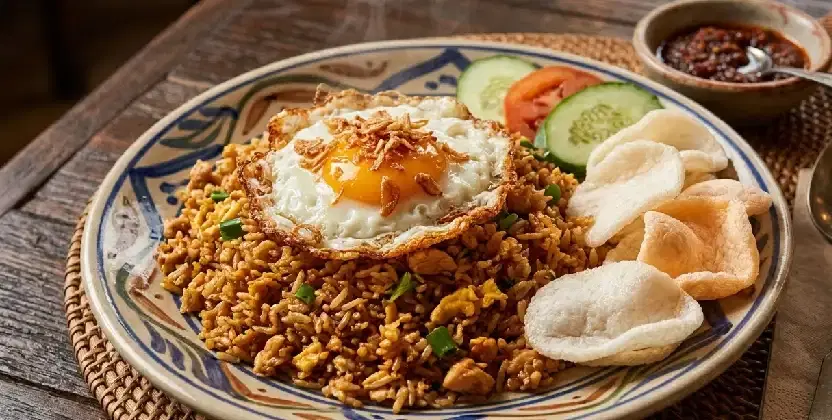
Bali
Bali has a good selection of Indian restaurants and vegetarian-friendly cafés, especially in Ubud, Seminyak and Kuta. Jain meals may be available at selected restaurants, but confirm requirements such as no onion, garlic or root vegetables in advance. Namaskar Thali in Seminyak is one of the best vegetarian restaurants in Bali that offers Jain options on request.
Halal food is available, but not every Balinese restaurant is halal-certified.
Vietnam
Vegetarian meals are available in major cities, including Buddhist vegetarian restaurants and Indian dining options. However, fish sauce, meat broth and seafood may be used in dishes that appear vegetarian, so explain your dietary requirements clearly.
Jain food requires more planning than standard vegetarian meals, particularly outside Indian restaurants. Halal restaurants are available in major tourist centres, but options may be more limited in smaller towns.
Bali vs Vietnam Adventure Activities: Surfing, Hiking & Experiences
When it comes to adventure, both Bali and Vietnam offer exciting experiences, but they cater to different travel styles. While Bali excels in tropical island adventures and water sports, Vietnam offers a broader mix of mountains, caves, rivers, coastal landscapes, and cultural exploration.
- Bali - It is like life with a slow tempo. Maybe you would do yoga in the peaceful nature of Ubud, and after that, take your board to surf at Uluwatu. For a large number of travellers, walking to hidden waterfalls, taking part in temple visits and local rituals, and relaxing in infinity pools are the top activities in Bali. The island of Bali is small enough to explore easily, which is why many travellers build a simple Bali vs Vietnam itinerary covering beaches, rice fields, and sunset spots without rushing.
- Vietnam – On the other hand, Vietnam offers you the excitement of a wild ride. What about riding a motorbike through the amazing Hai Van Pass, trekking through the foggy terraces of Sapa, or kayaking among the green waters of Ha Long Bay? Every place is a new adventure.
Winner: Vietnam. For its wider range of adventure activities, from trekking and motorbiking to kayaking, caves and mountain exploration.
Getting to Bali and Vietnam from India
Direct-flight availability depends on the departure date and airline schedule. Check the airline's booking page before finalising this section.
Route | Flight option | Approximate non-stop duration |
| Delhi to Bali (Denpasar) | Direct flights available | Around 8 hours |
| Bengaluru to Bali (Denpasar) | Direct flights available | Around 7 hours |
| Delhi to Hanoi | Direct flights available | Around 4 hours 15 minutes |
| Delhi to Ho Chi Minh City | Direct flights available | Around 5 hours |
| Mumbai to Hanoi | IndiGo direct service announced from 25 October 2026 | Check the operating schedule |
Travellers departing from Chennai, Hyderabad, Kolkata or other cities may need a connecting flight, depending on the destination and date. A one-stop journey can take several hours longer, depending on the layover.
Sample itineraries: Bali vs Vietnam
Bali itinerary for 5 days
Day 1: Arrive in Bali and explore Seminyak.
Check in, relax after the flight and visit Seminyak Beach for sunset. Keep the first day light.
Day 2: Ubud and rice terraces
Explore Ubud town, visit Tegallalang Rice Terraces and browse local art and craft markets.
Day 3: Mount Batur or a waterfall
Choose a guided sunrise hike or a waterfall visit. Check weather and current volcanic safety guidance before travelling.
Day 4: Uluwatu and the southern coast
Visit Uluwatu Temple, explore nearby beaches and enjoy the sunset. Check temple dress requirements.
Day 5: Beach time and departure
Spend the morning in Nusa Dua or enjoy a relaxed breakfast before heading to the airport.
Vietnam itinerary for 7–10 days
Days 1–2: Hanoi
Explore the Old Quarter, Hoan Kiem Lake, local markets and Vietnamese food. Allow time to adjust after arrival.
Days 3–4: Ha Long Bay
Take a bay cruise or choose a day trip from Hanoi. Check sailing conditions and cancellation policies during storm season.
Days 5–6: Hoi An and Da Nang
Visit Hoi An's Ancient Town, explore Da Nang's beaches and add the Marble Mountains if time permits. Travel between regions by flight or other suitable transport.
Day 7: Ho Chi Minh City or departure
If your flight schedule permits, explore the city. For a seven-day trip, consider flying home from Da Nang instead to avoid another long transfer.
For a 10-day holiday, add two or three nights in Ho Chi Minh City and consider a Mekong Delta excursion. If you want to visit both Bali and Vietnam, allow around 12–15 days and account for the extra international flight and transfer time.
Which destination suits your travel style?
| Traveller type | Better fit | Why |
| Honeymooners | Bali | Private villas, spa experiences, beach sunsets and resort stays |
| Families with young children | Bali for a resort holiday | Easier to build a slower itinerary around one base |
| Seniors | Either, depending on mobility | Bali suits relaxed stays; Vietnam suits travellers comfortable with transfers and walking |
| Budget travellers | Vietnam | Often lower everyday food and accommodation costs |
| First-time international travellers | Bali for a short break | A straightforward island itinerary with established tourist services |
| Food lovers | Vietnam | Regional cuisine, street food and coffee culture |
| Adventure travellers | Vietnam | Trekking, caves, kayaking and varied landscapes |
| Solo women travellers | Either, with precautions | Choose well-reviewed accommodation and reliable transport; avoid assuming either destination is risk-free |
| Groups of friends | Either | Bali for beach clubs and villas; Vietnam for road trips, food and city exploration |
Safety and common tourist scams
Both destinations require normal travel precautions. The main practical risks include road accidents, petty theft, transport scams and dishonest currency exchange.
- Motorbike accidents: Traffic can be challenging, particularly in Bali and Vietnam's cities. Do not ride unless you are experienced, properly licensed and insured. Wear a suitable helmet.
- Taxi scams: Use reputable taxi operators or ride-hailing apps such as Grab, and check the vehicle and driver details before getting in.
- Money-changer tricks: Use licensed currency exchanges. Count your cash carefully before leaving the counter and check the displayed exchange rate.
- Card safety: Keep your card in sight during payment and monitor transactions.
- Solo travel: Share your itinerary with someone you trust, use well-reviewed accommodation and avoid poorly lit areas late at night.
Money and payments: cash, cards and UPI
Carry a mix of local cash and a debit or credit card. Use Indonesian rupiah in Bali and Vietnamese dong in Vietnam. Cash is useful for small purchases, street food and markets, while cards are more widely accepted at established hotels and larger restaurants.
- UPI: Do not assume Indian UPI apps will work everywhere. International QR payments are available only at participating merchants and through supported apps and banks.
- ATMs: Check your bank's international withdrawal fee, the local ATM fee and the exchange rate before withdrawing.
- Foreign exchange: Compare the total amount received, not just the advertised rate. Avoid unlicensed money changers.
- Large banknotes: Vietnamese dong and Indonesian rupiah have high nominal denominations. Check the number of zeros and count change carefully.
- Cards: Inform your bank of travel requirements if needed and keep a backup payment method separate from your main wallet.
Travel insurance, health and food safety
Buy travel insurance that covers medical treatment, hospitalisation, trip interruption, baggage and the activities you intend to do. If you plan to surf, hike, dive or ride a motorbike, check the policy exclusions carefully.
Consult a travel-health professional well before departure about routine vaccinations, destination-specific recommendations and mosquito-borne illnesses. The appropriate advice depends on your health, itinerary and activities; do not assume that every traveller needs the same vaccinations.
Preventing Bali belly and other stomach upsets:
- Drink sealed bottled water or water confirmed safe for drinking.
- Wash your hands before eating.
- Choose food that is freshly cooked and served hot.
- Be cautious with ice and raw food where water safety is uncertain.
- Carry oral rehydration salts and seek medical help if symptoms are severe or persistent.
Internet and eSIM options
An eSIM can provide mobile data without swapping your physical SIM, provided your phone supports eSIMs and is unlocked. Compare Indonesia- or Vietnam-specific plans with regional Southeast Asia plans before departure.
Check the data allowance, validity, hotspot support and whether the plan includes calls or only data. Install the eSIM and save activation instructions before travelling, and keep access to your main number for banking verification if required.
Airport SIM counters and local mobile providers are alternatives if you prefer a physical SIM. Coverage and speeds can vary between major cities, islands and rural areas.
Weather risks: rain, typhoons and volcanic activity
Bali's wet season generally runs from November to March. Heavy showers can affect road travel, outdoor activities and beach conditions. Before a Mount Batur hike or other volcano-related excursion, check current alerts and restrictions rather than relying on old travel reports. Indonesia has active volcanoes, and local authorities may impose exclusion zones.
Vietnam's weather varies considerably by region. Tropical storms affect the country from around May to November, while central Vietnam faces a higher risk of heavy rain and typhoons around September–November. Storms can disrupt flights, cruises, roads and outdoor excursions.
If travelling during a riskier weather period, book flexible activities where possible, monitor official forecasts and choose travel insurance that covers relevant disruptions.
Bali vs Vietnam Travel Tips 2026: Visa, Transport & Local Advice
Vietnam
- Complete the Vietnam e-visa before your trip to avoid delays at immigration.
- Use Grab for local travel instead of negotiating with street taxis for better pricing and safety.
- Cash is still widely used in local markets, so keep small Vietnamese Dong notes handy for daily spending.
- North and central Vietnam can get busy during peak travel months like December and January, so booking hotels early is recommended.
Bali
- Apply for e-VoA before your trip to make your airport arrival faster and smoother.
- Traffic in areas like Seminyak, Canggu, and Ubud can be slow, especially during sunset hours.
- Use Grab or Gojek for cheaper and more reliable local travel instead of roadside taxis.
- Beach clubs, sunset dining spots, and private villas often require advance booking during peak season.
Which Southeast Asian Destination Should You Visit in 2026: Bali vs Vietnam?
The Bali vs Vietnam debate has no definitive answer because each destination offers its own mix of culture, landscapes, food, and adventures. Choose Bali for a short, beach-led holiday, a romantic resort stay or a relaxed family break. Choose Vietnam for better everyday budget value, street food, cultural sightseeing and a wider variety of landscapes. For travellers who have at least 12–15 days and want both a tropical island and a multi-region adventure, combining the destinations is possible, but budget for the extra flight and transfer time.
Planning your next holiday? Explore Bali tour packages for a customised island escape or Vietnam family tour packages for a multi-city holiday. Compare the itinerary, inclusions and travel dates before booking.
FAQs
1. Can I visit Bali and Vietnam in one trip?
A: Yes, you can visit Bali and Vietnam on the same holiday. Plan around 12–15 days to explore both destinations comfortably, allowing time for international flights and transfers. Spend 5–6 days in Bali for beaches, temples and island experiences, followed by 7–9 days in Vietnam for cities, cultural attractions and scenic landscapes.
2. Is it better to visit Bali or Vietnam in December, January or summer?
A: Bali is a good choice from April to October for drier weather, beaches and outdoor activities. December and January fall within Bali's wet season. Vietnam's weather varies by region, with southern Vietnam generally experiencing drier conditions from December to April. For summer travel, Bali offers favourable conditions during its dry season, while Vietnam's best destination depends on regional weather.
3. Which is better for a family with kids, Bali or Vietnam?
A: Bali is ideal for families seeking beach resorts, family-friendly activities, wildlife experiences and a relaxed holiday. Vietnam suits families interested in cultural attractions, boat trips, scenic landscapes and local food. Bali can be more convenient for a shorter, resort-based trip, while Vietnam is a good choice for families planning a longer, multi-city holiday.
4. Do Indians need an international driving permit to ride scooters in Bali and Vietnam?
A: Indian travellers should check the current driving requirements before renting a scooter in either destination. An international driving permit may be required alongside a valid Indian driving licence with the appropriate motorcycle authorisation. Confirm local licensing rules, insurance coverage and helmet requirements before riding.
5. Is Bali or Vietnam better for vegetarian Indian food?
A: Bali is generally easier for finding vegetarian Indian food, especially in tourist areas with Indian restaurants and vegetarian-friendly cafés. Vietnam offers vegetarian dishes such as vegetable pho, tofu-based meals and rice dishes. However, fish sauce and meat-based broths may be used in some Vietnamese dishes, so confirm the ingredients when ordering.
6. Is Vietnam or Bali better for a honeymoon on a budget?
A: Vietnam is generally more affordable for couples who want to explore cities, enjoy local food and discover scenic destinations. Bali is a better choice for couples seeking private pool villas, romantic resorts, spa treatments and sunset dinners. Compare flights, accommodation and activity costs before booking, as seasonal prices can influence the overall budget.
7. How much cash should I carry for a Bali or Vietnam trip?
A: Carry enough local currency for small purchases, street food, local markets and transport. Use Indonesian rupiah in Bali and Vietnamese dong in Vietnam. Your cash requirement depends on your itinerary, accommodation and spending habits. Keep the remaining funds in a secure card or payment method, and use reputable ATMs or currency exchange counters.
8. Is Bali more expensive than Vietnam?
A: Yes, Bali is generally slightly more expensive than Vietnam, particularly for accommodation in popular areas, beach clubs, and premium dining. However, Bali offers excellent value for luxury villas and private pool resorts. Vietnam is usually the more budget-friendly option for food, local transport, accommodation, and sightseeing, making it ideal for travellers looking to maximise their budget.
9. Which has better beaches: Bali or Vietnam?
A: If your priority is beaches, Bali offers a more complete beach holiday experience with world-famous surfing spots, beach clubs, cliffside viewpoints, and luxury beachfront resorts. Vietnam also has beautiful beaches, particularly in Da Nang, Phu Quoc, Con Dao, and Nha Trang, but they are spread across different regions rather than concentrated in one destination.
10. Which destination is safer for tourists: Bali or Vietnam?
A: Both Bali and Vietnam are considered safe for tourists, including solo travellers and families. The most common issues are minor scams, traffic-related risks, and pickpocketing in crowded tourist areas. Using licensed taxis or ride-hailing apps such as Grab or Gojek, keeping valuables secure, and following local safety advice can help ensure a hassle-free trip in either destination.
11. How much does a Bali vs Vietnam trip cost from India?
A: A Bali vs Vietnam trip from India can vary depending on flights, accommodation, travel season and activities. Return flights typically cost around ₹15,000–₹35,000 for Bali and ₹15,000–₹30,000 for Vietnam. Vietnam is generally more budget-friendly for accommodation, food and local transport.
12. What are the visa fees for Indians travelling to Bali and Vietnam?
A: Indian travellers need a visa for both destinations. Bali's e-VOA costs around IDR 500,000 (₹2,750–₹3,000), plus a IDR 150,000 (around ₹850) tourist levy. Vietnam's single-entry e-Visa costs around VND 650,000 (₹2,100), while a multiple-entry e-Visa costs around VND 1,300,000 (₹4,200).