
Places to Visit in Sanur, Bali: Top Beaches, Markets & Attractions (2026)
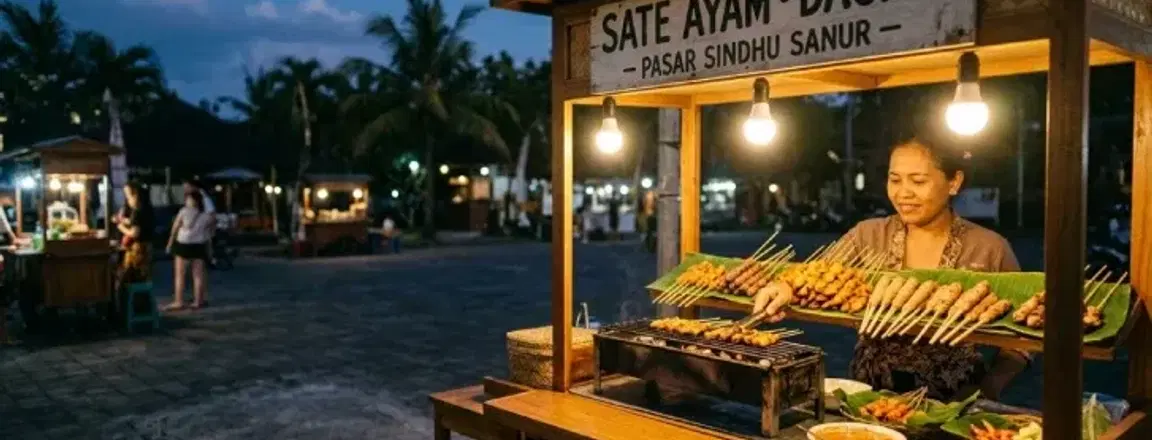
Sanur is often skipped by travellers who think Bali is only about beach clubs, nightlife, and crowded hotspots. But this quiet coastal town offers a completely different side of the island, with peaceful beaches, local markets, cultural landmarks, and easy access to the Nusa Islands. The best places to visit in Sanur are not limited to its famous shoreline. From sunrise walks and traditional markets to historic temples and hidden attractions, Sanur has experiences that suit families, couples, and solo travellers. This guide covers the top places to explore, how much time you need, the best time to visit, how to get around, and what makes Sanur worth adding to your Bali itinerary. It also helps you plan better while choosing the right Bali tour package for your trip.
Best Places to Visit in Sanur at a Glance
| Place | Type | Entry Fee |
| Sanur Beach | Beach | Free |
| Sindhu Beach | Beach | Free |
| Karang Beach | Beach | Free |
| Mertasari Beach | Beach | Free |
| Sindhu Night Market | Food Market | Free |
| Sanur Morning Market | Local Market | Free |
| Le Mayeur Museum | Museum | IDR 100,000 (≈ ₹470) |
| Blanjong Temple | Temple | Donation based |
| Guwang Art Market | Art Market | Free |
| Big Garden Corner | Garden and Park | IDR 28,500 (≈ ₹150) |
| ICON Bali Mall | Shopping Mall | Free |
| Taman Festival Park | Abandoned Theme Park | IDR 20,000 (≈ ₹95) |
| Artasedana | Souvenir Shopping | Free |
| Sanur Harbour | Harbour | Free to enter |
14 Best Places to Visit in Sanur, Bali
Sanur Beach
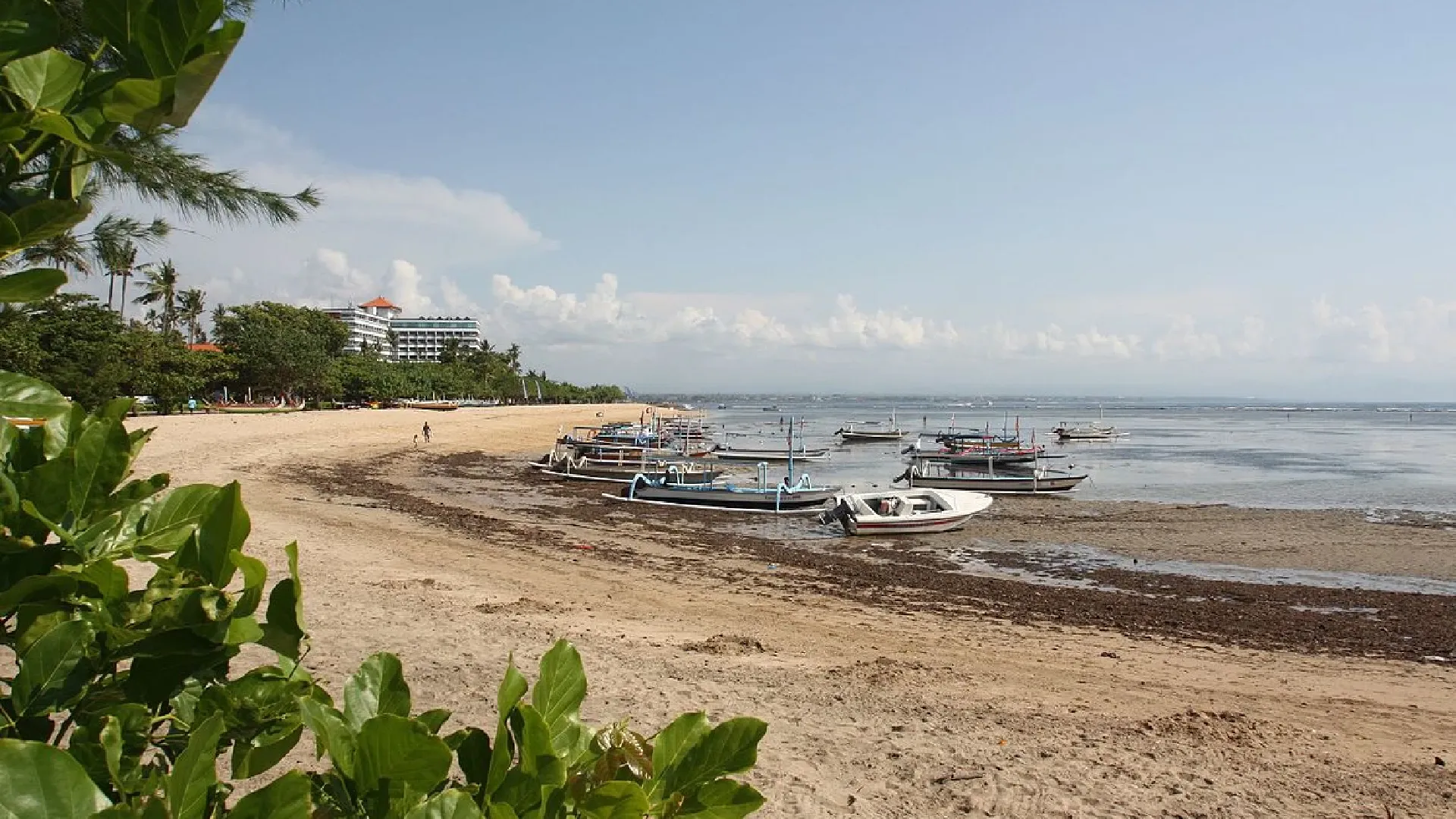
This is where most people start their Sanur trip. The water stays calm through most of the year because a reef sits offshore and breaks the waves before they reach the shore. A long paved path runs along the coast, and it stays busy from early morning with people walking, cycling or simply sitting with a coffee. Sanur Beach also hosts the Bali Kite Festival every July or August, when giant handmade kites fill the sky for days.
- Location: Along the eastern coastline of Sanur, Denpasar, Bali
- Timing: Open all day
- Entry fee: Free
Sindhu Beach
A quieter stretch just north of the main Sanur promenade. The sand at this beach in Bali is wide, and the water stays shallow for a good distance, which makes it a favourite among families travelling Bali with kids. It connects directly to the walking path, so people often move between Sindhu and Sanur Beach without noticing the shift.
- Location: Sindhu, Sanur, Denpasar Selatan, Bali
- Timing: Open all day
- Entry fee: Free
Karang Beach
Karang Beach sits a little further south and stays noticeably calmer than the more crowded parts of Sanur. It suits people who want a beach without the noise of vendors or large groups. Locals often come here in the early evening for a slow walk.
- Location: Karang, Sanur, Denpasar, Bali
- Timing: Open all day
- Entry fee: Free
Mertasari Beach
Mertasari Beach marks the southern end of the Sanur coastline. It borders a mangrove area, which keeps the surroundings green and shaded. A few open-air restaurants line the edge, so it works well for a slow evening meal with the sea close by.
- Location: Mertasari, Sanur, Denpasar Selatan, Bali
- Timing: Open all day
- Entry fee: Free
Sindhu Market
Sindhu Market covers everyday needs for both locals and visitors. Fresh produce, spices, clothing, and household items fill the stalls, and the prices stay far lower than what tourist shops charge nearby. It gives a real look at how the neighbourhood shops and lives, away from anything staged for tourists.
- Location: Jalan Pungutan No. 2, Sanur, Denpasar Selatan, Bali
- Timing: 6 AM to 2 PM
- Entry fee: Free
Sanur Morning Market
A smaller and lesser-known market in Bali that opens early and wraps up by mid-morning. Locals stop here on their way to work, picking up fruit, snacks and daily groceries. It has a calm, unhurried feel that the evening markets do not carry.
- Location: Central Sanur, Denpasar, Bali
- Timing: 6 AM to 10 AM
- Entry fee: Free
Le Mayeur Museum
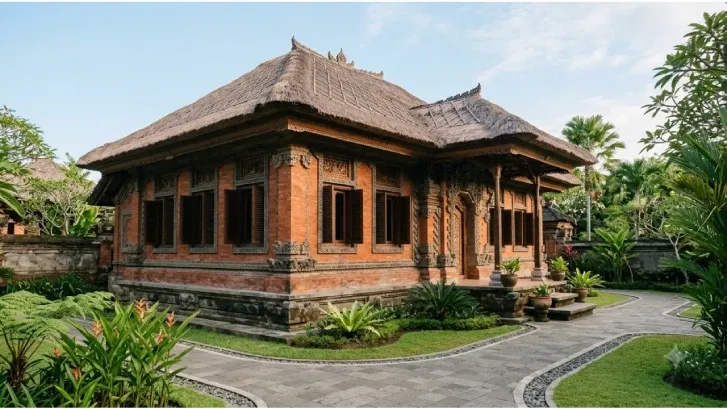
The Le Mayeur Museum sits inside the former home of Adrien Jean Le Mayeur, a Belgian painter who settled in Sanur in the 1930s. The house itself carries traditional Balinese architecture with carved wooden shutters, and it holds around eighty of his original paintings across different rooms. It gives a rare glimpse into what Sanur looked like decades before tourism reached the island.
- Location: Jalan Hang Tuah, Sanur, Bali
- Timing: 8:30 AM to 3:30 PM (Saturday to Thursday) and 8:30 AM to 12:30 PM (Friday)
- Entry fee: Around IDR 100,000 (~₹470 approximately)
Blanjong Temple
A small but historically important temple in Bali tucked into a quiet lane in southern Sanur. It holds one of Bali's oldest surviving inscriptions, a stone pillar dating back to the year 914, written in both Sanskrit and Old Balinese. The temple stays functional for local worship, so visitors are asked to dress modestly and stay respectful during ceremonies.
- Location: Jalan Danau Poso, Sanur Kauh, Denpasar Selatan, Bali
- Timing: Open daily
- Entry fee: donation-based
Guwang Art Market
Located a short drive outside central Sanur, Guwang Art Market offers a calmer alternative to the larger Sukawati Art Market. Stalls here sell beachwear, handwoven fabrics, sandals and small wooden crafts. Arriving early in the day usually means better prices, since vendors tend to negotiate more freely before the crowds build up.
- Location: Jalan Raya Guwang No. 5, Guwang, Sukawati, Gianyar, Bali
- Timing: 9 AM to 6 PM
- Entry fee: Free
Big Garden Corner
A themed garden space filled with statues, sculptures modelled on Borobudur, and a small dinosaur park that keeps children entertained. It also has a swimming pool and an in-house restaurant serving Balinese cuisine, which makes it easy to spend a full afternoon here without needing to travel elsewhere.
- Location: Jalan By Pass Ngurah Rai, Kesiman, Denpasar Selatan, Bali
- Timing: 10 AM to 9 PM
- Entry fee: Around IDR 28,500 (~₹150 approximately)
ICON Bali Mall
One of the newer additions to Sanur, this mall in Bali opened its doors in 2024 and quickly became a spot for dining, indoor entertainment and shopping in Bali. It carries a mix of international brands and local stores, along with a cinema and several dining options that give visitors a break from beach heat.
- Location: Northern Sanur, Denpasar, Bali
- Timing: 10 AM to 10 PM
- Entry fee: Free
Taman Festival Park
This abandoned theme park has an unusual story. Construction began in the 1990s with plans for rides, laser shows and even a large aquatic zone, but the project was left unfinished after economic troubles hit the region. What remains today is a set of overgrown structures covered in vines and street art, drawing visitors curious about its eerie, untouched atmosphere.
- Location: Coastal area near central Sanur, Bali
- Timing: 9 AM to 5 PM
- Entry fee: Around IDR 20,000 (~₹95 approximately)
Artasedana
Formerly known as Hardy's, this multi-storey spot has become the go-to place for shopping Bali souvenirs in Sanur. It runs on fixed pricing, so there is no need to negotiate. Shelves are stocked with wood carvings, local coffee, spices, sarongs and small keepsakes that make for easy gifting.
- Location: Jalan Danau Tamblingan No. 136, Sanur, Denpasar Selatan, Bali
- Timing: 6 AM to 10:30 PM
- Entry fee: Free
Sanur Harbour
This harbour serves as the main departure point for fast boats heading to Nusa Penida, Nusa Lembongan and Nusa Ceningan. Even for those not planning an island trip, the harbour area is worth a visit for its view of fishing boats lined up along the shore in the early morning.
- Location: Northern Sanur, Denpasar, Bali
- Timing: Ferries operate from early morning through the afternoon
- Entry fee: Free to enter, boat tickets priced separately
How Many Days Should You Spend in Sanur?
One full day is enough to cover the main beaches, the museum and the markets in Sanur. Two days give more breathing room, especially if a short island trip to Nusa Penida or Nusa Lembongan is part of the plan, since both are just a short ferry ride away from Sanur Harbour.
1 Day Sanur Itinerary
- Begin the morning at Sanur Beach while the light is still soft and the path is quiet
- Walk over to Sindhu Beach and continue along the coastal promenade
- Stop at Le Mayeur Museum to see the old paintings and traditional architecture
- Spend the afternoon browsing Sindhu Market or Artasedana for souvenirs
- Visit Blanjong Temple in the late afternoon when the crowds thin out
- Close the day at Sindhu Night Market for dinner among the local food stalls
2-Day Sanur Itinerary with Nusa Penida or Nusa Lembongan
Day One
- Cover Sanur Beach, Sindhu Beach and Le Mayeur Museum in the morning
- Visit Big Garden Corner or ICON Bali Mall in the afternoon
- End with dinner at Sindhu Night Market
Day Two
- Take an early ferry from Sanur Harbour to Nusa Penida or Nusa Lembongan
- Spend the day exploring the island's coastline and viewpoints in Bali
- Return to Sanur by early evening in time for a relaxed dinner near Mertasari Beach
Best Places to Visit in Sanur for Every Type of Traveller
| Traveller Type | Best Places to Visit | Why Visit? |
| Couples | Mertasari Beach | Perfect for sunset walks, peaceful sea views, and a relaxed evening together. |
| Le Mayeur Museum | Great for couples who enjoy art, history, and cultural experiences. | |
| Guwang Art Market | A lovely place to shop for handmade crafts and unique souvenirs. | |
| Families | Sindhu Beach | Calm, shallow water makes it one of the safest beaches for children. |
| Big Garden Corner | Features gardens, sculptures, a small dinosaur park, and a swimming pool for kids. | |
| ICON Bali Mall | Ideal for shopping, dining, and indoor activities on hot or rainy days. | |
| Solo Travellers | Sanur Morning Market | A great place to experience local life, fresh produce, and Balinese culture. |
| Blanjong Temple | A peaceful historic site for travellers interested in Bali's heritage. | |
| Sanur Coastal Walking Path | A scenic route connecting Sanur, Sindhu, and Karang beaches, perfect for a quiet walk by the sea. |
How to Get Around Sanur
Sanur is one of the easier areas in Bali to explore because many beaches, markets, and attractions are close to each other. Choosing the right transport in Bali can help you save time, avoid unnecessary costs, and make your sightseeing more comfortable.
| Transport | Best For | Approximate Cost (INR) | Approximate Cost (IDR) |
| Scooter Rental | Flexible sightseeing | ₹350 to ₹700 per day | IDR 65,000 to IDR 130,000 per day |
| Grab or Gojek | Short trips | ₹120 to ₹500 depending on distance | IDR 22,000 to IDR 92,000 per trip (approx.) |
| Private Driver | Day trips to Tanah Lot, Ubud or Uluwatu | ₹3,000 to ₹5,000 per day | IDR 555,000 to IDR 925,000 per day (approx.) |
Essential Tips for Visiting Sanur, Bali
- Start your day early: Visit beaches and markets in the morning when the weather is cooler and the crowds are smaller.
- Carry cash: Many local markets, small shops, and food stalls still prefer cash payments, especially outside tourist areas.
- Wear proper clothes at temples: Carry a sarong or wear modest clothing when visiting places like Blanjong Temple.
- Choose your stay wisely: Stay near Sanur Beach or the main promenade if you want easy access to restaurants, markets, and walking paths.
- Use Sanur Harbour for island trips: If you plan to visit Nusa Penida or Nusa Lembongan, staying in Sanur saves travel time because boats leave from here.
- Walk whenever possible: Sanur is flat and easy to explore on foot, especially the coastal path connecting Sanur, Sindhu, and Karang beaches.
- Avoid visiting only the beaches: Sanur has more to offer, including local markets, museums, temples, and cultural spots worth exploring.
- Book transport in advance for day trips: For places outside Sanur like Ubud or Uluwatu, arranging a driver early can save time and avoid last-minute price changes.
Conclusion: Why Sanur Is Worth Visiting
Sanur proves that Bali is not only about busy beaches and nightlife. Its calm coastline, local markets, cultural landmarks, and easy island access make it a great choice for travellers looking for a more relaxed experience. The places to visit in Sanur let you explore a quieter side of Bali without missing out on memorable experiences. Plan your visit, explore beyond the main beach, and discover why this coastal town deserves a place on your Bali itinerary.
FAQs
1. What are the best things to do in Sanur?
The best things to do in Sanur include watching the sunrise at Sanur Beach, exploring local markets, visiting Le Mayeur Museum, shopping for souvenirs, and taking a fast boat to the Nusa Islands.
2. Is Sanur worth visiting for a day?
Yes, Sanur is worth visiting for a day because you can explore its beaches, markets, museum, and temples at a relaxed pace. If you also plan to visit the Nusa Islands, staying for two days is a better option.
3. What is the best part of Sanur?
The best part of Sanur is its peaceful beachfront, where you can enjoy sunrise views, walk along the seaside promenade, and easily reach restaurants, markets, and Sanur Harbour.
4. Is Sanur or Seminyak better?
Sanur or Seminyak depends on the kind of holiday you want. Sanur is better for a quiet and family-friendly stay, while Seminyak is known for beach clubs, shopping, and nightlife.
5. What are the best places to visit in Sanur at night?
The best places to visit in Sanur at night are Sindhu Night Market for local food, Mertasari Beach for a peaceful evening, and the restaurants along Jalan Danau Tamblingan.
6. What are some unique places to visit in Sanur?
Some unique places to visit in Sanur include Le Mayeur Museum, Blanjong Temple, Taman Festival Park, and Guwang Art Market. These attractions offer history, culture, and experiences beyond the beaches.
7. Is Sanur good for shopping?
Yes, Sanur is good for shopping if you want local souvenirs, handmade crafts, coffee, spices, and clothing. Artasedana and Guwang Art Market are among the best shopping spots.
8. How do I get from Sanur to Nusa Lembongan?
You can get from Sanur to Nusa Lembongan by taking a fast boat from Sanur Harbour. The journey usually takes around 30 to 45 minutes, depending on the weather and sea conditions.
9. How far is Sanur from Ubud?
Sanur is around 25 to 30 kilometres from Ubud. The journey usually takes about one to one and a half hours by taxi, private driver, or ride-hailing apps, depending on traffic.
10. What is Sanur known for?
Sanur is known for its calm beaches, beautiful sunrises, coastal walking path, local markets, and Sanur Harbour, which is the main gateway to Nusa Penida and Nusa Lembongan.