
14 Best Markets in Bali for Shopping, Food & Local Experiences
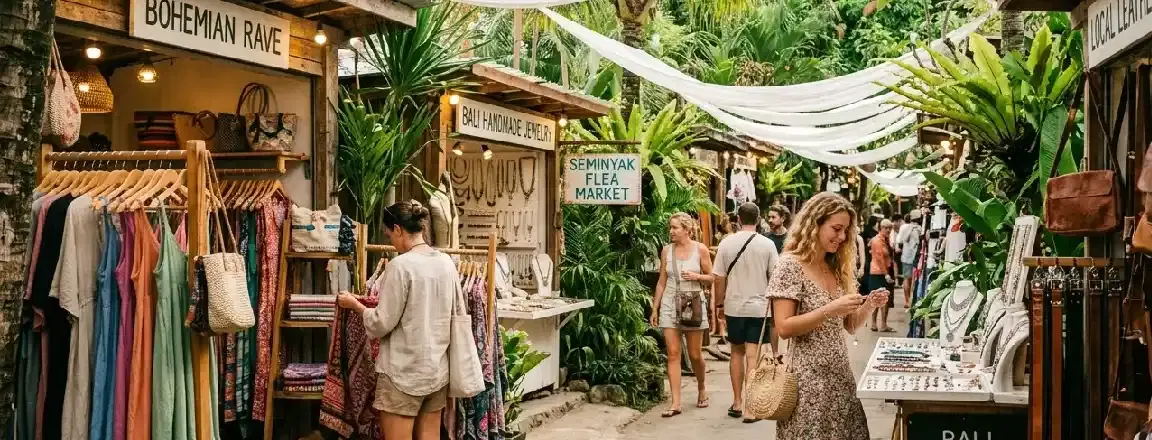
Looking for the best markets in Bali to shop, eat and experience the island like a local? From colourful handicrafts and handmade souvenirs to traditional textiles, fresh produce and delicious Balinese street food, Bali markets offer something for every traveller. Whether you want to pick up unique gifts, practise your bargaining skills or discover local flavours, these markets are an easy way to experience Bali beyond its beaches and popular attractions.
This guide covers the top markets in Bali, including popular art markets, traditional local bazaars, night markets and food markets, with tips on what to buy and what to expect.
Markets in Bali: At a Glance
Market | Location | What to Buy / Try | Average Spend | Ideal Duration | Best Time |
| Ubud Art Market | Ubud, Gianyar | Rattan bags, batik, silver jewellery, wood carvings, handmade décor | IDR 265,000 (₹1,430) | 1–2 hours | Before 10:00 AM |
| Sukawati Art Market | Sukawati, Gianyar | Batik clothes, sarongs, paintings, wooden sculptures, souvenirs | IDR 262,500 (₹1,420) | 1–2 hours | 8:00–11:00 AM |
| Kuta Art Market | Kuta, Badung | Sarongs, beach dresses, T-shirts, shell jewellery, souvenirs | IDR 165,000 (₹890) | 1 hour | Late afternoon–evening |
| Guwang Art Market | Guwang, Gianyar | Batik shirts, summer dresses, sarongs, resort wear, scarves | IDR 190,000 (₹1,025) | 1–2 hours | 8:00–11:00 AM |
| Badung Market | Denpasar | Tropical fruits, spices, temple offerings, textiles, local snacks | IDR 105,000 (₹570) | 1–2 hours | 5:00–8:00 AM |
| Sanur Night Market | Sanur, Denpasar | Babi guling, satay, tropical juices, Balinese desserts | IDR 60,000 (₹325) | 1–1.5 hours | 6:00–8:00 PM |
| Kereneng Market | North Denpasar | Batik, household items, local snacks, street food, ceremonial items | IDR 130,000 (₹700) | 1–2 hours | 6:00–8:00 PM |
| Gianyar Night Market | Gianyar | Nasi campur, Balinese satay, martabak, pisang goreng, coconut drinks | IDR 57,500 (₹310) | 1–1.5 hours | 6:00–9:00 PM |
| Kedonganan Fish Market | Kedonganan, Kuta | Tuna, snapper, lobster, squid, prawns | IDR 275,000 (₹1,485) | 1–2 hours | 5:00–8:00 AM |
| Seminyak Flea Market | Seminyak, Badung | Silver jewellery, leather bags, boho clothing, hats, artisan décor | IDR 450,000 (₹2,430) | 1–2 hours | 10:00 AM–12:00 PM |
| Love Anchor Market | Canggu, Badung | Handmade jewellery, boho fashion, leather accessories, soaps, décor | IDR 337,500 (₹1,820) | 1–2 hours | 4:00–6:00 PM |
| Bedugul Market | Candikuning, Tabanan | Strawberries, highland fruit, vegetables, flowers, handicrafts | IDR 110,000 (₹595) | 1 hour | 7:00–10:00 AM |
| La Brisa Sunday Market | Canggu, Badung | Organic products, artisan jewellery, sustainable fashion, skincare, crafts | IDR 275,000 (₹1,485) | 1–2 hours | 10:00 AM–12:00 PM |
| Samadi Sunday Market | Canggu, Badung | Organic produce, herbal teas, homemade snacks, skincare, sustainable products | IDR 165,000 (₹890) | 1–2 hours | 9:00–11:00 AM |
Top Art & Souvenir Markets in Bali
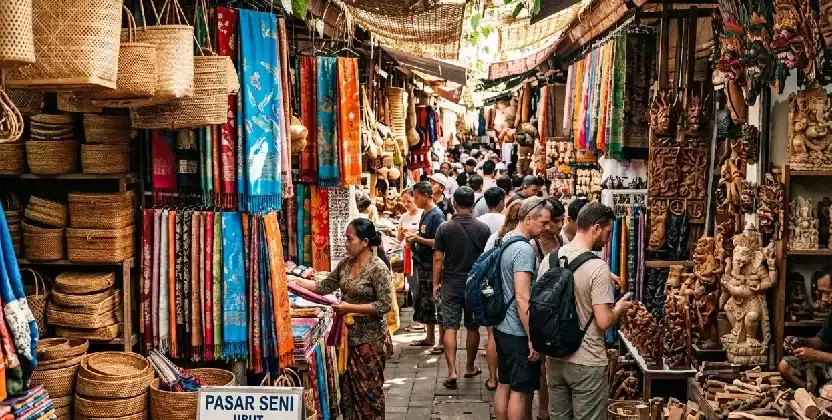
Travellers on Bali tour packages can explore these markets for authentic souvenirs, traditional crafts, batik, sarongs, jewellery and handmade décor. Bargaining is common, making them ideal for affordable local shopping.
1. Ubud Art Market
Located opposite Ubud Palace, Ubud Art Market is one of the best markets in Bali for shopping and picking up authentic Balinese souvenirs. Browse colourful rattan bags, batik fabrics, silver jewellery, wood carvings and handmade home décor while exploring the heart of Ubud. For a more local experience, visit before 9–10 AM when the market also serves residents shopping for flowers, vegetables and ceremonial offerings. By mid-morning, the stalls become a lively shopping hub filled with crafts and souvenirs.
Location: Jl. Raya Ubud No. 35, Ubud, Gianyar, Bali
What to buy:
- Rattan bags
- Batik fabrics
- Silver jewellery
- Wood carvings
- Handmade home décor
Price range: Approx. IDR 30,000–500,000 (₹160–₹2,700)
Timings: Daily, approx. 8:00 AM – 5:00 PM
Best time: Before 10:00 AM for a quieter shopping experience and local market atmosphere.
Tip: Start bargaining at 50% of the quoted price. Stay polite and patient, as negotiation here is cultural etiquette, not confrontation.
2. Sukawati Art Market
Looking for affordable shopping in Bali? Sukawati Art Market is a popular choice for travellers hunting for traditional crafts, clothes and souvenirs at budget-friendly prices. It is especially useful if you want to shop in bulk, with stalls selling batik shirts and dresses, sarongs, paintings, wooden sculptures and other Balinese handicrafts. Compared with boutique stores, the market offers a wider choice of traditional products and plenty of opportunities to bargain, making it a practical stop for souvenir shopping.
Location: Jl. Raya Sukawati, Sukawati, Gianyar, Bali 80582
What to buy:
- Batik shirts and dresses
- Sarongs
- Canvas paintings
- Wooden sculptures
- Bulk souvenirs
Price range: Approx. IDR 25,000–500,000 (₹135–₹2,700)
Timings: Daily, approx. 8:00 AM – 7:00 PM
Best time: 8:00 AM–11:00 AM for cooler weather and more relaxed shopping.
3. Kuta Art Market
Located near Kuta Beach, Kuta Art Market is one of the best street markets in Bali for casual shoppers. It’s ideal if you're short on time and want quick shopping between beach sessions. While it caters largely to tourists, it remains one of the most accessible and cheap markets for buying souvenirs in Bali. It’s smaller than Sukawati Market but centrally located, which makes it ideal for casual browsing.
Location: Jl. Gajah Mada, Dauh Puri, Denpasar, Bali
What to buy:
- Sarongs
- Beach dresses
- T-shirts
- Shell jewellery
- Bali-themed souvenirs
Price range: Approx. IDR 30,000–300,000 (₹160–₹1,620)
Timings: Daily, approx. 8:00 AM – 10:00 PM
Best time: Late afternoon or early evening after visiting Kuta Beach.
4. Guwang Art Market
Often overshadowed by Sukawati, Guwang is a quieter alternative and one of the underrated shopping markets in Bali. If you’re looking specifically for textiles, this may be one of the best clothes markets in Bali to explore, especially for bulk shopping. The layout of Guwang Art Market is similar to Sukawati but less crowded, allowing for a calmer shopping experience. Prices remain competitive, making it one of the most reliable shopping places in Bali for fashion finds.
Location: Jl. Raya Sukawati Ketewel, Guwang Village, Gianyar, Bali
What to buy:
- Batik shirts
- Women’s summer dresses
- Sarongs
- Casual resort wear
- Lightweight scarves
Price range: Approx. IDR 30,000–350,000 (₹160–₹1,890)
Timings: Daily, approx. 8:00 AM – 7:00 PM
Best time: 8:00 AM–11:00 AM for a calmer shopping experience.
Tip: Check stitching quality and fabric thickness before purchasing. Lower prices sometimes mean lighter material.
5. Badung Market (Pasar Badung)
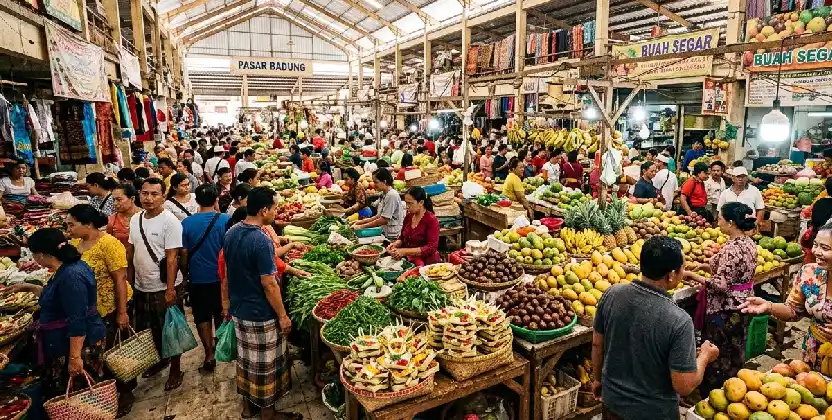
Want to shop like a local and experience everyday Bali at the same time? Badung Market in Denpasar is one of the best markets in Bali for local shopping and cultural experiences. Visit early in the morning to browse stalls filled with tropical fruits, Balinese spices, traditional textiles, local snacks and temple-offering items. The lively atmosphere, colourful produce and friendly bargaining make it a great stop for travellers looking to discover a more authentic side of Bali beyond its tourist shopping streets.
Location: Badung Market, Denpasar, Bali
What to buy:
- Fresh tropical fruits
- Balinese spice mixes
- Temple offering baskets
- Traditional textiles
- Local snacks
Price range: Approx. IDR 10,000–200,000 (₹55–₹1,080)
Timings: Open 24 hours
Best time: 5:00 AM–8:00 AM for fresh produce, flowers and temple offerings.
Best Food & Night Markets in Bali
If trying local flavours is a priority, food and night markets in Bali are perfect for experiencing street food, affordable meals and lively evenings. From Balinese satay and nasi campur to fresh seafood and tropical drinks, these markets bring local food culture to life.
6. Sanur Night Market (Pasar Sindhu)
Looking for a lively evening filled with Bali street food and local flavours? Sanur Night Market comes alive after sunset, with open-air food stalls serving affordable Balinese dishes, snacks and refreshing drinks. Grab a seat, watch the food being prepared on smoky grills and enjoy the relaxed atmosphere as locals and travellers gather for a casual meal. It’s a great stop for food lovers who want to taste Bali beyond its restaurants and resorts.
Location: Jl. Danau Tamblingan, Sanur, Denpasar, Bali
What to try:
- Babi guling
- Satay skewers
- Fresh tropical juices
- Balinese desserts
Price range: Approx. IDR 20,000–100,000 (₹110–₹540) per dish/meal
Timings: Daily, approx. 5:00 PM – 10:00 PM
Best time: 6:00 PM–8:00 PM for the liveliest atmosphere and widest food choice
7. Kereneng Market (Pasar Kereneng)
Kereneng Market is one of the popular night markets in Bali, located in Denpasar. This three-storey market serves as a shopping hub by day and transforms into a lively night market after sunset. Browse batik clothing, local snacks and everyday essentials, then grab an affordable bite as the market gets busier into the evening.
Location: Jl. Cambodia No. 24, Dangin Puri Kangin, North Denpasar, Bali 80236
What to buy/try:
- Batik cloth
- Kitchen and household items
- Local snacks and street food
- Balinese ceremonial items
Price range: Approx. IDR 10,000–250,000 (₹55–₹1,350)
Timings: Day market approx. 6:00 AM–4:00 PM; night market approx. 5:00 PM–midnight
Best time: 6:00 PM–8:00 PM for the night market experience before the biggest crowds.
Tip: The night market gets busiest after 8 PM, so arrive a little earlier if you want to eat without the biggest crowds.
8. Gianyar Night Market
Want to experience the markets in Bali after dark? Gianyar Night Market is a great stop for travellers looking to taste local food in a lively, authentic setting. Loved by locals for its affordable eats, the market comes alive in the evening as vendors prepare dishes right in front of you. From Balinese satay and nasi campur to sweet treats and fresh coconut drinks, it’s a fun way to explore Bali’s local flavours away from tourist-heavy dining spots.
Location: Jl. Ngurah Rai-Gianyar No. 38, Gianyar, Bali 80361
What to try:
- Nasi campur
- Balinese satay
- Martabak
- Pisang goreng
- Fresh coconut drinks
Price range: Approx. IDR 15,000–100,000 (₹80–₹540) per dish/meal
Timings: Daily, approx. 3:00 PM – midnight
Best time: 6:00 PM–9:00 PM when most food stalls are operating and the market is at its liveliest.
9. Kedonganan Fish Market
Most visitors know Bali for its beaches, but few get to see the island's fishing culture up close. Kedonganan Fish Market offers that opportunity. Early each morning, fishermen return with their catch while buyers gather along the waterfront. The atmosphere is lively and authentic. Even if you are not planning to buy seafood, watching the market in action is an experience in itself.
Location: Jl. Pantai Kedonganan, Kedonganan, Kuta, Badung, Bali
What to buy/try:
- Tuna
- Snapper
- Lobster
- Squid
- Prawns
Price range: Approx. IDR 50,000–500,000 (₹270–₹2,700), depending on seafood type and quantity
Timings: Daily, approx. 4:00 AM – 9:00 PM
Best time: 5:00 AM–8:00 AM when fresh catches arrive after sunrise.
Trendy & Lifestyle Markets in Bali
For travellers seeking modern shopping in Bali, these markets blend local craftsmanship with contemporary fashion, sustainable products and stylish lifestyle finds. Explore handmade jewellery, boho clothing, natural skincare, organic produce and unique home décor.
10. Seminyak Flea Market
Chic yet approachable, Seminyak Flea Market perfectly reflects Seminyak’s stylish personality. It is located just a short walk away from Seminyak Beach and features multiple boutique cafés and upscale resorts around it. Here, you can witness Bali’s contemporary fashion scene meet traditional market culture.
While it’s not the cheapest market in Bali, the craftsmanship and finishing tend to be superior. Many items are handmade locally, with attention to detail that justifies the slightly higher price tag.
Location: Jl. Kayu Aya No. 17, Seminyak, Kuta, Badung, Bali
What to buy:
- Handmade silver and beaded jewellery
- Genuine leather bags and sandals
- Modern boho dresses and two-piece sets
- Handwoven hats and accessories
- Artisanal crafts and home décor
Price range: Approx. IDR 100,000–800,000 (₹540–₹4,320)
Timings: Daily, approx. 9:00 AM – 9:00 PM
Best time: 10:00 AM–12:00 PM for a more relaxed browsing experience.
11. Love Anchor Market
Looking for markets in Bali that combine shopping with Canggu’s trendy, laid-back vibe? Love Anchor Market is a great stop for travellers looking beyond traditional souvenirs. Browse handmade jewellery, boho clothing, leather accessories, natural soaps and stylish home décor from local brands. Many travellers stop here after exploring nearby cafés in Bali or spending time at popular beaches like Batu Bolong Beach and Echo Beach.
Location: Jl. Pantai Batu Bolong No. 56, Canggu, Kuta Utara, Badung, Bali 80351
What to buy:
- Handmade jewellery
- Boho fashion
- Leather accessories
- Handmade soaps
- Home décor
Price range: Approx. IDR 75,000–600,000 (₹405–₹3,240)
Timings: Daily, approx. 9:00 AM – 10:00 PM
Best time: Late afternoon, around 4:00 PM–6:00 PM, before exploring nearby cafés in Bali or beaches.
12. Bedugul Market (Candi Kuning Market)
Set in the cool mountain air near Ulun Danu Beratan Temple, Bedugul Market is one of the few Bali markets built entirely around fresh produce rather than souvenirs. It's a popular stop for travellers heading toward North Bali, known especially for strawberries and vegetables grown in the surrounding highlands.
Location: Jl. Kebun Raya, Candikuning, Baturiti, Tabanan, Bali 82191
What to buy:
- Strawberries and highland fruit
- Fresh vegetables
- Local flowers
- Small handicrafts and souvenirs
Price range: Approx. IDR 20,000–200,000 (₹110–₹1,080)
Timings: Daily, approx. 7:00 AM – 4:00 PM
Best time: 7:00 AM–10:00 AM for fresh produce and cooler weather.
Weekend Markets in Bali
For travellers looking for weekend markets in Bali, these markets offer a relaxed mix of local crafts, sustainable products, organic produce and handmade finds. They are ideal for combining shopping with food, beach time and a laid-back weekend experience.
13. La Brisa Sunday Market (LYD Market at La Brisa)
Looking for weekend markets in Bali with a relaxed beachside vibe? La Brisa Sunday Market in Canggu brings together local designers, handmade crafts, sustainable products and fresh organic produce in a laid-back setting. Browse unique finds, enjoy live music and grab a bite from nearby food stalls while soaking up the lively Sunday atmosphere. It’s a great choice for travellers who want to combine shopping in Bali with a chilled beach day.
Location: Jl. Pantai Batu Mejan, Canggu, Kuta Utara, Badung, Bali, at La Brisa Bali near Echo Beach
What to buy:
- Organic products
- Artisan jewellery
- Sustainable fashion
- Natural skincare
- Handmade crafts
Price range: Approx. IDR 50,000–500,000 (₹270–₹2,700)
Timings: Sundays, approx. 10:00 AM – 4:00 PM
Best time: 10:00 AM–12:00 PM for a relaxed shopping experience and the widest choice of products.
14. Samadi Sunday Market
Samadi Sunday Market attracts a different crowd from most Bali markets. People come here for fresh produce, healthy food, and eco-friendly products rather than souvenirs. The setting feels welcoming and community-focused. You can look around the stalls, enjoy organic snacks, and chat with local producers. It is a pleasant way to spend a relaxed Sunday morning in Canggu.
Location: Jl. Padang Linjong No. 39, Echo Beach, Canggu, Badung, Bali
What to buy:
- Organic fruits and vegetables
- Herbal teas
- Homemade snacks
- Natural skincare
- Sustainable products
Price range: Approx. IDR 30,000–300,000 (₹160–₹1,620)
Timings: Sundays, approx. 9:00 AM – 2:00 PM
Best time: 9:00 AM–11:00 AM for the freshest produce and a comfortable shopping experience.
What are the best things to buy at markets in Bali?
Shopping in Bali goes beyond keychains and fridge magnets. Many markets sell products that reflect the island's craftsmanship and culture.
Popular Things to Buy
- Batik clothing
- Sarongs
- Handmade silver jewellery
- Rattan bags
- Wood carvings
- Balinese coffee
- Local spices
- Handmade baskets
- Natural skincare products
- Artisan home décor
How to Bargain at Bali Markets
- Ask the price before showing strong buying interest.
- Compare prices at multiple stalls.
- Bargain politely.
- Agree on the final price before payment.
- Carry smaller Indonesian Rupiah notes.
Tips for Exploring Bali Markets Like a Local
- Visit early: Arrive in the morning for a quieter experience and fresher products, especially at traditional markets.
- Plan around market timings: Traditional markets are usually best visited in the morning, while night markets come alive after sunset. Check the latest opening hours before heading out.
- Carry Indonesian Rupiah: Keep small denominations of IDR for food, souvenirs and smaller purchases. Not every local stall accepts cards.
- Set a shopping budget: Decide how much you want to spend before visiting, especially if you plan to buy handicrafts, clothing or souvenirs.
- Compare prices before bargaining: Walk through a few stalls first to understand typical prices. Bargain politely rather than accepting the first quoted price.
- Allow 1–2 hours per market: Smaller markets can be explored quickly, while larger markets such as Ubud or Badung may need more time if you plan to shop and eat.
- Carry a reusable shopping bag: It is useful for keeping multiple purchases together and reduces the need for additional plastic bags.
- Keep valuables secure: Markets can become crowded, so keep your phone, wallet and passport safely stored while browsing.
- Try local food: Leave some time to explore food stalls and sample local snacks and Indonesian dishes. Busy stalls can often indicate popular choices, but check hygiene and food-handling conditions.
- Leave room in your luggage: If you plan to buy clothes, handicrafts, artwork or souvenirs, keep some extra luggage space for your purchases.
- Carry your own water: Staying hydrated is especially important when walking through open-air markets in Bali's warm and humid weather.
- Bargain politely: Negotiation is common in many markets. Compare prices first and bargain respectfully.
Final Thoughts: Which Markets in Bali Should You Visit?
The best markets in Bali depend on what you want to shop for and experience. Choose Ubud Art Market or Sukawati Art Market for traditional souvenirs and handicrafts, Sanur Night Market or Gianyar Night Market for local food, and Seminyak Flea Market or Love Anchor Market for fashion and accessories. If you prefer fresh produce and a more local atmosphere, choose Badung Market or Bedugul Market. For a relaxed Sunday shopping experience, La Brisa Sunday Market or Samadi Sunday Market are worth adding to your itinerary.
Pick one or two markets that match your interests rather than trying to cover all. This makes it easier to fit shopping, food and local experiences into your Bali itinerary without spending too much time travelling between markets.
FAQs
1. What are the best markets to visit in Bali?
A: Some of the best markets in Bali include Ubud Art Market, Sukawati Art Market, Badung Market, Sanur Night Market, Kereneng Market and Seminyak Flea Market. Each market offers a different experience, from souvenirs and handicrafts to street food and local produce.
2. Which market is best for shopping in Bali?
A: Ubud Art Market is a popular choice for souvenirs and traditional handicrafts, while Sukawati Art Market is suitable for affordable shopping. Seminyak Flea Market is better for fashion, accessories and contemporary products.
3. What can you buy at markets in Bali?
A: You can buy batik clothing, sarongs, rattan bags, handmade silver jewellery, wood carvings, Balinese coffee, local spices, handmade baskets, natural skincare products and artisan home décor.
4. What is the best market in Bali for souvenirs?
A: Ubud Art Market is one of the best markets in Bali for souvenirs. You can find rattan bags, batik fabrics, silver jewellery, wood carvings and handmade home décor.
5. Is Ubud Art Market worth visiting?
A: Yes. Ubud Art Market is worth visiting for traditional Balinese souvenirs, handicrafts, textiles and jewellery. Visit before 10:00 AM for a quieter experience and a more local market atmosphere.
6. Is Sukawati Market cheaper than Ubud Art Market?
A: Sukawati Art Market is a good option for budget shopping and bulk purchases. Prices generally range from around IDR 25,000–500,000 (₹135–₹2,700), depending on the product.
7. What should I buy at Ubud Art Market?
A: Popular buys at Ubud Art Market include rattan bags, batik fabrics, silver jewellery, wood carvings and handmade home décor. Prices range from approximately IDR 30,000–500,000 (₹165–₹2,700).
8. How much does shopping at Bali markets cost?
A: Shopping costs vary by market and product. Small souvenirs and local products can start from around IDR 10,000–30,000 (₹55–₹165), while premium handmade products can cost IDR 500,000 or more (₹2,700+).
9. Can you bargain at markets in Bali?
A: Yes. Bargaining is common at many art and souvenir markets in Bali. Compare prices at different stalls, bargain politely and agree on the final price before paying.
10. What is the best time to visit Bali markets?
A: Visit traditional markets early in the morning for fresher products and a quieter atmosphere. Night and food markets are best visited in the evening after sunset.
11. What are the best night markets in Bali?11. What are the best night markets in Bali?
A: Sanur Night Market, Kereneng Market and Gianyar Night Market are popular choices. They offer local food, snacks and an evening market atmosphere.
12. Which Bali market is best for local food?
A: Sanur Night Market and Gianyar Night Market are good choices for local food. You can try dishes such as satay, nasi campur, martabak, fried snacks and fresh coconut drinks.
13. Which Bali market is best for clothes and accessories?
A: Sukawati Art Market and Guwang Art Market are suitable for clothes such as batik shirts, dresses, sarongs and resort wear. Seminyak Flea Market is better for fashionable accessories and contemporary clothing.
14. Which Bali market is best for traditional Balinese handicrafts?
A: Ubud Art Market and Sukawati Art Market are popular for traditional handicrafts. Products include wood carvings, batik, rattan bags, silver jewellery and handmade décor.
15. Do Bali markets accept credit cards?
A: Not every local market stall accepts cards. Carry Indonesian Rupiah, preferably in smaller denominations, for food, souvenirs and smaller purchases.
16. Are Bali markets expensive for Indian tourists?
A: Bali markets offer options across different budgets. Small souvenirs and local snacks can be relatively affordable, while handmade jewellery, premium crafts and boutique products cost more.
17. What are the best markets in Bali for budget shopping?
A: Sukawati Art Market, Guwang Art Market and Badung Market are good options for budget-conscious shoppers. They offer affordable clothing, souvenirs, local products and everyday items.
18. Are Bali markets safe for tourists?
A: Bali markets are popular with tourists, but they can become crowded. Keep your phone, wallet and passport secure, compare prices before buying and check product quality before making a purchase.