
Best Time to Visit Rome: Weather, Seasons, Travel Tips & Cost Guide
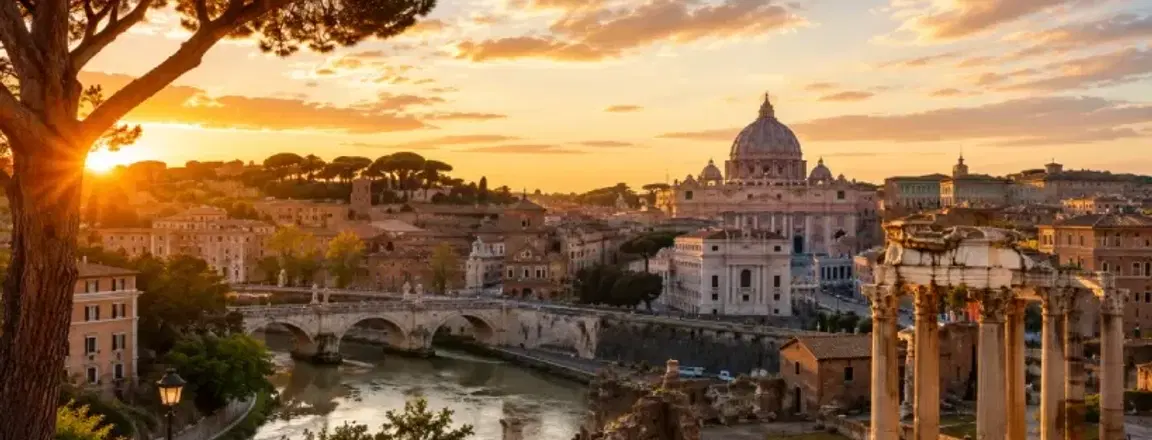
Rome is the timeless capital of Italy. From the ruins of the Colosseum and the Roman Forum to the artistic treasures of Vatican City, the city invites you to step into a living museum and experience its rich heritage. Rome is a year-round destination, and each season has its own charm. So, the best time to visit Rome depends on what kind of experience you wish to have. Whether you wish to explore the flower-draped piazzas in spring, explore the ancient ruins under the summer skies, or enjoy the city’s vibrant festivals, this seasonal Rome travel guide will help you plan your ideal holiday.
Key Takeaways
- Best overall time: April to May and September to October offer temperatures ranging between 15 and 25°C, manageable crowds and good daylight hours.
- Best for budget travellers: November, January and February are the best months, with hotel rates typically 25–40% lower than peak summer. Flights from Indian cities also tend to be cheaper in these months.
- Best for first-time visitors from India: Late April to early June combines mild weather and fully operational attractions without the intense summer heat.
- Peak season: June to August brings the longest days and outdoor festivals, but temperatures can occasionally reach 35–38°C during peak summer days, maximum crowds and the highest prices of the year.
- Indian traveller costs: Budget between Rs. 140,000 (Budget) and Rs. 2,80,000+ (Luxury) for a 7-day Rome itinerary, depending on the season, accommodations and flights.
Rome Weather by Season
Rome experiences four distinct seasons, each offering a different travel experience. From warm, sunny summers to cool winters and pleasant spring and autumn days, understanding Rome weather by season can help you choose the best time for your trip. Here’s what to expect throughout the year, including temperatures, rainfall and what to pack.
Season | Months | Avg. Temperature Range | Weather Conditions | Best For |
| Spring | Mar–May | 13–24°C | Mild, blooming gardens, occasional showers | Sightseeing, walking tours, Easter events |
| Summer | Jun–Aug | 28–35°C+ | Intense sun, long daylight hours | Festivals, nightlife |
| Autumn | Sep–Nov | 15–26°C (cooling later) | Warm days, cooler evenings, increased rainfall | Photography, fewer crowds |
| Winter | Dec–Feb | 4–13°C | Cool, occasional rain, fewer sunny days | Museums, budget travel, Christmas markets |
Rome in Spring (March–May): Best for Sightseeing & Gardens
Spring is widely considered one of the best times to visit Italy, and Rome is no exception. As winter fades, the city comes alive with vibrant flowers, longer daylight hours and mild temperatures, creating ideal conditions for exploring iconic landmarks and outdoor attractions.
Seasonal Highlights:
- Colosseum and Roman Forum: Spring offers ideal conditions for exploring these archaeological sites without the intense summer heat.
- Villa Borghese Gardens: Blooming flowers and comfortable temperatures make this the city's best picnic spot.
- Easter Week (Settimana Santa): Visitors can witness processions and extraordinary religious ceremonies across the city.
- Azalea Festival (late April): The Spanish Steps are blanketed with blooming rhododendrons, thereby making it one of the most photographed seasonal moments in Rome.
Rome in Summer (June–August): Festivals, Nightlife & Long Days
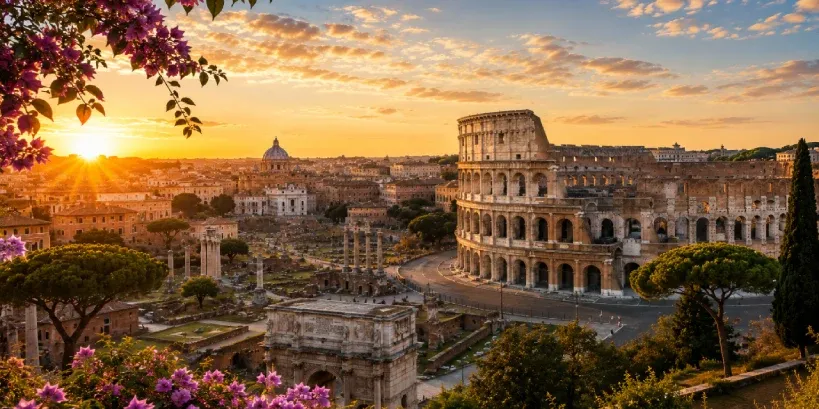
Summer is the most popular season to visit Rome. The season brings lively festivals and unforgettable outdoor moments along with long daylight hours. From open-air concerts and cultural events to candlelit piazzas, visitors can enjoy an energetic and romantic atmosphere.
Seasonal Highlights:
- Estate Romana (June–August): This is Rome’s summer arts festival. The festival features open-air concerts, theatre and film screenings at venues including the Colosseum and Castel Sant'Angelo.
- Lungo il Tevere (June–August): A riverside festival along the Tiber with food stalls, live music and craft markets.
- Trastevere Festival (July): The annual celebration with street food, folk music, and processions through its medieval lanes.
Rome in Autumn (September–November): Fewer Crowds, Great Weather
Autumn offers a perfect blend of mild weather and a more relaxed atmosphere compared to the busy summer months. As the summer heat fades away, the city becomes easy to explore on foot, and the warm hues create ideal photography conditions.
Seasonal Highlights:
- Grape Harvest in the Castelli Romani (September–October): Day trips to the wine towns of Frascati and Marino for harvest festivals and local wine.
- Rome Film Festival (October): The city's premier cinema event at the Auditorium Parco della Musica, attracting international directors and actors.
Rome in Winter (December–February): Cheapest Time to Visit
Winter is the cheapest time to visit Rome and one of the most underrated seasons to visit. The season offers a quieter and more intimate atmosphere to explore the iconic museums and landmarks at a relaxed pace. Beyond this holiday atmosphere, winter also brings some of the lowest prices on flights and accommodations throughout the year. This makes it the best season for budget-friendly travellers.
Seasonal Highlights:
- Christmas Markets (December): Piazza Navona hosts the best Christmas market in Rome, which attracts locals and visitors alike.
- Papal Midnight Mass (24 December): St Peter's Basilica hosts the Christmas Eve Mass.
- Carnevale (February): Masked processions and street performances around Piazza del Popolo and Testaccio.
Planning to explore beyond Rome? Our Italy travel guide covers the country’s top destinations, essential travel tips, and key planning information.
When to Book Colosseum and Vatican Tickets
Booking windows shift with the season, and getting this wrong is one of the more common ways a Rome trip gets frustrating.
- Summer (Jun–Aug): Book Colosseum and Vatican Museum tickets 4–6 weeks ahead; peak-season queues without a pre-booked slot can eat hours of your day.
- Spring and autumn (shoulder season): 2–3 weeks ahead is usually enough, though Easter week and October weekends fill up faster.
- Winter (Dec–Feb): The most flexible season; a few days' notice is often fine outside the Christmas and New Year window.
Rome Travel Cost from India (2026)
Planning a trip to Rome from India requires budgeting for flights, accommodation, food, local transportation, sightseeing, and other travel expenses. The overall Rome travel cost from India can vary significantly depending on your travel season, trip duration, accommodation preferences, and spending style.
Trip Type | Duration | Estimated Cost (Per Person) |
| Budget | 7 days | ₹1,40,000–₹1,70,000 (1,185 CHF–1,439 CHF) |
| Mid-range | 7 days | ₹1,80,000–₹2,30,000 (1,524 CHF–1,947 CHF) |
| Luxury | 7 days | ₹2,80,000+ (2,370.28 CHF+) |
NOTE: These are indicative prices; actual costs depend on exchange rates, season and how far ahead you book.
Travel Tip: For travellers comparing the overall cost of a trip, a Rome package can make it easier to plan accommodation, sightseeing and other major expenses.
Travel Tips for Visiting Rome from India
- Schengen visa: Indian citizens need a Schengen visa to visit Rome. Apply through the Italian Consulate or VFS Global at least 4–6 weeks before travel.
- Flight routes from India: Direct flights from India to Rome are limited and don't run year-round. Most routes connect via hubs like Dubai, Abu Dhabi, Doha, Frankfurt or Amsterdam.
- Dress code: Rome's Catholic churches, including Vatican City, require covered shoulders and knees for entry, worth packing for regardless of season.
- Currency: Rome uses the Euro. ATMs are widely available across central Rome.
- Packing by season: Spring and autumn call for layers and a light rain jacket; summer needs breathable fabrics, sun protection and comfortable walking shoes for hot pavement; winter needs a proper coat, since Rome's cold is damp rather than dry.
Final Verdict: When to visit Rome?
The best time to visit Rome for first-time travellers from India is April to May or September to October. These shoulder seasons offer comfortable temperatures, manageable crowds, low accommodation rates, and a full range of open attractions. Winter is ideal for budget-conscious travellers planning an Italy package, while summer offers long daylight hours and lively outdoor festivals.
FAQs
What is the best month to visit Rome?
April and October are among the best months to visit Rome. The weather is generally mild, crowds are more manageable than in summer, and temperatures are comfortable for sightseeing and walking around the city.
Is Rome expensive to visit in summer?
Yes, Rome is generally more expensive in summer, especially from June to August. Flights, hotels, and popular attractions tend to cost more because summer is the city's peak tourist season. Travelling in spring, autumn, or winter can help reduce overall trip costs.
What is the best time to visit Rome for good weather?
April, May, September, and October are the best months for pleasant weather in Rome. Temperatures are usually comfortable for outdoor sightseeing, while the extreme summer heat is less likely to affect long walking tours.
What is the best time to visit Rome to avoid crowds?
November, January, February, and the shoulder months of April and October are good choices for avoiding Rome's largest crowds. Summer and major holiday periods tend to be significantly busier, especially around the Colosseum and Vatican City.
Is Rome worth visiting in October?
Yes, October is an excellent time to visit Rome. The weather is generally mild, summer crowds begin to ease, and cooler temperatures make it comfortable to explore attractions such as the Colosseum, Roman Forum, and Vatican City on foot.
What is the cheapest month to visit Rome?
January and February are usually among the cheapest months to visit Rome. Lower tourist demand can mean better prices for flights and accommodation, making winter a good option for budget-conscious travellers from India.
What is the best time to visit Rome with family?
April to June and September to October are ideal for a family trip to Rome. The weather is comfortable for sightseeing, and families can explore major attractions without the intense summer heat.
How many days are enough for Rome?
Four to five days are enough to see Rome's major attractions, including the Colosseum, Roman Forum, Vatican City, Trevi Fountain, and Piazza Navona. A 7-day trip is better if you want a relaxed pace or nearby day trips.
Is Rome better in spring or autumn?
Both spring and autumn are excellent times to visit Rome, but autumn is often better for fewer crowds and comfortable sightseeing. Spring offers blooming gardens and Easter events, while September and October bring mild weather and a more relaxed atmosphere.
What is the best time to visit Rome for Indian tourists?
Late April to early June and September to October are among the best periods for Indian tourists to visit Rome. These months offer pleasant weather, comfortable sightseeing conditions, and fewer crowds than the peak summer season.