
Most Beautiful Cities in Italy: A Complete Guide for Indian Travellers
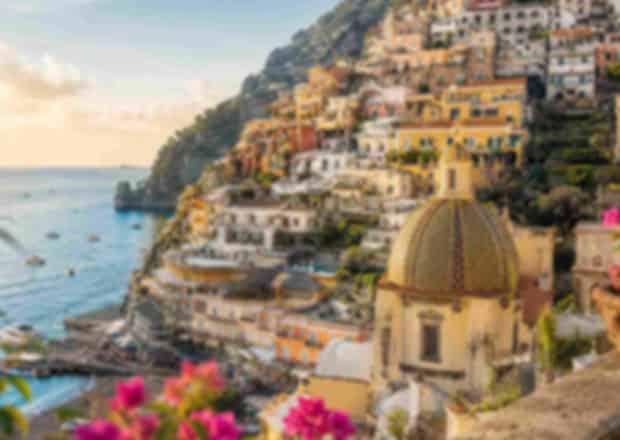
Planning a trip to the most beautiful cities in Italy is an unforgettable experience, but deciding where to start can feel overwhelming. Whether you dream of exploring Renaissance streets or browsing curated Italy tour packages to seamlessly connect these iconic destinations, choosing the right starting point is key to planning your perfect vacation.
From the ancient open-air museum of Rome to the romantic, winding canals of Venice, every corner of this historic peninsula offers something extraordinary. To help you plan, we have curated this guide to the most beautiful cities in Italy, highlighting the unique culture, art, and romance that define each location.
List of Best Cities to Visit in Italy
| City | Best Known For | Ideal Stay | Best For |
| Rome | Colosseum, Vatican, ancient ruins | 3–4 days | First-time visitors & history lovers |
| Venice | Canals, gondolas, historic architecture | 2 days | Couples & honeymooners |
| Florence | Renaissance art, Duomo, museums | 2–3 days | Art & architecture lovers |
| Milan | Fashion, Duomo, design | 2 days | Shoppers & culture seekers |
| Naples | Pizza, Pompeii, Mount Vesuvius | 2 days | Foodies & history lovers |
| Verona | Roman Arena, Juliet’s House | 1–2 days | Couples & romantic getaways |
| Bologna | Local food, medieval streets | 1–2 days | Food & culture lovers |
| Turin | Royal palaces, Egyptian Museum, Alps | 2 days | Offbeat & less-crowded trips |
| Siena | Medieval streets, Piazza del Campo | 1–2 days | Countryside & history lovers |
| Matera | Sassi cave dwellings, rock churches | 1–2 days | Photography & unique experiences |
| Bergamo | Città Alta, Venetian Walls | 1–2 days | History & scenic views |
| Trieste | Adriatic waterfront, Habsburg architecture | 1–2 days | Architecture & coastal escapes |
Most Beautiful Cities in Italy
From ancient ruins and Renaissance masterpieces to romantic canals and medieval streets, Italy is home to cities with distinct charm. Here are some of the most beautiful cities in Italy, along with their top experiences, ideal travel time, and estimated daily costs to help you plan your trip.
1. Rome: Italy’s Historic Capital
If you are planning your first Italy trip, Rome is where most travellers begin their adventure, and for good reason. Nearly 3,000 years of living history sit inside this single city. It lets you walk from the iconic Colosseum and the Roman Forum straight to the Vatican Museums and the Sistine Chapel. You can wander fifteen minutes in almost any direction and pass ancient ruins that are older than most modern countries.
Don’t Miss: Colosseum, Vatican City, Trevi Fountain, Pantheon, Trastevere
Best Experiences:
- Explore the Colosseum and Roman Forum
- Visit the Vatican Museums and Sistine Chapel
- Toss a coin into the Trevi Fountain
- Enjoy local food in Trastevere
Best Time: April–June and September–October
Average Cost: €90–€160 (₹8,000–₹15,000) per person/day
2. Venice: The City Built on Water
No list of the most beautiful cities in Italy is complete without Venice. This breathtaking masterpiece is built entirely on water. You move by foot or by boat, and that alone changes how the city feels. The Grand Canal, St Mark’s Square, and the smaller residential islands like Burano and Murano each offer a different side of the city.
Don’t Miss: Grand Canal, St. Mark’s Basilica, Rialto Bridge, Burano, Murano
Best Experiences:
- Take a gondola ride
- Cruise the Grand Canal by vaporetto
- Explore St. Mark’s Square
- Visit the colourful island of Burano
Best Time: April–June and September–October
Average Cost: €100–€180 (₹9,000–₹16,000) per person/day
3. Florence: The Birthplace of the Renaissance
Florence is a compact, walkable city, and that is exactly what makes it work. Every street corner of Florence features stunning Renaissance design. Open-air plazas display masterful marble statues. Sculpted fountains and historic palaces fill the narrow alleys. The entire city feels like a giant, open-air art museum.
Don’t Miss: Uffizi Gallery, Ponte Vecchio, Florence Cathedral, Piazzale Michelangelo
Best Experiences:
- See Renaissance masterpieces at the Uffizi
- Visit Florence Cathedral
- Walk across Ponte Vecchio
- Watch the sunset from Piazzale Michelangelo
Best Time: April–June and September–October
Average Cost: €85–€150 (₹7,500–₹13,500) per person/day
4. Milan: Fashion, Design, and Modern Italy
Milan is a uniquely beautiful city in Italy because it blends historic grandeur with cutting-edge modern design. It is less about ancient ruins and more about contemporary Italy: fashion weeks, design studios, and a skyline that mixes Gothic cathedrals with glass towers. The Duomo di Milano took nearly six centuries to complete and remains one of the largest cathedrals in the world.
Don’t Miss: Duomo di Milano, Galleria Vittorio Emanuele II, Sforza Castle, La Scala
Best Experiences:
- Visit the Duomo rooftop
- Explore the fashion district
- See The Last Supper
- Enjoy an Italian aperitivo
Best Time: April–June and September–October
Average Cost: €100–€180 (₹9,000–₹16,000) per person/day
5. Naples: Pizza, Chaos, and Ancient Neighbours
Naples is a spectacularly beautiful city in Italy that gets skipped by travellers rushing between Rome and the Amalfi Coast. This city is framed by a deep blue bay and Mt Vesuvius. Its charm lies in chaotic, colourful alleys packed with laundry, historic palaces, and gritty street art. Naples is the natural base if the beach holidays in Italy along the Amalfi Coast are part of your plan.
Don’t Miss: Pompeii, Historic Centre, Mount Vesuvius, Neapolitan pizza
Best Experiences:
- Try authentic Neapolitan pizza
- Explore the historic centre
- Take a day trip to Pompeii
- Enjoy views of Mount Vesuvius
Best Time: April–June and September–October
Average Cost: €70–€130 (₹6,300–₹11,700) per person/day
6. Verona: Where Romeo Met Juliet
Verona is small enough to see in a single day but atmospheric enough that most travellers wish they had stayed longer. Shakespeare set Romeo and Juliet here, and the city leans into it with Juliet’s House and its famous balcony. The Roman Arena still hosts opera performances every summer.
Don’t Miss: Arena di Verona, Juliet’s House, Piazza delle Erbe, Ponte Pietra
Best Experiences:
- Visit the Roman Arena
- See Juliet’s House
- Explore Piazza delle Erbe
- Watch the sunset from Ponte Pietra
Best Time: April–June and September–October
Average Cost: €70–€130 (₹6,300–₹11,700) per person/day
7. Bologna: Italy’s Underrated Food Capital
Bologna rarely makes first-time itineraries, and that is exactly its appeal. This is the city that gave the world bolognese sauce, tortellini, and mortadella, and its food markets are some of the best in the country. Add medieval towers and Europe’s oldest university, and Bologna earns its place among the famous cities in Northern Italy that don’t get enough credit.
Don’t miss: Quadrilatero food market, Two Towers, Piazza Maggiore
Don’t Miss: Quadrilatero Market, Two Towers, Piazza Maggiore
Best Experiences:
- Join a local food tour
- Explore the medieval centre
- Try fresh tortellini
- Visit the historic towers
Best Time: April–June and September–October
Average Cost: €65–€120 (₹5,800–₹10,800) per person/day
8. Turin: The Royal, Less-Crowded Alternative
Turin was Italy’s first capital and still carries that royal weight through its palaces and wide boulevards. It sits close to the Alps, so on a clear day, you can see snow-capped peaks from the city centre. Turin gets a fraction of the tourists that Rome or Florence do, which makes it a strong pick if you want the architecture without the queues.
Don’t Miss: Palazzo Reale, Mole Antonelliana, Egyptian Museum
Best Experiences:
- Visit the Egyptian Museum
- Explore the Royal Palace
- See the city from Mole Antonelliana
- Try traditional Italian chocolate and coffee
Best Time: April–June and September–October
Average Cost: €65–€120 (₹5,800–₹10,800) per person/day
9. Siena: The Mediaeval Hilltop Jewel
Siena is a uniquely beautiful city in Italy because it feels perfectly frozen in the Middle Ages. Red-brick Gothic buildings crown its soaring hilltop location. Its magnificent fan-shaped central square, Piazza del Campo, glows warmly under the Tuscan sun. The city features a breathtaking, pink-and-white striped cathedral and winding stone alleys that offer stunning views of the surrounding olive groves.
Don’t Miss: Piazza del Campo, Siena Cathedral, Torre del Mangia
Best Experiences:
- Explore the medieval streets
- Visit Siena Cathedral
- Climb Torre del Mangia
- Enjoy Tuscan countryside views
Best Time: April–June and September–October
Average Cost: €60–€110 (₹5,400–₹10,000) per person/day
10. Matera: The Ancient Stone Masterpiece
Matera is carved directly into limestone cliffs. This prehistoric settlement features the “Sassi”, a labyrinth of ancient cave dwellings and rock-hewn churches. Stone stairways stack tightly on top of each other. At night, thousands of warm lights turn the rugged canyon into a glowing, living nativity scene.
Don’t Miss: Sassi di Matera, rock-hewn churches, Casa Grotta
Best Experiences:
- Walk through the Sassi
- Explore ancient cave churches
- Stay in a cave hotel
- See Matera illuminated after sunset
Best Time: April–June and September–October
Average Cost: €60–€120 (₹5,400–₹10,800) per person/day
11. Bergamo: The Dual-Level Mediaeval Fortress
Bergamo splits into two distinct layers separated by massive Venetian walls. The lower town features modern Italian architecture and lively avenues. A historic funicular railway climbs straight into the high city. Up there, stone alleys lead to quiet plazas and grand brick towers. The hilltop views overlook lush northern valleys.
Don’t Miss: Città Alta, Venetian Walls, Piazza Vecchia, Funicular Railway
Best Experiences:
- Ride the funicular to Città Alta
- Walk along the Venetian Walls
- Explore Piazza Vecchia
- Enjoy panoramic valley views
Best Time: April–June and September–October
Average Cost: €60–€110 (₹5,400–₹10,000) per person/day
12. Trieste: Where Central Europe Meets the Sea
Trieste breaks the traditional Italian mould by blending Austrian grandeur with Mediterranean grit. It sits right on the Slovenian border, shaped by centuries of Habsburg rule. Gigantic stone plazas open up directly onto the deep blue Adriatic Sea. Sea-facing neoclassical palaces frame the waterfront, while old canal paths wind past historic literary cafes.
Don’t Miss: Piazza Unità d’Italia, Miramare Castle, Canal Grande, Waterfront
Best Experiences:
- Explore Piazza Unità d’Italia
- Visit Miramare Castle
- Walk along the Adriatic waterfront
- Relax at a historic café
Best Time: May–June and September
Average Cost: €60–€120 (₹5,400–₹10,800) per person/day
Getting Between Cities in Italy
Italy’s high-speed rail network (Trenitalia and Italo) connects most of these cities in under 3 hours. Rome to Florence takes about 1.5 hours, Florence to Venice about 2 hours, and Milan to Turin under an hour. For most itineraries, trains beat flights or car rentals on both cost and convenience, especially between city centres where landmarks are located.
Where to Eat and Shop In Cities in Italy
Each city has its own food identity: Rome for carbonara and cacio e pepe, Bologna for fresh pasta, Naples for pizza, and Florence for bistecca alla fiorentina. If food is a priority on your trip, our guide to shopping in Italy and where to find Indian food in Italy are both worth a read before you land.
Essential Tips for Visiting the Most Beautiful Cities in Italy
Planning your journey through Italy’s urban wonders requires a bit of strategy. Use these insider tips to save money, avoid crowds, and ensure a seamless vacation. [1]
- Book trains early: Use Trenitalia or Italo to get cheap, high-speed tickets between major hubs like Rome, Florence, and Milan.
- Validate regional tickets: If you buy a physical ticket for local trains or buses, always stamp it in the green or yellow machines before boarding to avoid huge fines.
- Secure skip-the-line passes: Major icons like the Colosseum, the Vatican, and Florence’s Uffizi Gallery sell out weeks ahead.
- Check closure days: Many state museums close on Mondays, while Vatican museums are closed on Sundays.
- Dress for churches: Both men and women must cover their shoulders and knees to enter religious sites like St. Mark’s in Venice or the Duomo in Milan.
Conclusion: Which of the Most Beautiful Cities in Italy Should You Visit?
Choosing among the most beautiful cities in Italy depends on what you want from your trip. For a first visit, Rome, Florence, and Venice offer the best mix of history, art, and iconic sights. Choose Milan for fashion, Naples and Bologna for food, or Siena and Matera for a slower, more unique experience. If you have 7–10 days, focus on 3–4 cities rather than rushing through the entire country. Italy’s excellent train network makes it easy to connect major destinations without a car.
Frequently Asked Questions
Which is the most beautiful city in Italy?
Venice is often considered the most beautiful city in Italy for its canals, historic architecture, and romantic atmosphere. Florence and Rome are also top choices for art, history, and culture.
What are the top cities to visit in Italy for first-time visitors?
Rome, Florence, and Venice are the best cities for a first Italy trip. They offer a mix of ancient landmarks, Renaissance art, iconic architecture, and local experiences.
What is the biggest city in Italy?
Rome is the biggest city in Italy by population. It is also the capital and one of the country’s most important cultural and historical destinations.
Are the beautiful cities in Italy expensive to visit?
Some cities can be expensive, especially Rome, Venice, and Milan. Bologna, Turin, Siena, and Matera can be more budget-friendly, depending on accommodation and travel season.
Which is the prettiest place in Italy?
Venice is one of the prettiest places in Italy, known for its canals and historic buildings. Florence, Siena, and Matera are also popular for their distinctive architecture and landscapes.
Can I visit multiple Italian cities without a car?
Yes. Italy’s high-speed train network makes it easy to travel between major cities without a car. Rome, Florence, Venice, Milan, Bologna, and Turin are well connected by rail.
Which is the beautiful city in Italy beyond Rome and Paris?
Florence is an excellent choice beyond Rome and Paris. It is known for Renaissance masterpieces, the Duomo, Uffizi Gallery, Ponte Vecchio, and its compact, walkable centre.
What are the best cities to visit in Italy for couples?
Venice, Florence, Verona, and Rome are among the best choices for couples. They offer romantic canals, scenic viewpoints, historic streets, cultural attractions, and memorable dining experiences.
Which cities in Italy are best for art, history, and architecture?
Rome and Florence are the top choices. Rome is ideal for ancient history and iconic landmarks, while Florence is renowned for Renaissance art, museums, palaces, and architecture.
Are there any hidden and beautiful cities in Italy?
Yes. Bologna, Turin, Bergamo, Trieste, Siena, and Matera are excellent alternatives to Italy’s busiest cities. They offer historic architecture, local culture, food, and scenic experiences with fewer crowds.

Recommended articles for you











Discover Packages
















Need help in planning?
Talk to our Travel Experts