
- Home
- Tourism
- Netherlands
- Best Time to Visit the Netherlands: Weather, Seasons and Travel Tips
Best Time to Visit the Netherlands: Weather, Seasons and Travel Tips
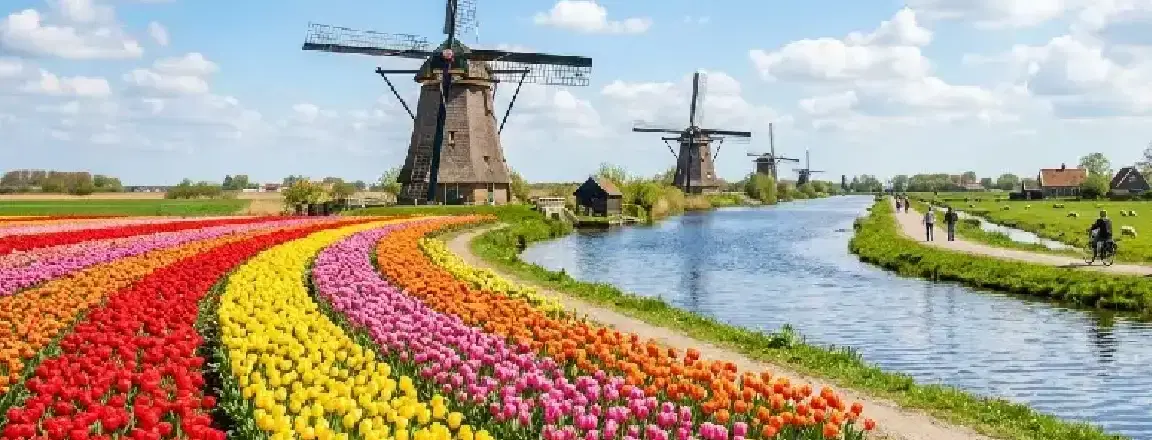
The best time to visit the Netherlands is generally from April to June, when spring flowers, mild temperatures and longer days make sightseeing and countryside trips enjoyable. April is particularly popular for tulip season and King's Day, while May and June are good months for cycling, canal cruises and exploring Dutch towns. September is another good option for sightseeing with fewer summer crowds.
The Netherlands has a mild maritime climate, so rain and changeable weather are possible throughout the year. The ideal time to visit depends on your interests: travel in spring for tulips, summer for outdoor activities, autumn for relaxed city breaks, or winter for festive markets and light festivals.
This guide covers the best time to visit the Netherlands by month, season and travel experience, with practical tips for Indian travellers planning their holiday.
What Is the Best Time to Visit the Netherlands?
April to June is generally the best time to visit the Netherlands for spring flowers, comfortable sightseeing weather and longer days. April is ideal for tulip gardens and King's Day, while May and June suit cycling, canal cruises and exploring historic towns. September is a good alternative for milder weather and fewer summer visitors.
- Spring (March–May): Tulip gardens, spring landscapes and cultural events.
- Summer (June–August): Cycling, beaches, canal cruises and outdoor festivals.
- Autumn (September–November): Museums, city breaks and autumn walks.
- Winter (December–February): Christmas markets, light festivals and indoor attractions.
For Indian travellers planning their first trip, April to June is a strong starting point. Choose September if you prefer a quieter sightseeing experience. Rain is possible in every season, so pack layers and a waterproof jacket.
What Is the Best Time to Visit the Netherlands?
The best time to visit the Netherlands is late April to early June, with September as the best second choice. Those weeks combine tulips or fresh spring greenery, long daylight, mild temperatures and the lowest rain risk of the year.
- Spring (April–June): Best for tulip gardens, flower festivals, and sightseeing.
- Summer (July–August): Ideal for outdoor activities, canal cruises, and longer daylight hours.
- Autumn (September–October): Suitable for exploring museums, historic towns, and canals with fewer crowds.
- Winter (November–March): Best for Christmas markets, festive events, and a quieter city experience.
For Indian travellers, April to June is a good choice for a first visit to the Netherlands. However, if you prefer fewer crowds and potentially lower accommodation costs, consider September or October.
Netherlands Weather by Season
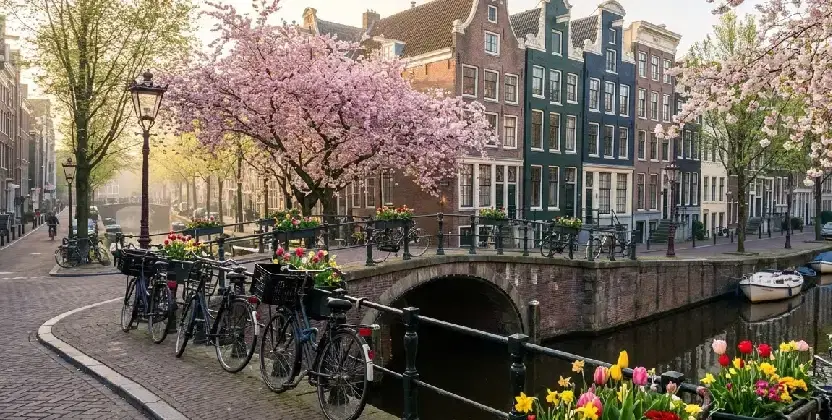
The Netherlands experiences four distinct seasons, each offering different weather conditions, sightseeing opportunities, and travel costs. Understanding the weather by season can help you choose the best time to visit based on your interests and budget.
Spring in the Netherlands (March to May)
Spring is the best season to visit the Netherlands to see tulips and explore the Dutch countryside. Temperatures gradually rise, from around 10°C in March to 18°C in May, although mornings can remain chilly. April is relatively dry compared with other periods, and longer daylight hours make sightseeing and cycling more enjoyable.
Keukenhof Gardens usually opens in mid-March, with tulip fields around Lisse typically at their best from mid-April to early May. King’s Day on 27 April brings street parties and large crowds, particularly in Amsterdam.
- Advantages: Tulip blooms, pleasant temperatures, longer days, and good conditions for cycling.
- Disadvantages: Higher hotel prices in April, crowded flower gardens, and occasional cold winds.
Summer in the Netherlands (June to August)
Summer in the Netherlands brings the warmest weather and longest days, with average daytime highs of around 20°C to 23°C. The extended daylight hours leave plenty of time for canal cruises, cycling, exploring windmill villages such as Zaanse Schans and Kinderdijk, and visiting beaches like Scheveningen.
Outdoor festivals and cultural events add to the summer atmosphere. However, rainfall remains possible, particularly in August, so carrying a light rain jacket is advisable.
- Advantages: Warm temperatures, long evenings, outdoor activities, and seasonal festivals.
- Disadvantages: Peak-season accommodation prices, crowded attractions, and advance booking requirements, especially in Amsterdam.
Autumn in the Netherlands (September to November)
Autumn in the Netherlands begins with mild temperatures before becoming colder and wetter towards November. Daytime highs generally fall from around 19°C in September to 10°C in November. September is a good month for cycling, walking through parks, and exploring cities with fewer summer crowds.
October and November are better suited to museum visits, café stops, and relaxed city breaks as daylight hours shorten and rain becomes more frequent.
- Advantages: Fewer tourists, potentially lower accommodation costs, autumn colours, and quieter museums.
- Disadvantages: Frequent rain, shorter days, and occasional price increases during major events such as the Amsterdam Dance Event.
Winter in the Netherlands (December to February)
The Netherland in winter is generally cold, cloudy, and damp, with daytime temperatures around 6°C to 7°C and nighttime temperatures often close to 1°C to 2°C. Frost and snow are possible, but snowfall and frozen canals are not guaranteed. Short daylight hours also mean less time for outdoor sightseeing.
December brings Christmas markets, seasonal ice rinks, and the Amsterdam Light Festival, which typically runs from late November into January. Winter is a good time to explore museums, historic buildings, and cosy cafés.
- Advantages: Festive events, fewer crowds at many attractions, and potentially lower hotel prices outside the Christmas and New Year period.
- Disadvantages: Cold, damp weather, early sunsets, and reduced opening hours at some outdoor attractions. Many businesses also close or operate on limited hours on 25 December.
Best Time to Visit the Netherlands Month by Month
The Netherlands offers different travel experiences throughout the year, from spring tulip blooms and summer canal cruises to autumn city breaks and winter festivals. The best month to visit depends on the weather, seasonal events, crowd levels, and your travel budget.
| Month | Daytime Temperature | Rainfall / Snow | Crowd Levels | What to Expect | Best For |
| January | 5–7°C | Frequent rain | Low | Cold days and short daylight hours | Museums and budget trips |
| February | 6–8°C | Rain is common | Low | Chilly weather and fewer tourists | Quiet city breaks |
| March | 9–11°C | Regular showers | Low to moderate | Early spring flowers and the start of tulip season | Spring sightseeing |
| April | 12–15°C | Generally less rainfall; occasional showers | High | Tulip blooms and King's Day on 27 April | Flower gardens and festivals |
| May | 16–18°C | Occasional rain and milder days | Moderate to high | Greener landscapes and longer days | Cycling and sightseeing |
| June | 19–21°C | Showers possible | High | Long evenings and outdoor events | Canal cruises and outdoor activities |
| July | 21–23°C | Rain showers and occasional thunderstorms | Very high | Warm weather and busy attractions | Summer festivals and family trips |
| August | 21–23°C | Showers are common | Very high | Summer activities and beach visits | Beaches and leisurely trips |
| September | 18–20°C | Increasing rainfall and occasional wind | Moderate | Mild temperatures and fewer summer crowds | Couples and city breaks |
| October | 14–16°C | Frequent rain and drizzle | Low to moderate | Autumn colours and cooler days | Museums and scenic walks |
| November | 9–11°C | Frequent rain, wind, and occasional frost | Low | Shorter days and quieter attractions | Budget-conscious travellers |
| December | 6–8°C | Rain is common | Moderate to high around Christmas | Christmas markets and festive lights | Winter festivals |
Note: Temperatures are approximate daytime highs. Rainfall, snowfall, and crowd levels vary by region, events, and year.
Which Month Should You Choose?
- For tulip fields: April to early May.
- For pleasant weather and sightseeing: May, June, and September.
- For summer festivals and outdoor activities: June to August.
- For fewer crowds: September, October, and February.
- For potentially lower travel costs: November to February, excluding Christmas and New Year.
- For Christmas markets and festive events: December.
- For snow: January and February offer a chance of snowfall, but snow is not reliable enough to plan a trip around.
For most Indian travellers, April to June and September offer a good balance of weather and sightseeing opportunities. Carry a waterproof jacket in any season, as rain can occur even during the warmer months.
Best Time to Visit the Netherlands for Different Experiences

The best time to visit the Netherlands depends on your travel plans, preferred weather, and budget. Spring is ideal for tulip fields, summer suits cycling and beach trips, autumn offers quieter city breaks, and winter is best for festive events and light festivals.
Best Time to See Tulip Fields in the Netherlands (Mid-April to Early May)
Mid-April to early May is often a good period to see tulips in the Netherlands, although the exact flowering peak depends on weather conditions and the varieties planted. Keukenhof Gardens is scheduled to open from 18 March to 9 May 2027, daily from 8 am to 7 pm.
- Where to go: Keukenhof Gardens, Lisse and the Bollenstreek flower region.
- What to expect: Spring flower displays, landscaped gardens and colourful bulb-growing areas.
Planning tip: Check Keukenhof's official flowering updates before travelling, and book tickets for your chosen date in advance. Weekdays are generally quieter than weekends.
Note: Keukenhof's opening dates are not a guarantee that every surrounding field will be in peak bloom. Follow local signs and stay on designated paths when visiting working flower farms.
Best Time to Explore Amsterdam (April to June and September)
April to June and September are good months for exploring Amsterdam, with generally comfortable temperatures for canal cruises, museum visits, and walking tours. April is particularly popular during tulip season and King's Day, while September can offer a balance of mild weather and fewer summer visitors.
- Best places: Canal Belt, Jordaan, Vondelpark, Rijksmuseum, and Van Gogh Museum.
- What to expect: Canal cruises, historic streets, outdoor cafés, and cultural attractions.
Travel tip: Book timed-entry museum tickets ahead of time and carry a waterproof jacket, as rain is possible year-round.
Best Time for Cycling in the Countryside (May to September)
May to September is generally a good period for cycling in the Netherlands, thanks to longer daylight hours and milder weather. Routes through villages, windmill landscapes, and national parks are easier to enjoy during these months, although wind and rain can affect conditions.
- Best places: Waterland, Zaanse Schans, Kinderdijk, and Hoge Veluwe National Park.
- What to expect: Flat cycling routes, traditional villages, canals, and open countryside.
Travel tip: Carry a windproof, waterproof layer and check the forecast before longer rides.
Best Time for Beach Holidays (June to August)
June to August is the warmest period for visiting the Dutch coast. Beaches are popular for seaside walks, cafés, and outdoor activities, although North Sea water temperatures are generally cool compared with those of tropical destinations.
- Best places: Scheveningen, Zandvoort, and Zeeland.
- What to expect: Sandy beaches, coastal walks, beach cafés, and seasonal activities.
- Travel tip: Sunny weekends in July and August can be busy. Check the forecast before planning a beach day.
Best Time to Visit Windmills and Traditional Villages (May to September)
May to September is a good time to explore the Netherlands' historic windmills, traditional villages, and countryside. Longer daylight hours and generally milder temperatures make outdoor sightseeing more comfortable.
- Best places: Zaanse Schans, Kinderdijk, and Giethoorn.
- What to expect: Historic windmills, traditional Dutch architecture, canals, and scenic walking routes.
Travel tip: Arrive early at popular attractions to avoid tour groups, particularly in July and August.
Best Time to See Autumn Colours (October to Early November)
October and early November are good months for seeing autumn colours in the Netherland’s Dutch parks and woodland areas. Temperatures become cooler, rainfall increases, and daylight hours shorten, making this season better suited to relaxed walks and city sightseeing.
- Best places: Vondelpark, Amsterdamse Bos, and Utrechtse Heuvelrug National Park.
- What to expect: Changing leaves, quieter walking trails, and cosy cafés.
Travel tip: Carry a waterproof jacket and plan outdoor activities earlier in the day.
Best Time for Christmas Markets (November to December)
November and December are ideal for experiencing Christmas markets, festive decorations and seasonal events in the Netherlands. Valkenburg is particularly known for its underground Christmas markets and winter attractions. The 2026–2027 Kerststad Valkenburg season is scheduled to run from 13 November 2026 to 3 January 2027, although individual attractions have different closing dates.
- Best places: Valkenburg, Maastricht and Amsterdam.
- What to expect: Christmas stalls, seasonal food, festive lights and winter activities.
Planning tip: Check the official Kerststad Valkenburg website for individual attraction dates, ticket availability and opening hours before planning your visit.
Best Time to Experience the Amsterdam Light Festival (Late November to January)
The Amsterdam Light Festival is a winter event that transforms Amsterdam's canals and surrounding streets with illuminated artworks. The 15th edition is scheduled to run from 26 November 2026 to 17 January 2027. Visitors can explore the installations on foot or view them from a canal cruise.
- Best place: Amsterdam's canal district and designated festival routes.
- What to expect: Illuminated artworks, evening walks and canal cruises.
Planning tip: The lights are scheduled to be on daily from 4:30 pm to 11 pm, with an earlier closing time of 9 pm on New Year's Eve. Check the official dates and hours before visiting.
Best Time for Festivals and Events
The best time to experience festivals in the Netherlands is from April to August, when the country hosts major celebrations, cultural events, and outdoor music festivals. Winter also offers seasonal markets and light displays.
- King’s Day (27 April): The Netherlands celebrates the King's birthday with street parties, flea markets, music, and orange-themed festivities. Amsterdam is particularly busy during this period.
- Holland Festival (May–June): Held mainly in Amsterdam, this performing arts festival features theatre, dance, music, and international productions.
- Summer music festivals (June–August): Summer brings outdoor concerts and music festivals across the country. Check event dates and locations before planning your trip.
- Amsterdam Pride (usually late July or early August): Features parades, canal celebrations, and LGBTQ+ cultural events.
- Amsterdam Dance Event (October): A major electronic music event that attracts DJs, artists, and music fans from around the world.
- Christmas markets and Amsterdam Light Festival (November–January): Winter brings festive markets, seasonal decorations, and illuminated artworks along Amsterdam's canals.
Travel tip: Book accommodation and transport early for major festivals, particularly King's Day and Amsterdam Pride, as demand and prices can rise significantly. Dates for annual events may change, so check official event websites before booking.
Best Time to Visit the Netherlands on a Budget
November to February, excluding Christmas and New Year, may offer lower hotel rates in some destinations. January and February can be suitable for travellers who prioritise museums, cafés and city sightseeing over warm weather. September is another option for potentially fewer summer crowds and comfortable sightseeing conditions.
- Potentially lower-cost periods: January, February and selected dates in November.
- Periods that may cost more: April tulip season, July and August summer holidays, King's Day, major festivals and the Christmas–New Year period.
- Ways to save: Compare prices across different travel dates, book popular attractions in advance and consider accommodation outside central Amsterdam with convenient public transport connections.
Accommodation prices vary by destination, events, demand and booking date. Compare flights, hotels, local transport and attraction tickets before choosing your travel month.
What to Pack for the Netherlands
Pack for changeable weather throughout the year. Layers, a waterproof jacket, and comfortable walking shoes are essential.
- All year: Waterproof jacket, walking shoes, compact umbrella, and a Type C or F plug adapter. The Netherlands uses 230 V electricity.
- Spring and summer: Light layers, a windproof jacket, sunglasses, a hat, and sunscreen.
- Autumn and winter: Thermal wear, warm layers, a coat, gloves, a scarf, and waterproof boots.
- For rainy days: Quick-dry clothing, a rain cover for your day bag, and spare socks.
Netherlands Travel Tips for Indian Travellers
- Book early: Reserve flights, hotels, and attractions in advance, especially during tulip season and summer.
- Check visa requirements: Apply for a Schengen visa and prepare the required travel documents.
- Plan your budget: Account for euro conversion, accommodation, transport, meals, and sightseeing costs.
- Plan vegetarian meals: Research Indian vegetarian restaurants and check ingredients if you follow a Jain diet.
- Pack for the weather: Carry a waterproof jacket, comfortable shoes, and layers throughout the year.
- Choose accommodation wisely: Stay near public transport outside Amsterdam's city centre to manage costs.
- Follow local rules: Avoid cycle lanes when walking and respect restrictions at tourist attractions and flower fields.
- Check opening hours: Verify seasonal schedules for Keukenhof, museums, and Christmas markets.
- Keep documents secure: Carry your passport, visa details, travel insurance, booking confirmations, and a backup payment card.
Conclusion: Plan Your Netherlands Holiday with the Right Tour Package
The best time to visit the Netherlands is from April to June for tulip fields, pleasant weather, and outdoor sightseeing. September is another great option for exploring Amsterdam and nearby towns with fewer summer crowds, while winter is ideal for Christmas markets and festive experiences. Choose your travel dates based on your budget, preferred activities, and seasonal events. Ready to explore the Netherlands? Explore our Netherlands tour packages to find the right itinerary, compare holiday options, and book your Netherlands getaway with flights, stays, and experiences planned around your travel preferences. Start planning your trip today!
Frequently Asked Questions
1. What is the best month to visit the Netherlands?
A: April to June is the best time to visit the Netherlands for tulip blooms, pleasant weather and outdoor sightseeing. September is another good option for mild temperatures and fewer summer crowds.
2. What is the cheapest month to visit the Netherlands?
A: January and February may offer lower hotel rates on selected dates, particularly outside major events and holiday periods. Compare accommodation and flight prices before booking, as costs vary by destination and demand.
3. When is tulip season in the Netherlands?
A: Tulip season generally runs from spring into early May, although flowering varies with weather conditions and tulip varieties. Mid-to-late April often offers a good chance of seeing colourful displays. Check Keukenhof's official flower reports before travelling.
4. How many days are enough to explore the Netherlands?
A: Five to seven days are ideal for exploring the Netherlands. You can visit Amsterdam, Rotterdam, Utrecht and traditional Dutch villages, with time for Keukenhof Gardens if travelling during tulip season.
5. Is the Netherlands worth visiting in winter?
A: Yes, winter is a good time to visit the Netherlands for Christmas markets, light festivals, museums and cafés. The Amsterdam Light Festival is scheduled for 26 November 2026 to 17 January 2027. Expect cold, changeable weather and shorter daylight hours.
6. Which month has the best weather in the Netherlands?
A: May and June generally offer some of the most pleasant weather in the Netherlands, with mild to warm temperatures and long daylight hours. September is also suitable for sightseeing in relatively comfortable conditions.
7. What is the rainy season in the Netherlands?
A: The Netherlands does not have a distinct rainy season, as rainfall occurs throughout the year. Autumn and winter can feel particularly wet and windy, so carrying a waterproof jacket is advisable in every season.
8. Is April a good time to visit the Netherlands?
A: Yes, April is a good time to visit the Netherlands for spring flowers, Keukenhof Gardens and King's Day celebrations on 27 April. April is relatively dry compared with other periods, but rain remains possible. Popular attractions and accommodation can be busy around major events.
9. Is September a good time to visit Amsterdam?
A: Yes, September is a great time to visit Amsterdam for canal cruises, museum visits and walking tours. The weather is generally mild, and tourist crowds often decrease after the summer peak.
10. What is the best time to visit the Netherlands from India?
A: April to June is ideal for Indian travellers seeking tulip gardens, comfortable sightseeing weather and long days. September is a good alternative for a more relaxed trip with fewer summer crowds. Indian passport holders generally need a Schengen visa for short visits.
11. When can I see snow in the Netherlands?
A: January and February offer the best chance of seeing snow in the Netherlands. However, snowfall is unpredictable, so winter travel should not be planned around guaranteed snow.
12. Which is better for visiting the Netherlands, April or May?
A: April is better for tulip displays and King's Day celebrations, while May generally offers milder weather and greener landscapes. Choose April for flower season or May for a balance of sightseeing and outdoor activities.