
- Home
- Tourism
- Scandinavia
- Best Things to Do in Scandinavia: Top Activities & Experiences
Best Things to Do in Scandinavia: Top Activities & Experiences
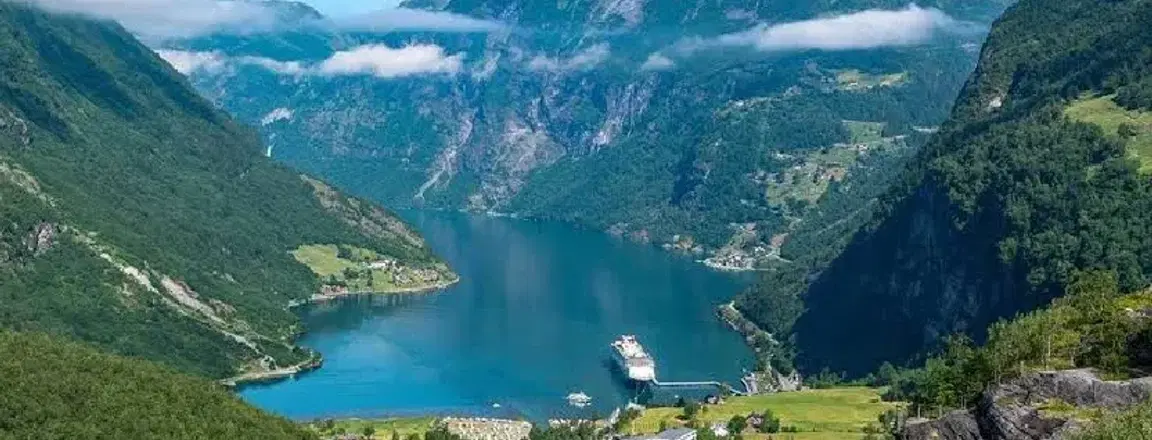
Not every Scandinavia trip needs to be about ticking off famous sights. You might spend one day hiking above a Norwegian fjord and the next eating your way through Copenhagen. You could paddle around Stockholm's islands, meet reindeer in the Arctic or watch whales off the Norwegian coast. The choices are wide, but your holiday days are not. That is where choosing the right activities matters. The best things to do in Scandinavia depend on your interests, destination and travel season. Scandinavia has outdoor adventures, Arctic activities, city experiences and family-friendly options. You can also use it while comparing Scandinavian tour packages. This guide takes you through the experiences worth knowing about across Norway, Sweden and Denmark.
Key Takeaways
- Pick from four types of experiences: fjords and nature, Arctic adventures, city culture, and family fun.
- June to August is the easiest time for outdoor activities, with long days and calmer seas.
- Norway, Sweden and Denmark use NOK, SEK and DKK respectively.
- For the Midnight Sun, visit from late May to late July. For the Northern Lights, plan between September and March.
Scandinavia at a Glance
| Country | Capital | Currency | Ideal Days | Best For |
| Norway | Oslo | Norwegian Krone (NOK) | 5 to 7 | Fjords, hiking, Northern Lights |
| Sweden | Stockholm | Swedish Krona (SEK) | 4 to 5 | Archipelago, design, Lapland |
| Denmark | Copenhagen | Danish Krone (DKK) | 3 to 4 | Food culture, cycling, family fun |
Still deciding how the countries fit together? This Scandinavian countries guide helps you split your days across Norway, Sweden and Denmark.
Best Things to Do in Scandinavia
Best Fjord and Nature Activities in Scandinavia
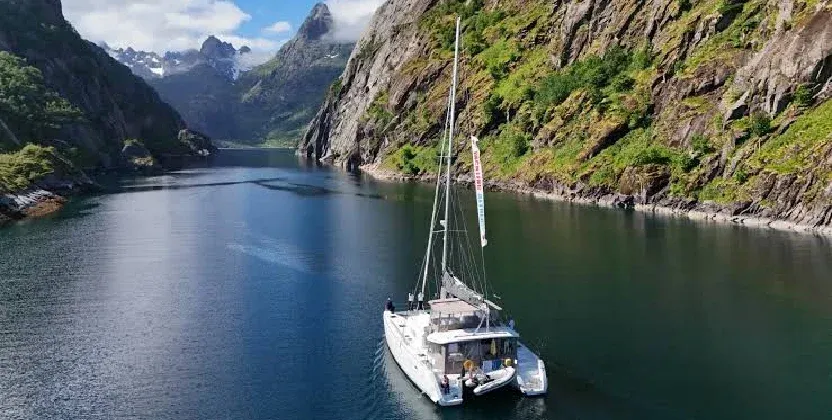
This is where Scandinavia feels wild and wide open. From quiet Norwegian fjord cruises to mountain train rides, these experiences put you close to the landscape.
- Cruise the Nærøyfjord on a small electric boat
A narrow UNESCO Nærøyfjord runs so close to the cliffs that waterfalls spray onto the deck as you pass. The newer electric ferries move quietly, so you hear the water instead of an engine. Small farms cling to the steep green slopes above, some still reachable only by boat. The ride feels calm, scenic, and completely unlike a standard sightseeing cruise.
- Best Time: Morning departures around 9 am
- Cost of the fjord cruise ticket: NOK 995 to 1,450 (about ~₹8,100 to ~₹11,800)
- Ride the Flåm Railway through the mountains
This steep mountain train, the Flåm Railway, climbs almost 900 metres in under an hour, passing waterfalls, snow patches, and narrow valleys along the way. The train stops briefly at Kjosfossen, where a short folklore performance plays out beside the falls. Large windows keep the views open on both sides of the carriage. It pairs naturally with a fjord cruise on the same day.
- Best Time: Late morning, right after the fjord cruise
- Cost of the one-way railway ticket: NOK 590 to 650 (about ~₹4,800 to ~₹5,300)
- Kayak the Stockholm archipelago
Paddle through Stockholm's calm inner waters past red timber cottages, granite islets, and quiet coves few tourists ever reach. Guides usually keep the group close to shore, so the pace stays relaxed even for first-time kayakers. Seals and seabirds are common sights along the way. The stillness of the water makes this one of the more peaceful activities on this list.
- Best Time: Late afternoon, when the wind usually settles
- Cost of the half-day guided kayak tour: SEK 795 to 950 (about ~₹6,300 to ~₹7,500)
- Hike a glacier tongue in western Norway
Strap on crampons and step onto the blue-tinted ice of Nigardsbreen or Folgefonna with an experienced guide. Glacier hiking in Norway takes you across shifting ice, deep cracks and bright meltwater streams. It is a thrilling experience, but no technical climbing skills are needed.
- Best Time: Morning starts, before the ice softens
- Cost of the guided glacier walk: NOK 900 to 1,600 (about ~₹7,400 to ~₹13,100)
- Cycle a Danish coastal trail
Ride flat, well-marked paths from Copenhagen's harbour into the quiet Danish countryside, passing thatched-roof cottages and open farmland along the way. Denmark's cycling infrastructure is some of the best in the world, with dedicated lanes on almost every route. Stops for coffee or a seaside picnic are easy to work into the ride. Even casual cyclists find the pace manageable.
- Best Time: 10 am to 4 pm, before rush hour traffic
- Cost of a full-day bike rental: DKK 150 to 250 (about ~₹1,900 to ~₹3,100)
Best Arctic and Northern Lights Activities in Scandinavia
This is where Scandinavia gets cold, wild and exciting. From glowing skies to frozen lakes, these experiences show you a very different side of the region. Here are the Arctic activities worth adding to your trip.
- Chase the Northern Lights on a guided night tour
Guides drive you away from city lights to open areas with the clearest sky forecast for Northern Lights, often stopping two or three times to chase gaps in the cloud cover. Hot drinks and basic photography help are usually included. Waiting outside in the cold for hours is part of the experience, so warm layers matter. Sightings are never guaranteed, but a good guide improves the odds considerably.
- Best Time: 9 pm to 1 am, between September and March
- Cost of the guided night tour: NOK 1,300 to 1,800 (about ~₹10,600 to ~₹14,700)
- Sleep inside an Ice Hotel
Rebuilt every winter near Jukkasjärvi from fresh snow and river ice, this hotel holds a steady minus 5 degrees inside even as artists carve new rooms each season. Guests sleep on ice beds layered with reindeer hide and thick sleeping bags. Hand-carved ice sculptures fill the corridors and suites. A heated changing room nearby lets you warm up before and after the night.
- Best Time: December through April, before it melts
- Cost of one night in an ice room: from SEK 4,500 (about ~₹35,500)
- Go dog-sledging across a frozen lake
Take the reins as a team of huskies pulls your sledge across a frozen lake. Dog sledging in Norway lets you experience the Arctic at a steady pace, with a musher guiding the route and handling tricky turns. The dogs race ahead at first, then settle into a rhythm. A warm cabin stop with hot berry juice adds a cosy break. No prior experience is needed.
- Best Time: Midday starts, for the best light
- Cost of the half-day husky sledging tour: NOK 2,200 to 2,800 (about ~₹18,000 to ~₹22,900)
- Watch whales breach near Andenes
Humpback and sperm whales feed close to shore off the Vesterålen Islands in Norway, making whale watching in Norway a popular experience. Boats can get close enough to hear whales breathe before they dive. Crew members help spot blows and point out feeding activity. Sightings are common but never guaranteed, so most trips follow recent whale activity.
- Best Time: Early morning departures, for calmer seas
- Cost of the whale watching boat tour: NOK 1,395 (about ~₹11,400)
- Try a reindeer-sledging experience with a Sami family
Ride a sledge pulled by reindeer and share lunch in a traditional lavvu tent with Sami herders. A reindeer sledging experience in Norway is slower and gentler than dog sledging, making it a good choice for families. Guides share stories about Sami traditions, reindeer herding and life in the Arctic while you warm up by the fire. It is a simple way to experience local culture without feeling staged.
- Best Time: Afternoon sessions, around winter daylight hours
- Cost of the Sami reindeer sledging experience: NOK 1,600 to 2,000 (about ~₹13,100 to ~₹16,400)
Best City and Culture Activities in Scandinavia
Scandinavia's cities are easy to explore, but there is plenty to do beyond sightseeing. From old warships and Viking history to colourful harbours and live music, each city has its own character. Here are some experiences worth adding to your trip.
- Ride the 1914 wooden roller coaster at Tivoli Gardens
This wooden coaster has been running since 1914, with a brake operator controlling its speed on the sharper turns. Tivoli Gardens itself dates back to 1843 and feels especially lively after sunset. Fairy lights, music and rides turn the visit into a fun evening out.
- Best Time: Evening, once the park lights come on
- Cost of Tivoli Gardens entry: DKK 145 to 195 (about ~₹1,800 to ~₹2,400)
2. Walk through a preserved 17th-century warship at the Vasa Museum
Stand beneath the Vasa, a warship that sank on its first voyage in 1628 and stayed underwater for more than 300 years. Around 98% of the ship is original timber, so its size is hard to miss. You can easily fit it into a longer Stockholm itinerary, which also includes Gamla Stan and an archipelago boat tour.
- Best Time: Weekday mornings, right after opening
- Cost of the Vasa Museum ticket: SEK 190 (about ~₹1,500)
3. Sing along at the ABBA Museum
The ABBA Museum is more hands-on than a regular music museum. Sing with virtual versions of the band, see their stage outfits and step into a recreated recording studio. Even casual fans can have fun here, and it makes an easy addition to a day exploring Stockholm.
- Best Time: Afternoon, once morning queues thin out
- Cost of the ABBA Museum ticket: SEK 295 (about ~₹2,300)
4. Explore Bryggen wharf in Bergen on foot
Walk through the colourful wooden buildings and narrow lanes behind Bergen's harbour. These old trading houses once belonged to German merchants and still hold small workshops and galleries. The Bryggen wharf is best explored slowly, with time to look beyond the main waterfront.
- Best Time: Early morning, before cruise crowds arrive
- Cost of the self-guided walk: Free
5. Take a canal boat ride through Nyhavn
Cruise past Copenhagen's colourful 17th-century houses, the Opera House and the Little Mermaid without having to walk between each sight. Guides also point out places linked to Hans Christian Andersen. The open-top boats are particularly nice around golden hour.
- Best Time: Golden hour, an hour before sunset
- Cost of the Nyhavn canal boat tour: DKK 95 to 130 (about ~₹1,200 to ~₹1,600)
6. Learn Viking navigation at Oslo's Viking Ship Museum
See Viking ships and burial finds that reveal how these seafarers lived and travelled. The ships are the main attraction in this Oslo museum, while the displays explain how Vikings used the sea to navigate and trade. It is a good pick if you want some history between your outdoor activities.
- Best Time: Late morning
- Cost of the Viking Ship Museum ticket: NOK 180 (about ₹1,500)
Best Family Activities in Scandinavia
Travelling with children does not mean sticking to museums and city walks. Scandinavia has theme parks, wildlife and hands-on activities that keep younger travellers busy without packing every day with sightseeing.
- Build and ride at Legoland in Billund
Legoland combines Lego models, rides and building areas in one place. Younger children can choose gentle rides, while older kids have bigger coasters to try. The miniature cities and landmarks are fun to explore between rides.
- Best Time: Morning, right at opening
- Cost of Legoland entry: DKK 429 (about ~₹5,300)
- Meet farm animals at Skansen open-air museum
Skansen combines a zoo, old Swedish buildings and a working village in one large outdoor space. Children can see moose, bears and lynxes, then watch craft demonstrations or ride the vintage carousel. It is an easy half-day stop for families.
- Best Time: Midday, during animal feeding sessions
- Cost of Skansen entry: SEK 260 (about ~₹2,100)
Best Things to Do in Scandinavia in Summer
Summer brings long days, open hiking trails and more time outdoors. It is also when northern Scandinavia gets its famous midnight daylight. If you want to make the most of the season, these experiences are a good place to start.
Join a Midsummer celebration in rural Sweden
Sweden's Midsummer celebrations are full of simple traditions. Join locals around a flower-covered maypole, listen to folk music and enjoy an outdoor meal while the sky stays bright late into the evening. Many public celebrations are free, so you can join without spending much.
- Best Time: Evening onward, when daylight stretches late
- Cost of joining a public Midsummer celebration: Free
2. Experience the Midnight Sun in northern Norway
The Midnight Sun in Norway stays above the horizon for weeks during summer. In Tromsø and the Lofoten Islands, you can hike, fish or sit outside close to midnight while it is still light. The extra daylight gives you more time to explore without rushing back before dark.
- Best Time: Around midnight, for the full effect
- Cost of observing the Midnight Sun: Free
3. Walk the Lofoten Islands' coastal trails
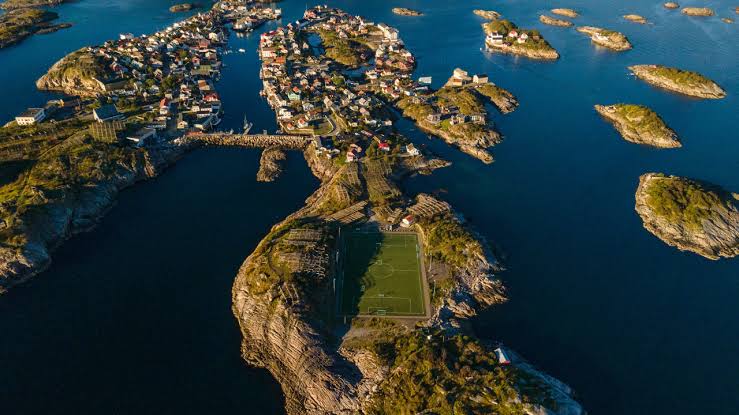
Hike towards Reinebringen or follow coastal trails between small fishing villages. The scenery changes from turquoise water to steep mountain peaks within minutes. The Lofoten Islands photography spots are also worth exploring if you want to capture the beaches, mountains and Northern Lights.
- Best Time: Morning starts, before the afternoon wind picks up
- Cost of the guided Lofoten hiking tour: NOK 400 (about ₹3,300), or free if hiking independently
When to Visit: A Quick Season Comparison
Not sure which season fits your Scandinavia trip? The right time depends on what you want to see and do. Summer is great for long days and outdoor adventures, while winter brings snow, ice and better chances of seeing the Northern Lights.
| Season | Months | Best Activities | Crowd Level |
| Spring | March to May | Waterfalls, cycling, late Aurora | Low |
| Summer | June to August | Midnight Sun, fjord cruises, hiking | High in July and August |
| Autumn | September to October | Early Northern Lights, fall colours | Low |
| Winter | November to February | Ice Hotel, dog sledging, deep Aurora season | Moderate |
Travel Tips for Scandinavia
- Book early: Reserve fjord cruises and Northern Lights tours at least two weeks ahead during peak months.
- Pack layers: Even in summer, coastal Norway can get much colder within a few hours.
- Carry a card: Card payments are widely accepted, so you will rarely need much cash.
- Check ferry times: Smaller island routes run less often outside summer, so check schedules before travelling.
- Consider a Eurail Pass: If you plan to travel between several Scandinavian cities by train, a Eurail Pass can make your rail journey easier to manage.
Conclusion: Plan Your Perfect Scandinavia Experience
Scandinavia is the kind of place where every season gives you a new reason to explore. You can cruise through fjords, chase the Northern Lights, wander colourful cities or spend a summer night under the Midnight Sun. The best things to do in Scandinavia depend on your interests, budget and travel dates. Pick the experiences that excite you most, leave some room for slow days, and enjoy the region at your own pace.
FAQs
1. What are the best things to do in Scandinavia?
The best things to do in Scandinavia include fjord cruises, glacier hikes, kayaking, Northern Lights tours, dog sledging, and city experiences. The right mix depends on your interests and travel season.
2. Which Scandinavian country is best for adventure activities?
Norway is a strong choice for adventure activities, with fjord cruises, glacier hikes, kayaking and Arctic experiences. Sweden is great for archipelago activities and winter adventures, while Denmark suits cycling and outdoor family activities.
3. Which month is best to visit Scandinavia for activities?
June to August is best for hiking, cycling, kayaking and fjord cruises, thanks to long daylight hours. For snow activities and the Northern Lights, visit between November and March.
4. What are the best things to do in Scandinavia in summer?
Summer is ideal for hiking, cycling, kayaking, fjord cruises and enjoying the Midnight Sun. You can also join a Midsummer celebration in Sweden or explore the coastal trails of Lofoten.
5. What are the best things to do in Scandinavia in winter?
Winter is perfect for Northern Lights tours, dog sledging, reindeer sledging, and Ice Hotel stays. Northern Norway and Swedish Lapland are especially good for Arctic experiences.
6. When is the best time to see the Northern Lights in Scandinavia?
The best time to see the Northern Lights in Scandinavia is from September to March, when nights are long and dark. Clear skies and low light pollution can improve your chances of seeing them.
7. Is Scandinavia good for adventure activities?
Yes, Scandinavia is excellent for adventure activities, from glacier hiking and kayaking to dog sledging and whale watching. Many experiences are guided, so you can try them without advanced skills.
8. What are the best family activities in Scandinavia?
The best family activities include Legoland in Billund, Skansen in Stockholm, reindeer experiences and easy outdoor adventures. Shorter activities work well for families travelling with younger children.
9. What are the best free things to do in Scandinavia?
Some of the best free things to do in Scandinavia include hiking selected trails, watching the Midnight Sun and joining public Midsummer celebrations. Walking around cities and waterfront areas can also cost nothing.
10. How many days are enough to enjoy activities in Scandinavia?
Around 10 to 14 days gives you enough time to combine city experiences with outdoor and Arctic activities. With less time, focus on one or two countries rather than trying to fit everything in.