
Scandinavia Travel Guide 2026: Countries, Costs, Itinerary & Tips
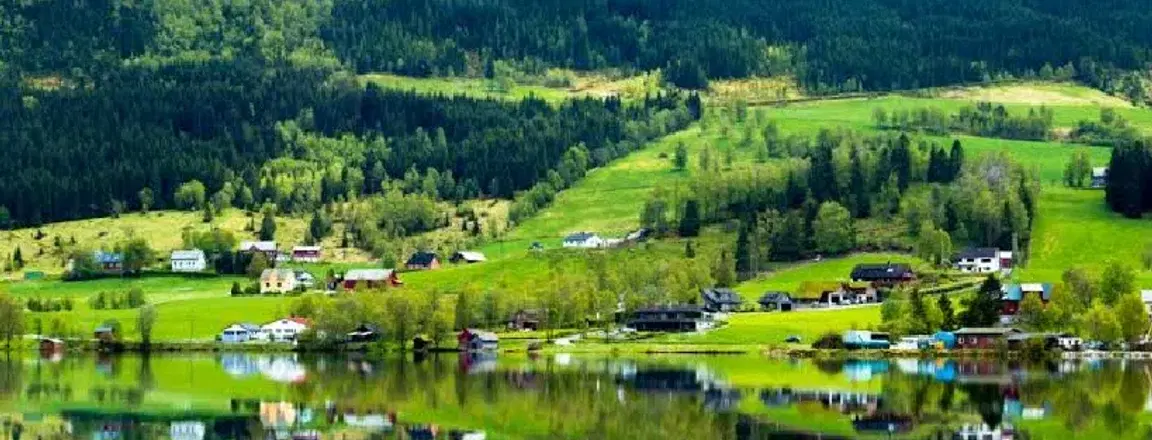
Planning a trip to Scandinavia can be tricky if you try to visit too many countries in a short time. You may end up spending more time travelling than exploring Scandinavian countries like Norway, Sweden and Denmark. This Scandinavia travel guide helps you plan a comfortable trip, with 10–14 days being ideal for visiting two or three countries.
Summer is perfect for outdoor activities, long daylight hours and fjord cruises, while October to March offers opportunities to see the Northern Lights. This Scandinavia travel guide covers the best countries to visit, trip duration, weather, transport, costs, visa requirements and a sample itinerary. If you're planning a holiday with Scandinavia tour packages, these tips will help you choose the right itinerary and make the most of your trip.
Scandinavia Travel Guide: Quick Answer
| Topic | Recommendation |
| How many days for Scandinavia | 7 days for one country; 10–14 days for two or three countries |
| Scandinavian Countries | Norway, Sweden, Denmark |
| Best month to visit | June–August for warm weather; October–March for the Northern Lights |
| Best way to get around | Domestic flights between countries, trains within cities, and cars for fjords |
| Best country to start with | Norway for scenery, Denmark for an easy first trip, and Sweden for a balance. |
What Countries Are Part of Scandinavia?
The first thing to know is that Scandinavia and the Nordic countries are not exactly the same. Scandinavia traditionally means Norway, Sweden, and Denmark. Finland and Iceland belong to the wider Nordic region.
This difference is useful when planning your route:
- Norway: Fjords, mountains, and scenic coastal towns
- Sweden: Cities, forests, islands, and northern landscapes
- Denmark: Copenhagen, coastal towns, and easy city breaks
- Finland: Nordic destination known for Lapland and Arctic experiences
- Iceland: An island destination with dramatic landscapes and a separate travel route
Norway, Sweden, and Denmark are easier to combine in one trip because mainland routes, trains and short flights connect them. Adding Finland means extra travel time, while Iceland usually needs a separate flight and more planning.
How Many Days Do You Need for Scandinavia?
The ideal trip length depends on how many countries you want to visit. If it's your first time, don't try to fit everything into one week. A slower trip lets you enjoy the scenery instead of rushing between cities.
| Trip Type | Recommended Days |
| One country (Norway or Denmark) | 6–7 days |
| Two countries | 9–10 days |
| Norway, Sweden & Denmark | 12–14 days |
Which Scandinavia Itinerary Is Right for You?
- 6–7 days: Best for exploring one country without feeling rushed.
- 9–10 days: A great choice if you want to combine two countries, like Norway and Sweden.
- 12–14 days: The sweet spot for seeing all three Scandinavian countries at a comfortable pace.
Planning tip: Stay at least 2–3 nights in each city. You'll spend less time packing and more time enjoying the destination.
What Is the Best Time to Visit Scandinavia
Scandinavia looks very different depending on when you visit. Summer brings long daylight hours and outdoor adventures, while winter is better for Northern Lights and Arctic experiences. Your ideal month depends on what you want to do.
- June to August: This is the most popular time to visit, with mild weather, long daylight hours, and plenty of time for sightseeing. Late June can bring close to 19 hours of daylight in Oslo, while Norway fjord cruises, festivals, and outdoor activities are in full swing.
- May and September: These shoulder-season months offer a quieter experience with fewer crowds and milder weather. Hotel prices can also be lower than during peak summer, making them a good choice for travellers looking for better value without visiting in winter.
- October to March: Longer and darker nights make this the best period for Northern Lights trips, especially in northern Scandinavia. Winter also brings Christmas markets and Arctic activities such as reindeer sledging in Norway, but daylight hours become much shorter as you travel further north.
- Late June: If you want to experience Scandinavian summer at its liveliest, late June is a great time to go. Sweden's Midsommar celebrations around 21 June bring flower garlands, bonfires, and outdoor gatherings.
- Best time overall: There is no single best month for everyone. Choose June to August for sightseeing and outdoor activities, May or September for fewer crowds, and October to March if the Northern Lights are your main priority.
Which Scandinavian Country Is Best to Visit?
There is no single best country in Scandinavia. Each of the Scandinavian countries offers a different experience, so the right choice depends on what you want from your trip.
| Country | Best Known For | Ideal For |
| Norway | Fjords, mountains and coastal scenery | Nature lovers and scenic road trips |
| Denmark | Copenhagen, design and easy city travel | First-timers and short breaks |
| Sweden | Stockholm, islands and a mix of city and nature | Travellers who want variety |
Norway
Choose Norway if dramatic scenery is high on your list. Its fjords, mountain roads and coastal towns make it the strongest choice for nature-focused trips. It is also a great pick if you want scenic train rides, cruises, and outdoor adventure activities in Norway.
Denmark
Denmark is a comfortable starting point for first-time visitors. Copenhagen is compact and easy to explore, with colourful streets, good food, design and historic sights.
Sweden
Sweden offers a good balance between city life and nature. Spend time exploring Stockholm's historic streets and islands, then head north for forests, quieter landscapes and Northern Lights experiences.
Quick pick: Choose Norway for scenery, Denmark for an easy first trip, and Sweden for a balanced mix of cities and nature.
Inspired to explore Denmark first? Browse Pickyourtrail Denmark tour packages to discover handpicked itineraries that make planning your Scandinavian holiday simple and stress-free.
How to Reach Scandinavia from India
The easiest way to reach Scandinavia is by flying to Copenhagen, Stockholm or Oslo. From India, Delhi, Mumbai and Bengaluru usually have the most convenient options, with direct or one-stop flights depending on the season.
Flight Options from India
| Indian departure city | Scandinavian arrival city | Typical route |
| Delhi | Stockholm | Direct or one-stop, depending on the airline and season |
| Delhi | Copenhagen | One-stop routes are commonly available |
| Delhi | Oslo | Usually one-stop via a European or Middle Eastern hub |
| Mumbai | Copenhagen, Oslo or Stockholm | Mostly one-stop routes |
| Bengaluru | Copenhagen, Oslo or Stockholm | Mostly one-stop routes |
| Jaipur | Copenhagen, Oslo or Stockholm | Usually requires a domestic connection through Delhi or Mumbai |
A one-stop journey can take around 11–16 hours, depending on the layover. Don’t look at the fare alone. Check the total travel time, baggage rules and connection time too.
Which Airport Should You Choose?
Pick your arrival city based on your route:
- Copenhagen: Great for Denmark and easy onward travel to Sweden.
- Stockholm: Best for Sweden-focused trips.
- Oslo: A good base for Norway’s fjords and scenic train journeys.
- Bergen: Ideal for a fjord-focused Norway trip, but usually needs an extra connection.
For a multi-country trip, an open-jaw flight can save time. For example, fly into Copenhagen and return from Stockholm or Oslo.
Best Places to Visit in Scandinavia
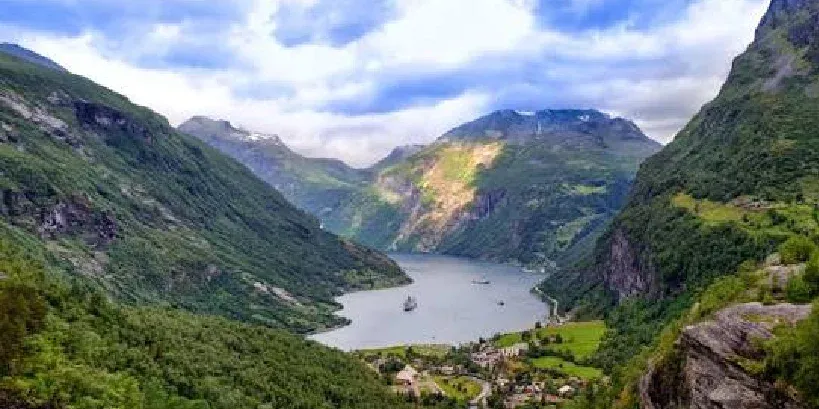
Scandinavia's landmarks range from candy-coloured harbours to fjords carved out by ice-age glaciers. Denmark, Norway, and Sweden each hold a handful of sights that make up most Scandinavian itineraries, and together they cover everything from royal history to Viking-era architecture. Here are the spots worth building a day around.
- Geirangerfjord, Norway: See dramatic cliffs and cascading waterfalls around this UNESCO-listed fjord, one of Norway's most striking natural sights. A fjord cruise is a great way to take in the landscape from the water.
- Bryggen Wharf, Bergen: Explore the colourful wooden Hanseatic buildings along the harbour, many of which date back to the 14th century. Browse the small shops and cafés tucked inside these historic buildings.
- Gamla Stan, Stockholm: Walk through narrow cobbled lanes surrounded by historic merchant houses, with the Royal Palace nearby. Take your time exploring the small squares, cafés, and independent shops.
- Vigeland Sculpture Park, Oslo: Discover an impressive collection of sculptures by Gustav Vigeland, set across the grounds of Frogner Park. The open-air setting makes it an easy stop while exploring Oslo.
- Kronborg Castle, Helsingør: Explore the Renaissance castle associated with Shakespeare's Hamlet, located beside the Øresund Strait. Walk through its grand rooms, courtyards, and old defensive areas.
Best Things to Do in Scandinavia

The best activities in Scandinavian destinations are not limited to famous sights. Some of the most memorable moments happen on the water, in the mountains or around a local sauna. Pick two or three experiences that match your travel style instead of trying to fit everything into one trip.
- Cruise through a Norwegian fjord at sunset: Get onto the water and watch the cliffs change colour as the evening light sets in. It is a peaceful way to experience Norway's famous landscapes.
- Cycle through Copenhagen: Follow the city's bike lanes past canals, historic streets and colourful buildings. You get to explore the city at the same relaxed pace as many locals.
- Chase the Northern Lights in Norway: Join a local guide who tracks weather and clear skies to improve your chances of seeing the aurora. The experience is best enjoyed away from bright city lights.
- Ride the Flåm Railway through the mountains: Pass waterfalls, steep valleys, and small settlements on one of Norway's most scenic rail journeys. Keep your camera ready for the changing views along the route.
- Hike under the midnight sun: Head above the Arctic Circle in summer and enjoy daylight that lasts well into the night. A Scandinavian adventure package can also combine several outdoor experiences in one trip.
How to Travel Around Scandinavia
Scandinavia covers a large area, so there is no single best way to get around. The easiest approach is to choose your transport based on the distance and the places you want to reach.
- Take domestic flights between distant cities: Flights are the most practical option when travelling between countries or cities such as Oslo and Stockholm. Most routes take under 90 minutes, and booking a few weeks ahead can help you find better fares.
- Use trains for scenic journeys: Trains are ideal within Norway and Sweden, especially when the journey itself is part of the experience. The Bergen Railway connects Oslo to Bergen across the Hardangervidda plateau and links with the Flåm Railway for a scenic route towards the fjords.
- Rent a car for remote areas: A car gives you more freedom to reach fjords, countryside, and smaller towns that Norway's public transport may not cover. Norway is particularly suited to road trips, but remember to factor in tolls and ferry crossings.
- Choose ferries for coastal routes: Ferries are useful around Norway's fjords and islands, as well as for shorter journeys between Denmark and Sweden. They can also turn a simple transfer into a scenic part of your trip.
For most travellers, a mix works best. Fly between countries, then use trains or a rental car within each destination. This saves time while still leaving room for scenic journeys and flexible stops.
Scandinavia Trip Cost: Daily Budget by Country
Scandinavia can be expensive, but daily costs depend on your destination, accommodation, food and activities. Sweden can be more affordable, while Denmark and Norway may cost more in popular tourist areas. Denmark uses the Danish krone (DKK), Sweden the Swedish krona (SEK), and Norway the Norwegian krone (NOK).
The daily budgets should reflect current exchange rates and realistic costs for accommodation, food, local transport and sightseeing.
Country | Budget per day | Mid-range per day | Luxury per day | Currency |
| Denmark | 700–1,000 DKK (₹10,200–₹14,500) | 1,200–1,800 DKK (₹17,400–₹26,100) | 2,500–4,500+ DKK (₹36,300–₹65,300+) | Danish krone (DKK) |
| Norway | 900–1,200 NOK (₹9,100–₹12,100) | 1,800–2,500 NOK (₹18,200–₹25,300) | 3,500–5,000+ NOK (₹35,400–₹50,600+) | Norwegian krone (NOK) |
| Sweden | 700–1,000 SEK (₹6,800–₹9,700) | 1,200–1,800 SEK (₹11,700–₹17,500) | 2,500–4,000+ SEK (₹24,300–₹38,900+) | Swedish krona (SEK) |
How to Save Money While Travelling in Scandinavia
- Book hotels and flights early for better prices.
- Use trains and public transport instead of taxis.
- Stay in hostels or apartments if you're travelling on a budget.
- Eat at local cafés or supermarkets to reduce food costs.
- Visit during the shoulder season for lower prices and fewer crowds.
Best Scandinavia Itineraries for 7, 10 and 14 Days
The right Scandinavian itinerary depends on how much time you have. Whether you're visiting for a week or two, these travel plans help you see the best of Scandinavia without feeling rushed.
7-Day Scandinavia Itinerary
Route: Copenhagen → Stockholm
Spend your first three days exploring Copenhagen's colourful streets, historic landmarks, and food scene. Then take a scenic train to Stockholm and spend the next four days discovering its islands, museums, and waterfront views.
- Best for: First-time visitors and short trips.
10-Day Scandinavia Itinerary
Route: Copenhagen → Oslo → Stockholm
Visit Copenhagen, Oslo, and Stockholm, spending around three days in each city. Travel between them by train or a short flight for a relaxed trip that covers Scandinavia's three famous capitals.
- Best for: Travellers who want a mix of history, culture, and city life.
14-Day Scandinavia Itinerary
Route: Copenhagen → Stockholm → Bergen → Northern Norway
Start with Copenhagen and Stockholm before heading to Bergen to experience Norway's famous fjords. Finish your trip in northern Norway for Arctic scenery and, in winter, a chance to see the Northern Lights.
Best for: Travellers who want both vibrant cities and unforgettable natural landscapes.
Families or honeymooners looking to customise this further can explore full Europe honeymoon packages that include Scandinavia as part of a wider itinerary.
Scandinavia Visa and Entry Requirements
Visa rules for Scandinavia are simple. Indian travellers visiting Denmark, Sweden and Norway for tourism generally need a Schengen visa. Since all three countries are part of the Schengen Area, a valid Schengen short-stay visa usually allows travel between them during the permitted stay, subject to the visa’s validity and entry conditions.
Schengen Visa Rules for Scandinavia
- Denmark and Sweden are part of both the European Union and the Schengen Area.
- Norway is not an EU member but is part of the Schengen Area, so the same entry rules apply.
Who Needs a Schengen Visa for Scandinavia
Travellers from countries such as the United States, United Kingdom, Canada, Australia, and many Gulf nations can usually visit without a visa for up to 90 days within 180 days.
Travellers from much of South Asia, Africa, and parts of Southeast Asia usually need to apply for a Schengen visa before travelling. In most cases, you should apply through the embassy of the country where you will enter first or spend the most time.
Tip: Visa rules can change, so always check the latest requirements for your passport before booking your trip.
Schengen visa requirements for Indian travellers
- Visa type: Apply for a short-stay Schengen visa (Type C) for tourism, generally permitting stays of up to 90 days within a 180-day period.
- Where to apply: Apply through the country where you will spend the longest time. If your stay is equally divided, apply through the first country you will visit.
- Visa fee: €90 (approximately ₹10,100) for adults and €45 (approximately ₹5,100) for children aged 6–11, plus applicable service charges.
- Passport validity: Your passport must generally have been issued within the past 10 years and remain valid for at least three months after your planned departure from the Schengen Area.
- Travel insurance: Medical insurance must cover at least €30,000 (approximately ₹33.7 lakh) for emergency medical care and repatriation throughout your Schengen trip.
Documents required
Prepare the following documents when applying for your visa:
- Completed Schengen visa application form and recent passport-sized photograph.
- Valid passport and copies of relevant previous visas, where applicable.
- Return flight itinerary and accommodation bookings.
- Day-wise travel itinerary covering Denmark, Sweden and Norway.
- Recent bank statements and proof of sufficient funds.
- Employment documents, leave approval or business documents, as applicable.
- Travel medical insurance covering the entire trip.
Conclusion: Ready to Plan Your Scandinavia Trip?
Planning Scandinavia becomes much easier once you know what suits your trip. Choose your countries carefully, allow enough time between stops, and plan around the season you want to experience. This Scandinavia travel guide gives you the key details to make those decisions with confidence. Summer is ideal for long days and outdoor adventures, while winter brings the chance to see the Northern Lights. Start by choosing your countries, setting a realistic number of days, and picking the season that fits your plans. Once those three decisions are clear, the rest becomes much easier.
FAQs
1. How many days do you need for a Scandinavia trip?
For a Scandinavia trip, 7 days works well for one country, while 10–14 days is better for visiting two or three countries. This gives you enough time to explore without rushing between destinations.
2. What is the best way to travel around Scandinavia?
The best way to travel around Scandinavia is to combine flights, trains, ferries and rental cars based on your route. Use flights for longer distances, trains for scenic journeys and cars for remote areas and fjords.
3. What is the best month to go to Scandinavia?
The best month to go to Scandinavia depends on your travel plans. June to August is ideal for sightseeing and outdoor activities, while October to March is better for Northern Lights experiences.
4. Which Scandinavian country is the best to travel to?
The best Scandinavian country to travel to depends on what you want to see. Choose Norway for fjords and nature, Denmark for an easy first trip, and Sweden for a mix of cities and outdoor experiences.
5. What are the Scandinavian countries?
The Scandinavian countries traditionally include Norway, Sweden and Denmark. Finland and Iceland belong to the wider Nordic region but are not traditionally considered part of Scandinavia.
6. What is the best time to visit Scandinavia for the Northern Lights?
The best time to visit Scandinavia for the Northern Lights is from October to March, when nights are longer and darker. Northern Norway and parts of Sweden offer good opportunities to see the aurora.
7. Is Scandinavia expensive to visit?
Scandinavia is expensive to visit compared with many European destinations, but costs depend on your country and travel style. Choose budget stays, public transport and shoulder-season travel to keep your trip more affordable.
8. What is the best Scandinavian country for first-time visitors?
The best Scandinavian country for first-time visitors is often Denmark because Copenhagen is compact, easy to explore and well connected. Norway is a better choice if dramatic scenery and fjords are your main priorities.
9. What is the best Scandinavian itinerary for 10 days?
A 10-day Scandinavian itinerary can cover Copenhagen, Oslo and Stockholm, with around three days in each city. You can travel between them by train or short flights for a balanced mix of culture, history and city experiences.
10. Do you need a Schengen visa to visit Scandinavia?
Whether you need a Schengen visa to visit Scandinavia depends on your nationality and passport. Denmark, Norway and Sweden follow Schengen entry rules, so check the latest requirements before booking your trip.